REVIEW · COCOA BEACH
Bioluminescent Kayak Tour in Floridas Indian River Lagoon
Book on Viator →Operated by Sunny Nights Kayak Tours · Bookable on Viator
You kayak through Florida’s living light. This bioluminescent kayak tour in the Indian River Lagoon is built for one thing: seeing the water glow from microscopic life, while you’re also under big, dark-sky views near the Space Center. I love the way the tour pairs the night sky with a hands-on ecology story, and I love that your certified naturalist guide explains what you’re looking at, from the smallest organisms to the whole food web.
I also like the setup for comfort and focus. The group tops out at 9, so you get close enough to the guide for real questions, without feeling like you’re in a bus line at night. And because it’s scheduled for evening, you dodge the daytime heat that can drain energy fast on Florida coastal tours.
One consideration: the tour depends on good weather, since it’s running out on the water after dark. If conditions aren’t right, plans can shift to another date or you can get a full refund.
In This Review
- Key things to know before you go
- Bioluminescence 101: what actually makes the lagoon glow
- The Space Center night-sky setup at your launch area
- What your certified naturalist teaches on the water
- Your bioluminescent kayak experience: what to expect, what you’ll notice
- Price and value: is $65 for two hours worth it?
- Who this tour fits best (and who should think twice)
- Quick practical tips for a smoother night paddle
- FAQ
- How long is the bioluminescent kayak tour?
- How much does the tour cost?
- Where does the tour start?
- What’s included with the ticket?
- What should I bring?
- Is the tour only for adults?
- How many people are in each group?
- Is confirmation provided after booking?
- What happens if weather is bad?
- Can I bring a service animal?
- Should you book this bioluminescent kayak tour?
Key things to know before you go
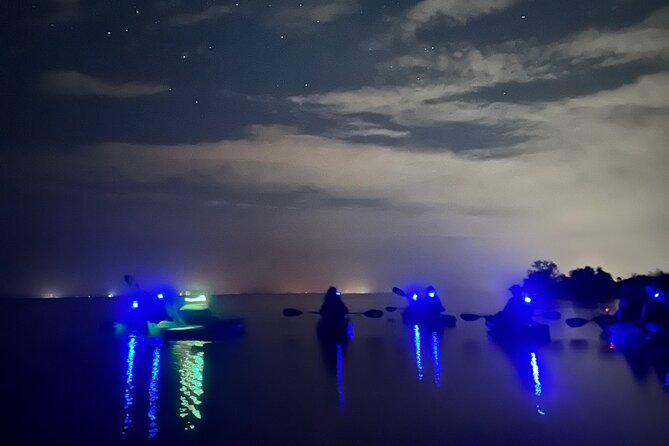
- Microscopic “living light”: your glow comes from microscopic algae/dinoflagellates in the lagoon, not glow sticks.
- Space Center views before you paddle: launch-area sightlines can include the vehicle assembly building, rocket pads, and the Milky Way on clear nights.
- Small group vibe: maximum 9 people, with a guide who stays close so everyone can see and ask questions.
- Naturalist-led ecology, not just sightseeing: you’ll learn how this rare coastal ecosystem works from bottom of the food web up.
- Optional science-style moments in summer: on some summer nights, you may hear about water sampling tied to pyrodinium bloom studies.
Bioluminescence 101: what actually makes the lagoon glow
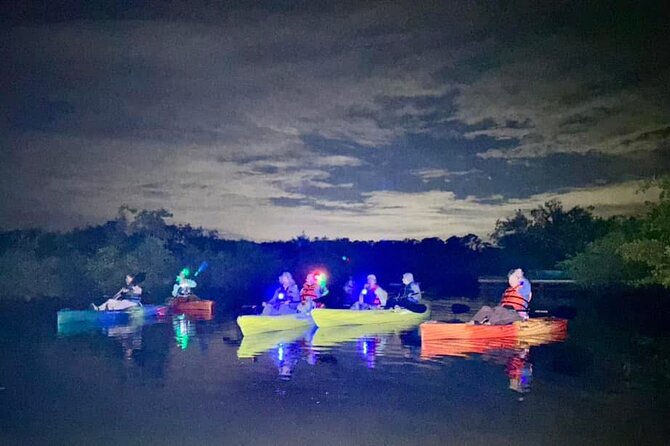
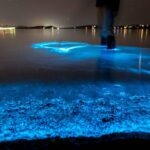
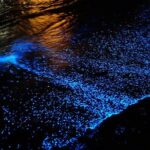
The star of this tour is bioluminescence, and it’s not magic. It happens because microscopic organisms in the lagoon produce light, so when you paddle and move the water, you can see that glow from below you.
Here’s what makes this experience feel extra real: you’re not watching a vague “pretty lights” show. You’re learning why it’s happening. Your guide talks through the lagoon as a living system, including the role of microscopic life and how the glow connects to the food web above it.
You’ll also hear the science angle tied to real monitoring. On some summer nights, the tour connects to water sampling used to quantify dinoflagellates involved in a pyrodinium bloom. That’s a great detail if you like nature explanations that go past the surface.
You can also read our reviews of more tours and experiences in Cocoa Beach.
The Space Center night-sky setup at your launch area
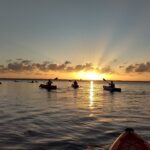
Before you ever touch the kayak paddle, you get a moment that feels almost like a bonus tour. The launch location is set up with open views of the Space Center’s vehicle assembly building and rocket launch pads. On a clear night, you may also spot the Milky Way, plus things moving across the sky like shooting stars, Starlink satellites, and even the ISS depending on conditions.
Why this matters for you: night kayaking can feel dark and simple at first. This sky time gives you context and helps your brain switch modes to night vision and night observation. It also makes the whole outing feel more than a single-purpose activity.
One practical perk: you’re in the general Cocoa Beach area, but your start point is in Titusville at 501 Marina Rd, Titusville, FL 32796. So you’re close to the space-sight vibes without having to commute far for an evening that’s all about the lagoon after dark.
What your certified naturalist teaches on the water
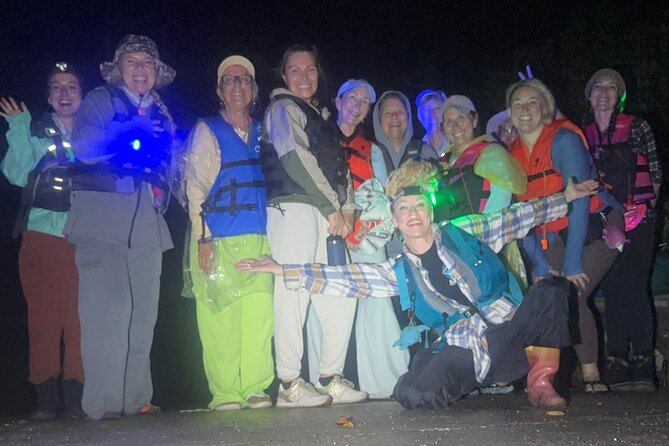
This tour runs on guidance, not just logistics. You paddle with a certified Florida naturalist from Sunny Nights Kayak Tours, and the focus is clearly on understanding the ecosystem you’re floating over.
The explanation is structured like an ecosystem story, starting at the microscopic level and moving upward. That approach is valuable because it changes how you watch the water. Instead of just hoping for a glow, you start thinking about what conditions might make it stronger and what the organisms are doing.
There’s also a special layer for science lovers. On some summer nights, your guide may talk about water sampling methods used to quantify dinoflagellates, tied to pyrodinium bloom tracking. Even if you don’t run the sampling yourself, you’ll come away knowing this phenomenon is being studied, not just photographed.
If you want to ask questions, this is where the small group size helps. Maximum 9 travelers means the guide can actually interact with everyone, not just do a quick safety briefing and disappear.
Your bioluminescent kayak experience: what to expect, what you’ll notice
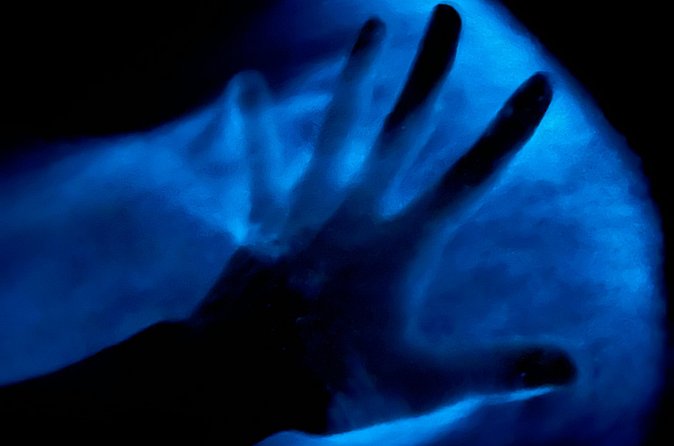
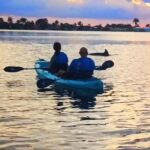
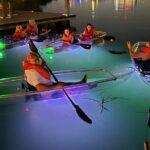
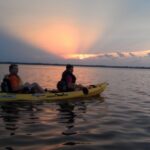
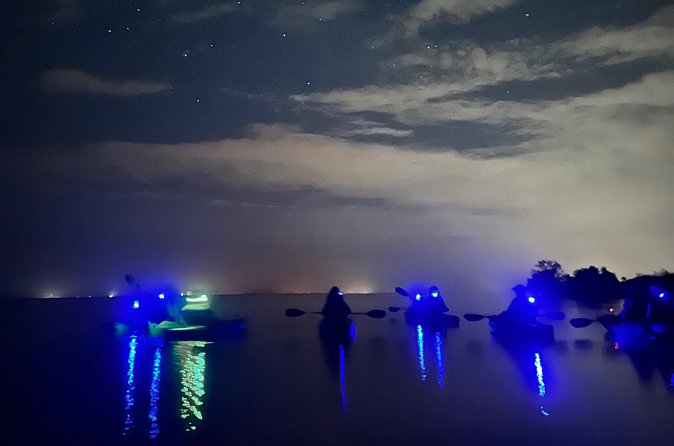
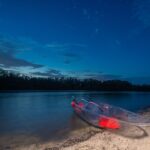
Once you’re in the kayak, the experience turns into slow, controlled motion. You’re on the lagoon at night, paddling when wildlife is most active. That timing is part of the value: evening travel often shows you more than midday does, especially in coastal ecosystems.
The glow itself is tied to microscopic algae. Since that light comes from the bottom of the food web, your best moments often come when you can clearly see below the water surface and notice changes as your paddle strokes move the water.
You’re also set up with safety gear that makes the trip feel more grounded:
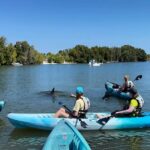
- kayak provided
- life jacket
- whistle
- safety light
That safety light is especially relevant for a night activity. It helps you stay oriented in the dark and gives you a steady reference point while you paddle.
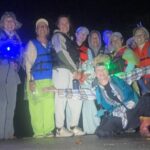
And because the group stays close together during the paddle, you’re less likely to feel disconnected. That matters if you’re going for the glow effect and want everyone in the group to have the same chance to see it well.
Price and value: is $65 for two hours worth it?
At $65 per person for about 2 hours, this is priced like a focused, small-group night activity. The value comes from three places.
First, you get the essentials for a night kayak: kayak, life jacket, whistle, and a safety light. That reduces what you need to bring or rent on your own.
Second, you’re paying for the guide-led ecosystem education. A bioluminescent experience can be “out on the water and hope for the best,” but here you’re also getting the why behind it—microscopic algae, dinoflagellates, and the way the lagoon food web connects.
Third, the group limit (max 9) is real value. For a night tour, visibility and attention matter. Smaller groups usually mean you can actually hear the guide and keep your eyes on the water, instead of spending half the evening trying to catch up.
If you’re booking ahead, you’ll also notice this runs popular. On average, it’s booked about 35 days in advance, which is a hint that good dates fill up faster in the evenings.
Who this tour fits best (and who should think twice)
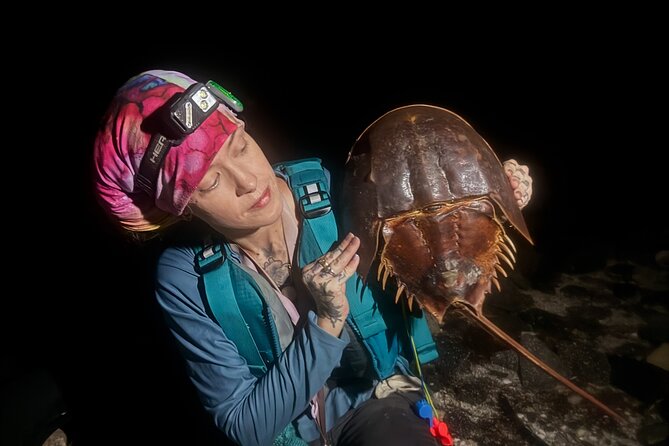
This is ideal if you want a nature experience that’s both visual and explainable. You’ll enjoy it most if you like being outside at night, you’re curious about coastal ecology, and you want more than a quick photo moment.
It also fits well if you don’t want daytime heat and crowds. Evening timing helps you keep the outing comfortable, and the small group keeps things from turning into a chaotic night scramble.
You should think twice if you’re not comfortable with moderate physical activity. The tour notes a moderate physical fitness level expectation, so take that seriously, especially at night when balance and focus matter more.
Good news if you travel with animals: service animals are allowed.
Quick practical tips for a smoother night paddle
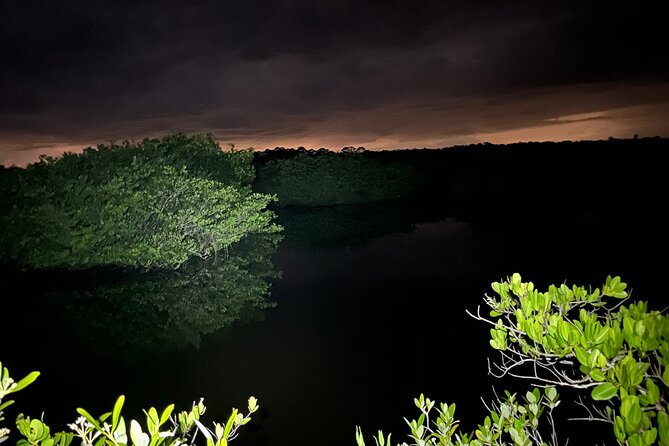
This tour is built around night conditions, so plan for what you’re told to bring. Bring bug spray for a night tour, and bring sunscreen (especially helpful if you’re also spending time in the sun before the evening slot). You’ll also want to show up with the right mindset: the glow is an ecosystem effect, not an instant light bulb.
Since it depends on good weather, keep your plans flexible. If it gets canceled due to poor weather, you’ll be offered a different date or a full refund.
FAQ
How long is the bioluminescent kayak tour?
It lasts about 2 hours.
How much does the tour cost?
It’s $65.00 per person.
Where does the tour start?
The meeting point is 501 Marina Rd, Titusville, FL 32796, USA.
What’s included with the ticket?
You get use of a kayak, a life jacket, a whistle, and a safety light.
What should I bring?
For a night tour, bring bug spray. If it’s a day tour, bring sunscreen.
Is the tour only for adults?
The provided details don’t specify age limits.
How many people are in each group?
The tour has a maximum of 9 travelers.
Is confirmation provided after booking?
You’ll receive confirmation at the time of booking.
What happens if weather is bad?
This experience requires good weather. If it’s canceled due to poor weather, you’ll get a different date or a full refund.
Can I bring a service animal?
Yes, service animals are allowed.
Should you book this bioluminescent kayak tour?
Book it if you want a night outing that mixes real science explanations with a small-group water experience. The biggest reasons to choose it are the microscopic bioluminescence focus and the guide-led ecosystem talk from a certified naturalist, plus the added bonus of Space Center night-sky views when conditions cooperate.
Skip it only if you’re not up for moderate physical effort or you hate weather-dependent outdoor plans. If you’re okay being flexible and you like seeing the world when most people stay indoors, this is the kind of tour that sticks with you.