REVIEW · NONG KHIAW
Nong Khiaw: 2-Day Trekking,Hmong village,Home Stay&Kayaking
Book on GetYourGuide →Operated by Nong khiaw Nature Tour · Bookable on GetYourGuide
Two days, and the river does the talking. This Nong Khiaw experience is built around two things I really like: learning bamboo handicrafts with village families and gliding by kayak on the Nam Ou River. It also comes with a strong sense of place because you’re hiking and moving through real countryside with the guide Bick. One possible drawback: the trek is described as moderate to challenging, so your shoes, fitness, and comfort with uneven ground matter a lot.
I like that this isn’t a quick sightseeing loop. You get a local guide in English, lunch on the first day, dinner plus village overnight, and then more village time on day two before a waterfall swim and downstream kayaking. At $80 per person, the value feels strongest if you want hands-on village culture plus nature time, not just a photo tour.
In This Review
- Key Points You Should Know
- Two Days Through Nong Khiaw Countryside and Village Life
- Starting in Nong Khiaw: Tuk-Tuk Into Ban Naluang and the Village Rhythm
- Bamboo Handicrafts With Village Families (And Why This Matters)
- Dinner, Overnight in the Village, and the Real Pace of Evening
- Day Two: Boat to Muang Noi, Cave Time, and the Phanoi Viewpoint
- Tad Mork Waterfall Swim: The Trek, the Pool, and the Reset
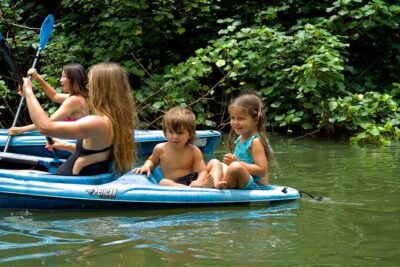
- Kayaking Down the Nam Ou: Birds, Buffalo, Fishermen, and Quiet Water
- Price and Value: What $80 Really Buys in This Two-Day Plan
- Guide and Communication: The Strength of Bick (and a Reality Check)
- Who This Tour Suits Best (And Who Should Skip It)
- What to Pack for Comfort, Safety, and Zero Regrets
- So, Should You Book This Nong Khiaw Trek and Kayaking?
- FAQ
- How long is the Nong Khiaw trekking and kayaking experience?
- What areas and villages are visited?
- What activities are included?
- Are meals included?
- Is pickup included?
- What language is the guide?
- How challenging is the trek?
- What should I bring for the tour?
- Is the tour suitable for kids or pregnant travelers?
- Are there any rules I must follow?
Key Points You Should Know
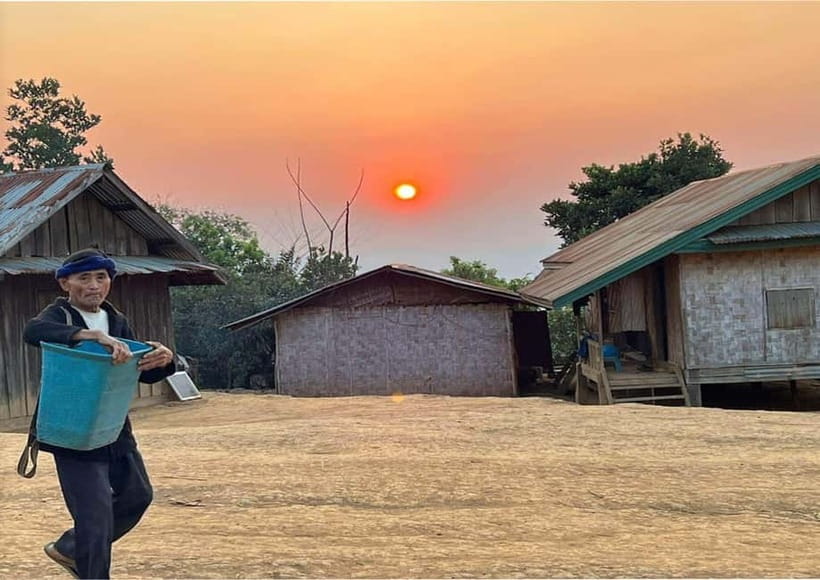
- Village stay feel: You cook and dine with villagers and sleep in the village overnight.
- Bamboo craft workshop: Hands-on learning with a local villager, not just watching.
- Real Nam Ou kayaking: Downstream paddling while you spot birds, water buffalo, and fishermen.
- Tad Mork waterfall swim: A focused trek-to-water moment, capped with a cool pool swim.
- History + viewpoints: You’ll visit a cave and the Phanoi viewpoint as part of day two.
Two Days Through Nong Khiaw Countryside and Village Life
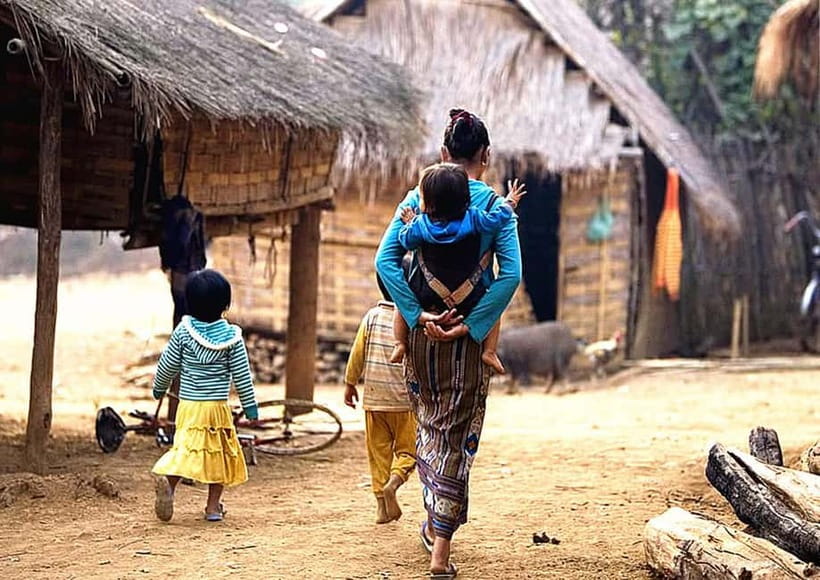
If you picture Nong Khiaw as boats and viewpoints, this tour gently nudges you into something more lived-in. The center of gravity is simple: you hike from village to village, spend the evening with families, and then spend your second day pairing history and scenery with a waterfall and kayaking.
What makes it feel worthwhile is the mix of pace. Day one is about getting to know people and learning a skill. Day two shifts into more movement—boat, cave, viewpoint, waterfall, then kayaking. It’s not a marathon, but it isn’t a stroll either. Plan for a moderate to challenging trek and pack like you’ll be walking in real terrain.
Also, this is designed for a small group setup (it’s listed as limited to 1 participant). In practice, that usually means you’ll get more personal attention from your local guide.
You can also read our reviews of more tours and experiences in Nong Khiaw.
Starting in Nong Khiaw: Tuk-Tuk Into Ban Naluang and the Village Rhythm
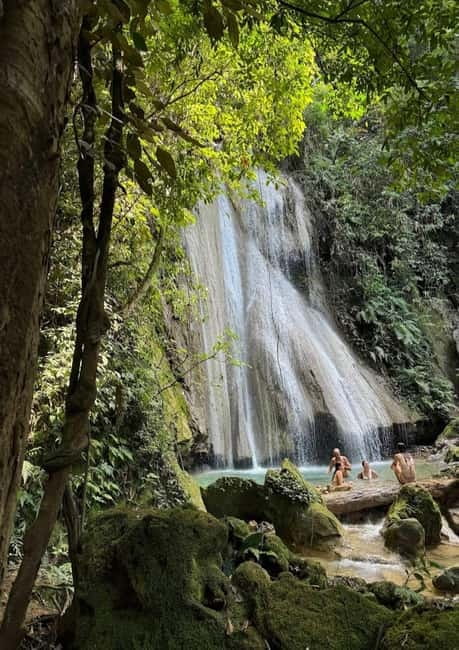
Your first day begins with a tuk-tuk ride from Nong Khiaw to the rural villages around the Nam Ou area. The stops are multiple villages, which matters because you see different daily routines without the tour turning into a single long bus ride with one stop.
You’ll start at Ban Naluang, then continue to Lao Khmu and Hmong villages. Lunch is built in during the day, with time to explore the village after you arrive. That break is important. You’re not rushing through everything at once—you get a moment to slow down, look around, and get a feel for how life is organized there.
One detail I appreciate: the tour includes time to learn rather than only passing by. The schedule gives you room to ask questions and pay attention to ordinary things—how people move through their day, how the village environment shapes daily work, and how families manage spaces together.
Bamboo Handicrafts With Village Families (And Why This Matters)
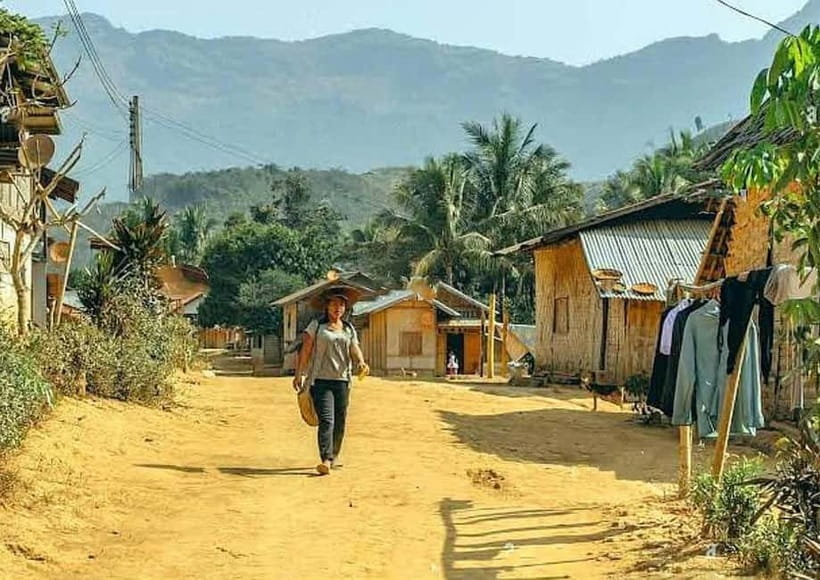
One of the standout parts is the bamboo handicraft workshop with help from a local villager. This is the kind of activity that’s genuinely more meaningful when you treat it as a conversation, not a class.
You’ll learn making bamboo handicrafts as part of the route, during the middle portion of day one when you visit Tai Lao, Khmu, and Hmong village areas. Because it’s a hands-on session, you’ll likely remember the tour more through what your hands did than through what you saw from the roadside.
A practical note: bamboo work can involve fine movements, so bring a sense of patience for your own pace. And if you’re the type who likes to take photos, do it respectfully and only when it feels right.
Dinner, Overnight in the Village, and the Real Pace of Evening
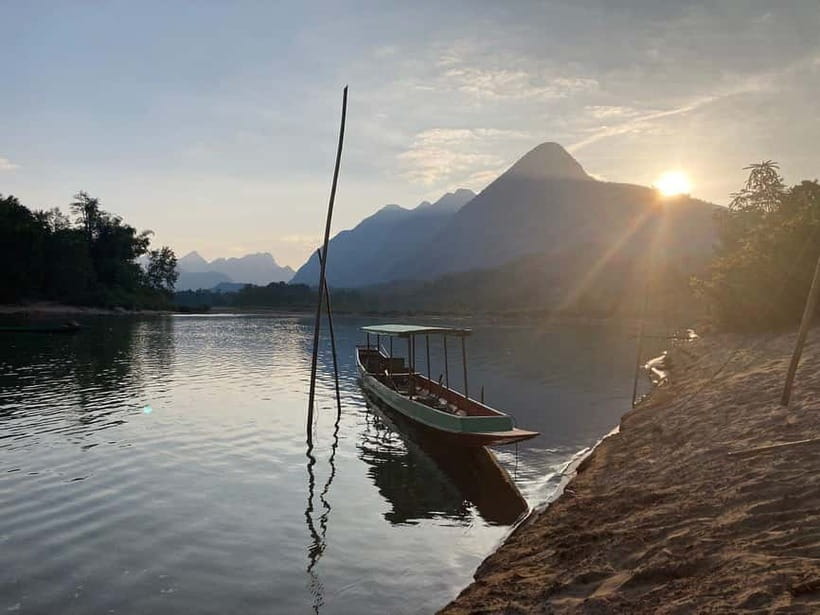
After the workshop and village time, the day turns toward community. You’ll cook and dine with villagers in the evening, then spend the night in the village.
This is where the tour really differentiates itself from standard day trips. You’re not just visiting; you’re staying long enough to catch the slower rhythm of nighttime in a rural setting. That tends to make the whole experience feel more human—less like a checklist, more like a shared day.
It’s also an area to prepare mentally. You’ll want cultural sensitivity when visiting villages, and the tour itself lists rules like not touching plants. Follow that. If you’re unsure about what’s appropriate, watching first is always the safest move.
Day Two: Boat to Muang Noi, Cave Time, and the Phanoi Viewpoint
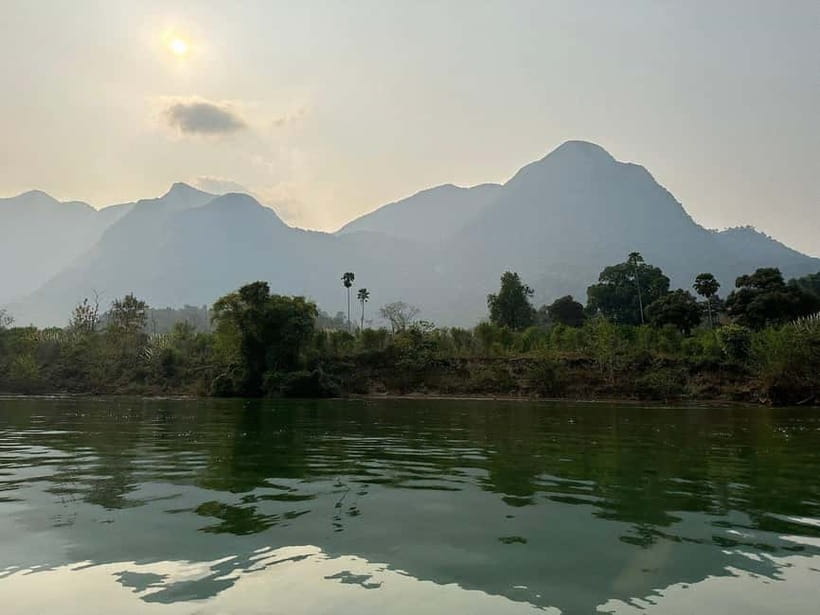
Day two starts with a boat ride to Muang Noi village. This matters because it breaks up trekking with something scenic and calmer. You’re transitioning from walking through forested areas into a more village-and-water day.
From there, the itinerary includes a visit to a historical cave and the Phanoi viewpoint. If you like a mix of stories and views, this section is a good fit. A cave visit gives you a sense that this region isn’t just about scenery—it has places where history and local meaning gather. The viewpoint is your reward moment: time to step back, look out, and feel how the Nam Ou area fits together.
After that, you’ll walk around Muang Noi, then have lunch and continue to Sopkong village. That added village transfer keeps day two feeling active instead of turning into a single long stop.
Tad Mork Waterfall Swim: The Trek, the Pool, and the Reset
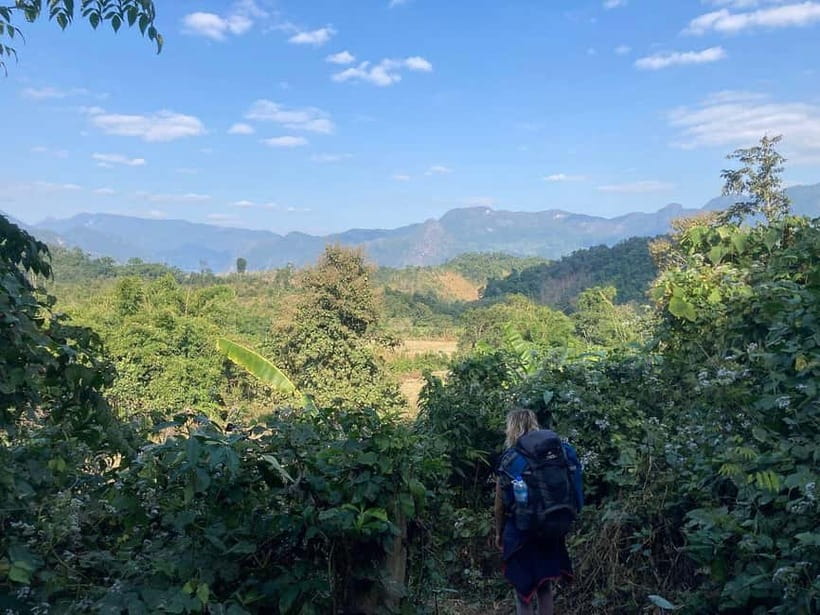
After Sopkong, you’ll trek for about 1 hour to Tad Mork Waterfall. One hour on trails can feel shorter than you think, but it’s still a real hike—so keep your pace steady and don’t burn energy too early.
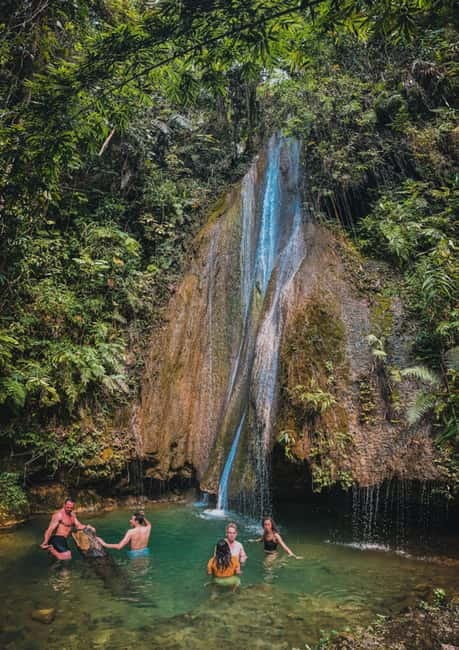
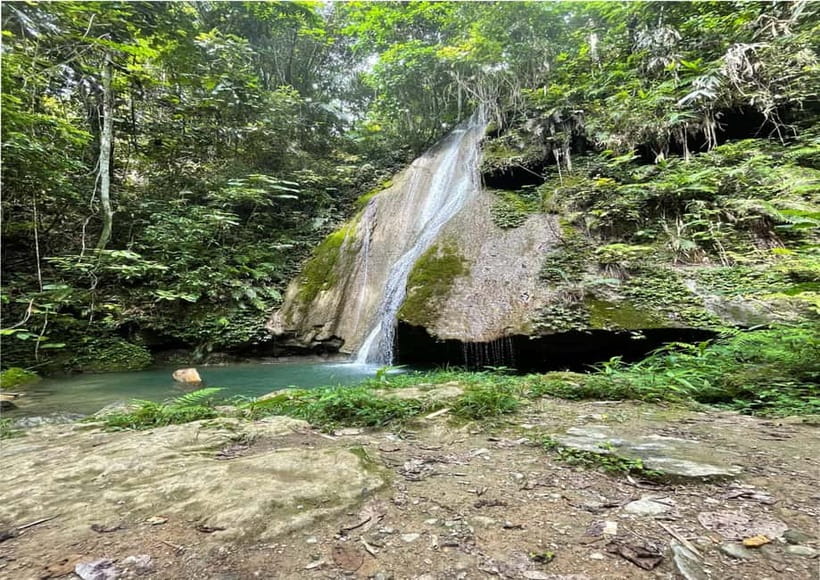
The main payoff is the chance to swim in the waterfall pool. This is why you pack swimwear and a towel. If you’re wondering whether it’s worth it, think of it like a reset button: the day gets more active (cave, viewpoints, villages), and then the waterfall turns it into something refreshing and physical.
Just as importantly, it’s a natural break where the tour returns to the outdoors. That helps you remember the Nam Ou area as a living system, not just a route between villages.
Kayaking Down the Nam Ou: Birds, Buffalo, Fishermen, and Quiet Water
Once you return to the river bank, you’ll go kayaking downstream on the Nam Ou River. This is your final big nature moment, and it’s also the part that often leaves the clearest final impression.
The tour includes the chance to spot lots of animal life: many bird species, water buffalo, and fishermen. Even if you don’t spot every single thing, the point is the feel of moving slowly with the current.
Kayaking is also a smart choice for a last act because it slows your pace. After trekking and walking all day, quiet paddling lets everything settle. It’s the opposite of rushing, and it’s a great way to end the experience without leaving you exhausted.
Price and Value: What $80 Really Buys in This Two-Day Plan
At $80 per person for 2 days, the value is strongest if you want guided rural time with real inclusions.
Here’s what’s covered:
- Local guide
- Lunch on day one
- Dinner on day one
- Village overnight accommodation
- Visits to remote villages
- Trekking through primary forest areas
- Bamboo handicraft workshop
- Swimming at Tad Mork Waterfall
- Kayaking on Nam Ou River
What you’re not paying extra for (based on the listed inclusions) is also the point. You’re not piecing together transportation, meals, and activities separately. Instead, you’re getting a ready-made program that includes the overnight and the key activities that would otherwise cost time and planning.
In plain terms: this price works when you want a guided, all-in package to remote areas where the logistics can be harder than in bigger towns.
Guide and Communication: The Strength of Bick (and a Reality Check)
The guide quality is a major factor in how smoothly this tour runs. In the provided reviews, Bick stands out as cheerful and easygoing, with a knack for teaching about the land, people, and local history.
That said, one review raised a communication issue—English explanations can be less clear than you might hope. If you’re the type who wants deep explanation about daily village life, you might want to ask direct questions during the day and be ready to use simple language.
Either way, your job as a guest is easy: be respectful, stay engaged, and don’t be afraid to ask for clarification.
Who This Tour Suits Best (And Who Should Skip It)
This one is best for people who enjoy walking, can handle uneven ground, and are comfortable spending a real night in a village setting.
It’s listed as not suitable for:
- children under 8
- pregnant women
- people with back problems
- people with mobility impairments
- wheelchair users
Also, because it’s moderate to challenging terrain, this isn’t ideal if you hate hiking for more than short stretches. The good news: the plan is structured, with rest built around meals and village stops.
If you’re traveling with limited hiking stamina but still want the village and river mix, be honest with yourself about your comfort level. Boots and pacing matter more than willpower.
What to Pack for Comfort, Safety, and Zero Regrets
Use the included guidance as your base list, and add a little common sense.
Bring:
- Comfortable shoes with grip
- Hat
- Swimwear and towel (waterfall swim day)
- Camera
- Sunscreen
- Snacks (helpful on long stretches)
- Sunscreen and insect repellent
- Water (a refillable bottle is a smart move)
- Comfortable clothes
Also remember the rules: no smoking or alcohol/drugs, no littering, and don’t touch plants. Those rules aren’t just for formality—they protect both you and the place you’re visiting.
So, Should You Book This Nong Khiaw Trek and Kayaking?
If you want a two-day plan that combines village culture, a hands-on bamboo workshop, a waterfall swim, and Nam Ou kayaking, this is a strong match. The biggest “yes” signal is that the program includes time for real village contact, not just quick stops.
I’d especially recommend it if:
- you enjoy moderate hiking and nature time
- you like learning through doing (bamboo craft)
- you want the Nam Ou River experience in a slower, quieter way
I’d think twice if:
- walking is a problem for you due to mobility or back issues
- you expect very detailed, consistently clear English explanations at every village stop
- you want a purely easy, low-effort itinerary
If you’re on board with the hiking part, this tour gives you a memorable blend of people, river, and forest—exactly the kind of trip that sticks.
FAQ
How long is the Nong Khiaw trekking and kayaking experience?
It’s a 2-day experience.
What areas and villages are visited?
The itinerary includes visits to remote villages such as Ban Naluang Lao, Khmu, and Hmong, plus Tai Lao, Muang Noi, and Sopkong.
What activities are included?
Included activities are trekking, a bamboo handicraft workshop, visiting a historical cave and Phanoi viewpoint, swimming at Tad Mork Waterfall, and kayaking on the Nam Ou River.
Are meals included?
Yes. The tour includes lunch and dinner, plus your overnight accommodation in a village.
Is pickup included?
Pickup is included within Nong Khiaw city, limited to locations or hotels within 5 kilometers. You need to be at the pick-up location.
What language is the guide?
The live tour guide is listed as English.
How challenging is the trek?
It’s described as a moderate to challenging trek, and comfortable, suitable footwear is essential.
What should I bring for the tour?
Bring comfortable shoes, a hat, swimwear, a towel, camera, snacks, sunscreen, water, comfortable clothes, and insect repellent.
Is the tour suitable for kids or pregnant travelers?
No. It is not suitable for children under 8 or pregnant women.
Are there any rules I must follow?
Smoking and alcohol/drugs are not allowed, and you must avoid littering and touching plants.
—
If you tell me your hiking comfort level (easy/moderate/challenging), I can help you sanity-check whether this one fits you best.