REVIEW · CHATTANOOGA
Sandhill Crane Kayak Tour with Chattanooga Guided Adventures
Book on Viator →Operated by Chattanooga Guided Adventures · Bookable on Viator
Kayaking with cranes feels unreal. This Sandhill Crane Kayak Tour with Chattanooga Guided Adventures is built for winter bird-nerds and nature curious folks alike: you paddle where the cranes pause, then you slow down and watch them close. My favorite part is the small group size (max 8), which keeps the whole outing calm and gives your guide an easier time finding active crane pockets.
I also love that you do not have to scramble for equipment. You get the kayaks, cold-weather gear, and binoculars, so you can focus on the real point of the trip: hearing the cranes and spotting them while they feed and roost in warmer water. One thing to keep in mind is that this is not a guarantee of huge numbers on every outing, so if you expect a sky-filling, thousands-on-thousands spectacle, you may feel let down.
In This Review
- Key highlights you’ll care about
- Why winter sandhill crane kayaking near Chattanooga is a smart idea
- Your 3-hour guided paddle: what the outing feels like on the water
- What’s included: kayaks, cold-weather gear, and binoculars
- Where you’ll start in Birchwood (1:30 pm) and what to know before you go
- Crane-watching reality check: dozens to hundreds, plus a few big surprises
- The “best winter paddling trip in the area” claim—what you should judge it by
- Who should book this kayaking-and-birds experience (and who might skip it)
- Eco-value and small-group ethics: why kayaking feels better than shore-only spotting
- Should you book the Sandhill Crane Kayak Tour with Chattanooga Guided Adventures?
- FAQ
- How long is the Sandhill Crane Kayak Tour?
- Where does the tour start?
- What time does the tour begin?
- When is the tour offered?
- What language is the tour in?
- What wildlife will I be looking for?
- What’s included with the tour?
- How big are the groups?
- What is the cancellation policy?
Key highlights you’ll care about
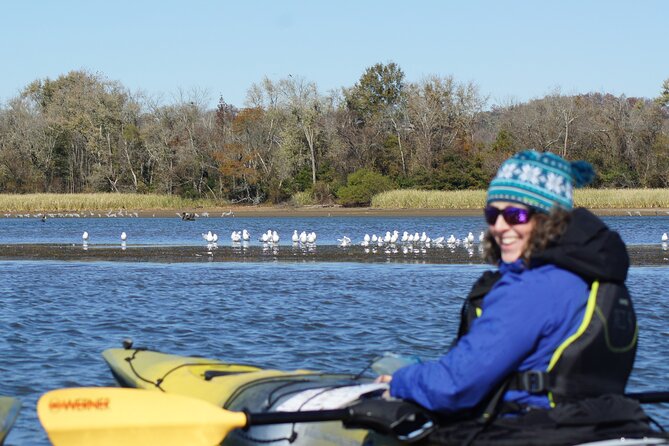
- Small groups (up to 8) for quieter paddling and easier wildlife spotting
- Winter timing (Nov to mid-February, Thu–Sun) during the sandhill crane migration window
- Gear included: kayaks, cold-weather gear, and binoculars
- Ecosystem focus: shallow warm Tennessee River waters where cranes feed and nest
- Realistic wildlife expectations, with chances for dozens (sometimes more) and occasional eagles or great blue herons
Why winter sandhill crane kayaking near Chattanooga is a smart idea
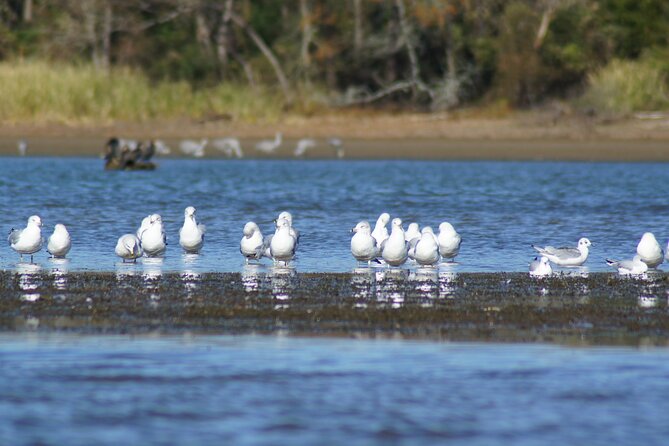
This tour targets a rare seasonal overlap: sandhill cranes leaving harsher northern winter zones and settling into milder stopovers. Chattanooga Guided Adventures runs this winter paddling experience during the crane migration stretch—Thursday through Sunday, from November through mid-February. That timing matters, because your best crane sightings come when birds are actively present and using the river for food and shelter.
The main reason I like this setup is that it puts you in the cranes’ world, not behind it. Kayaks slow your movement down and lower your visual impact. You are not scanning from a far-off platform. You are out on the same water the cranes use, which makes listening and watching feel more connected and less like a checklist.
And yes, this is also just fun. Winter trips can either be miserable or delightful. This one is designed to be the delightful kind: you get cold-weather gear and a guided plan, so you spend more time observing and less time worrying.
You can also read our reviews of more tours and experiences in Chattanooga.
Your 3-hour guided paddle: what the outing feels like on the water
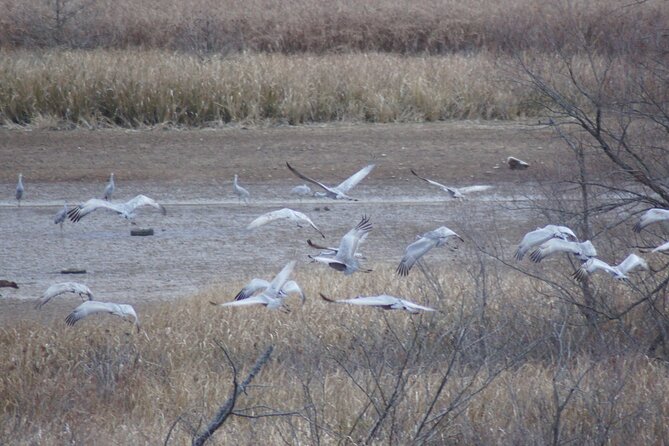
The tour runs about 3 hours and returns to the same meeting point. That length is long enough for a real wildlife window, but short enough that most people can handle it even in cooler weather.
Here is what you can expect from the experience flow based on how it is described:
- You meet and get ready, then head out with your guide.
- The focus stays on crane sighting and crane behavior in their winter setting.
- You spend the bulk of the time on the water using binoculars to watch without crowding.
- You wrap up and paddle back to finish where you started.
The guided part is important. Sandhill cranes can be easy to miss if you do not know what to look for (and when to look). A good guide helps you shift from random scanning to purposeful watching—where to point your binoculars, how to notice movement and calls, and how to stay quiet and patient while birds are active.
Also, the “eco” framing here is not just marketing. Kayaking in winter habitat can be a respectful way to view wildlife because you control your pace and stay low-impact compared with larger boats or shore crowds.
What’s included: kayaks, cold-weather gear, and binoculars
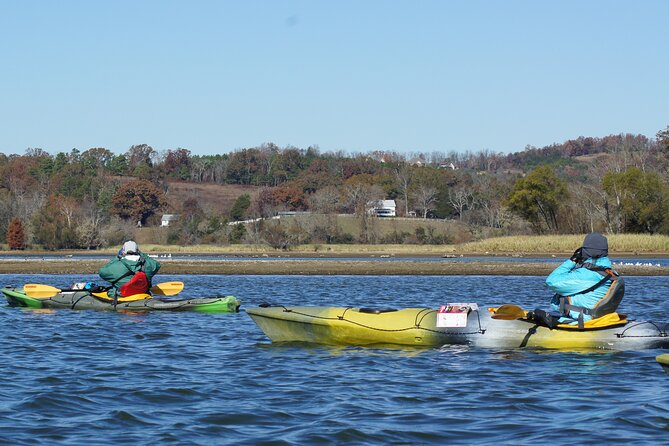
One practical win: this trip supplies a lot of the gear load. You receive:
- Kayaks
- Cold-weather gear
- Binoculars
That changes the trip’s value equation. Instead of spending your morning piecing together rentals and thrift-store survival gear, you show up and get set for the conditions. It also makes the experience more accessible for people who want to try kayaking but do not want to buy all the cold-weather basics first.
Because cold gear is included, you can plan smarter with clothing. You should still dress for a winter outing on the water, but you will likely be able to avoid overthinking heavy purchases. If you are the type who always brings a backup layer, bring it—but do not assume you need to reinvent your winter wardrobe.
Where you’ll start in Birchwood (1:30 pm) and what to know before you go
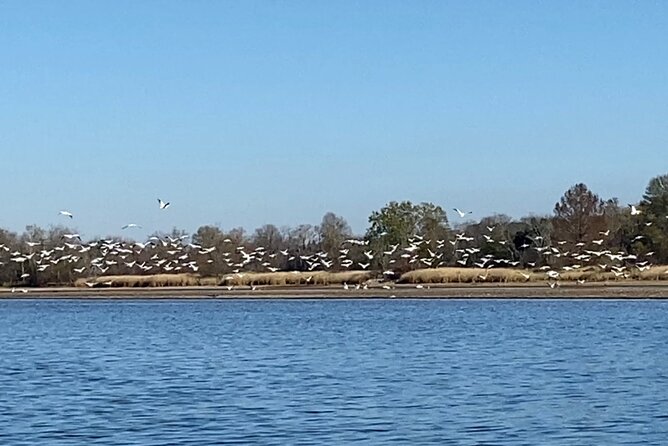
The tour meeting point is the Cherokee Removal Memorial, 6615 Blythe Ferry Ln, Birchwood, TN 37308. Start time is 1:30 pm, and the trip ends back at that same location.
A good travel rule for wildlife tours: arrive with a clear plan for your timing. Because this is offered in a tight seasonal window and runs only Thu–Sun, you want to treat the start time seriously. Being late can cut into prep time and can also stress you out before you even reach the water—which is the last mood you want when you’re trying to hear crane calls.
You also want to be mentally ready for a winter day that is more about patience than spectacle. Sandhill crane watching often works like this: you notice small changes, then behavior builds—calls, movement, and the kind of crane “dancing” people come for. The guide’s job is to help you catch those moments as they happen.
One more logistical note: you get a mobile ticket, and confirmation is sent at booking. So you should plan to have your phone accessible during check-in.
Crane-watching reality check: dozens to hundreds, plus a few big surprises
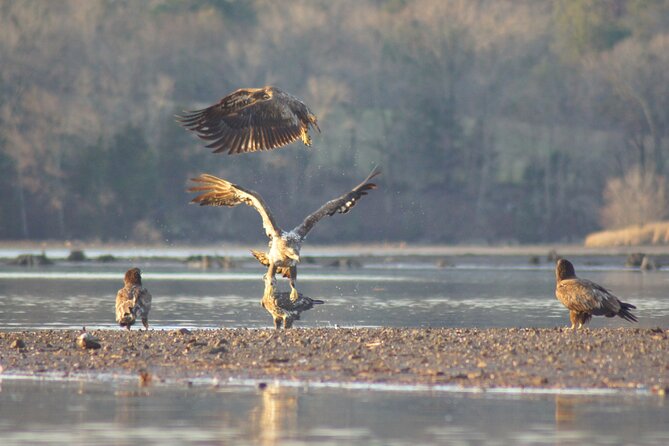
Let’s talk expectations, because the review-style feedback you should take seriously is this: reality beats fantasy. If you come expecting an always-on wall of cranes like a nature movie, you might feel disappointed.
Here’s the more reliable way to think about it:
- The tour is designed for spotting sandhill cranes during their brief Chattanooga winter presence.
- You may see dozens, and sometimes possibly hundreds, depending on the day.
- You might also spot other wildlife, including eagles and great blue herons.
That does not make the trip any less special. In fact, it’s usually the sweet spot. Watching dozens of cranes up close—hearing calls, seeing head-bobbing movement, observing feeding behavior—can feel more intimate and memorable than counting a massive flock you can barely perceive.
Also, the tour description points out that the cranes are in their warmer winter environment to escape brutal cold further north. That means the birds are actively using the river area for food and shelter. The viewing window is not just “look for birds.” It is watching birds do bird things—feeding and roosting—and learning their winter rhythm by observing them from your kayak.
Finally, the shallow warm water of the Tennessee River is the magnet. The river provides nesting and feeding areas in winter, which increases the odds that you will see cranes using the same zones over time.
The “best winter paddling trip in the area” claim—what you should judge it by
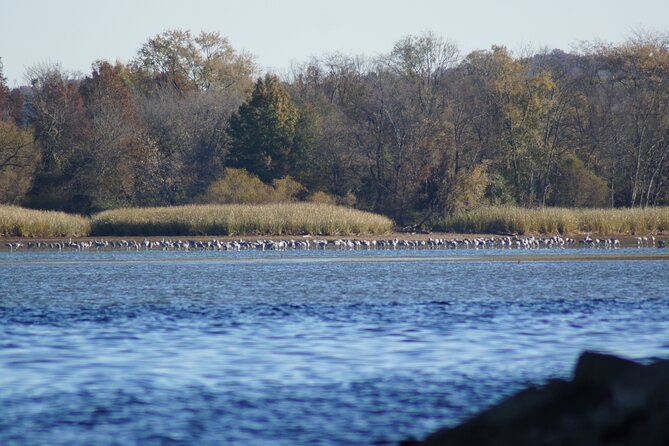
The experience is described as the best winter paddling trip in the area. I treat that kind of claim like a challenge question: what would make it true on your day?
For me, it comes down to four measurable things you can feel quickly once you’re on the water:
- How close the viewing feels (not distance-only scanning)
- How steady the pace is (slow enough to watch, not rush past)
- How much your guide can help you notice behavior
- How comfortable you feel in cold conditions since gear is included
A group capped at eight helps with the first two. Smaller groups tend to move more quietly and spread out less, so your odds of disturbed wildlife go down.
Then there is the sound component. The tour highlights the chance to hear crane calls and see their dances during winter. Wildlife experiences can be visual-only. This one is set up to be audio-plus-visual, which often makes the whole outing feel richer even on days with fewer birds.
Who should book this kayaking-and-birds experience (and who might skip it)
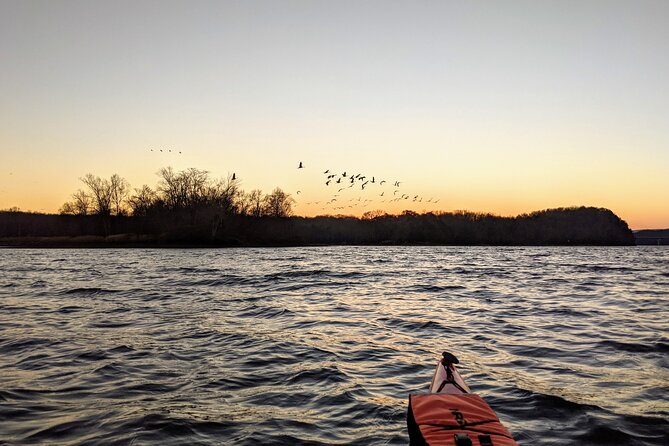
This tour suits people who want a low-key winter adventure with a clear focus: wildlife viewing from a kayak. If you like nature walks, birdwatching, or “quiet outdoors with a goal,” you’ll likely enjoy the format.
It is also a great fit if you want a social outing without the chaos. The small max group size makes it easier to talk with your guide and meet new people without feeling like you are stuck in a crowd.
If you are chasing a guaranteed mind-blowing crane count, you may want to recalibrate. The experience can still be excellent even when crane numbers fluctuate. But wildlife is wildlife. Weather and day-to-day crane movement matter.
Eco-value and small-group ethics: why kayaking feels better than shore-only spotting
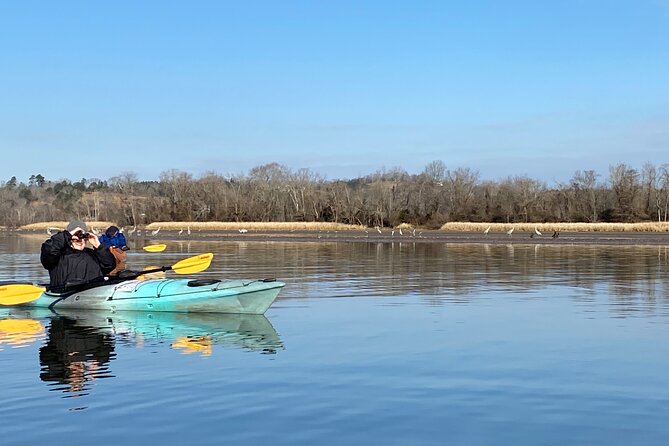
Even if you are not an environmental activist, you probably notice how different it feels to watch animals from water. Kayaks let you approach slowly and keep a lower footprint than shore-based crowds that may unintentionally spread people out and change animal behavior.
This tour’s setup—small group, guided viewing, and winter timing—leans toward a respectful viewing approach. Plus, your binoculars help you watch without needing to close the distance in a way that could disturb birds.
That combination is a big part of why this kind of outing feels like more than entertainment. It is closer to learning the landscape and the animals’ winter priorities, even though you are only out for about three hours.
Should you book the Sandhill Crane Kayak Tour with Chattanooga Guided Adventures?
I would book this tour if you want a winter paddle with a wildlife mission and you like realistic nature expectations. The biggest reasons to choose it are practical: small groups, binoculars included, and cold-weather gear included, paired with guided help to watch for crane calls and behavior in the winter migration window.
I would think twice if your main goal is a specific, huge crane count. This is not marketed like a guarantee of thousands on demand. The more reliable promise is a guided winter kayak experience where you’ll likely see meaningful crane activity—sometimes more than you expect—while staying comfortable enough to actually enjoy it.
If you are the type who enjoys getting off the couch and trying something active that also teaches you how to watch wildlife better, this is a strong pick for a cold-weather weekend.
FAQ
How long is the Sandhill Crane Kayak Tour?
It’s about 3 hours.
Where does the tour start?
The tour starts at Cherokee Removal Memorial, 6615 Blythe Ferry Ln, Birchwood, TN 37308, USA.
What time does the tour begin?
The start time is 1:30 pm.
When is the tour offered?
It runs Thursday through Sunday, from November through mid-February during the winter migration.
What language is the tour in?
The tour is offered in English.
What wildlife will I be looking for?
The main focus is sandhill cranes during their brief winter appearance in Chattanooga. The tour also notes the possibility of seeing eagles and great blue herons.
What’s included with the tour?
Kayaks, cold-weather gear, and binoculars are included.
How big are the groups?
The maximum group size is 8 travelers.
What is the cancellation policy?
You can cancel for free up to 24 hours in advance for a full refund. If you cancel less than 24 hours before the start time, the amount paid is not refunded. The tour may also be canceled due to poor weather, in which case you’ll be offered a different date or a full refund.