REVIEW · MAUI
Semi Private Stand Up Paddle Boarding (SUP) Class at Kalama Beach in Kihei
Book on Viator →Operated by Surf Club Maui · Bookable on Viator
A SUP lesson can turn Maui into your classroom. At Kalama Beach Park in Kihei, this semi-private class blends a quick safety talk on land with real time on the water. You’ll get hands-on coaching and a chance to carry those new skills into the rest of your trip.
I love that you start with a clear, structured lesson in the park before anyone pushes you onto a board. I also like that the crew shows up ready with the essentials—reef shoes and a rash guard surf shirt—so your “first time” doesn’t turn into a gear scavenger hunt.
One key consideration: you must be able to swim in the ocean. If you arrive unable or uncomfortable in deep water, the lesson is canceled and there’s no refund.
In This Review
- Quick Hits Before You Paddle
- Kalama Beach in Kihei: Why This Setup Works for First-Timers
- The 90 Minutes You’ll Actually Spend: Safety, Theory, Then Water
- Semi-Private in Real Life: You Keep Your People, Up to 6
- Your Instructor Moment: What Coaching Looks Like on Maui
- Gear You Don’t Have to Hunt Down: Reef Shoes and Rash Guard Included
- The Ocean Reality Check: Swim Comfort Is Non-Negotiable
- Price and Value at $140: What You’re Really Buying
- Where It Fits Best in Your Maui Trip
- Before You Go: Simple Prep That Makes the Lesson Easier
- Who Should Book This SUP Class—and Who Might Skip It
- Should You Book? My Take
- FAQ
- How long is the semi-private SUP class?
- Where do I check in?
- Is this class really semi-private?
- What gear is included?
- Do I need to sign a waiver?
- Do I need to be able to swim?
- What should I bring?
- Are changing rooms or showers available?
- What if the weather is poor?
- What’s the cancellation and refund timeline?
Quick Hits Before You Paddle
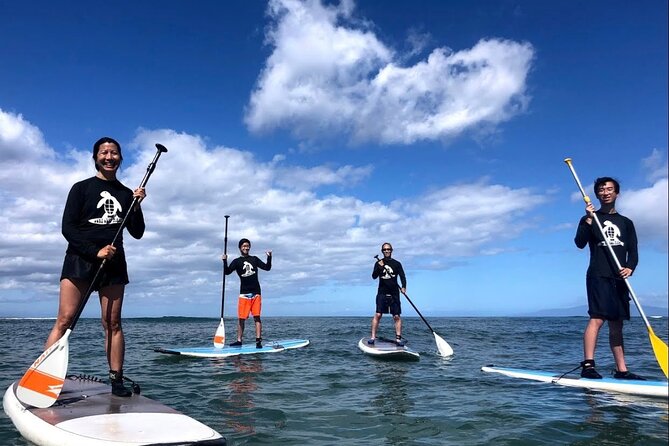
- Semi-private, not mixed groups: your group stays with your family and friends only.
- Max 6 travelers: small by design, so coaching stays personal.
- Start on land, then water: safety rules and theory first, paddling after.
- All key gear included: you get outfitted with reef shoes and a rash guard.
- Beginner-friendly, swim-ready required: great for first-timers who are comfortable in the ocean.
Kalama Beach in Kihei: Why This Setup Works for First-Timers
Kalama Beach Park is a smart place to learn because it’s built for water activities and set up for easy check-in and coaching. The class runs like a real skill session, not a casual “stand there and hope” vibe. You’ll go from learning how SUP works to actually feeling what balance and paddle rhythm are like—fast.
What makes this experience click for me is the way the coaching is timed. You don’t just drop people into the water and cross your fingers. You get an on-land foundation first: safety rules, basic theory, and what to expect once you’re actually on a board. Then the instructors take over and guide you out into the session.
Also, the whole tone stays practical. Even the requirement that you arrive well rested and hydrated is part of the learning plan. SUP is physical. If you show up tired or under-hydrated, your balance and paddle control will suffer. The class is designed to help you move quickly, so you’ll want your body to cooperate.
You can also read our reviews of more tours and experiences in Maui.

The 90 Minutes You’ll Actually Spend: Safety, Theory, Then Water
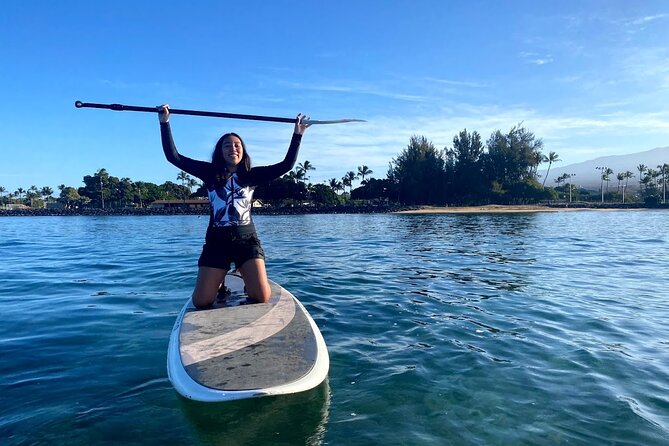
This is an about 1 hour 30 minutes session, and it moves in a logical order.
First, you’ll check in at Surf Club Maui at Kalama Beach Park (they use their Surf Club Maui van). You’ll get outfitted with reef shoes and a rash guard surf shirt, which is great for comfort and sun protection. Reef shoes matter because the ocean can mean slippery surfaces and sharp stuff underfoot. A rash guard helps you stay comfortable during paddling and avoids the “sand + salt + sun” combo getting under your skin.
Next comes the part that makes a huge difference for beginners: the lesson in the park. Expect to go over safety rules and the basics of stand-up paddleboarding—how to hold your paddle, how to manage your stance, and how to think about what your body is doing. For many people, the first breakthrough is realizing SUP isn’t just standing. It’s controlling your balance while timing your paddle strokes.
Then you’ll head out with your instructors. That’s where you learn to apply what you just practiced. The goal isn’t to turn you into an expert. It’s to get you up, moving, and confident enough that you can paddle on your own later in your trip.
You’ll also want to listen closely to the coach’s signals during the water time. One review specifically calls out how the instructor checked in regularly and helped each person individually. That kind of feedback is exactly what you want on your first attempt.
Semi-Private in Real Life: You Keep Your People, Up to 6
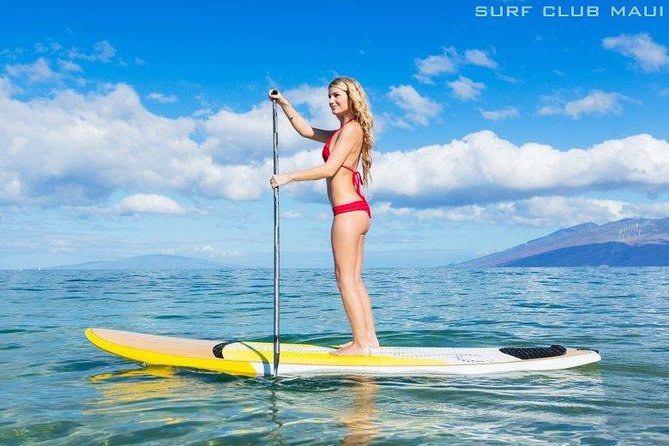
“Semi-private” can mean different things in the tourism world. Here, it’s clearly defined: semi-private is only available for your family and friends. They also state they do not put semi-private groups together.
That matters because SUP is personal. Your balance, your confidence level, and how quickly you catch on can vary a lot—even within the same family. When your group stays together, the instructor can adjust pacing and attention without juggling strangers with different comfort levels.
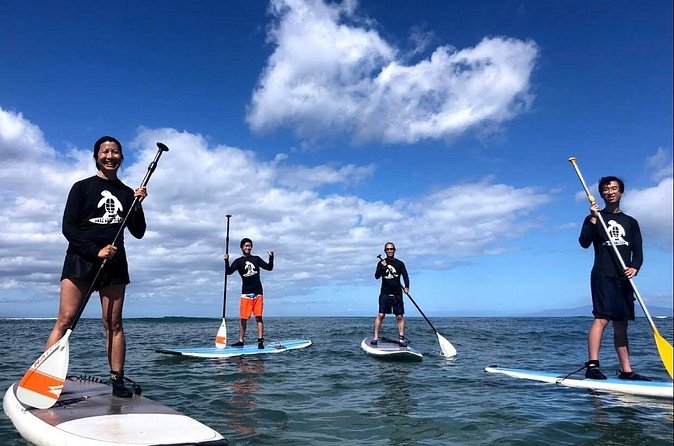
With a maximum of 6 travelers, this setup stays small. In a class that size, you’re not just another body in the lineup. You should get more direct help, especially at the start when standing up and finding stability is the big challenge.
The reviews reinforce this. A first-time class that ended up being just a family of three highlights how instructors can give each person individual attention. If you’re traveling with kids, a partner, or friends and you want a shared activity without random mixing, this is the kind of semi-private structure that helps.
Your Instructor Moment: What Coaching Looks Like on Maui
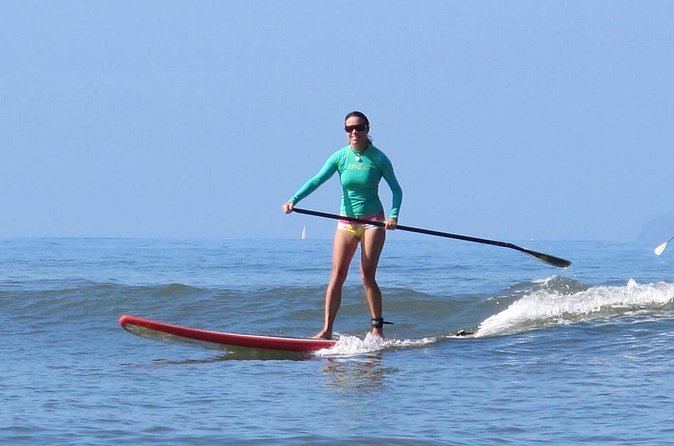
Good SUP instruction isn’t about yelling tips over waves. It’s about timing and patience. That’s exactly what people highlight.
One shout-out goes to Turtle, described as a great instructor who helped three beginners learn at their own pace. Another review thanks Anton for patience and for sharing interesting details about the area and sea life. Those kinds of added facts aren’t required for learning, but they make the session feel like a guided experience, not just a workout.
Then there’s Mike, who’s described as super patient and very helpful during a first-time class. And David gets mentioned in a review where the group switched to surfing instead of SUP. Even with that switch, the takeaway was consistent: the coaching worked for beginners and the spot was friendly for learning.
So if you’re nervous about looking awkward on a board, you’ll probably feel better knowing the instructors are trained for first-timers and willing to slow down. That kind of patience is worth a lot when you’re trying something new.
Gear You Don’t Have to Hunt Down: Reef Shoes and Rash Guard Included
One of the simplest ways to judge value is to look at what you’re not responsible for. In this class, you’re provided with the essential on-water basics: all necessary equipment, plus they outfit you with reef shoes and a rash guard surf shirt.
That’s not a small detail. When gear is included:
- You save time before the session.
- You reduce decision fatigue.
- You avoid the risk of showing up with the wrong fit or the wrong footwear.
Also, rash guards and reef shoes can make you more willing to spend time on the water instead of constantly adjusting uncomfortable gear. For beginners, comfort helps you focus on balance and paddle technique.
And since the experience includes free parking and uses a clear check-in location, you shouldn’t lose time trying to figure out logistics right before you’re supposed to learn.





The Ocean Reality Check: Swim Comfort Is Non-Negotiable
Here’s the safety requirement you should treat as the cornerstone of your decision: all students must be able to swim in the ocean.
They also warn that if you show up unable or not comfortable in deep water, the lesson will be canceled and there’s no refund. That’s strict, but it’s also fair. SUP lessons happen in an ocean environment, and comfort levels vary.
If you’re a strong swimmer but still feel nervous about cold water, surf conditions, or getting out past where you can touch, you’ll want to be honest with yourself. The class is designed for beginners and people with paddling experience, but it still assumes you can handle being in open water.
They also include guidance to report pain or unusual sensations like tingling or numbness, and to stop the activity if those show up. That’s not something you want to test yourself on. If you have any concerns, communicate them early.
Price and Value at $140: What You’re Really Buying
At $140 per person for about 1.5 hours, this isn’t a budget impulse purchase. But it can be good value if you look at what’s included and what you’re trying to accomplish.
You’re paying for:
- Coaching (not just a rental board)
- Equipment (including key items for comfort and safety)
- Small group attention (max 6)
- A session structure that starts with teaching and ends with real practice
- A setup that helps you learn enough to use SUP during the rest of your trip
If you’ve ever rented gear on vacation and then spent the next hour wobbling around without any guidance, you know why instruction matters. This class is built to compress learning time. You get to the point where the rest of your Maui days can include paddling with confidence.
There’s also a practical angle: the crew provides a waiver link and a straightforward start location, which reduces stress right before your session. Less stress often means better learning.
Finally, you can cancel for a full refund up to 24 hours before the start time, and if the activity is canceled due to poor weather, you’ll be offered another date or a full refund. Weather is part of ocean activities, so having that safety net can make it easier to book.
Where It Fits Best in Your Maui Trip
This class is a great early-trip activity because it gives you skills you’ll use again. Learn once here, then you can paddle on your own later—without starting from zero.
It also fits well if you want an activity that’s:
- Active but not overly long
- Beginner-friendly with instruction
- Scenic and ocean-based, without being “all-day”
- Social, since semi-private is limited to your own group
One thing to plan around: they recommend moderate physical fitness. That doesn’t mean athletes only—it means you should be ready to stand, paddle, and manage core balance for about an hour on the water.
And if you’re traveling with family or friends, the semi-private approach can make it feel like a shared outing rather than a classroom with strangers.
Before You Go: Simple Prep That Makes the Lesson Easier
If you only do two things, do these:
1) Arrive well rested
2) Hydrate well
The instructions are direct: be well rested and drink plenty of water before your session. You’ll also want to show up prepared for the ocean. That includes being ready to swim.
Bring cash for gratuity too. They specifically ask you to bring some cash for a tip for your instructor. It’s a small detail, but it’s the kind of thing that can spoil your last-minute calm if you forget.
You can also use the changing rooms and showers available at the location. That’s helpful if you’re heading off to lunch or back to your hotel right after.
Who Should Book This SUP Class—and Who Might Skip It
You’ll probably love this class if:
- You’re new to SUP and want instruction that gets you up and paddling
- You want small-group coaching rather than a big group lesson
- You’re traveling with family or friends and want a semi-private experience that stays together
- You’re comfortable swimming in the ocean and can handle open water
You might reconsider if:
- You cannot swim in the ocean or you know you won’t feel comfortable in deep water
- You’re dealing with injuries or pain and aren’t sure you can safely paddle (the class asks you to report issues and stop if symptoms show up)
If your main goal is to get a board rental and guess your way through, this may feel like more cost than you need. But if your goal is learning and confidence—fast—then this class is a smart use of time.
Should You Book? My Take
I’d book this SUP class if you want a structured first lesson in a small semi-private setting. The biggest reasons are the things you can feel right away: coaching that supports beginners, gear handled for you, and a semi-private format that keeps your group together instead of mixing strangers.
The only hard stop is the swim requirement. If you’re comfortable in the ocean and ready to put in some basic effort, this class is a strong value for your Maui time because it teaches you skills you’ll likely use again during your trip.
FAQ
How long is the semi-private SUP class?
It runs about 1 hour 30 minutes.
Where do I check in?
Check in is at Kalama Beach Park at the Surf Club Maui van. The starting point is Surf Club Maui, 1900 S Kihei Rd, Kihei, HI 96753.
Is this class really semi-private?
Yes. Semi-private is only available for your family and friends, and they do not put semi-private groups together. The experience also has a maximum of 6 travelers.
What gear is included?
All necessary equipment is included, and you’ll be outfitted with reef shoes and a rash guard surf shirt at check-in.
Do I need to sign a waiver?
Yes. You’ll receive a link to an online waiver form to sign before your lesson.
Do I need to be able to swim?
Yes. All students must be able to swim in the ocean. If you show up and can’t swim or aren’t comfortable in deep water, the lesson will be canceled and no refund is given.
What should I bring?
Bring cash for a gratuity (tip) for your instructor. You should also be well rested and hydrated before the session.
Are changing rooms or showers available?
Yes, changing rooms and showers are available.
What if the weather is poor?
This experience requires good weather. If it’s canceled due to poor weather, you’ll be offered a different date or a full refund.
What’s the cancellation and refund timeline?
You can cancel up to 24 hours in advance for a full refund. Within 24 hours, the amount you paid is not refunded.