REVIEW · SARASOTA
Siesta Key: Mangrove Kayak or Paddleboard Tour
Book on GetYourGuide →Operated by SURFit USA · Bookable on GetYourGuide
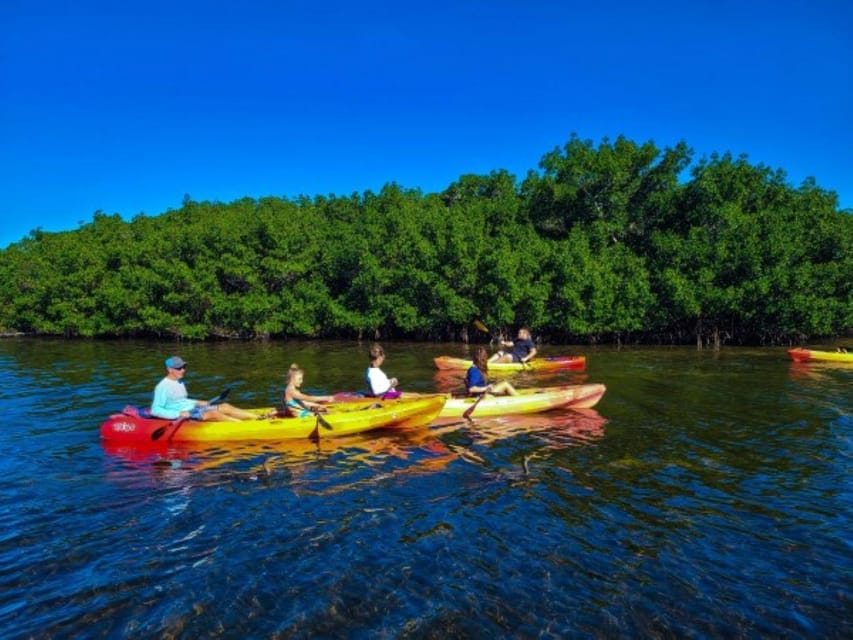
The mangroves here feel like a living maze. I love the chance to paddle through mangrove tunnels and out to a boat-only secret beach where it’s quiet and yours for a while. The other big win is manatee and dolphin spotting in calm salt water. The only real drawback: it’s not suitable if you’re a non-swimmer.
This is a short, focused tour at two hours, kept small (up to 6 people) and led by a guide who knows the route well. It runs in salt water and it’s designed for safe, comfortable viewing, so it feels more like a guided nature outing than a workout grind.
In This Review
- Key things to know before you paddle Siesta Key mangroves
- Mangroves, tunnels, and a boat-only beach: why this tour works
- From intercoastal canal to Bay: the route that keeps your eyes busy
- Jim Neville Marine Preserve: tunnels, mangrove islands, and that sheltered feeling
- The “secret” beach stop: boat access means fewer people and more calm
- Wildlife spotting the safe way: manatees, dolphins, and birds
- Kayak or paddleboard: which one feels best for a first-timer
- Pace and comfort: a two-hour tour that doesn’t drag
- Price and value: what you’re really paying for
- What to bring (and what to skip) for a smoother paddle
- Who should book this mangrove kayaking or paddleboard tour
- FAQ
- FAQ
- How long is the Siesta Key mangrove kayak or paddleboard tour?
- What is the group size?
- What equipment is included?
- Is the tour safe for first-timers?
- Do I need to know how to swim?
- Where does the tour paddle?
- What wildlife might I see?
- What should I bring?
- Are pets allowed?
- Is there free cancellation?
- Should you book this tour?
Key things to know before you paddle Siesta Key mangroves
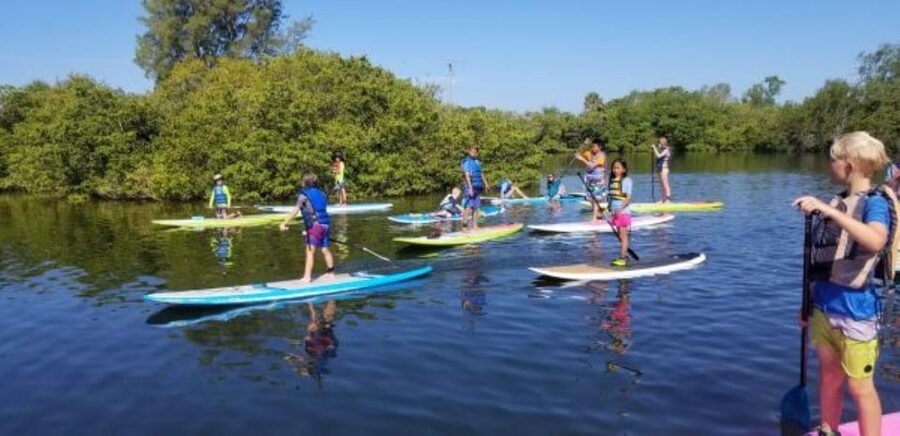
- Jim Neville Marine Preserve routes: Paddle mangrove islands and pass through a few mangrove tunnels
- Boat-only “secret” beach: A sandy stop that you can often enjoy without crowds
- Wildlife you can actually look for: Gentle manatees and dolphins, plus lots of birds around the rookery
- Small group pacing: Limited to 6 participants, which helps the guide manage the water and you
- Gear that makes it easier: Kayaks or SUPs, life jackets, paddles, dry bags, and SUP leashes
Mangroves, tunnels, and a boat-only beach: why this tour works
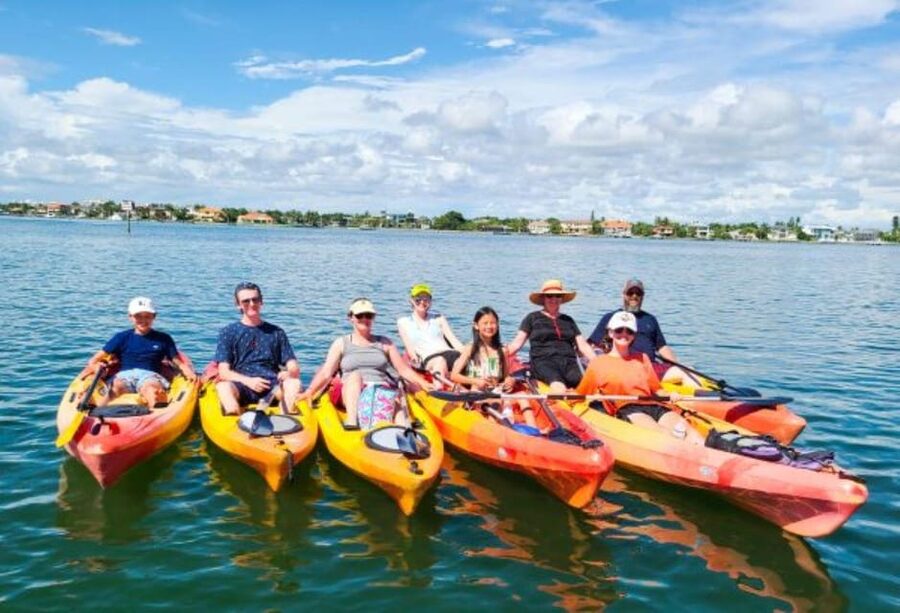
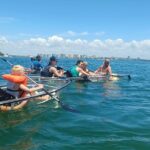
If you’ve ever paddled somewhere and felt like you were just moving from one point to another, this won’t be that. You spend time gliding through narrow mangrove channels, then work your way toward mangrove tunnels and a beach stop that you can’t reach any other way.
I also like the realism of the experience. You’re not doing a long, complicated outing. In two hours, you get the mangrove scenery, a chance to swim briefly, and wildlife-watching time without feeling rushed.
One more reason it’s a good value: the tour gives you the basics you need to stay comfortable on the water. Life jackets, dry bags, and the right board or kayak setup mean you can focus on paddling and looking around instead of figuring out gear.
You can also read our reviews of more tours and experiences in Sarasota.


From intercoastal canal to Bay: the route that keeps your eyes busy
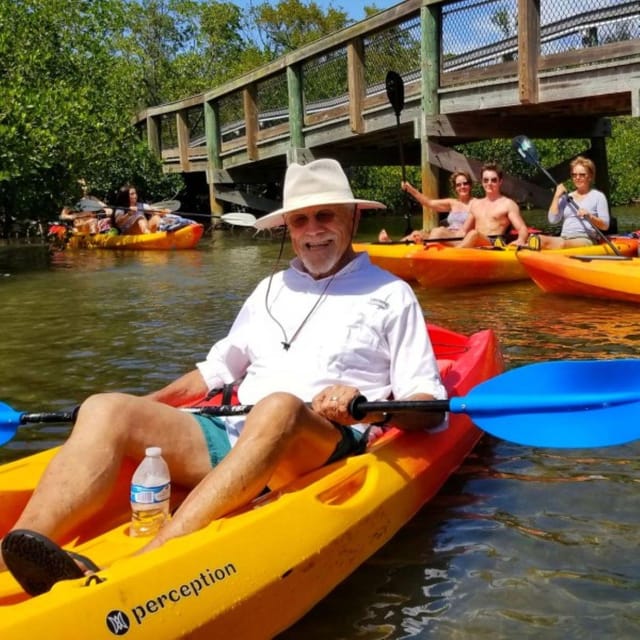
You start on the intercoastal, then paddle down a short canal to the Bay. That initial stretch matters because it gets you in the rhythm early, before you’re surrounded by denser mangroves.
From there, the route shifts into “slow and look.” You’ll paddle around mangrove islands near a bird rookery, which is where the scenery starts doing more than just looking pretty. You’ll be watching for motion—birds cutting across the canopy, small splashes, and the kind of calm water where marine mammals sometimes surface.
Next comes the core mangrove area tied to the Jim Neville Marine Preserve. This is where the trip stops feeling like a basic paddle and becomes a guided route through a more protected-feeling part of the shoreline, including mangrove tunnels.
Why it’s special for you: tunnels and channels change your sense of scale. The mangroves tighten the space, so you notice birds and wildlife sooner, and you feel the “this is real habitat” part more clearly than you would from shore.
Jim Neville Marine Preserve: tunnels, mangrove islands, and that sheltered feeling
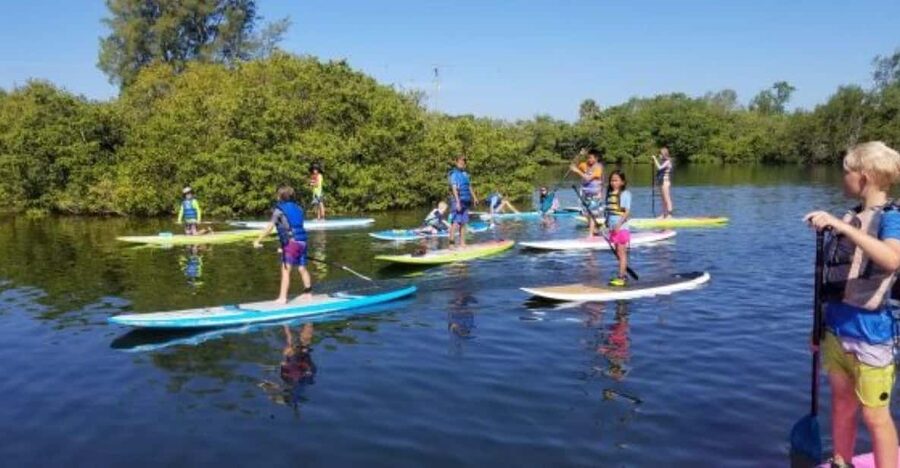
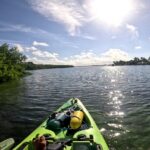
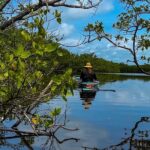
The Jim Neville Marine Preserve portion is the heart of the tour. You’ll paddle around mangrove islands and then go through a few mangrove tunnels. In a good way, the tunnels force you to slow down and pay attention.
Here’s what makes this part more than a photo stop: mangrove tunnels are easy to underestimate. They’re usually narrow enough that your posture and paddle control matter, but they’re calm enough that an experienced guide can keep the trip smooth.
You should expect salt-water paddling throughout. That’s part of why the habitat is so active and why the guide emphasizes safe wildlife viewing—gentle manatees and dolphins can be nearby while you’re exploring.
The “secret” beach stop: boat access means fewer people and more calm
You’ll reach a beach that’s only accessible by boat. That simple detail is why this stop often feels like a reward instead of just another scheduled break.
You can plan on a quick swim if conditions feel right, or you can simply pause, sit, and take in the quiet. On a trip like this, I love beach time because it gives your body a reset and your eyes a break from constant paddling.
Also, the beach is a good spot for small discoveries. People sometimes find interesting things in the sand, so bring your camera and slow down for a minute if you’re walking around near the waterline.
A practical note for you: since it’s boat-only access, you’re not “wandering off” on your own. You’ll get the time the guide allows, then the group moves back out when it’s time.
Wildlife spotting the safe way: manatees, dolphins, and birds
Wildlife is the headline, but the method is what makes the experience feel good. The guides practice safe marine mammal and sea turtle viewing, which means you should expect calm, respectful behavior around the water.
The tour is set up for gentle sightings. The information here is clear: manatees and dolphins are regular possibilities. You’ll also be paddling by bird-rich areas, so even when mammals aren’t visible, you still have something going on above the water.
How to make wildlife spotting easier on yourself: keep your head up and watch the water surface, not just the shoreline. When you see movement, freeze for a second and let your eyes adjust. That’s often when a guide will help you understand what you’re looking at.

Kayak or paddleboard: which one feels best for a first-timer
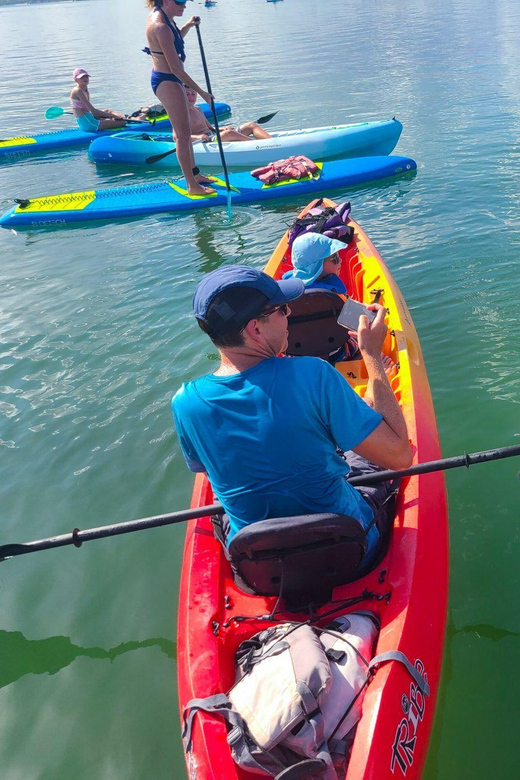
You can choose between single or double kayaks or a stand up paddleboard. If you’re new, I like that the guides are described as experienced and patient—so you’re not thrown into a situation where you have to guess what to do.
Kayaks tend to feel stable and straightforward. Double kayaks are handy if you want a shared rhythm. Paddleboards are a bit more about balance and stance, but you’ll get a leash for safety and a guide managing the flow of the group.
Either way, you’ll have life jackets and dry bags. That combo matters more than it sounds: you can pack your essentials without worrying about them getting soaked, and your energy stays focused on paddling.
Pace and comfort: a two-hour tour that doesn’t drag
Two hours is a smart length for this kind of water. Long tours mean fatigue, and fatigue makes wildlife watching harder because your attention narrows. Here, you get enough time for tunnels and a real beach stop, without turning it into a long slog.
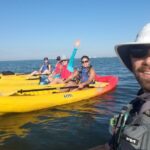
The group stays small—limited to 6 participants. That matters for comfort because it keeps the guide from having to manage a crowd. It also makes it easier to pause and regroup when someone wants a better look at wildlife.
You’ll want to stay present rather than rush. Mangrove routes can look similar from a distance, but every bend changes what you’ll see. Your guide helps you read those changes so you don’t feel like you’re paddling blind.
Price and value: what you’re really paying for
At $55 per person for a two-hour guided paddle, you’re paying for more than just time on the water. You’re paying for equipment (kayak or SUP, paddles, life jackets, dry bags), plus the guide’s route knowledge and wildlife-viewing discipline.
That’s where the value shows: you aren’t just renting gear and hoping you’ll find the best channels. You’re guided through mangrove islands, tunnels, and a boat-only beach stop that you likely would not reach the same way on your own.
If you’re considering skipping a guided tour to save money, think about the real costs: learning the route, finding a legal way to access the best channels, and navigating safely around wildlife viewing zones. Here, the tour bundle handles those parts.
What to bring (and what to skip) for a smoother paddle
You’ll want to pack light and practical:
- Camera (there’s a lot of scenery and wildlife potential)
- Sunscreen (you’re exposed on the water)
- Water (stay hydrated even if you’re just paddling)
- Cash (listed as something to bring)
A couple of “skip this” items are clearly stated too:
- Pets aren’t allowed.
Also, consider your personal fitness honestly. The tour notes it isn’t suitable for non-swimmers. Even though kayaking and SUP can feel stable, you still need comfort in water.
Who should book this mangrove kayaking or paddleboard tour
This is a strong choice if you want:
- A guided paddle through mangrove habitat and tunnels
- Wildlife spotting focused on gentle, safe viewing
- A boat-only beach stop where you can relax briefly
- A small-group experience that feels manageable for first-timers
It’s also a good fit if you like nature with structure. You get enough guidance to feel comfortable, but you’re not stuck listening all day. Your eyes do the work.
Who should skip it:
- Non-swimmers (not suitable)
- Anyone who wants a long, strenuous adventure (this is more about glide, exploring, and watching than endurance)
FAQ
FAQ
How long is the Siesta Key mangrove kayak or paddleboard tour?
It lasts about 2 hours.
What is the group size?
The tour is limited to 6 participants.
What equipment is included?
You’ll get a single or double kayak or a stand up paddleboard, along with paddles, life jackets, dry bags, and SUP leashes if you choose a paddleboard.
Is the tour safe for first-timers?
The guides are described as experienced and patient, which makes it a good option if you’re new to kayaking or paddleboarding.
Do I need to know how to swim?
Yes. The tour is not suitable for non-swimmers.
Where does the tour paddle?
You’ll start on the intercoastal, paddle down a short canal to the Bay, explore mangrove islands around Jim Neville Marine Preserve (including mangrove tunnels), and reach a secret beach that’s only accessible by boat.
What wildlife might I see?
The tour focuses on spotting gentle manatees and dolphins, and you’ll also be around birds near a bird rookery. The guides practice safe marine mammal and sea turtle viewing.
What should I bring?
Bring a camera, sunscreen, water, and cash.
Are pets allowed?
No, pets are not allowed.
Is there free cancellation?
Yes. You can cancel up to 24 hours in advance for a full refund.
Should you book this tour?
If you want a short guided paddle that mixes mangrove tunnels, Jim Neville Marine Preserve scenery, and a boat-only beach stop, I think it’s an easy yes. The small group size and provided gear help you stay comfortable, and the wildlife viewing approach is geared toward respectful, calm spotting.
If you’re not a confident swimmer, you’ll want to choose something else. But if you are, this is a practical way to experience Siesta Key’s water world beyond the shoreline, in just two hours.