REVIEW · EVERGLADES NATIONAL PARK
Small Group Boat, Kayak and Walking Guided Eco Tour Everglades
Book on Viator →Operated by Everglades Area Tours · Bookable on Viator
One minute you’re on land; the next you’re paddling remote shore. This small-group Everglades eco-tour blends boat, kayak, and a guided walk on a seldom-visited barrier beach. You’re led by a US Coast Guard–licensed naturalist, so the scenery comes with real stories.
I love the personal feel here: the tour caps at 6 travelers, and the guide can steer the day toward what your group cares about. I also like that kayaking is low-pressure: you get equipment and instruction, and you’re not expected to have prior experience. One thing to consider is that the beach portion depends on weather and water conditions, so the walk may be shorter than you imagine if the sea is choppy.
In This Review
- Key Highlights Worth Booking
- Entering the Everglades from Chokoloskee
- Chokoloskee to the 10,000 Islands: Remote Water, Real Ecology
- Boat Ride Basics: Comfortable, But Read the Water
- Kayaking to Barrier Island Beach (No Experience Needed)
- A note on why time-of-day matters
- The Beach Walk: Wrack Lines, Dunes, Shell Life, and Mangroves
- Don’t expect a long hike
- Wildlife Chances: What You Can Actually Watch For
- The 3.5-Hour Flow: Pacing That Feels Human
- Price and Value: What You’re Paying For at $199.95
- Who Should Book This Everglades Mix?
- Should You Book This Tour?
- FAQ
- How long is the Everglades small-group boat, kayak, and walking tour?
- What’s the group size?
- Do I need kayaking experience?
- What kind of wildlife might I see?
- Is there walking involved?
- How do I board the boat?
- Are food and drinks included?
- What happens if weather is bad?
Key Highlights Worth Booking
- US Coast Guard–licensed naturalist leadership for safety-focused wildlife education
- Max 6 people for a quieter, more personal tour pace
- Kayaking with instruction included, no experience required
- Barrier Island Beach access where you’ll look at wrack lines, dunes, shells, and mangroves
- Boat-and-wildlife route across the Everglades and into the 10,000 Islands area
- Morning or afternoon departures, letting you match your day to conditions
Entering the Everglades from Chokoloskee
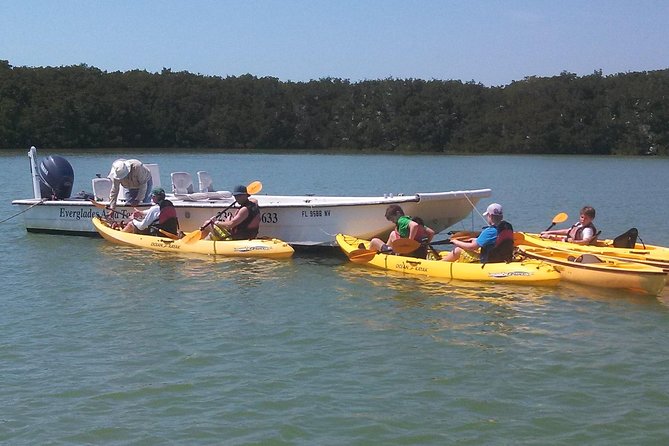
Chokoloskee is a good base for this kind of trip because it keeps the day grounded in real local history. You start at 1180 Chokoloskee Dr, and the vibe right away is “small operation, big nature focus.” The guide’s background includes being certified by the park and licensed by the US Coast Guard, which matters when you’re dealing with tidal zones, boats, and changing weather.
Before you even hit the paddling stage, you’ll get an intro to the area’s human story—Calusa roots going back thousands of years, then later settlement after 1870. It’s not just trivia. When you hear why people lived here and how the waterways shape daily life, the wildlife signs make more sense.
You can also read our reviews of more tours and experiences in Everglades National Park.
Chokoloskee to the 10,000 Islands: Remote Water, Real Ecology
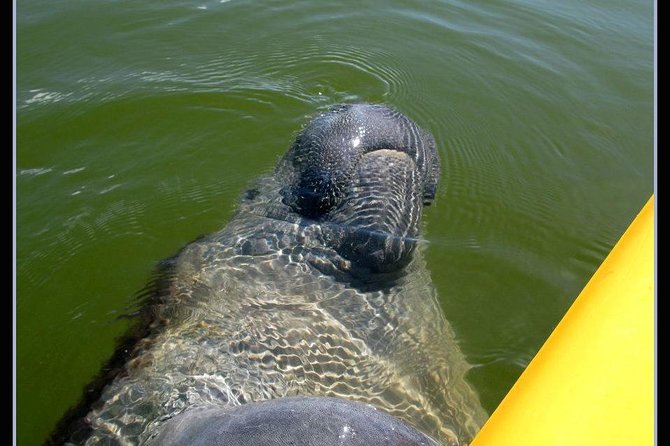
The early part of the day is about getting you out where the Everglades feels wild and spread out. You’ll take a boat ride through some of the park’s remote areas, plus time in the wider 10,000 Islands region, which stretches from Marco Island into the Everglades National Park.
This is the section where you’ll start spotting patterns. You’re looking for bird habitats, marine life signs, and the way mangroves and shoreline change with tides. In real life, that’s the difference between seeing wildlife and understanding why it’s there.
On many days, this is also where dolphin sightings can turn a normal boat ride into a highlight. In guides’ wake-chasing stories, dolphins often show up in pods and use the boat’s motion to travel fast—exactly the kind of moment you remember later.
Boat Ride Basics: Comfortable, But Read the Water
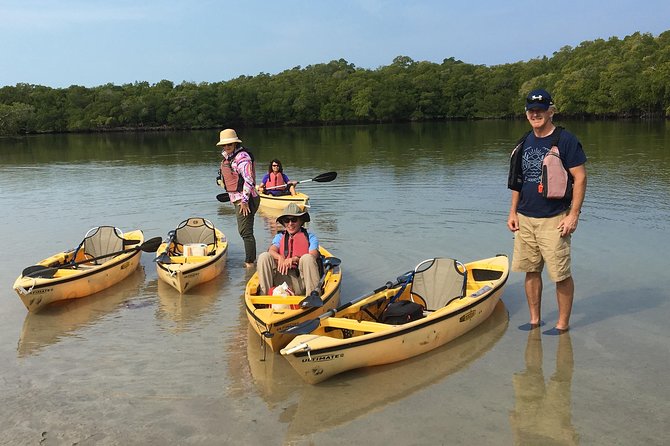
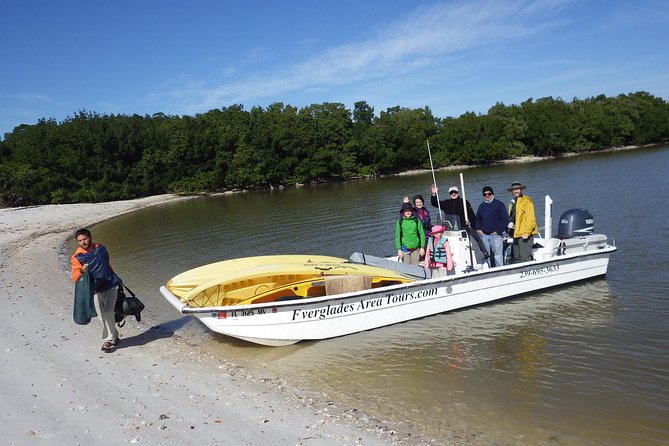
The boat portion is designed to get you to the far side of the action without exhausting you first. The ride is part scenery, part scouting mission. Your guide will tailor what you do next based on the group’s interests and the day’s conditions, so the route isn’t just a fixed script.
The practical thing: you board by descending a couple steps of a ladder. If you have balance issues or you’re traveling with mobility limits, this is worth thinking about before you arrive. It’s not difficult for most people, but it’s real.
Also, expect that conditions can change quickly on coastal water. You’re working with tides, wind, and the fact that afternoon sea breezes can build. The guides plan around that for comfort and safe beach landings.
Kayaking to Barrier Island Beach (No Experience Needed)
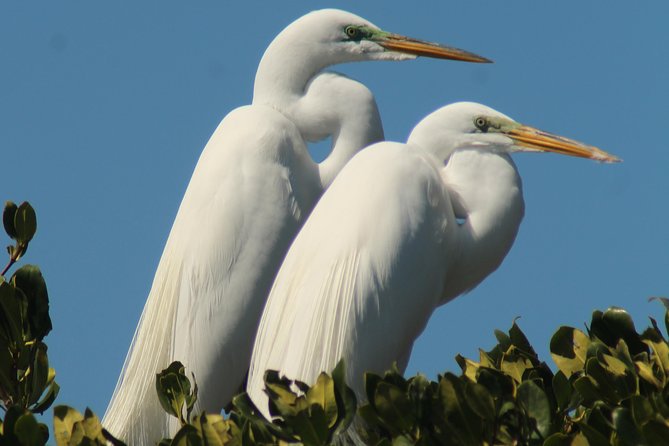
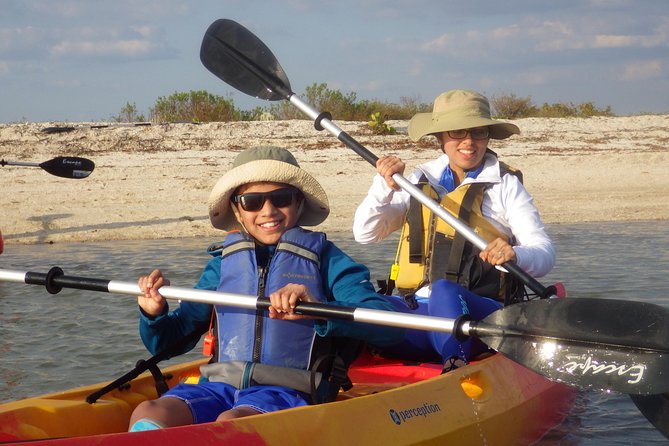
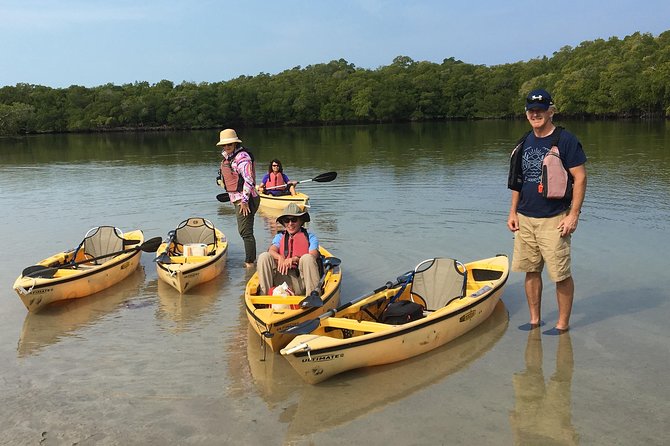
Once you reach the destination area, you get a brief safety instruction and then head into the kayak. This tour is set up so you can do it even if you’ve never paddled before—kayak equipment and instruction are included.
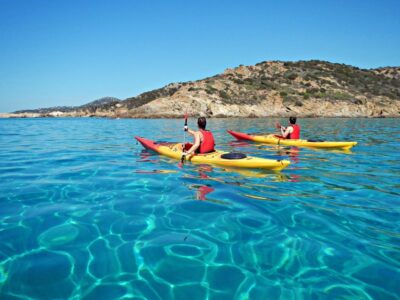
Paddling close to flora and fauna is where the Everglades shifts from “park you drove past” to “place you’re moving through.” Near mangroves and shoreline plants, your speed slows down naturally. You start paying attention to small motion: shells in the shallows, birds feeding at the edge, and the way water color changes over shallow zones.
Then comes the main draw: you paddle toward Barrier Island Beach, described as a beach that’s seldom visited by others. That line is more than marketing. Being off the usual footpaths means you get more time to look for signs of life—especially in the wrack and tidal zones.
A note on why time-of-day matters
The tour offers both morning and afternoon times. If you’re booking with flexibility, I’d lean toward mornings during warmer months, because the guides manage for the way afternoon convection can build wind and waves. When the water turns bumpy, it can affect whether beach landing and walking feel practical or safe.
The Beach Walk: Wrack Lines, Dunes, Shell Life, and Mangroves
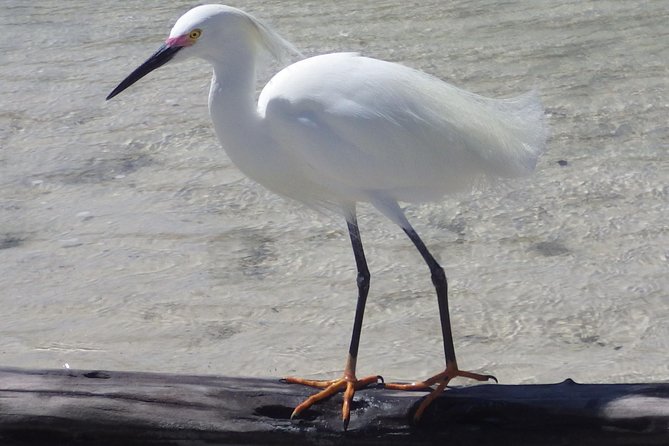
The guided walk happens right on the shore, and this is where the tour earns its eco label. You’ll check out wrack lines (those natural bands of drift material), plus shallow tidal zones and dunes. Your guide will point out how plants here are adapted to salt, sand movement, and changing water levels.
You’re also looking at marine “systems,” not just pretty objects. Expect to see shells and the kinds of invertebrate life that show up in tide-washed areas, including things like crabs and various gastropods. One reason people love this part is that it turns the beach into a field lab—suddenly you’re not just walking, you’re reading the shoreline.
And mangroves show up here too, even if you’re not hiking inland. Mangroves shape the water edge, create shelter, and change how small creatures survive. When your guide ties that to what you’re seeing on the beach, it clicks fast.
Don’t expect a long hike
One heads-up based on real-world experience: sometimes people expect a big trail walk, but the beach walking portion can be more of a short, guided shoreline exploration. It’s still meaningful—wrack lines and tidal zones are packed with information—but it’s not a marathon hike.
Wildlife Chances: What You Can Actually Watch For
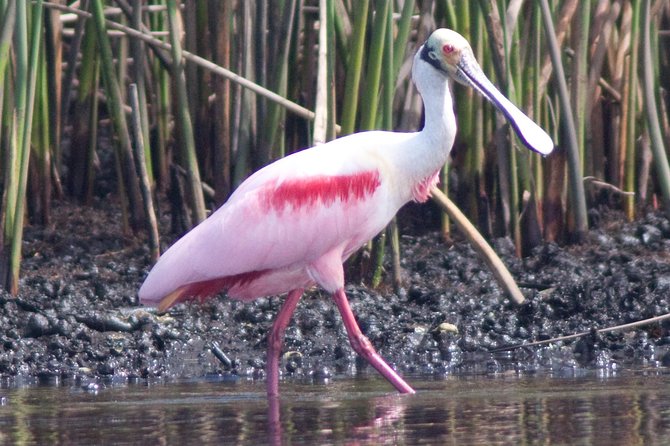
The wildlife list is broad, and the day-to-day reality is simple: sightings are never guaranteed, but the chances are real when you’re in the right habitat at the right time. Your guide may point out opportunities for manatees, dolphins, sea turtles, bald eagles, ospreys, herons, egrets, roseate spoonbills, and more.
In practice, dolphins are often the easiest win from the boat. From the paddling side, you’ll more likely catch birds in motion—raptors working the shoreline, plus waders and herons doing their patient stalking.
One more fun factor: guides often teach you how to spot life signs, not just animals. You might hear about why certain birds hang around specific edges, or what drift patterns suggest about where food is coming from.
The 3.5-Hour Flow: Pacing That Feels Human
Overall time is about 3 hours 30 minutes. The structure is built for variety, not punishment. You start with the local intro and boat movement, transition into kayak paddling without needing prior skills, then finish with the beach exploration and return journey.
That pacing matters. Kayaking can feel like work only if you start cold and unsupported. Here, you’re guided through the basics, and the scenery keeps your energy focused.
Then there’s the return: after the walk, you’re back in the kayaks to paddle to the boat for the ride home. It closes the loop so the day feels like one continuous route, not three separate activities.
Price and Value: What You’re Paying For at $199.95
At $199.95 per person, this isn’t a bargain-bin outing. But it’s also not an expensive “just a boat ride” add-on. You’re paying for three things that are harder to find together:
- Certified naturalist leadership (park certification plus US Coast Guard licensing)
- Small-group sizing (max 6) that keeps the experience interactive
- All gear and instruction included for kayaking plus a guided nature walk
If you were to replace those separately—private guiding, kayak rental, and a separate shoreline walk—you’d usually spend more. The value here is the integrated route: boat gets you far out, kayaks let you touch the ecology up close, and the beach walk turns what you see into something you can explain later.
If you want to watch wildlife but also learn how the shoreline works, the price feels more justified. If you mainly want a long hike or a full-day adventure, you might find it short for the money.
Who Should Book This Everglades Mix?
This tour fits best if you want a hands-on nature day without being stuck on a bus all morning. It’s also a strong match for couples and families who like variety: boat views, quiet paddling, and a guided walk that doesn’t require advanced hiking skills.
The physical requirement is described as moderate fitness. You should be comfortable with paddling time, moving on beaches, and getting down the boat steps ladder. If you’re unsure, it’s worth thinking about balance and stamina, not just age.
Should You Book This Tour?
Yes—if you want the Everglades to feel close-up. The combo of small group size, kayak instruction, and a naturalist-led walk on a seldom-visited barrier beach is the whole point. You’ll leave with stories you can tie to real shoreline features: wrack lines, tidal zones, dunes, shells, and mangrove edges.
Skip it or book with caution if you’re expecting a long inland trail hike, or if you can’t handle the reality of changing conditions at sea. The guides make safety calls, including whether beach landings and walking are practical that day.
If you do book, go in with curiosity. This tour rewards you most when you’re ready to look carefully at what’s right at water level.
FAQ
How long is the Everglades small-group boat, kayak, and walking tour?
It’s approximately 3 hours 30 minutes.
What’s the group size?
The tour has a maximum of 6 travelers.
Do I need kayaking experience?
No. You’ll receive kayak equipment and instruction, and you don’t need prior experience.
What kind of wildlife might I see?
The tour may include manatees, dolphins, sea turtles, bald eagles, ospreys, herons, egrets, roseate spoonbills, and more.
Is there walking involved?
Yes. After kayaking to Barrier Island Beach, there’s a guided walking tour on the beach area.
How do I board the boat?
You’ll need to access the boat by descending a couple steps of a ladder.
Are food and drinks included?
No. Food and drinks are not included.
What happens if weather is bad?
This experience requires good weather. If it’s canceled due to poor weather, you’ll be offered a different date or a full refund.