REVIEW · EVERGLADES NATIONAL PARK
Small-Group Everglades Boating Kayaking and Walking Eco Tour
Book on Viator →Operated by Everglades Boat Tours · Bookable on Viator
Three ways to see the Everglades.
This small-group eco tour mixes boating, kayaking, and a short walking stop so you experience the Everglades from multiple angles, without relying on loud airboats. You’ll base out of Chokoloskee and focus on areas where you can slow down, spot wildlife, and learn how the waterways work.
I especially like two things: the Florida Master Naturalist guide approach and the fact you get real time on the water plus a shore stop, not just a quick ride. The guides also connect what you see—dolphins, birds, and more—to local ecology and the human stories tied to this coastline.
One consideration: this trip is best for people with moderate physical fitness, since you’ll be on a boat, paddling a kayak, and doing a walking portion on uneven outdoor terrain. If you’re expecting an all-sit, no-stretch kind of outing, this may feel like too much.
In This Review
- Key Highlights Worth Your Time
- A Quiet Everglades Day Built Around Boat, Kayak, and Feet
- Where It Starts: Chokoloskee and the Calm Launch Point
- Everglades National Park Stop: Boat Viewing That Leads Into Kayak Time
- Ten Thousand Islands Wildlife Refuge: Wildlife Watching at the Right Speed
- The Kayak Portion: Where You’ll Notice Birds Up Close
- Barrier Island Walk: The Small Land Stop That Changes Everything
- Wildlife You Can Hope To See (And Why It’s Not Guaranteed)
- The Guides Make the Difference: Captain Dan and Don McCumber
- Price and Value: $199.95 for a Three-Part Experience
- Weather, Timing, and What to Wear
- Who This Tour Fits Best
- Should You Book This Everglades Eco Tour?
- FAQ
- How long is the Small-Group Everglades boating kayaking and walking eco tour?
- Where does the tour start?
- How much does it cost?
- How many people are in the group?
- What’s included in the tour?
- Is the guide a Master Naturalist?
- Is the tour offered in English?
- Do I need a physical ticket?
- Is the tour okay for service animals?
- What fitness level do I need?
- What is the cancellation policy?
Key Highlights Worth Your Time
- Florida Master Naturalist-led: expect clear explanations tied to the animals and plants around you
- Small group (max 6): more time for questions and a calmer pace on the water
- No airboat focus: you explore routes where the experience stays quiet enough to hear birds and watch wildlife
- Boat + kayak + walk in one 3.5-hour outing: more variety than typical single-activity tours
- Ten Thousand Islands wildlife zone: one of the best places around for birds and dolphin sightings
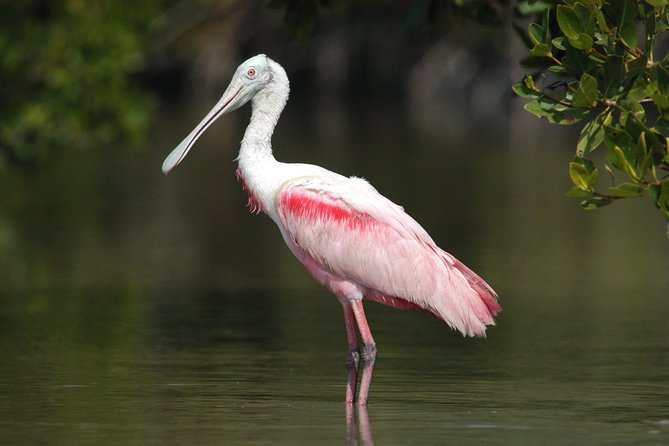
- Photo-friendly wildlife time: repeated chances to get eyes on herons, egrets, spoonbills, and more
A Quiet Everglades Day Built Around Boat, Kayak, and Feet
This is a simple idea done well: you don’t just travel through the Everglades—you also pause, get hands-on (with kayaking), and then step onto land for a short barrier-island walk. That combination matters. From a boat you can cover water and spot larger wildlife. From a kayak you move slower and closer to shore edges where birds feed. And from land you can connect what you see above the waterline to what’s happening in the ecosystem.
Because the tour is run in Everglades National Park areas where airboats are not the focus, the whole mood stays quieter. That usually makes it easier to notice wildlife behavior—like birds stalking in shallow water or dolphin pods moving through the waves.
The small group cap (six people) is another underrated advantage. It keeps the tour flexible, and it helps the guide manage time so you’re not rushed through the sightings. If you care about photography, this format also gives you multiple chances for the right angle without feeling like you’re constantly getting moved along.
You can also read our reviews of more tours and experiences in Everglades National Park.
Where It Starts: Chokoloskee and the Calm Launch Point
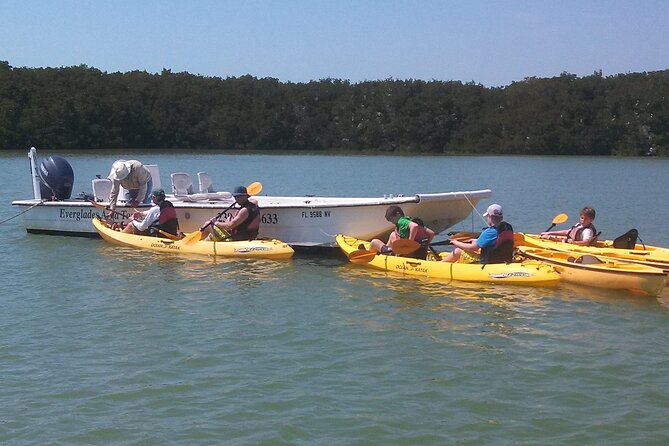
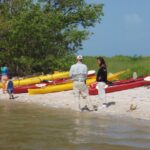
Meet at 1180 Chokoloskee Dr, Chokoloskee, FL 34138. That matters for two reasons.
First, Chokoloskee is close to the water routes you’ll explore, so you can spend more of the tour time doing the fun part instead of sitting in a van. Second, the area has a different feel than the big tourist hubs. You’re starting from a place that feels more connected to the waterways and the working rhythm of the coast.
You’ll get a mobile ticket, and the tour is offered in English. Service animals are allowed, which is helpful if you travel with an animal companion. The tour length runs about 3 hours 30 minutes, so it’s long enough to feel like an outing, but not so long that you’re stuck outdoors for an entire day.
Everglades National Park Stop: Boat Viewing That Leads Into Kayak Time
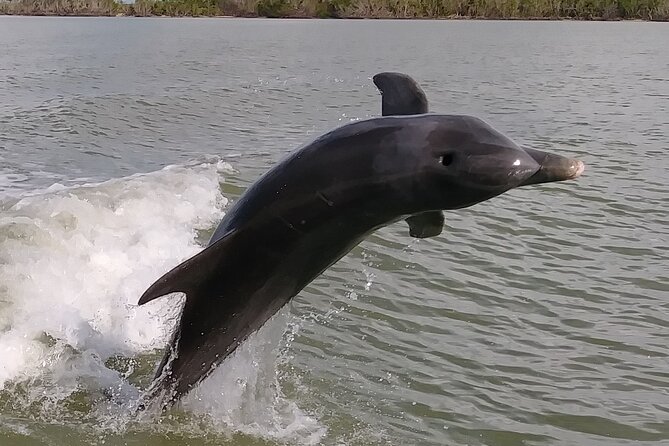
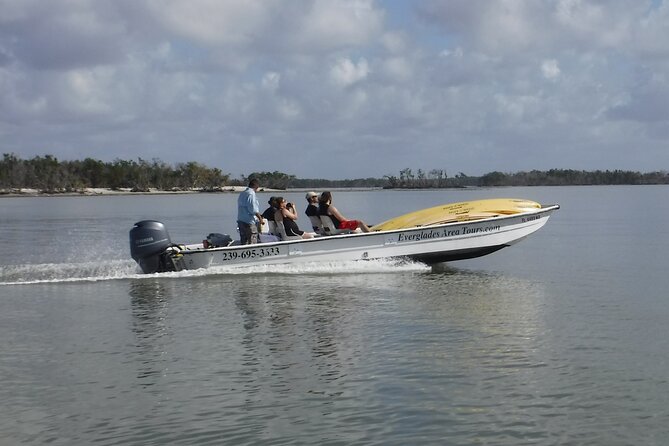
The trip is designed to show you the Everglades in layers, and the first water time is where that starts. In Everglades National Park, you’ll enjoy boating with a guide who helps you make sense of what’s around you—water depth, shore structure, and how wildlife uses these edges.
What I like about this approach: it sets you up to watch better on the kayak. When you know what to look for—like shorelines where birds probe for food, or where dolphins tend to appear—you spot more with less effort.
This portion is also where you learn how to read the waterways safely and thoughtfully. The guide acts like your interpreter for the marsh, including the plants and animal behavior you might otherwise miss. People who love nature education usually get a lot out of this part because the explanations aren’t abstract. They’re tied directly to what’s visible right now.
You’ll also see why “no airboat focus” is more than a detail. A quieter trip reduces the harsh sound level that can push wildlife out or make everyone feel rushed. It also makes it easier to hear smaller birds working the shallows.
Ten Thousand Islands Wildlife Refuge: Wildlife Watching at the Right Speed
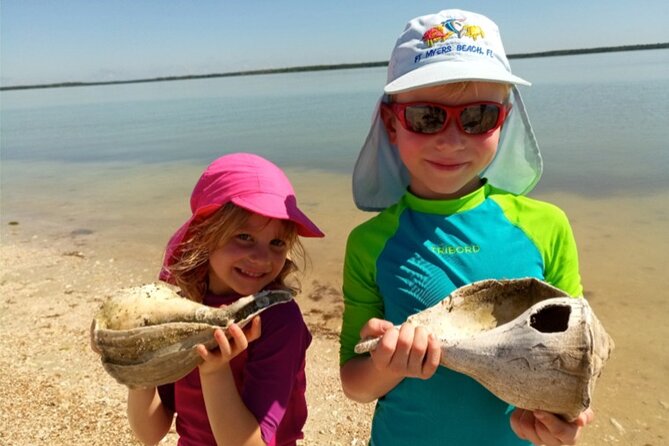
Then you shift your attention to the Ten Thousand Islands National Wildlife Refuge area. This is where wildlife watching gets more intense, partly because the habitat is complex—many small islands, inlets, and shoreline pockets that animals use for feeding and shelter.
On a boat, you cover ground efficiently and improve your chances of seeing mammals and larger birds. The aim here isn’t just to spot something once. It’s to watch movement: how dolphins travel, how birds regroup, and what changes as you shift position on the water.
From what’s reflected in the guide style, you should expect calm scanning and lots of explanation as sightings happen. The goal is that you leave knowing what you saw and why it’s there. In practical terms, that means if you’re a first-timer, you don’t just get a list of animals—you learn the “so what” behind them.
The Kayak Portion: Where You’ll Notice Birds Up Close
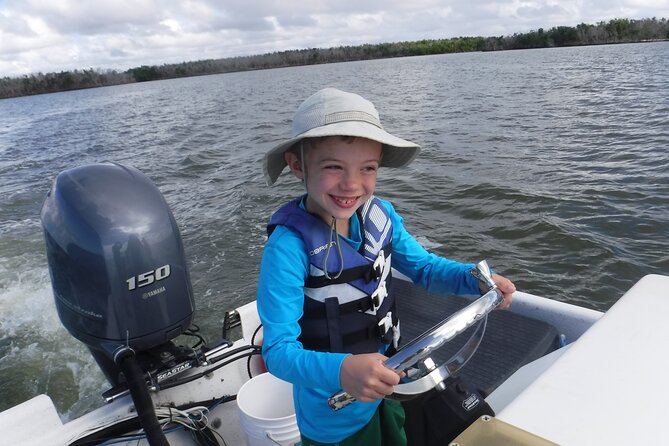
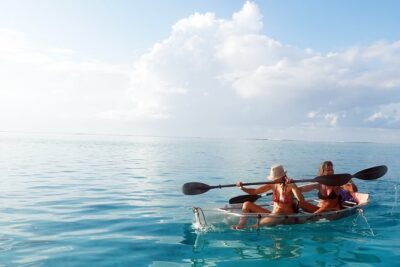
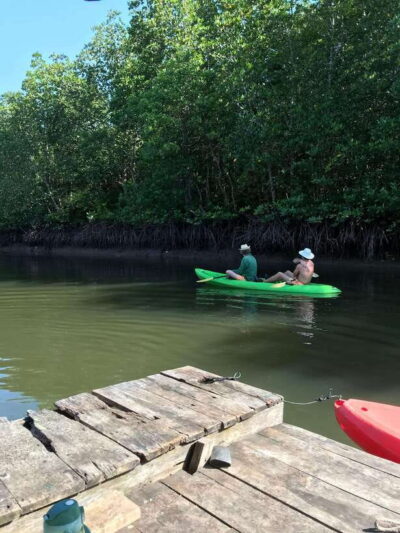
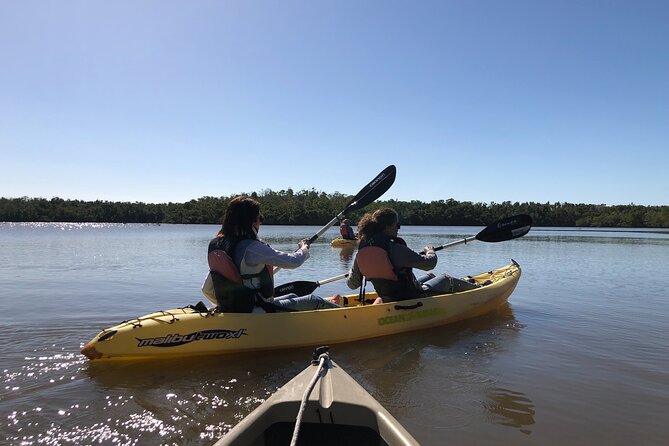
Kayaking is the part that turns a standard sightseeing boat trip into something more personal. Kayaks are slower and quieter, so your perspective drops closer to the shoreline. That often brings you into the zone where shorebirds hunt.
You can expect peaceful paddling waters and chances to spot birds like herons, egrets, and spoonbills. The guide helps you track patterns too, so you don’t just paddle around blindly waiting for wildlife to happen.
This is also where the small-group size helps. On a larger group outing, kayaking time can feel crowded or managed tightly. Here, the guide can guide you more gently and spend time answering questions while keeping the group safe and moving at a good pace.
One more practical point: kayaking is not usually a “sit and watch” activity. You’ll be moving under your own power, so bring realistic expectations. If you’re unsure of your comfort level, aim for the moderate-fitness category the tour asks for. You don’t need to be an athlete, but you do need to be able to spend time outdoors, handle a paddle, and do some walking after.
Barrier Island Walk: The Small Land Stop That Changes Everything
The walking tour on a barrier island is short, but it adds context you can’t get from water alone. On land, you see the boundary between shoreline and inland plants, plus the signs of how birds and other animals use the edges.
The guide’s job here is to connect the dots: which plants matter, how the shoreline forms, and how animals depend on this mix of water and land. You may also hear local cultural references that help explain why people settled around these waterways and how the coast has been used over time.
Even if you’re mostly there for wildlife, the walk tends to make photos better. It gives you different angles and lets you see how the island structure shapes animal movement. It’s also a chance to stretch your legs so you’re not just sitting on the boat for the entire tour.
Wildlife You Can Hope To See (And Why It’s Not Guaranteed)
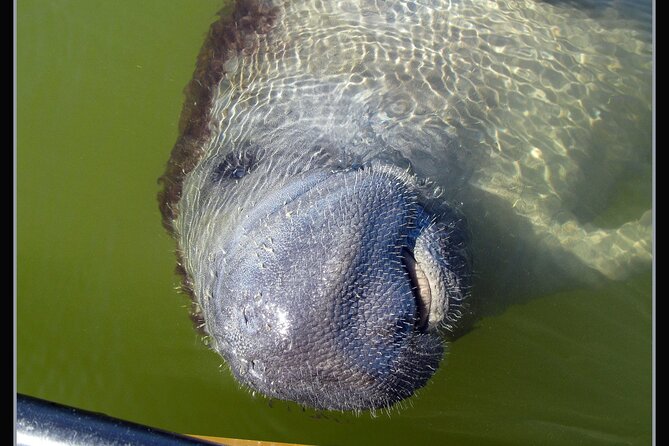
This tour is built around wildlife. The list includes dolphins, manatees, and a long set of bird species like pelicans, eagles, ospreys, and herons. You might also see egrets, spoonbills, and even shells as part of the coastal details the guide points out.
Some sightings can be more likely than others, but this is Everglades wildlife. Conditions matter. Water movement, wind, and timing can affect where animals are. The best way to get value here is to treat the day like a guided search, not a vending machine for specific animals.
Two examples from the guide style you’ll probably appreciate: you may get stories and explanations tied to what you see in real time, including occasional surprise sightings. One person’s bonus included a small shark, and dolphins were a highlight for multiple groups. That’s the right kind of bonus because it’s tied to the route and the habitat, not to luck alone.
The Guides Make the Difference: Captain Dan and Don McCumber
What really pushes this tour toward a top rating is the way the guide communicates. Names you’ll see in the guide lineup include Captain Dan and Don McCumber. Both are described as Florida Master Naturalists, which means you’re not just getting driving and spotting—you’re getting interpretation.
In plain terms, the guide helps you go from seeing animals to understanding them. That can include:
- how pods move through waves,
- how birds feed and regroup,
- what the plants say about the environment,
- and local cultural and archaeological stories connected to the Chokoloskee area.
If you like asking questions, a small group is your friend. With only up to six people, there’s time for your curiosity. You also benefit from the guide’s ability to slow down when something interesting happens, instead of keeping you on a strict schedule.
Price and Value: $199.95 for a Three-Part Experience
At $199.95 per person, you’re paying for more than a boat ride. You’re paying for boating, kayaking, and a walking stop, all in one outing with a Master Naturalist guide.
Here’s why that can be good value if you want variety:
- Many tours give you one main activity. This one gives you three.
- Wildlife education is included, so you’re not just paying to look out a window.
- Park admission is marked free with the activity, which helps offset the overall cost.
It’s not the cheapest outing in the region, but it’s also not a long, all-day program. For a 3.5-hour experience that blends skills (paddling), viewing (boat), and context (walk), the price feels more like a fair exchange than a premium gamble—especially since the tour size stays small.
Weather, Timing, and What to Wear
This experience requires good weather. If weather is poor, you’ll be offered a different date or a full refund, which reduces the risk of planning disappointment.
As for what to bring, you’ll want to think like a paddler and a shoreline walker:
- wear comfortable outdoor clothes that can get splashed,
- plan for sun and light wind (it can feel different on water than on land),
- and wear shoes that work well on outdoor terrain during the walking portion.
Don’t overpack. You want to move easily between boat and kayak, and you’ll likely spend most of your time focused on water and birds.
If photography is your goal, this tour helps because you get multiple perspectives. Boat viewing gives you the wider frame. Kayaking gives you closer shots of shore activity. The walk gives you viewpoints you can’t get while floating.
Who This Tour Fits Best
This is a strong match if you:
- want wildlife and nature education without a long day,
- like small groups and question-friendly guides,
- want both paddling time and a land stop,
- and enjoy photography or bird watching.
It may be less ideal if you:
- want a fully seated experience,
- don’t feel comfortable with moderate physical effort,
- or are sensitive to time on the water in wind or sun.
Should You Book This Everglades Eco Tour?
If you’re aiming for an Everglades experience that feels authentic and not cookie-cutter, this is the kind of tour that can earn a spot on your itinerary. The combination of boat + kayak + walk, the quiet focus in the park areas where airboats aren’t the point, and the Master Naturalist interpretation all add up.
Book it if you want to learn while you watch. Skip it if you’re only looking for a quick scenic ride and don’t want to do any paddling or walking.
FAQ
How long is the Small-Group Everglades boating kayaking and walking eco tour?
The duration is about 3 hours 30 minutes (approx.).
Where does the tour start?
It starts at 1180 Chokoloskee Dr, Chokoloskee, FL 34138, USA, and ends back at the meeting point.
How much does it cost?
The price is $199.95 per person.
How many people are in the group?
This tour/activity has a maximum of 6 travelers.
What’s included in the tour?
It includes boating and kayaking, plus a walking tour.
Is the guide a Master Naturalist?
Yes. The tour highlights exploring with a Master Naturalist guide.
Is the tour offered in English?
Yes, it is offered in English.
Do I need a physical ticket?
No. The tour uses a mobile ticket.
Is the tour okay for service animals?
Yes. Service animals are allowed.
What fitness level do I need?
You should have a moderate physical fitness level.
What is the cancellation policy?
Free cancellation is available. You can cancel up to 24 hours in advance for a full refund. If you cancel less than 24 hours before the start time, the amount paid is not refunded.