REVIEW · TOBAGO
Stand Up Paddle Lessons
Book on Viator →Operated by Stand Up Paddle Tobago · Bookable on Viator
Balancing on a board gets easier fast. A guided stand-up paddle lesson off Pigeon Point mixes a quick technique warm-up with real water practice, so you can go from wobbly to comfortable without guessing. I like that it’s private for your group and paced for learning, not just paddling.
I really like how the teaching is structured: 20 minutes on land before you step into the water. It’s a smart way to get your stance, paddle rhythm, and basics dialed in before the ocean starts doing ocean things. Duane comes across as patient and laid back, which matters when you’re nervous about falling.
One drawback to consider: the total session is about one hour, so if you’re dreaming of a long paddle day, this is more “learn and gain confidence” than “tour the whole coast.”
In This Review
- Key Highlights You’ll Feel Right Away
- Pigeon Point and Radical Sports Tobago: where your SUP lesson starts
- The 20-minute on-land lesson that makes the water part easier
- What happens once you step onto the board in Tobago waters
- The optional coastal paddle: short, fun, and confidence-building
- Pricing and value: is $61.54 worth it?
- Who this SUP lesson is best for (and who might find it limiting)
- It’s a strong match if you are…
- You might want to think twice if you…
- Getting the most from your hour on the water
- Quick FAQ
- FAQ
- How long is the stand-up paddle lesson?
- What happens during the lesson?
- Where do we meet?
- Is this near public transportation?
- Is it a private activity?
- Can I cancel if the weather is bad?
- Should you book this SUP lesson in Tobago?
Key Highlights You’ll Feel Right Away
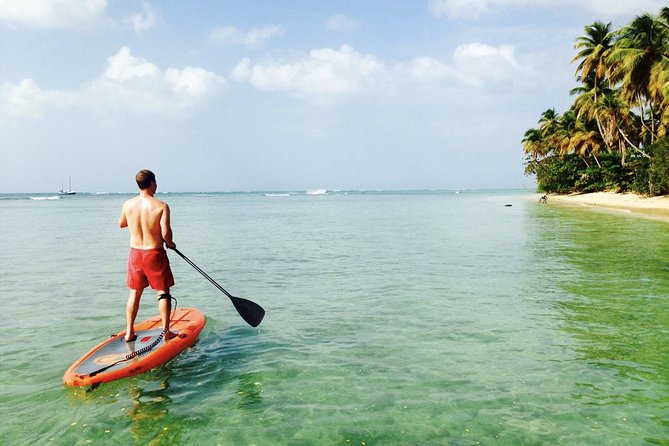
- 20-minute land lesson to build stance, balance, and paddle technique before you get wet
- Friendly, low-pressure coaching with Duane’s patient teaching style
- Pigeon Point location in Tobago’s water, with chances for great coastal scenery
- Short coastal paddle only if you feel up to it so you control your effort
- Private session for your group rather than blending into a crowd
- Near public transportation since the meeting point is close to a station
Pigeon Point and Radical Sports Tobago: where your SUP lesson starts
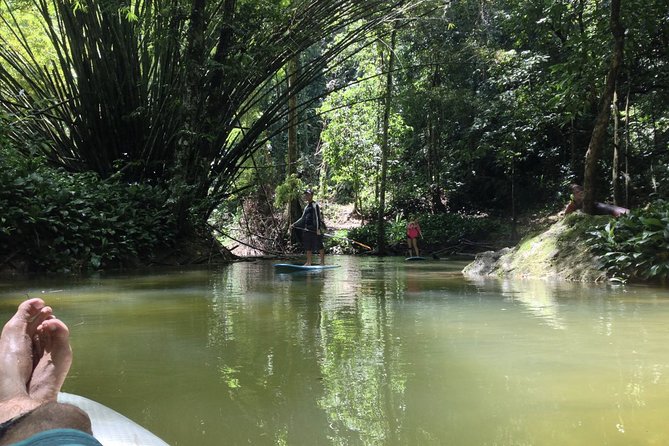
Your lesson starts back at Radical Sports Tobago on Pigeon Point Rd. That location is handy because it’s near public transportation, which can save you the hassle of hunting for parking or arranging a complicated ride. If you’re staying in the general Pigeon Point area, this setup makes a quick half-day adventure feel easy and local.
This is also a private tour/activity, meaning it’s just your group. That matters more than you’d think for SUP. With fewer people around, you get clearer instruction and more attention when your balance is still a work in progress.
You’ll receive confirmation at booking, and you get a mobile ticket, which is the kind of modern convenience that keeps the day moving. Since the whole activity is around one hour, your timing needs to be solid. Show up ready to start, because once you’re in the water, there’s no time for a long delay.
The 20-minute on-land lesson that makes the water part easier
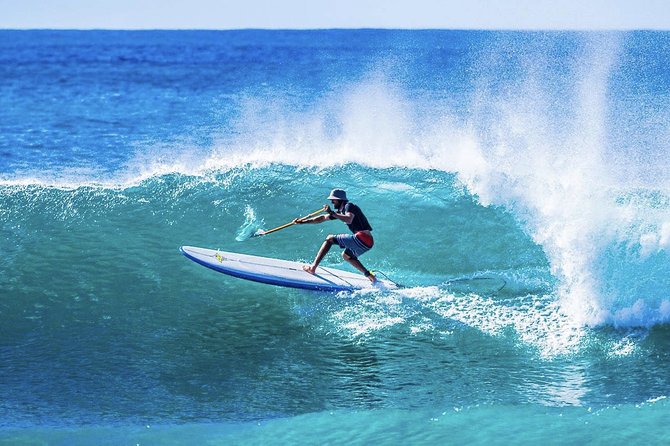
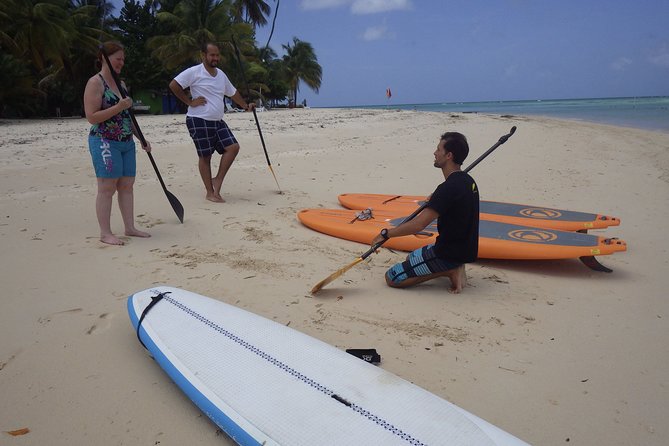
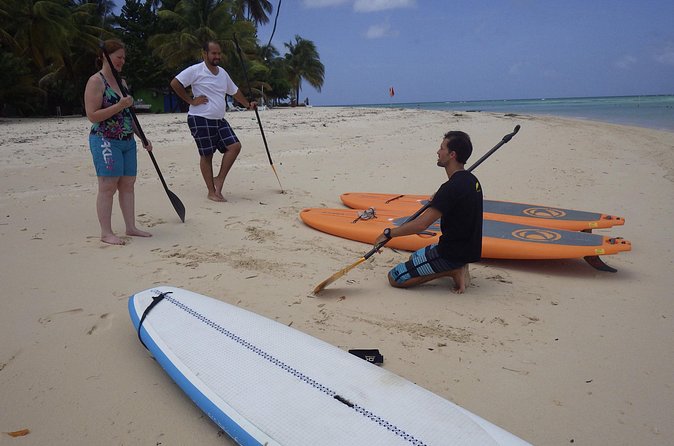
The biggest “aha” here is the order: first 20 minutes on land, then practice on the water. Instead of throwing you onto a board and hoping muscle memory kicks in, the instructor sets the basics with you standing on solid ground first. That’s where you learn the fundamentals in a way your body can actually process.
On land, expect to focus on:
- Your stance and balance basics
- How you hold and move the paddle
- How turning and control should feel
This pacing is great for first-timers and anyone who gets anxious. When you understand what you’re trying to do, your first minutes on the water stop feeling like random chaos. You’re not just balancing. You’re balancing with intent.
I also like that this is taught in a friendly way. Reviews describe a calm, laid back approach from Duane, which helps a lot when you’re trying something new. If you’re traveling solo, that kind of atmosphere turns “lesson time” into a relaxing activity instead of an awkward test.
What happens once you step onto the board in Tobago waters
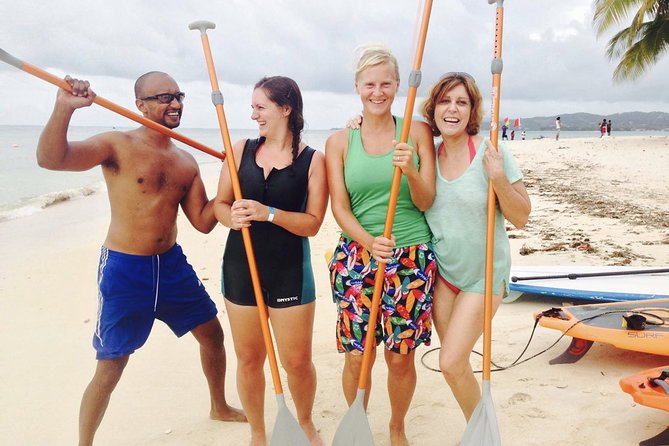
After the land lesson, it’s into the water to practice what you learned. This is the part where your instruction turns into real feel: how the board moves under you, how your paddle stroke affects direction, and what happens when the wind or waves change the rhythm.
You’ll start with practice that builds confidence. The goal isn’t to perform tricks. It’s to get you standing, staying steady, and understanding your control. Many people learn fast when they’re coached with clear cues and quick corrections, and the tone from the instructor seems to support that.
A few things you can count on from the coaching style described in prior experiences:
- Patient guidance when you wobble or lose the line
- A focus on safety and comfort so you can relax and keep trying
- Practical feedback that helps you adjust quickly
This lesson is designed for moderate physical fitness, which usually means you should be comfortable with basic exertion and using your arms and core. If you’re generally healthy and can manage a gentle workout, you’ll likely be fine. If you have mobility issues, you may want to judge your comfort carefully since standing on a board requires balance and leg strength.
The optional coastal paddle: short, fun, and confidence-building
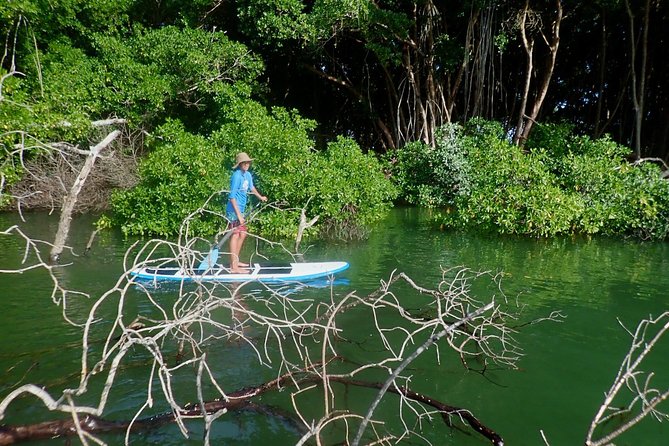
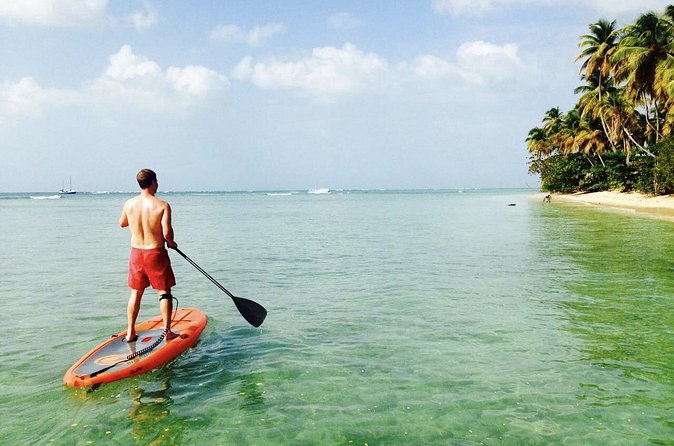
If you’re feeling up to it, you’ll then go for a short coastal paddle. This is where the lesson becomes a mini adventure. You’re no longer just practicing a skill set. You’re moving along the coast with the sense that you’re actually doing SUP, not just learning it.
Even though the overall session is only about an hour, this coastal stretch gives you something valuable: continuity. You get to try your turns, your stroke rhythm, and your steering without stopping every few minutes for instruction.
From what the instructor is known for in Tobago, you may also catch glimpses of marine life when conditions are right. People talk about seeing sea turtles, sting rays, and lots of birds on SUP outings in this region. This particular lesson doesn’t promise wildlife sightings, but the area itself is the kind where nature tends to show up when you’re out on the water.
One practical consideration: water conditions can affect how much you’ll want to push yourself. If it’s breezy or the chop is up, that’s not a bad thing for learning—it just means you may want to keep the paddle portion relaxed and focus on control.
Pricing and value: is $61.54 worth it?
At $61.54 per person, this SUP lesson sits in the “good value, not a huge splurge” category for a guided coastal activity. You’re paying for two things that matter:
- Instruction time (the on-land lesson plus water practice)
- A guided, safe first outing so you’re not figuring out balance and technique alone
Since it’s private for your group, the value is even clearer if you’re traveling with a partner, friend, or small group. More attention per person usually means faster learning and fewer frustrating moments.
The real value test is whether you want to learn properly. If you’re staying in Tobago and want a confident first experience on a SUP board, this format is efficient: learn the basics in 20 minutes, then get coached in the water, then finish with a short coastal paddle if you feel good.
If your goal is a long, workout-style day on the water, a one-hour lesson may not feel like enough. But for learning and confidence, the length works. It’s enough time to improve, not enough time to burn out.
Who this SUP lesson is best for (and who might find it limiting)
This lesson fits best for people who want a first SUP experience with calm coaching.
It’s a strong match if you are…
- A beginner who wants to stand quickly and learn technique the right way
- Solo travelers who want an activity that feels social and supportive without being a group circus
- Families with kids who can follow instructions and enjoy a hands-on water activity
- Anyone who likes structured learning: land basics first, then practice
You might want to think twice if you…
- Want a long paddle day with hours of continuous touring
- Are expecting a guaranteed wildlife safari (the water can change, and the lesson is mainly about SUP skills)
Reviews also point to how well the instructor works with different ages and experience levels, including kids. That’s a good sign for families. It suggests the teaching stays clear and supportive, not vague or rushed.
Getting the most from your hour on the water
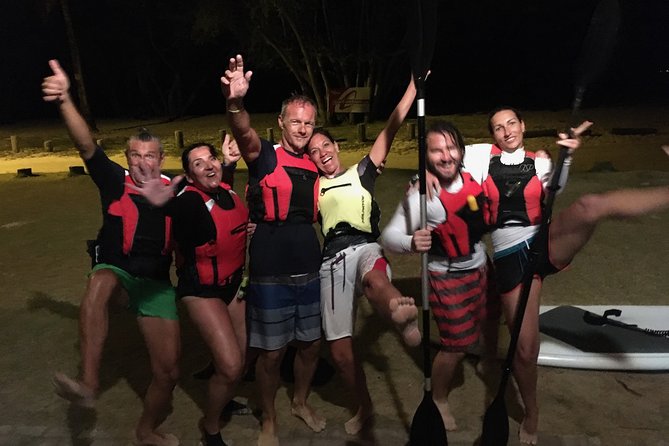
SUP learning goes faster when you keep your mind calm and your effort steady. Here are a few ways to make the lesson click:
- Treat the land lesson like it’s the main event. Most of your success comes from getting your body positioned correctly before water time.
- Expect some wobble. Wobbling isn’t failure. It’s part of finding your balance point.
- Use the instructor’s cues immediately. Quick adjustments are how you go from unsteady to confident.
- If you’re offered the coastal paddle, decide based on how steady you feel, not on whether you’re trying to prove something.
The tone described around Duane is a big part of that. A relaxed teacher makes it easier to keep trying instead of freezing up.
Quick FAQ
FAQ
How long is the stand-up paddle lesson?
It’s about 1 hour (approx.).
What happens during the lesson?
You’ll do a 20-minute lesson on land, then practice in the water. If you feel up to it, you’ll also do a short coastal paddle.
Where do we meet?
You’ll start at Radical Sports Tobago, Pigeon Point Rd, Trinidad and Tobago, and the activity ends back at the meeting point.
Is this near public transportation?
Yes. The meeting point is near public transportation.
Is it a private activity?
Yes. It’s a private tour/activity, so only your group participates.
Can I cancel if the weather is bad?
Yes. You can cancel up to 24 hours in advance for a full refund. The experience requires good weather, and if it’s canceled due to poor weather, you’ll be offered a different date or a full refund.
Should you book this SUP lesson in Tobago?
Yes, if you want your first SUP experience to feel guided, not stressful. This lesson is built around a smart learning flow: technique on land first, then real practice in the water, and only a short coastal paddle when you’re ready. With Duane’s patient, laid back teaching style described by past participants, it’s the kind of activity that helps nervous beginners turn into confident paddlers.
Book it if you’re in Tobago and want a worthwhile, structured SUP intro near Pigeon Point. If what you really want is a long, all-day paddle journey, then you may find this hour feels short—but as a first step into SUP, it’s a strong value choice.