REVIEW · OSLO
Akerselva River: Urban Paddling Adventure Kayak Tour
Book on GetYourGuide →Operated by Mad Goats AS · Bookable on GetYourGuide
Oslo from a kayak is a reality check. You get a rare view of the city’s top sights from the water, including passes by the Munch Museum and the Oslo Opera House, plus the practical fun of paddling an urban river route. I particularly liked the historic bridges and river tunnels feeling like they’re part of the sightseeing plan, and I loved that the tour still feels like an outdoor adventure instead of a museum stop. One thing to plan around: you will get wet, so bring a spare outfit.
This is a 1.5-hour, English-guided urban paddling experience on Akerselva, ending near the Oslofjord. It’s built for people with moderate fitness and a sense of adventure, and it runs in rain or sun. If you’re hoping for something dry and sedate, you’ll want to manage expectations.
In This Review
- Key highlights to know before you go
- Why Akerselva is the best way to see Oslo (without a bus)
- Meeting at Mad Goats in Nedre Foss Park: quick setup, real river time
- Grünerløkka to Grønland: the urban river sightseeing hour
- Passing landmarks along the way: bridges, city tunnels, and constant perspective shifts
- The 500m tunnel ride: a small distance with big memory power
- The Opera House area and Oslofjord finish: where the tour payoff lands
- What’s included (and why it matters for real value)
- What to bring so you actually enjoy it (wet is part of the deal)
- Who this kayak tour is ideal for (and who should skip it)
- A quick reality check on expectations
- Should you book the Akerselva urban paddling tour?
- FAQ
- How long is the Akerselva River urban kayaking tour?
- Where does the tour start and end?
- What’s included in the price?
- What language is the guide?
- What should I bring?
- Is the tour held in bad weather?
- Is alcohol allowed on the tour?
Key highlights to know before you go
- Historic bridges in the city center make the route feel tied to Oslo’s story, not just geography.
- A 500m tunnel adds a memorable twist to an otherwise straightforward paddle.
- Grünerløkka and Grønland scenery turns “downtown sightseeing” into motion.
- Finish by Bjørvika, near the Opera House gives you a payoff view from the water.
- Helmet and life jacket included, plus guides who handle safety and instruction.
- Photo help from the guides means you’re not stuck with only group selfies.
Why Akerselva is the best way to see Oslo (without a bus)
Akerselva is one of those places that quietly does a lot for the city. It’s an urban river with neighborhoods along the way, and it keeps pulling you forward with views that shift every minute. When you paddle, Oslo stops looking like postcards and starts looking like a living place—bridges overhead, buildings close by, and people moving along the banks.
What I like most about this route is that it isn’t only “pretty water.” It’s city-making infrastructure—the kind of built environment you miss when you walk. And because you’re low to the river, you get proportions that feel different: the Opera House looks bigger, the streets feel closer, and landmark sightlines arrive from unexpected angles.
The best part is the mix of easy sightseeing and actual activity. You’ll be learning basic kayaking habits while also gliding past major points of interest. The tour basically turns Oslo’s center into a moving viewpoint.
You can also read our reviews of more tours and experiences in Oslo.
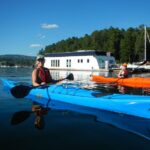
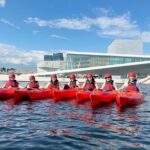
Meeting at Mad Goats in Nedre Foss Park: quick setup, real river time
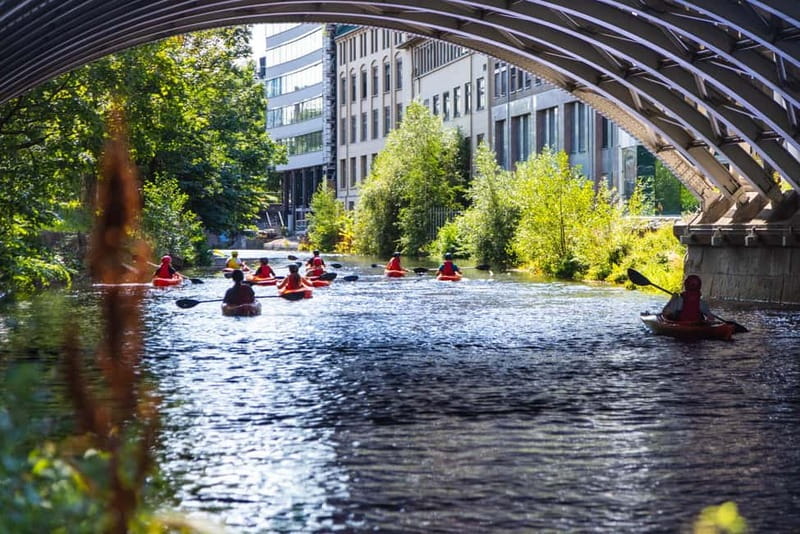
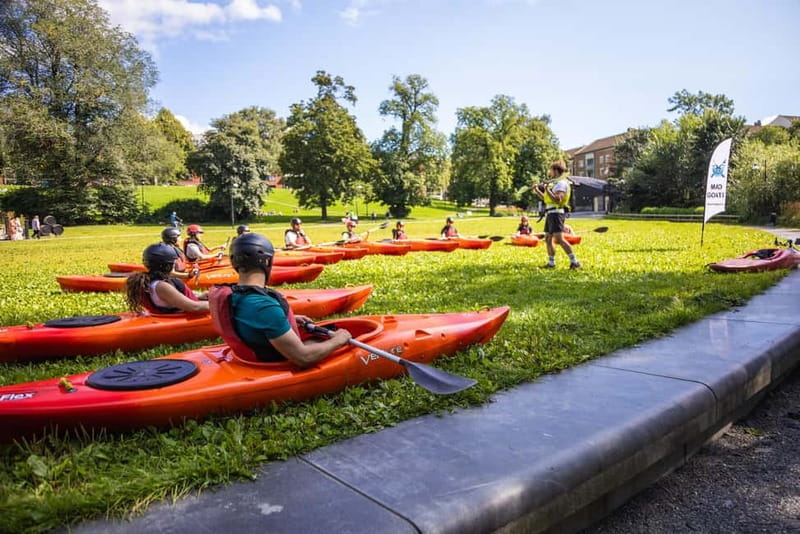
You start at Mad Goats, Akerselva, in the Nedre Foss Park area. This matters because you’re not spending your energy hunting gear or waiting in long lines. Your first job is simply to get comfortable with the basics: where you store personal items, how the kayak feels under you, and what the guide wants from you.
You’ll get the full kit: kayak, paddle, helmet, and life jacket. That’s a big deal for value and confidence. It also means you’re not dealing with rental logistics on your own. You can focus on learning how to move in a straight line, how to turn, and how to handle typical river moments at a beginner-to-intermediate pace.
They also provide a safe place to store your belongings while you’re on the water. That’s one of those “small” details that becomes huge the moment you’re trying to travel with phones, cameras, and a change of clothes.
Grünerløkka to Grønland: the urban river sightseeing hour
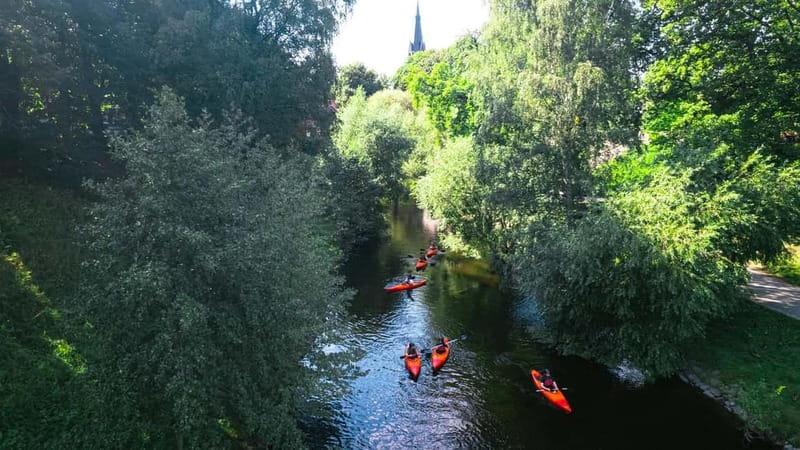
The first main leg is about an hour through central Oslo areas like Grünerløkka, plus the downtown Grønland direction. This is the section where you’ll feel the tour shift from training wheels to real sightseeing.
Grünerløkka is the kind of neighborhood people come to for its personality, and kayaking gives you a different angle on that vibe. Instead of street-level observation, you see movement along the waterline—people on bridges, views opening and closing around bends, and the way architecture edges up toward the river. You also get your bearings fast because every turn gives you a new landmark angle.
This is also where the guided safety briefing pays off. You’re not just thrown into the river. The guide sets expectations for paddling rhythm and how to stay coordinated as a group.
A practical note: this part can feel busier visually than you expect. There’s a lot happening around you, so if you’re prone to getting distracted, focus on your strokes. It keeps you relaxed and helps the whole experience feel smoother.
Passing landmarks along the way: bridges, city tunnels, and constant perspective shifts
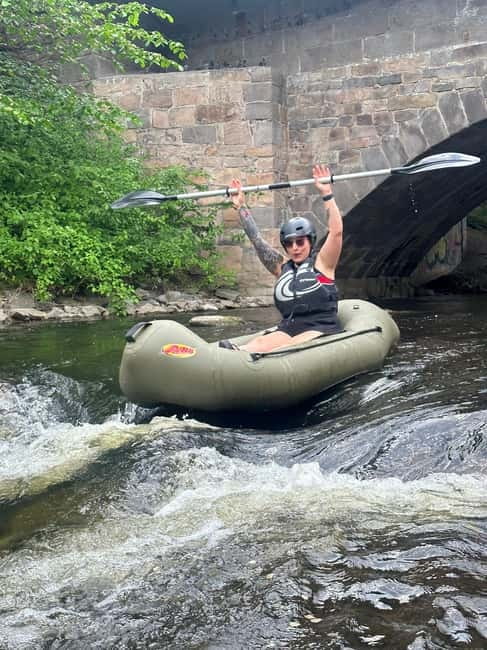
A major theme of the Akerselva route is the mix of historic bridges and tunnels—not just one photo moment. The bridges break up the river into segments, and each one changes your sightline. You’ll see the city in layers: water first, then banks, then the architecture rising behind it.
Then there’s the tunnel, which adds a very specific kind of thrill. It’s not just scenery. It’s sensory. The lighting changes, you hear the water differently, and suddenly your camera skills stop mattering and you’re just experiencing it.
The value here is that the landmarks you hear about in Oslo—like the Munch Museum—feel connected to the route, not randomly scheduled. You’re not running around town hoping to line up views. The water brings you there.
The 500m tunnel ride: a small distance with big memory power
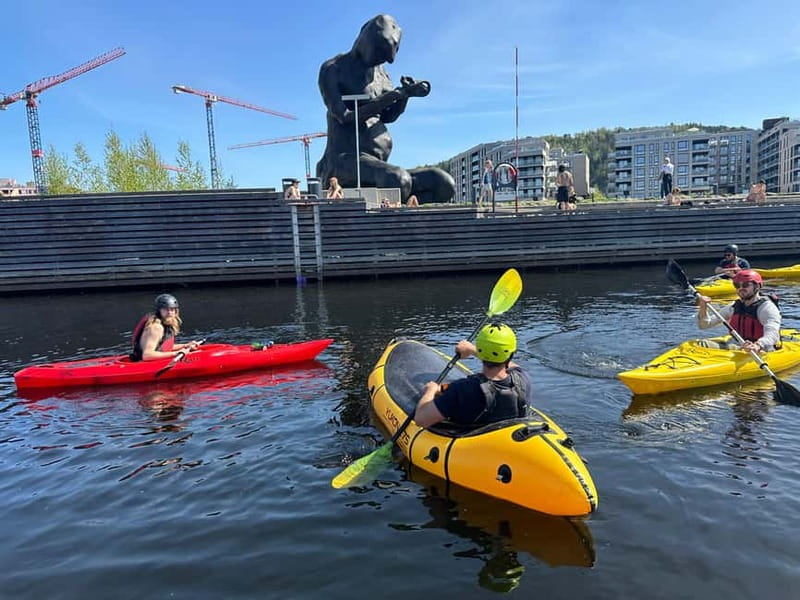
That 500m tunnel is a standout moment for a reason. Short tunnels can feel like gimmicks. This one feels like a mini event in the middle of an urban tour.
As you approach, you’ll likely get a quick sense that the rules of visibility shift. If it’s overcast or rainy, it can feel even more like a controlled adventure zone. Then you’re inside it—brief, focused, and very different from the bright outdoor sections.
The tunnel also changes your relationship to the guide and your group. You’ll want to keep steady pacing and pay attention to the route cues. That’s the “adventure” side of this tour that doesn’t require technical kayaking skills. You just need to follow the plan and keep your strokes consistent.
If you’re afraid of enclosed spaces, this is the one part to think about. Even though it’s only about 500 meters, it’s still an enclosed environment for a short time.
The Opera House area and Oslofjord finish: where the tour payoff lands
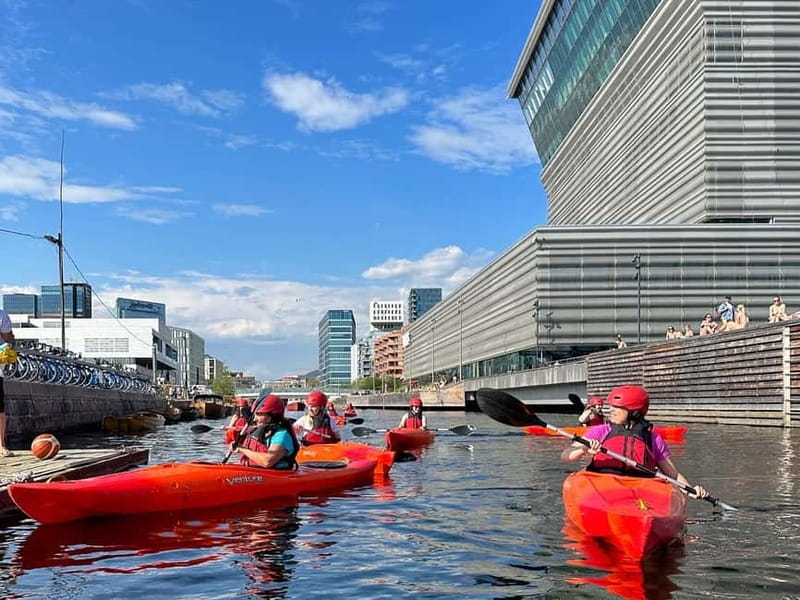
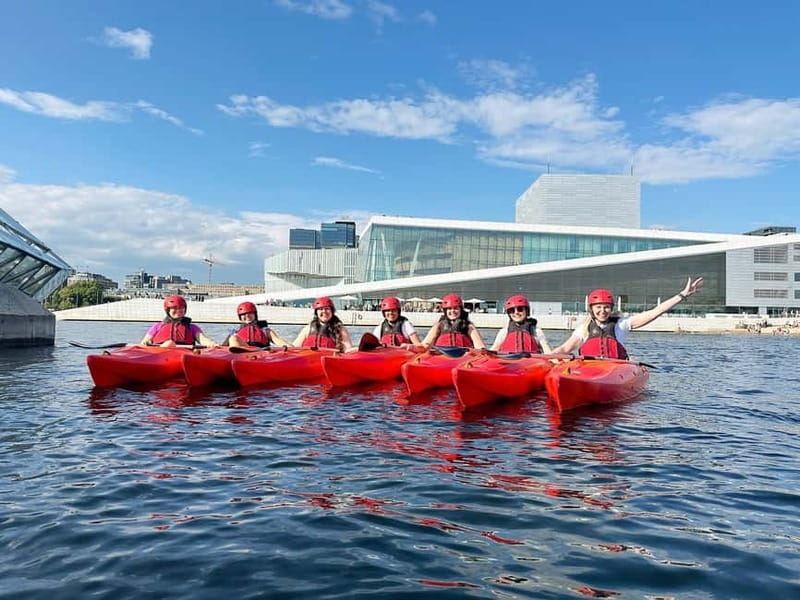
After the first hour, you move toward the iconic waterfront finish area. The final segment is around 30 minutes with the Opera House as the key visual anchor. This is where the tour’s story clicks into place: you’ve been paddling through the city, and now you’re near Oslofjord views next to major landmarks.
You’ll finish near the Oslofjord in the Bjørvika area, close to the new Munch Museum and right beside the Oslo Opera House. That matters because these buildings aren’t just “background.” From the water, they’re imposing and clean-lined, and you get a sense of how Oslo built this whole area as a showpiece.
If you’re taking photos, do yourself a favor and look up while you paddle. It’s easy to get locked into watching your kayak. But the best angles for the Opera House tend to appear when you look away from your paddle for a second.
Also, keep an eye on your timing and your gear. Your included setup is designed to keep you safe and comfortable, but you still want to stay aware of where your spare clothes are in case you want to change promptly.
What’s included (and why it matters for real value)
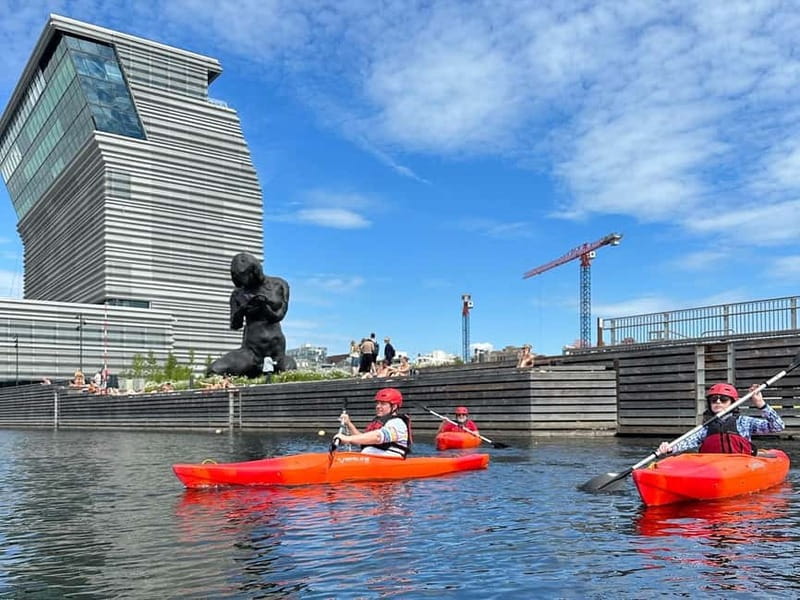
Let’s talk about the price: $97 per person for about 1.5 hours. That price isn’t only for the kayak. It’s the package deal—gear, guidance, and the kind of city-access route that’s hard to reproduce on your own.
Included items:
- All kayaking equipment: kayak, paddle, helmet, life jacket
- Instruction and guiding, plus safety briefing
- Storage for your belongings during the tour
- Photos taken by guides and shared afterward
- Finish in Bjørvika near the Oslofjord
When you compare that to the cost and friction of renting equipment and figuring out a safe route in a city river, the value starts making sense. You’re paying for someone else to handle the “how” so you can enjoy the “where.”
One more practical point: they don’t include food or drink. So bring a plan for before or after. Think of this as an activity you add to your Oslo sightseeing day, not something that replaces meals.
What to bring so you actually enjoy it (wet is part of the deal)
Because this tour runs in all weather, you should dress like water will happen. It might drizzle. It might rain. You might splash. The guides can’t promise you’ll stay dry.
Bring:
- Outdoor clothing
- A change of clothes
- Sandals (for after, when you’re walking around)
They specifically suggest rain pants if you want to keep water off your pants. If it’s very hot, swimwear under your gear is an option. Either way, you’re aiming for a comfortable “after” period, not just a good paddle.
Also bring a spare towel if you can. It’s one of those move-that-makes-you-thank-yourself later.
Not included:
- Waterproof bags
- Food and drink
So if you want your phone to survive a splash, plan how you’ll protect it.
Who this kayak tour is ideal for (and who should skip it)
This is suitable for most fitness levels and ages from 5+, but it’s not suitable for children under 6. That means in practice: kids around 6 and up can be a fit if they can follow instructions and handle the basic physical effort.
It’s also not suitable for:
- Pregnant women
- People with back problems
You’ll want moderate fitness. That’s because paddling for 1.5 hours is more work than sitting on a tour boat. You don’t need to be an athlete, but you should be comfortable using your arms and staying upright for stretches of time.
If you’re the type of person who likes to do one active thing in a day instead of ticking off ten museums, this suits you. It also works well if you want something “outdoorsy” that’s still close to the heart of Oslo.
A quick reality check on expectations
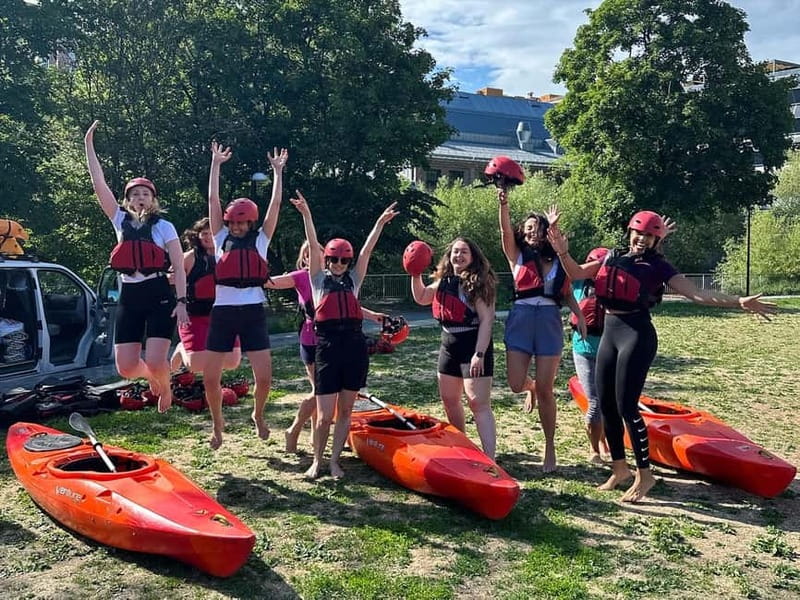
This isn’t a long expedition. It’s a focused city paddle. That’s good: you get the landmarks and the tunnel moment without spending half the day on the water.
The trade-off is that you should expect a brisk pace. You’ll be actively paddling, not drifting for hours. The guide keeps things moving so you cover the central Akerselva route and end at the Opera House area in time.
One more expectation to set: you’ll be in an urban environment with guides and other activity nearby. If you’re chasing total silence and nature isolation, you might feel a little out of your element. But if you want a different view of Oslo that’s still very much city life, this hits the sweet spot.
Should you book the Akerselva urban paddling tour?
Book it if you want an active Oslo plan with built-in sightseeing. For $97, you’re getting gear, safety guidance, landmark route access, and photo help, plus a finish right by the Oslo Opera House and the fjord area. The 500m tunnel and the bridge-heavy stretch make it more memorable than a standard “kayak rental and go.”
Skip it or reconsider if you’re not comfortable getting wet, you need fully dry clothing, or you have limitations like back issues or pregnancy. And if enclosed-space worries are a big deal for you, think carefully about that tunnel section.
If you like your city days with one hands-on activity, this tour is a strong choice.
FAQ
How long is the Akerselva River urban kayaking tour?
The duration is about 1.5 hours.
Where does the tour start and end?
The tour starts at Mad Goats in the Nedre Foss Park area in Oslo. It finishes at Sukkerbiten in Bjørvika, and the activity ends back at the meeting point.
What’s included in the price?
You get kayaking instruction and guiding, plus all equipment: kayak, paddle, helmet, and life jacket. There’s also a safe place to store belongings during the tour and photo-taking by guides that are shared after.
What language is the guide?
The live tour guide speaks English.
What should I bring?
Bring outdoor clothing, a change of clothes, and sandals.
Is the tour held in bad weather?
Yes. The tour takes place in all weather, rain or sun.
Is alcohol allowed on the tour?
No. Alcohol and drugs are not allowed.