REVIEW · TARRAGONA
Tarragona: Ebro River Guided Kayaking Tour to Miravet
Book on GetYourGuide →Operated by ROGLES AVENTURA · Bookable on GetYourGuide
Two castles, one river, and your kayak.
This Tarragona to Miravet trip is a calm, guided paddle where you cross the Ebro, glide past river islands, and learn what makes this stretch feel quiet and special. I like how the route ties natural sights to real landmarks, from the Móra area bridges to Miravet’s castle.
Two things I especially like: the wildlife-and-river-vegetation focus (white poplars, birds, and local plants), and the way the guide turns the scenery into stories you can picture. You also get a short technical setup with vests and paddle gear, so you’re not dropped in cold.
One consideration: this activity lists wheelchair accessibility, but it also says it’s not suitable for people with mobility impairments. If you fall in that category, I’d ask ROGLES AVENTURA directly before you book.
In This Review
- Key takeaways
- Paddling the Ebro from Tarragona to Miravet: why this route feels different
- What the current really does (without making it stressful)
- Getting on the water at Embarcador de Móra la Nova
- The short van transfer and what to watch for
- Stop near Benissanet: breakfast break or a weather-permitting swim
- Downriver magic: white poplars, Galatxo islands, and quiet birdlife
- Tivissa to Miravet: castles and settlements in a single paddle
- The Miravet boat crossing: the practical, special stop you’ll remember
- What your guide teaches: terms, local knowledge, and Civil War stories
- Price and value for a 2.5-hour Ebro kayak tour at $34
- Pace, comfort, and who this tour suits best
- Should you book the Tarragona to Miravet Ebro kayaking tour?
- FAQ
- How long is the kayaking tour from Tarragona to Miravet?
- How much does the Tarragona to Miravet kayaking tour cost?
- Where does the tour start and end?
- Is food included on this tour?
- What’s included in the tour price?
- What languages are available for the live guide?
- Can we swim during the tour?
- What historic places does the tour include?
- Is the tour wheelchair accessible?
- Is free cancellation available, and can I reserve without paying now?
Key takeaways
- Ebro river calm water with a downstream flow that still feels relaxed
- Historic Miravet up close, plus a boat crossing still operating without electricity
- Islands and vegetation: Galatxo islands and other river islets on the route
- Guides who explain local culture, from Iberian settlements to Civil War anecdotes
- Photo report included, so you don’t have to play photographer the whole time
Paddling the Ebro from Tarragona to Miravet: why this route feels different
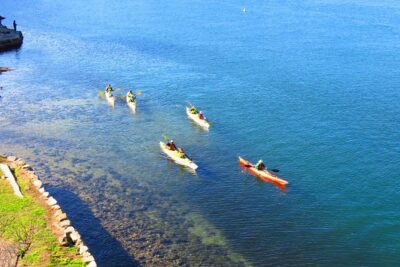
The best part of this kayaking trip is that it’s not just about moving from A to B. You’re traveling through a section of the Ebro River that runs away from the road, which is exactly why it feels calm and a bit magical once you’re on the water. You’ll hear the river more than traffic, and the guide keeps you oriented with a steady mix of facts and stories.
I also like the contrast built into the route. You start near the foot of the Móra de Ebro area castle zone and arrive at the foot of Miravet’s castle. That shift matters, because it turns the paddle into a guided timeline rather than a plain sightseeing cruise.
You’ll get plenty of nature time, too. The tour highlights the river flora and fauna as you cross and float along, including the famous white poplars and birdlife the guide points out. And because the waters are described as calm, the pace is more “easy glide” than “race the current.”
What the current really does (without making it stressful)
The river current helps push you downstream, which is part of the fun. You’ll feel movement, but the tone is consistently calm—more like the river is doing some of the work for you while you enjoy the scenery.
Getting on the water at Embarcador de Móra la Nova
The tour starts at Embarcador de Móra la Nova, and the meeting is straightforward: your guide waits at the meeting point, then you get ready as a group. Before you paddle, you’ll get a technical briefing, plus you’re provided with vests and paddling tools (the listing calls them shovels—basically the paddle setup).
This matters for two reasons. First, it helps you get your bearings fast so the first minutes feel controlled. Second, it keeps the trip safer and smoother, especially if you’ve never kayaked on a river before.
Right away, the route hints at what you’ll see later. You’re in the Móra area, where the tour mentions the murmur of two bridges of Móra—so even at the start, you’re moving through a landscape of crossings and historic layers, not just open water.
The short van transfer and what to watch for
There’s a brief 13-minute van segment during the tour. I treat this as a normal part of river days in Catalonia: it often helps the operator set you up for the best paddle segment and reduce the time you spend transferring on your own.
If you’re wondering how this affects your experience, the key is timing. You’re still spending most of your time on the water during the roughly 2.5 hours, so the van is just a connector, not the main event.
Also note: the tour uses a route map and a guide throughout, so you’re not left guessing where you are on the river. That guidance helps you enjoy the views without feeling lost.
Stop near Benissanet: breakfast break or a weather-permitting swim
A really nice mid-tour pause is built in. After launching from Móra la Nova, there’s usually a stop near an island close to Benissanet. This is where you may have breakfast or swim, depending on the weather.
What I like here is flexibility. The operator keeps it simple: if conditions are good, you can cool off. If not, you still have a break to stretch, regroup, and take in the river edges without paddling nonstop.
Just keep your expectations grounded: food and drinks aren’t included. So think of this as a break you can use with your own supplies, not a restaurant-style stop.
Downriver magic: white poplars, Galatxo islands, and quiet birdlife
After the stop, you continue toward Miravet. The tour description emphasizes the vegetation along the banks and specifically calls out Galatxo islands, plus the general feel of exuberant riverside growth. You’re not just seeing a river—you’re moving through a living corridor that changes as you pass different bends and islets.
As you paddle, you’ll cross the Ebro at some point during the experience, and you’ll be guided to notice flora and fauna along the way. The guide also mentions birdlife names, so if you like learning a few local species instead of just taking photos, this tour fits that style.
You’ll also pass by historic anchors along the river. The route connects the paddle to named places like the Iberian settlement area of Castellet de Banyoles, and it references other points in the river corridor tied to Iberian life.
And because the whole experience avoids heavy road time, it stays quiet. That’s a big deal on the Ebro, because river routes are usually better when you don’t feel like you’re constantly dodging traffic noise.
Tivissa to Miravet: castles and settlements in a single paddle
One of the more interesting things about this tour is how it stitches together “then” and “now” while you’re in a kayak.
You leave from the area with the two bridges of Móra, then the route description mentions you heading toward the foot of the Iberian settlement of Tivissa. On the other end, you arrive at Miravet’s area, with the castle described as crowned over the town and tied to deep historical importance.
The guide doesn’t just drop names. The tour notes that you’ll learn about why points along the river were chosen for settlement by Iberian ancestors, which turns geography into human history. For most people, it’s easier to remember that kind of information when you’re literally moving along the same water where those choices were made.
And yes, the castles matter. The tour description frames Miravet’s castle as especially notable in the time of the Templars, while also noting an Arab origin. Even if you’re not a full-on medieval history buff, that mix helps you see why Miravet looks the way it does.
The Miravet boat crossing: the practical, special stop you’ll remember
Miravet isn’t just “viewed” from afar. You arrive at its historic zone at the foot of the castle, and you get to experience another standout detail: the tour references a boat crossing still in operation that works without electricity.
That’s the kind of fact that makes the paddle feel grounded and real. It’s not a staged photo spot. It’s part of local movement, and it connects your kayak time to how people actually use these river crossings.
You’ll also be near the boat crossing while continuing to take in Miravet’s river islets (the description mentions Miravet islands on arrival). This is one of those moments where the scenery feels like a living working area, not a museum set.
What your guide teaches: terms, local knowledge, and Civil War stories
The guide’s role goes beyond pointing and moving people safely. The tour explicitly says you’ll hear historical and cultural anecdotes during the route.
You can expect explanations tied to local terms and Iberian context, including what the guide describes as what sorts are and what are aubergins. Those may sound oddly specific, but that’s exactly why they help you connect with the region. It’s not only grand history—it’s everyday words and meanings.
You’ll also hear about the Battle of the Ebro during the Spanish Civil War. That kind of story can land differently when you’re on the river itself, because the Ebro is not abstract here. It’s the physical backbone of the places you’re moving through.
Finally, the guide is meant to be useful beyond the water. The tour description says the guide will inform you where to eat, what to visit, where to rest, and local customs. I like this because it turns the kayaking into a shortcut for your next day of exploring.
Price and value for a 2.5-hour Ebro kayak tour at $34
At $34 per person, this tour is priced like an accessible half-day activity with real inclusions. The big value piece is what you get without having to add extras: technical briefing, vests and paddle gear, a route map, and an expert guide monitoring you throughout.
You also get a photo report, which I find is more practical than it sounds. It means you can focus on paddling and on the river, not on lining up your own shots every five minutes.
Insurance and permits are included too: accident insurance and a navigation permit. That’s not flashy, but it’s part of what makes a guided river activity feel safer and more professional.
The main cost-related thing to remember: food and drinks aren’t included. The tour includes a break that you can use for breakfast, but you’ll want to plan accordingly—bring what you need if you plan to eat during that pause.
If you’re comparing options, think of it like this: you’re paying for guided time on calm water plus guided context. For $34, that’s a solid deal, especially if you want history and nature mixed in the same 2.5-hour window.
Pace, comfort, and who this tour suits best
This is a short, focused river trip. The duration is 2.5 hours, and it includes time on the water plus a short van transfer. The experience is described as kayak/canoe-friendly in calm conditions, with the river current helping push you downstream while you enjoy the ride.
It also claims wheelchair accessibility, but it simultaneously says it’s not suitable for people with mobility impairments. That contradiction matters. If you have mobility needs, don’t guess. Ask the provider and confirm what you mean by suitable.
This tour feels best for you if you like:
- short-to-medium activities that don’t swallow your whole day
- guided nature viewing with specific local details
- historic places you can connect to on foot or from the water
- learning stories rather than just taking photos
It’s also a good choice if you’re in Catalonia and want something that looks and feels different from the usual city museums.
Should you book the Tarragona to Miravet Ebro kayaking tour?
I’d book it if you want a calm river paddle with built-in history and nature, delivered by a live multilingual guide. The route’s mix—Móra bridges and castle area, Iberian settlement references, Galatxo islands, and Miravet’s castle plus a working boat crossing—gives you more to remember than a typical “see the river” outing.
Skip it (or at least confirm first) if mobility is a concern, since the provided accessibility notes don’t line up. Also, if you need food included, plan for that gap because food and drinks aren’t part of the package.
Overall, this is a strong value way to experience the Ebro between Tarragona and Miravet in a short, guided window—especially if you like your travel with facts, bird spots, and river crossings that still feel very real.
FAQ
How long is the kayaking tour from Tarragona to Miravet?
The tour lasts about 2.5 hours. Starting times vary, so you’ll need to check availability for the schedule.
How much does the Tarragona to Miravet kayaking tour cost?
The price is $34 per person.
Where does the tour start and end?
You meet at Embarcador de Móra la Nova, and the tour ends back at the same meeting point.
Is food included on this tour?
No. Food and drinks are not included. There is usually a stop where you can have breakfast, but you’ll need to bring your own if you want to eat.
What’s included in the tour price?
Included items are a technical briefing, vests and paddles, a route map, expert monitors during the tour, a photo report, accident insurance, and a navigation permit.
What languages are available for the live guide?
The live guide is available in Spanish, English, and Catalan.
Can we swim during the tour?
There’s usually a stop on an island near Benissanet where you can swim, but it depends on the weather.
What historic places does the tour include?
You’ll paddle near places tied to Móra de Ebro and Miravet, including Miravet’s castle (noted for Templar relevance and Arab origin). The route also references Iberian settlement areas like Tivissa and Castellet de Banyoles.
Is the tour wheelchair accessible?
The activity information lists wheelchair accessible, but it also states it’s not suitable for people with mobility impairments. If this applies to you, confirm details with the provider before booking.
Is free cancellation available, and can I reserve without paying now?
Yes. There is free cancellation up to 24 hours in advance for a full refund, and you can reserve and pay later.