REVIEW · TARRAGONA
Tarragona: Ebro River Guided Kayaking Tour to Miravet
Book on GetYourGuide →Operated by ROGLES AVENTURA · Bookable on GetYourGuide
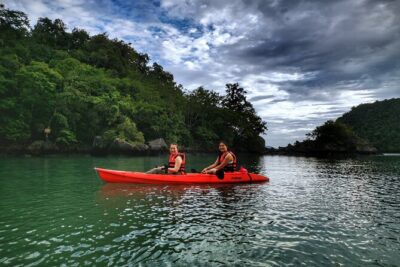
Kayaking under the Ebro’s castles feels surprisingly simple. This guided trip runs from Móra la Nova to Miravet, pairing quiet paddling with river history and wildlife along the way.
I love the stop-and-savor rhythm: you’ll get a calm downstream push while guides point out plants, birds, and small details you’d miss from the bank. I also love the endpoint at Miravet—castle views at the waterline, plus a traditional boat crossing still operating without electricity.
One consideration: the tour can feel more like guided row-time than lots of back-and-forth conversation, so if you want constant chatter, ask questions early. There’s also some end-of-tour waiting for people who aren’t the ones driving the van back to the start.
In This Review
- Key things that make this Ebro kayak tour special
- From Móra la Nova to Miravet: a kayak route with real stakes
- The paddle time: calm run, but don’t ignore the current
- Breakfast or a swim near Benissanet: the break that makes it feel like an outing
- Galatxo islands and Castellet de Banyoles: where the river turns into a lesson
- Miravet’s castle landing and the boat crossing without electricity
- The route’s contrast: bridges, settlements, and two castle viewpoints
- Wildlife spotting that actually sticks
- Kayak setup, equipment, and what guides do for safety
- Group dynamics: doubles and singles, plus how to get the most out of your guide
- Getting there: parking, short van transfer, and a simple shore meet
- What to pack for a 2.5-hour Ebro paddle
- Price, value, and how to judge if it fits your trip
- Who this tour is best for—and who should think twice
- Should you book this Ebro kayak tour to Miravet?
- FAQ
- FAQ
- How long is the Tarragona to Miravet Ebro kayaking tour?
- Where do we meet?
- What’s the general route?
- Can we swim or have breakfast during the tour?
- Is the tour suitable for beginners?
- What languages are offered by the live guide?
- Is there a life vest provided?
- What if I need to cancel?
- Is it wheelchair accessible?
- Are there options to reserve without paying immediately?
Key things that make this Ebro kayak tour special
- Castle-to-castle route: from the foot of Móra de Ebro to the foot of Miravet
- Crown-and-river arrival: Miravet’s castle dominates your landing at the water
- Island time: a planned break for breakfast or a swim near Benissanet (weather permitting)
- Wildlife and plants you can name: guides explain trees and bird species as you paddle
- Only-electricity-free crossing: you reach the historic Miravet boat crossing still in use without electricity
- Calm water with a downstream assist: the current moves you along while you stay in control
From Móra la Nova to Miravet: a kayak route with real stakes
This tour gives you a different view of Catalonia—less road scenery, more “what does this river look like up close?” You start at the Móra la Nova jetty, then spend your time floating downstream, not fighting rough water.
The best part is how the scenery lines up with actual places. You’re not just paddling in nature; you’re moving between human landmarks: two castles facing each other from opposite riverbanks, older settlement zones, and the kind of boat crossing that’s stayed practical for generations.
If you enjoy travel that’s equal parts outdoors and storytelling, this hits the sweet spot. You get to hear why people chose these bends in the river, and then you physically experience the route they used.
You can also read our reviews of more tours and experiences in Tarragona.
The paddle time: calm run, but don’t ignore the current
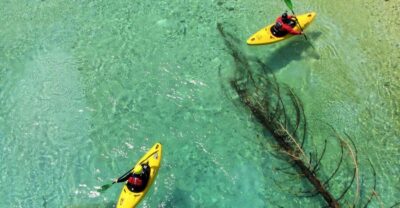
You’ll be out for about 2.5 hours total, with roughly 2.33 hours on the guided activity itself. The flow is the star here. The river’s current rocks you downstream, so the effort feels manageable even if you’re not an experienced paddler.
That “current with control” matters for first-timers. You’re learning in real conditions, but not in chaos, and the group setup is designed so you’re not stuck doing everything the hard way.
You will cross the Ebro during the experience, and you’ll spend time where the water looks slower from the bank. That’s where wildlife spotting tends to be easiest—birds and river vegetation show up more when you’re not racing.
Breakfast or a swim near Benissanet: the break that makes it feel like an outing
A big reason people love this tour is the break. Early on, after launching from Móra la Nova, the plan includes stopping near an island by Benissanet.
Depending on weather, you’ll either have breakfast or go for a swim. That’s not a random add-on; it changes the whole feel of the trip from “just paddling” to “paddling plus a proper pause.”
If you’re traveling with family, this stop can be a game-changer. It’s long enough to reset, and short enough that you’re still excited to keep going when you’re back in the kayak.
Galatxo islands and Castellet de Banyoles: where the river turns into a lesson
Once you’re moving along, the tour focuses on the river away from the road. That quiet is real, and you feel it in the soundscape—less traffic energy, more birds and water movement.
You’ll pass the Galatxo islands, where the riverside vegetation can get particularly lively. Guides use the scenery to teach you what’s growing and what kinds of birds you might be spotting.
You’ll also glide through the area connected to the Iberian settlement of Castellet de Banyoles. Even if you don’t know Iberian history yet, the river helps you understand why settlements clustered along these routes—access, water, food, and movement all in one place.
Miravet’s castle landing and the boat crossing without electricity
The endpoint is the part you remember. You arrive at the foot of Miravet’s castle, which is historically significant, including during the time of the Templars, even though the castle’s origins are tied to an Arab presence.
This is one of those places where the river does the framing for you. As you get close, you’re essentially “approaching a monument by water,” not by stairs and ticket lines.
The tour also brings you to the historic Miravet boat crossing, described as still operating and notable for working without electricity. That detail is more than trivia—it’s a reminder that this area isn’t just preserved; parts of daily river life are still happening.
The route’s contrast: bridges, settlements, and two castle viewpoints
One reason this itinerary feels more interesting than a simple out-and-back is how many different “zones” you pass through.
You start at the foot of the castle of Móra de Ebro, then later you’re arriving at Miravet’s castle. Along the way, you’ll hear about connections to Tivissa and the Iberian settlement of Tivissa, plus you’ll paddle near the familiar river feature of Móra’s bridges.
There’s also a sense of contrast in the plan: you leave from large bridges and arrive at a historic crossing point that still runs on older methods. That contrast keeps the scenery from feeling repetitive.
And because the tour includes moments of landing and breaking, you’re not staring at the same view for hours. You get changes in river texture, width, vegetation, and built landmarks.
Wildlife spotting that actually sticks
A lot of tours say you’ll see wildlife. This one leans more toward making it practical. Guides name trees and birds as you go, and you’ll hear what different species are.
It’s not a “look up and guess” experience. You’ll have words for what you’re seeing, which means you leave with a mental picture you can keep.
If you like nature but hate vague commentary, you’ll probably appreciate this style. Even a short explanation—what the trees are, what birds to watch for, what details matter—turns your paddle into a mini field lesson.
Kayak setup, equipment, and what guides do for safety
You meet on land first, then everything switches to gear. Your guides prepare the equipment at the river shore (about 20 meters from the parking area).
You’ll also get life vests. One family experience noted clear communication about the lifevest size for a child, which tells you the operator isn’t winging it on safety gear.
If you’re new to kayaking, you’ll likely feel comfortable. People mention that everything gets explained and they felt quickly safe, which matters because this is a current-assisted route. Knowing what to do with your paddle and how to position yourself makes the whole experience smoother.
Group dynamics: doubles and singles, plus how to get the most out of your guide
Your kayak assignment can vary. You might end up in a double kayak and also get someone in a single kayak, so one person paddles solo at times. That’s totally manageable, but it’s worth setting expectations so you don’t assume everyone shares a single boat.
As for guide interaction, the tour can run on a tight rhythm: explain, point, paddle, pause. One practical tip: ask a question early—where to look for birds, what trees you’re passing, or what the major historical markers mean—so you get more of the back-and-forth you want.
If you prefer constant group banter, this might feel a bit more “guided paddle” than “guided chat.” On the upside, you’ll still learn plenty from the route details being read into the scenery.
Getting there: parking, short van transfer, and a simple shore meet
The meeting point is a free car parking, and from there it’s a short walk to the water—around 20 meters. The coordinates are 41.09591293334961, 0.6449185609817505, so if you’re using a GPS app, you can drop the pin right away.
The tour includes a van transfer segment (about 13 minutes). That’s common for river routes where you start and end in different places, and it helps keep the paddling aligned with the best sections of the river.
If you’re the kind of traveler who likes to be early, arrive a little before the meeting time. It gives you time to get oriented, spot where the gear is set up, and settle in before you launch.
What to pack for a 2.5-hour Ebro paddle
The data doesn’t list a full packing list, but for a river kayak with a weather-permitting swim, I’d plan for wet and sun.
Bring:
- A swimsuit or quick-dry layers for water time
- A towel you don’t mind using
- Sunscreen and a hat
- Water shoes or footwear that can handle splashes
Also consider how you’ll carry small stuff. The best approach is to use whatever storage the guides provide with the kayak setup, and keep valuables secured.
If the weather turns warm, the swim stop can be the highlight. If it’s cooler, the same stop becomes more of a quick dip option—still worth being prepared for getting splashed.
Price, value, and how to judge if it fits your trip
There’s no price detail in what I have here, so I can’t help you compare costs line-by-cost. What I can do is explain how this tour delivers value.
You’re paying for three things that are harder to replicate on your own:
- Guides who interpret the river (trees, birds, and historical context)
- A structured route from Móra la Nova to Miravet with stops that make sense
- Equipment and safety setup, including life vests
For many people, the “value” comes from the endpoint: Miravet’s castle at the water, plus that historic crossing. If you’re already visiting Tarragona, Salou, or the Ebro area and you want a different kind of day, this is the kind of half-day that can feel like more than its clock time.
Who this tour is best for—and who should think twice
This trip is a good match if you want:
- Easy-to-moderate kayaking on calm water
- Wildlife spotting with clear explanations
- Outdoor time that still feels grounded in local place names and monuments
It’s also a strong pick for families who want a guided river outing. One parent noted great communication before the tour and emphasized how the guide supported their child with the right life vest.
Think twice if you:
- Have specific mobility needs. The tour is listed as wheelchair accessible, but it also says not suitable for people with mobility impairments, so you should confirm with the operator before planning.
- Want constant group interaction. The experience leans toward guided facts and route flow, with paddling doing much of the work.
Should you book this Ebro kayak tour to Miravet?
I’d book it if your idea of a great day is moving through a river corridor where history is visible and the wildlife has a chance to show itself. The route from Móra la Nova to Miravet is the kind of experience where you understand the landscape because you’re traveling it, not just looking at it.
You should also book if you like tours that explain what you’re seeing—trees, birds, and why the river mattered to the people who lived along it. The Miravet castle landing and the boat crossing without electricity make the end of the trip feel earned.
If you hate waiting around, go in with patience for end-of-tour logistics. And if interaction is your top priority, message the operator or ask questions early so you get the most out of your guides.
FAQ
FAQ
How long is the Tarragona to Miravet Ebro kayaking tour?
The guided kayaking time is about 2.33 hours, and the full experience runs around 2.5 hours total.
Where do we meet?
You meet at a free car parking area, then walk about 20 meters to the river shore. The coordinates are 41.09591293334961, 0.6449185609817505.
What’s the general route?
You paddle on the Ebro from Móra la Nova toward Miravet. The trip includes time near islands such as the Galatxo islands, and it ends at Miravet’s boat crossing and castle area.
Can we swim or have breakfast during the tour?
Yes, there’s usually a stop near an island by Benissanet where you’ll either have breakfast or swim, weather permitting.
Is the tour suitable for beginners?
It’s presented as doable for people without prior kayaking experience, with instruction provided and a focus on feeling safe.
What languages are offered by the live guide?
The live guide speaks Spanish, English, and Catalan.
Is there a life vest provided?
Yes. Guides prepare the kayaking material, and life vests are provided.
What if I need to cancel?
Free cancellation is available up to 24 hours in advance for a full refund.
Is it wheelchair accessible?
It is listed as wheelchair accessible, but it is also listed as not suitable for people with mobility impairments. If this applies to you, it’s smart to confirm details directly with the operator before booking.
Are there options to reserve without paying immediately?
Yes, there’s a reserve now & pay later option so you can book without paying immediately.