REVIEW · TAURANGA
Tauranga: Evening Glowworm Kayak Tour
Book on Viator →Operated by Waimarino Kayak Tours · Bookable on Viator
Neon green glow worms. On a kayak. In Tauranga.
This evening tour is built for one moment: when daylight quits and the Bay of Plenty turns dark enough to see nature light up. I love that you paddle with a guide so you’re not figuring out routes in the dark, and I also love the sunset start plus the calm-water feel before you head into the glow-worm canyon area. One thing to think about: depending on weather, darkness, and your comfort on water, you may get a bit wet and the paddle can feel more like steady work than a casual stroll.
Expect real guidance from hosts who clearly care about the place. People have mentioned guides such as Ellie and Leo for fun, clear stories about glow worms and the local area, and others have praised hosts like Euan and Craig for keeping the experience relaxed and smooth.
In This Review
- What you’ll love most on this Lake McLaren night
- Key highlights that make this tour feel worth it
- Sunset-to-night kayaking on Lake McLaren (and why it works so well)
- Waimarino Adventure Park start: a short setup before the real water time
- McLaren Falls Park: where the snacks meet the wildlife and the sunset shift
- Entering the glow-worm canyon: what you should actually look for
- How hard is the paddle, really? (and what to wear)
- Small-group vibe and guide energy: the difference you can feel
- Weather, stars, and the “wow” factor you can’t force
- Value check: is €136.05 per person a fair deal?
- Should you book the Tauranga Evening Glowworm Kayak Tour?
- FAQ
- Where does the tour start?
- How long is the Tauranga Evening Glowworm Kayak Tour?
- Do I need to rent kayaking equipment?
- Are hotel transfers available?
- What are the group size limits?
- Is the tour suitable for most travelers?
- What happens if the weather is poor?
What you’ll love most on this Lake McLaren night
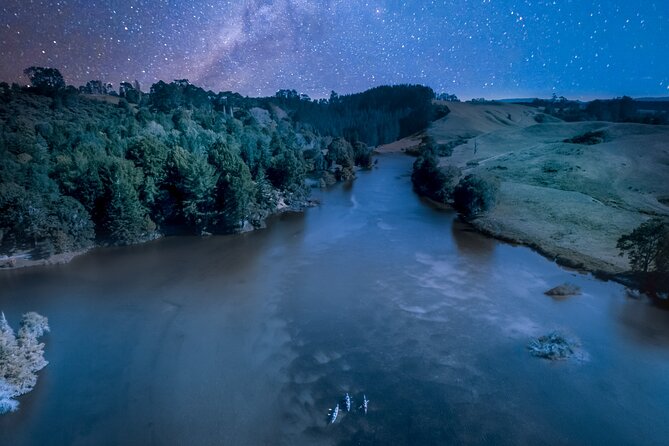
First, the timing. Starting near sunset gives you that gradual shift from forest light to night sky, so you’re not just dropping into black water and hoping for the best.
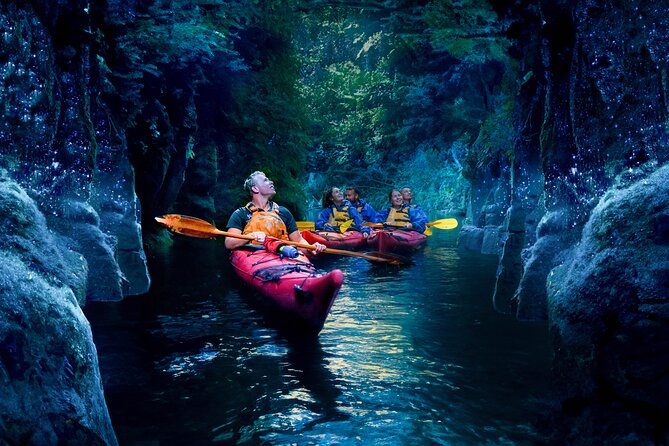
Second, the way the glow worms are presented. Instead of only seeing them from a cave wall, you get the feeling of floating in the canyon and watching the glow-worm lights hang on the cliff edges while birds and fish activity quiets down around you.
A possible drawback is price-to-experience fit. A few reviewers called it pricey for what’s essentially a guided paddle plus snacks, and I think that’s fair to weigh—this is mostly about the setting and the glow worms, not a long multi-stop day of big attractions.
Key highlights that make this tour feel worth it
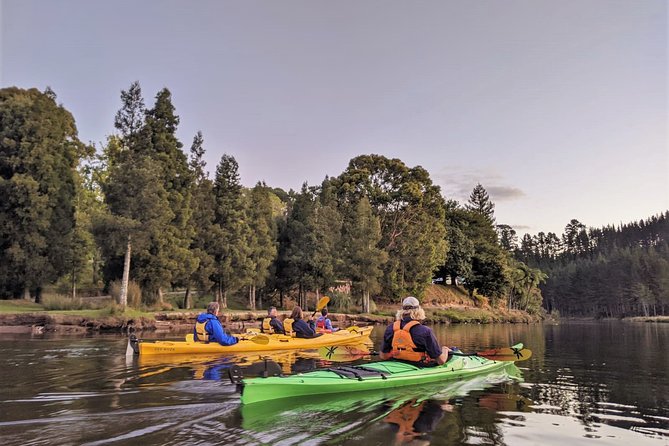
- Sunset timing on Lake McLaren: You get daylight-to-dark contrast, then a night-sky moment if conditions are clear
- Gear is included: No extra kayak or safety rental hassle
- Small-group feel (up to 30): You’ll spend more time with the guide than with a big crowd
- Guided glow-worm canyon entry: The lights look different from the water than from land
- Snacks and drinks on the shore: A shore stop sets a relaxed tone before you push off
- Real-world comfort tips show up in reviews: People recommend warm layers because you can get wet even with kayak gear
You can also read our reviews of more tours and experiences in Tauranga.
Sunset-to-night kayaking on Lake McLaren (and why it works so well)
This is the kind of Tauranga activity that makes sense the moment you realize you’re kayaking as the world turns off. You start with light in the sky, then the view slowly changes from trees and cliffs to a darker, quieter scene where glowing life becomes the star of the show.
On Lake McLaren, that contrast matters. Daylight lets you see the water and the shoreline clearly, so you build confidence early. Then when it gets dark enough, the glow worms start to feel like someone switched on tiny living lights along the cliff edges.
You’ll also appreciate the guide aspect more than you might think. Night paddling sounds scary, but the practical benefit is simple: you don’t have to navigate tricky routes alone. The guide handles the plan so you can focus on staying steady, enjoying the canyon, and noticing what the environment is doing.
Waimarino Adventure Park start: a short setup before the real water time
The tour kicks off at Waimarino Adventure Park, which is one of Tauranga’s longer-established tourism spots. You’ll spend a brief window there before moving on, and if you were hoping to treat that stop like a full adventure park visit, keep your expectations in check. The park admission isn’t included, so use the time to meet up, get briefed, and get ready—not to stack extra activities.
This first stop matters because it sets the tone. You’ll meet the group, connect with the host, and get the sense of how the night will run. It also helps you settle into the calm pacing before you’re wearing kayak gear and stepping into the dark.
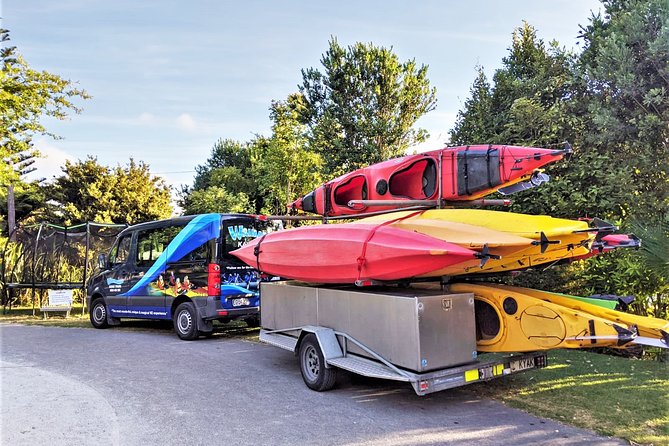
If you’re coming from Tauranga proper or Mount Maunganui, ask about transfers when you book. Transport is available for a fee, and having someone handle pickup can make the evening feel smoother instead of stressful—especially since this is a time-sensitive sunset experience.
McLaren Falls Park: where the snacks meet the wildlife and the sunset shift
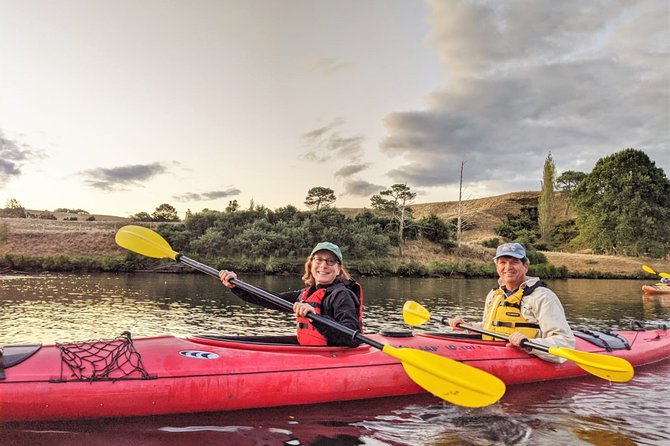
Most of the tour time centers around McLaren Falls Park at the edge of Lake McLaren. This is where you get the light refreshments before you set off in double kayaks, and it’s also where you start to notice how the day changes around the water.
Expect an easy, unhurried start: grab something to eat, settle into your kayak partner pairing, and watch how the park quiets down. Reviews also mention birdlife settling for evening, plus gentle fish activity like trout splashing. That’s a small detail, but it’s a good reminder that the glow worms are not the only thing happening at night—life is still there, it’s just moving differently.
You’ll get a little time at the NZ’s second largest arboretum area as well. This adds value if you enjoy big trees and bird spotting, because the night kayak is only part of the experience. Walking time helps you reset and spot wildlife before you focus on paddling and canyon viewing.
One small consideration: the boat-to-canyon route isn’t always silent in every moment. Some people reported needing to be towed past a loud hydro energy unit, which can reduce the sense of total wilderness for part of the trip. Still, the overall experience is usually about peace and lights, not about noise.
Entering the glow-worm canyon: what you should actually look for
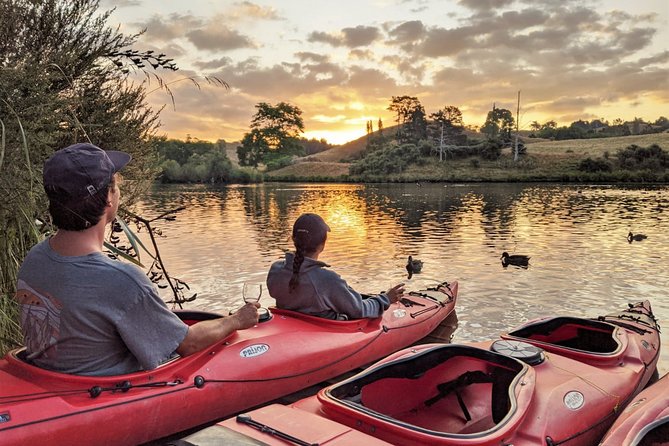
The main event is the glow-worm viewing from the kayak. The lights are bright green against the darker rock and cliff edges, and from the water the glow feels more personal—like you’re moving through a living light show rather than observing glow worms from a single fixed viewpoint.
Here’s the practical part: you’ll see the glow worms best when you’re steady and your attention is up. When you’re paddling, you’ll naturally look where you’re going, but give yourself moments to pause and watch the cliff walls. The glow is strongest where it’s closest to the shoreline and where the rock faces form clear lines.
Guides also explain the life cycle and the ideas behind glow worms, plus local science and stories. Names like Leo and Ellie have come up in feedback for making the explanation fun and approachable. If you’re the type who likes a bit of “why this happens” along with the “wow,” you’re likely to enjoy this part.
If it’s pitch dark when you’re in the canyon, you may find it hard to hear instructions. A few people mentioned they couldn’t catch everything while group dynamics and darkness made sound tricky. My advice: don’t worry about hearing every word while you’re focused on paddling. Instead, listen when you’re first briefed and rely on the guide for the action moments. You’re there to experience the canyon glow, not to attend a night lecture.
How hard is the paddle, really? (and what to wear)
This tour sits in a middle zone: it’s not white-knuckle kayaking, but it’s also not “sit back and do nothing.” Water conditions and your comfort level matter, and guides sometimes tow groups through certain sections to keep everyone safe and on schedule.
Some reviews describe it as relaxed, low-effort paddling with calm water early on. Others say the paddle can be somewhat strenuous and note it may not suit people who are less able-bodied. So I’d plan for steady work, not a free ride.
The best comfort strategy is to dress like you expect water. Reviews mention people getting soaked even with kayak skirts, and one commenter specifically recommended wearing the fleece provided. If you’re the kind of person who gets cold easily, treat this as a proper “warm layer” night, not a summer paddle.
What you should bring (if you have the option through your own packing habits):
- Warm layers for later in the evening
- A dry set of clothes for after the tour (you’ll be happier changing fast)
- If you wear glasses or contacts, consider what you do in wind and splash zones
And mentally: this is a night activity. Pitch dark changes everything about effort. Even if the water is calm, you may work harder because visibility is low and you’re more alert.
Small-group vibe and guide energy: the difference you can feel
When a tour is built around darkness, guide quality becomes more than “nice to have.” A good host makes everything feel manageable: where to put your hands, how to paddle with your partner, when to look up, and how to handle any minor crowd flow inside the canyon.
Reviews repeatedly highlight guides like Ellie, Leo, Lucy, Darragh, Christie, Frosty, Russ, and Hannah for being fun, friendly, and genuinely invested in the experience. Even when things go slightly sideways—like rain or harder current—people still describe the guides as doing the job and keeping the group together.
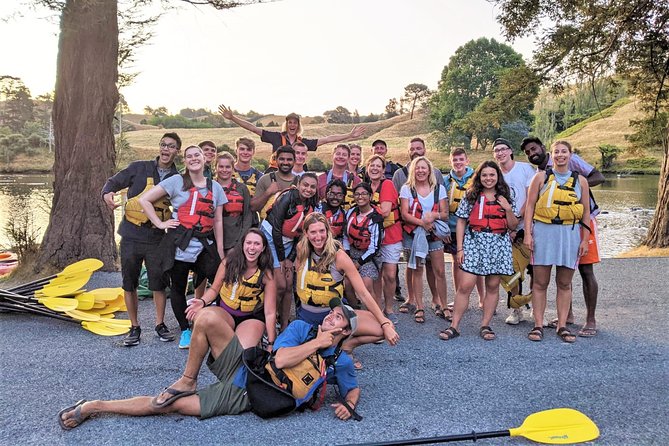
Also, the small-group structure helps your night feel personal. The tour allows up to 30 travelers, and some departures can run smaller. If you get a smaller group, you’ll likely get more time with your guide and fewer awkward delays while everyone finds their rhythm.
Weather, stars, and the “wow” factor you can’t force
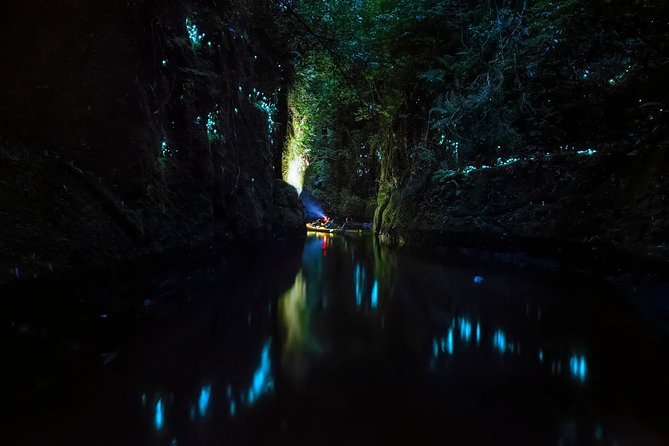
Glow worms are biological light, not a guaranteed special effect. The same is true for stars. On clear evenings, people report seeing the Milky Way and a starry Southern Hemisphere sky. On other nights, you might get fewer star moments, but the glow-worm viewing should still be the core payoff.
This tour requires good weather. If conditions are poor, you should expect a date change or a full refund based on how the operator handles weather cancellations. That’s not a trick—night paddling is exactly where wind and rain can change comfort fast.
My take: this is a great activity to book with a flexible mindset. If you’re in Tauranga for a few days, choose the most likely calm-weather evening—or take the operator’s recommendation if you’re unsure. The glow-worm experience gets dramatically better when the sky is clear enough to let the canyon lights pop.
Value check: is €136.05 per person a fair deal?
Let’s talk money in a no-drama way. €136.05 is not cheap for a 3 hours 15 minutes paddle night. Some people explicitly felt it was pricey for snacks and a guided kayak, and I get the argument: you’re paying primarily for access, expertise, and the unique night viewing.
So what makes it feel like value anyway?
1) Everything essential is included. You don’t need to find kayak rentals, safety gear, or organize equipment yourself. That saves time and hassle—especially if you don’t live locally.
2) You’re getting more than just paddling. You get shore refreshments, a structured evening plan, and guide-led wildlife talk. Even if the food is described as a snack rather than a full meal, it improves the start of the tour and keeps everyone comfortable while the sky shifts.
3) You’re paying for darkness access. Lots of places are pretty at daybreak. This is designed for night. That means routes, timing, and glow-worm viewing logistics are handled for you.
If you’re a “one standout experience” traveler—someone who wants a memorable Bay of Plenty night—this price can make sense. If you’re trying to maximize hours per euro, you may decide it’s more indulgent than necessary.
Should you book the Tauranga Evening Glowworm Kayak Tour?
Book it if you want a unique Tauranga night that mixes sunset paddling, guided glow-worm viewing from the water, and the chance of a real night-sky show. This fits well for couples, first-timers to kayaking, and anyone who enjoys nature with a story—science plus local legends.
Hold off or choose another option if you’re very concerned about getting wet, or if you know you’ll struggle with low-visibility paddling and possible towing. Also, if you need a big meal or a full day of attractions, this won’t be the kind of tour that fills every hour with activities.
My simple recommendation: if your schedule allows it, pick a calm-weather evening, dress warm, and arrive on time. Do those two things and the canyon lights are exactly the kind of moment you’ll still be thinking about on your next day trip.
FAQ
Where does the tour start?
The tour starts at 36 Taniwha Place, Bethlehem, Tauranga 3176, New Zealand, and it ends back at the meeting point.
How long is the Tauranga Evening Glowworm Kayak Tour?
It runs about 3 hours 15 minutes.
Do I need to rent kayaking equipment?
No. The tour includes the gear, so you skip the hassle of extra equipment rentals.
Are hotel transfers available?
Hotel transfers from Tauranga or Mount Maunganui can be arranged for a fee.
What are the group size limits?
A minimum of 2 people per booking is required to commence the tour, and the maximum is 30 travelers.
Is the tour suitable for most travelers?
The tour states that most travelers can participate.
What happens if the weather is poor?
This experience requires good weather. If it’s canceled due to poor weather, you’ll be offered a different date or a full refund.