REVIEW · TERLINGUA
Terlingua: Rio Grande Full-Day Guided Raft/Kayak/Canoe Trip
Book on GetYourGuide →Operated by Big Bend Boating and Hiking Company · Bookable on GetYourGuide
Rio Grande days feel like moving postcards. This full-day trip on the Rio Grande turns Terlingua into a front-row seat for class I rapids, canyon scenery, and the fun of floating right along the Texas–Mexico border.
What I really liked is how much the guides add to the trip. Eric, for example, doesn’t just point out scenery; he shares clear park and area context and takes time to chat with people personally, which makes it feel welcoming instead of rushed. You also get all the river gear plus dry-bag support, so you can focus on paddling and photos.
One consideration: the trip has real outdoors logistics. You’ll need shoes/clothes that can get wet, and you may also pay a park entrance fee on the day unless you’re covered by an America the Beautiful pass.
In This Review
- Key highlights to know before you go
- Why this Rio Grande float feels different than a typical day tour
- Meeting at Big Bend Boating and Hiking Company in Terlingua
- Choosing your ride: raft, canoe, or kayak (and why water levels control it)
- The canyon time you’ll actually remember
- Which canyon route you might see
- What about the rapids?
- Lunch on the river: simple, protected, and not a big hassle
- What the guides do that changes the whole experience
- Gear and clothing: the stuff that keeps your day comfortable
- Water conditions, current, and skill level: who will enjoy this most
- Price and value: what $160 buys you here
- Should you book this Rio Grande trip?
- FAQ
- Where do I meet for the trip?
- How long is the full-day guided trip?
- What kind of boats are available?
- Do I need to pay a park entrance fee?
- What should I bring?
- What clothing or footwear should I wear?
- Is the trip family-friendly and age-limited?
Key highlights to know before you go
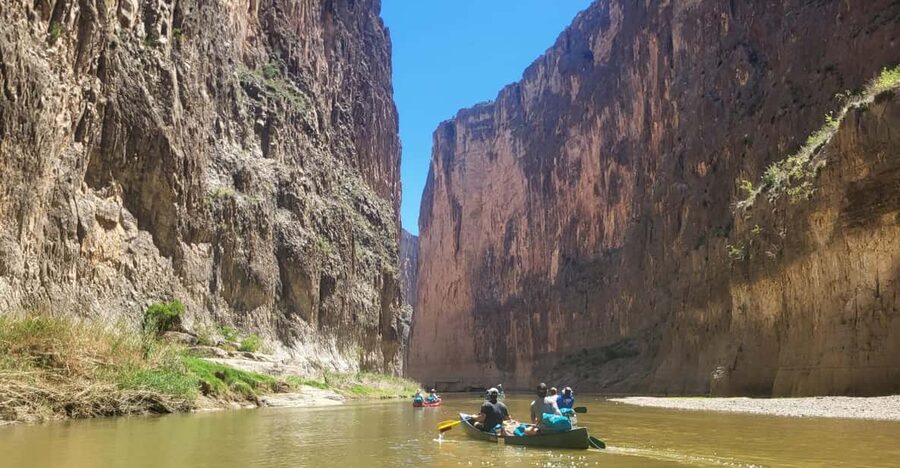
- Your route depends on water levels, so you’ll likely paddle one of several canyon options instead of a one-size-fits-all track
- Choose your boat: raft for first-timers, canoe for paddling with a bit of flexibility, kayak if you want more control
- Guide-led and gear-included, with dry bags, ice water, and the tools to make the day easy on you
- Border views on the water, with canyon scenery that stays interesting hour after hour
- Practical photo setup, since you’re floating the whole time with plenty of chances to snap pictures with your group
Why this Rio Grande float feels different than a typical day tour
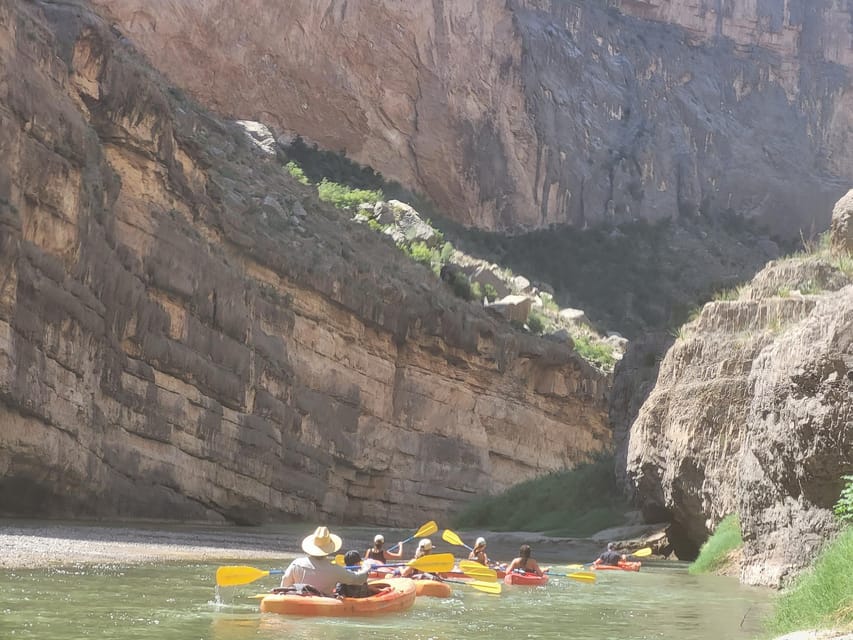
Terlingua sits at the edge of a big, dramatic landscape, and this trip uses that setting well. Instead of a quick drive-by, you’re actually on the water, moving at a pace where you can look up at the canyon walls, turn your head to catch wildlife, and still make progress without feeling rushed.
I like that the day has two speeds: one for paddling and one for just watching. The trip is guided and equipped, so you’re not figuring out the river while also trying to enjoy it. And because it’s a guided outing through Big Bend area waters, you get more meaning out of what you see—history and context help the scenery land harder.
This isn’t extreme whitewater. You’ll be navigating class I rapids, which means it’s active and fun, but not the kind of situation that requires expert skills to enjoy the day. That balance is part of the appeal.
Meeting at Big Bend Boating and Hiking Company in Terlingua
You start at the Big Bend Boating and Hiking Company office in Terlingua. It’s in a black building with an orange sign out front, which makes it easier to find if you arrive a little early.
From there, you drive down to the river. That one-hour van ride matters more than you might think: it sets you up for the day so you can spend your energy on the water, not on navigating logistics. Also, since your route/canyon choice depends on water levels, the guide’s pre-trip orientation helps you understand what you’re doing and why.
If you’re the kind of person who likes to be prepared, this is a good setup. You’ll get the core guidance you need before you’re in the boat, and then the day keeps moving.
Choosing your ride: raft, canoe, or kayak (and why water levels control it)
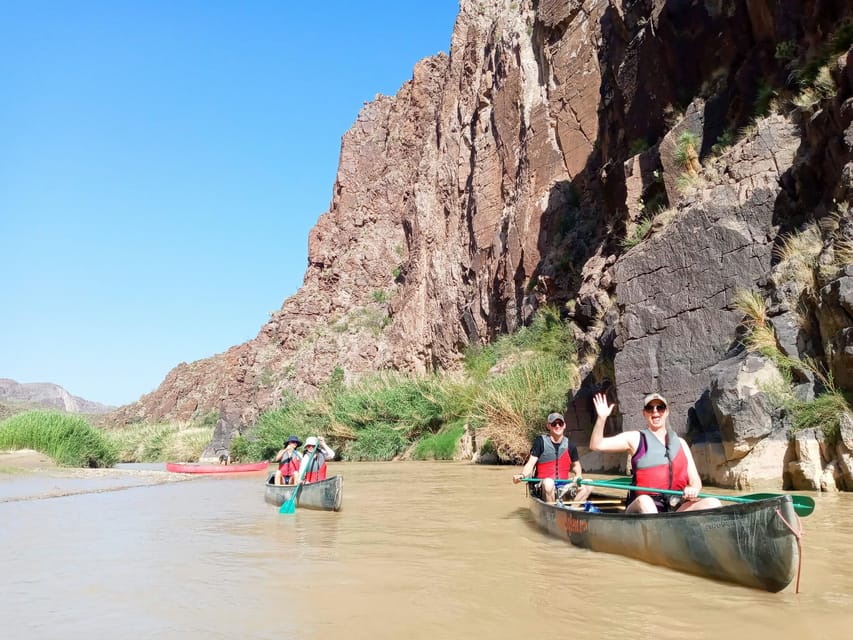
This is one of the most practical things about the trip. You don’t always get to pick your exact craft ahead of time in the abstract—the water level decides what’s best that day.
Here’s how the boat choices typically work:
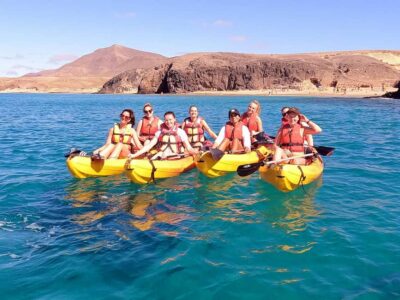
- Rafts: best if you’re new and want a more relaxed, stable ride while still getting the canyon views
- Canoes: good if you want to paddle as part of a team; canoes are two-seaters, and there’s an option for smaller kids to ride in the middle
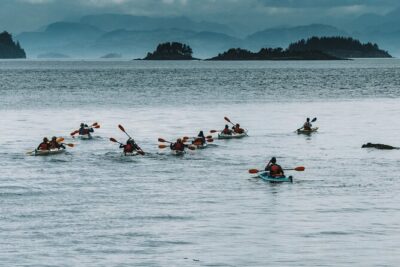
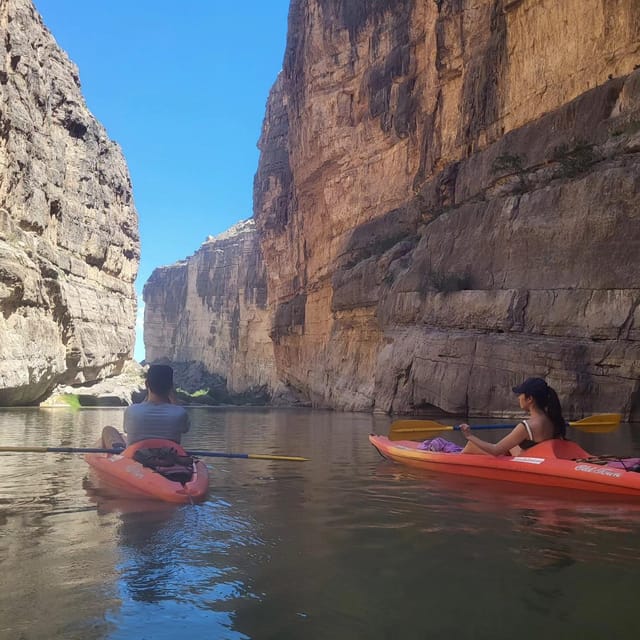
- Kayaks: great if you want more direct paddling control; kayaks can be single or tandem, and some are sit-in or sit-on-top styles depending on what’s available
Even if you’re an experienced paddler, choosing the wrong craft can make the day less fun. That’s why this “fit to water conditions” approach is smart. It’s not just a marketing line—it changes how you feel on the water.
One more real-world detail: the trip notes there’s not much current, so you’re not going to be getting whipped around. That makes it friendlier for new-to-the-river people, but it also means good paddling technique and comfort matter more than brute survival instincts.
The canyon time you’ll actually remember
Once you’re in the river, the day becomes about scenery, pacing, and learning how to handle the boat in a guided setting.
You’ll spend multiple blocks on the water (with a lunch break in between). The total time on the water feels like a true half-day of movement, not a short “try it once” experience. That matters because Big Bend-area canyons aren’t just pretty—they’re interesting. If you only pass through quickly, you miss the slow-burn details: changes in the canyon walls, light shifts, and those moments when you realize you’re floating along a border area with big open space on both sides.
Which canyon route you might see
Your canyon choice depends on water levels, and the guide may confirm which one you’re doing a few days ahead if you reach out. Here are the main route types:
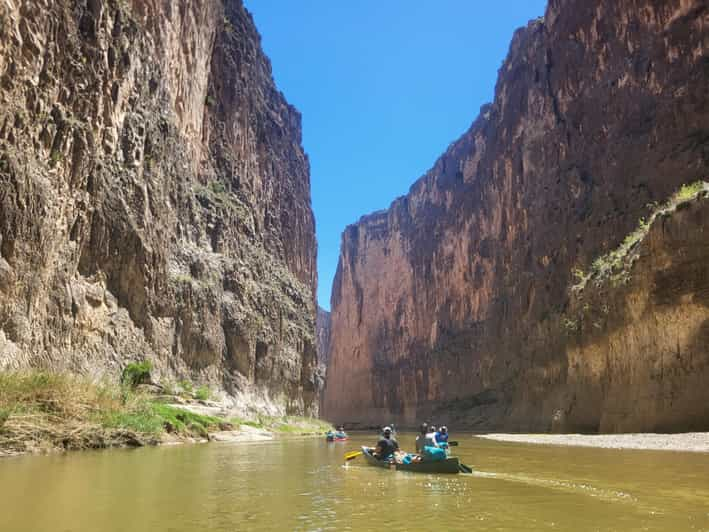
- High water route: floating through either Santa Elena or Colorado Canyon
- Medium water route: kayaking through Hot Springs Canyon, including a stop to soak in the hot springs
- Low water route: you may paddle Upper Canyons downstream, or do a Santa Elena Canyon boomerang where you paddle upstream, take lunch, then float back down
That variety is a big part of the value. It means two people booking on different days might end up with a noticeably different canyon experience, even though the trip structure stays consistent.
What about the rapids?
You’ll navigate class I rapids. Translation: expect gentle, fun-moving sections where the boat may bob a bit and you’ll use basic paddling and steering skills. It’s the kind of challenge that feels like you did something, without turning the day into a constant white-knuckle event.
Lunch on the river: simple, protected, and not a big hassle
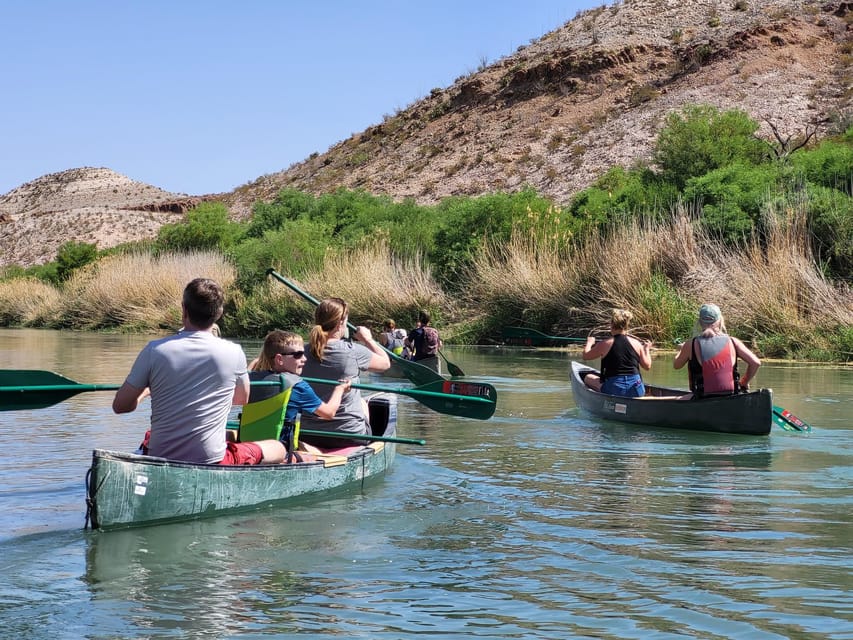
Lunch is built into the day with time to eat without it feeling rushed. You’ll get a cooler to pack your lunch into, which is a quiet win for comfort. Keeping food cool helps, especially when you’re in sun and heat.
Because you’ll be in and out of gear and handling paddling items, it’s also smart that the trip provides dry bags. Your personal items can stay protected so lunch doesn’t turn into a juggling act.
A practical tip: bring food you can eat without drama. The day is active enough that you’ll want snacks and a lunch that doesn’t require fuss.
What the guides do that changes the whole experience
This is where the trip can feel “just okay” or genuinely memorable, depending on the guide. The best part is that the guides don’t treat the day like a checklist.
Eric’s style stood out in the feedback I’ve seen—he shares lots of park and area information, and he takes time to talk with people directly. That makes a difference if you’re the type who likes to understand what you’re looking at.
Other guides also get credit for being friendly and keeping things well-organized, with a chilled vibe that makes paddling feel approachable. Names like Tanner, Charlie, and Amanda come up for a reason: you get competence plus a relaxed tone, not stiff formality.
And since you’re learning or improving skills while on the water, the guide’s coaching matters. Even if you’re comfortable paddling, you’ll likely pick up small tweaks that make steering and timing easier in the moment.
Gear and clothing: the stuff that keeps your day comfortable
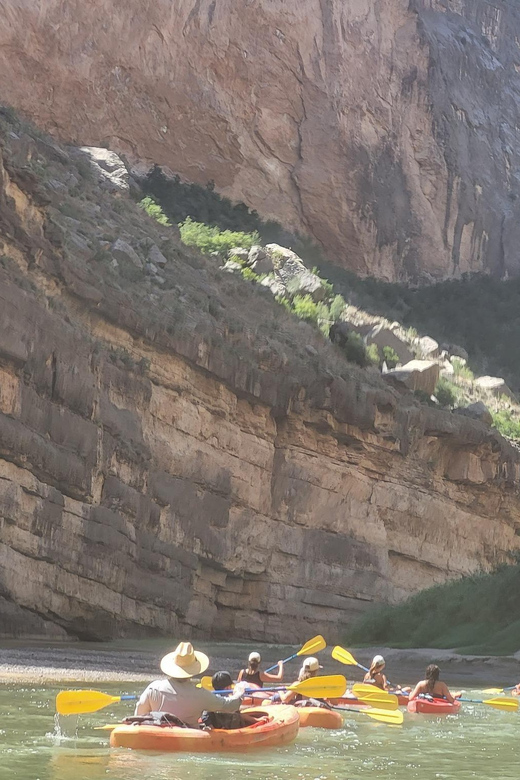
The trip includes all necessary river gear, dry bags for your personal belongings, and even ice water so you can refill your bottle. That’s a lot less hassle than piecing together a river kit yourself.
What you provide is mostly about comfort and staying functional in wet conditions:
- Wear comfortable clothes you don’t mind getting wet
- Wear water shoes or sturdy shoes that can handle river use
- Skip flip-flops and anything that can easily fall off your feet
- Bring sunscreen and bug spray
- If it might be cool, dress in layers
- Bring rain gear if needed
- Bring a hat and a camera (there’s also a dry bag available for cameras)
No glass objects are allowed, so plan your drinks and storage accordingly.
Also keep in mind this isn’t suggested for everyone. It’s not suitable for people with back problems or for non-swimmers. If either of those applies, the “fun” parts won’t outweigh the safety concerns.
Water conditions, current, and skill level: who will enjoy this most
I like how the trip is set up to meet different comfort levels without pretending everyone is the same.
- If you’re a first-timer, a raft can make the day much easier because stability helps you focus on the scenery and the guided instructions.
- If you want active participation, a canoe or kayak is a better fit because you’re paddling more directly and can work on your technique.
- Since there’s not much current, it’s less about fighting the river and more about using basic paddling skills well.
You also get the learning benefit built into the format: you’re on the water long enough that small technique improvements actually show up by the end of the trip.
Age-wise, it’s open to anyone 3 and up, which makes it a solid option for families—especially since canoe seating can be flexible with smaller kids in the middle section.
Price and value: what $160 buys you here
At $160 per person for a 7-hour guided experience, you’re not just paying for a river ride. You’re paying for a whole system: guidance, equipment, dry-bag protection, and the structured day that keeps you from thinking about logistics.
What helps justify the cost:
- Guides running the show and helping you learn on the water
- River gear and dry bags included, which saves you from buying or renting basics
- A cooler and ice water to support a comfortable lunch and hydration
- Enough time on the river to feel like you got a real experience, not a quick outing
The main value “gotcha” is that park entrance fees are not included if you enter the national park. Your America the Beautiful pass can cover the whole group, but you’ll want to have that ready (or confirm on the morning of the trip which park you’ll be floating in). There’s a chance you float in Big Bend Ranch State Park where the national park entrance fee wouldn’t be required, but you’ll be making that call based on what’s happening that day.
If you’re already priced out on tours, the best comparison isn’t another river in a different state—it’s DIY. If you had to rent gear, plan routes, and manage a safe, guided plan on short notice, the trip starts to look like a fair deal.
Should you book this Rio Grande trip?
Book it if you want a guided, hands-on canyon day where you paddle at a friendly skill level and you still get big scenery time. This is ideal for:
- couples, friends, and families who want a fun active day without complicated planning
- people who like learning while doing
- anyone who wants a guided floating experience with class I rapids and frequent photo moments
Consider skipping (or choosing a different format) if:
- you have back issues
- you don’t swim
- you’re not willing to get wet or handle outdoors clothing needs
If you’re flexible about the exact canyon you’ll paddle, you’ll likely get an experience that matches the day’s conditions instead of forcing a one-route plan. That’s a smarter way to do river trips in Big Bend country.
FAQ
Where do I meet for the trip?
Meet at the Big Bend Boating and Hiking Company office in Terlingua. Look for the black building with an orange sign out front.
How long is the full-day guided trip?
The duration is about 7 hours.
What kind of boats are available?
You can choose between a raft, canoe, or kayak, depending on the water levels. Rafts are ideal for first-timers, canoes are two-seaters (with the option for smaller kids in the middle), and kayaks can be single or tandem (sit-in or sit-on-top).
Do I need to pay a park entrance fee?
Yes, you must pay your own park entrance fee when entering the national park. An America the Beautiful pass or a 7-day vehicle pass covers the whole group. There is a chance you may float in Big Bend Ranch State Park where this entrance fee may not be required.
What should I bring?
Bring a hat, camera, snacks, sunscreen, comfortable clothes, a packed lunch, water shoes, and a reusable water bottle.
What clothing or footwear should I wear?
Wear clothes and sturdy shoes you don’t mind getting wet. Sandals, rubber rain boots, or old tennis shoes can work as long as they stay secure. Avoid flip-flops and shoes that come off easily. Dress in layers if it’s cold and bring rain gear if needed.
Is the trip family-friendly and age-limited?
It’s suitable for ages 3 and up. There’s also canoe seating that can accommodate smaller kids in the middle.