REVIEW · TROMSO
Tromsø: Winter Sea Kayaking Tour with Wildlife Sightings
Book on GetYourGuide →Operated by Norwegian Travel · Bookable on GetYourGuide
Cold water, huge views, real wildlife. This Tromsø winter sea kayaking tour guides you through fjords and snow-covered islands in tough-but-beautiful conditions, with built-in chances to spot eagles, seals, and seabirds. I love how the drysuit setup removes most of the fear factor, and I also love the wildlife focus that makes the trip feel like more than just sightseeing. One thing to keep in mind: the day is weather-dependent, so you may need to reschedule for safety.
What makes it especially appealing is how the experience is paced and supported. You’re in a small group (up to 10), you get a proper safety briefing and a short technique intro, and you’re not expected to be a strong paddler on day one. After you’re done, you warm up with hot drinks and snacks by the fire at basecamp, which turns the whole outing into a proper arctic reset.
The main consideration isn’t the kayaking itself. It’s the winter logistics: you’ll be getting into dry gear, dragging a kayak into and out of the water, and you may find changing space basic and tight. I’d pack for cold effort, not just cold air.
In This Review
- Key Things That Make This Winter Sea Kayak Tour Worth It
- Winter Sea Kayaking Around Tromsø: Why It Feels Different
- The 5–6 Hour Plan: What Happens From Basecamp to Back Again
- What a Typical Flow Feels Like
- Drysuit, Gloves, Boots: Gear That Actually Changes Your Day
- Wildlife Encounters From a Kayak: Eagles, Seals, and Seabirds
- How Hard Is It Really? Pacing, Effort, and Beginner Comfort
- Price and Value: What $225 Includes (and Why It Adds Up)
- Weather, Polar Nights, and Light: When the Views Are Best
- Transfers From Tromsø or Sommarøy: Getting There Without Drama
- Who This Tour Is Best For (and Who Should Skip It)
- Should You Book This Winter Tromsø Sea Kayak Tour?
- FAQ
- How long is the Tromsø winter sea kayaking tour?
- Do I need kayak experience before going?
- What wildlife can I realistically expect to see?
- What gear is included?
- Is food included?
- Is transfer from Tromsø included?
- Where do I meet the guide?
- What should I bring?
- What happens if weather is unsafe?
Key Things That Make This Winter Sea Kayak Tour Worth It
- Full winter gear included so you can focus on paddling and spotting wildlife, not shopping gear
- Beginner-friendly instruction with a safety-first briefing and hands-on technique help
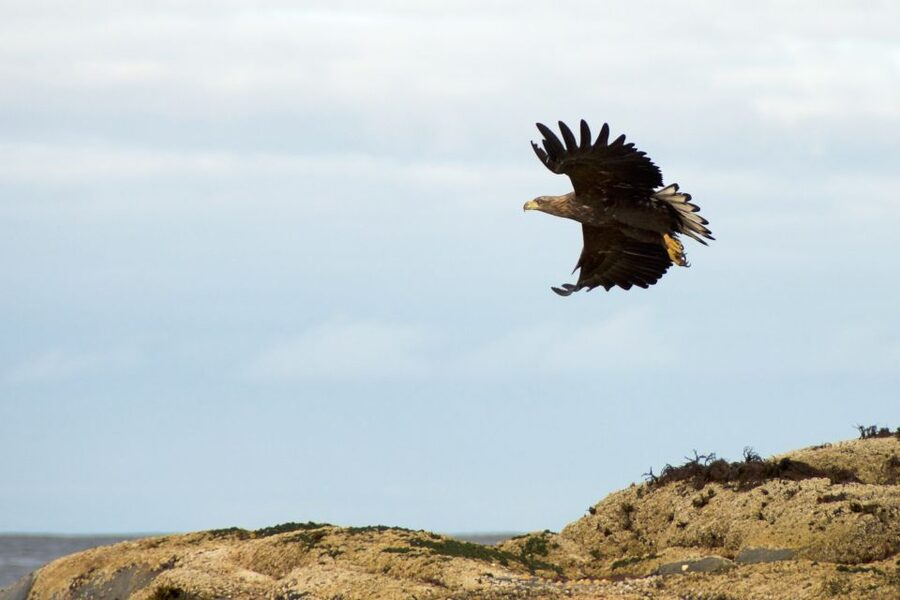
- Real wildlife odds around food-rich waters, including seals, eagles, and seabirds
- Small-group pacing where guides keep an eye on everyone and regroup as needed
- Hot drinks and snacks by the fire to bring you back to “human” after cold water time
- Transfer options that reduce stress on a weather-heavy day
Winter Sea Kayaking Around Tromsø: Why It Feels Different
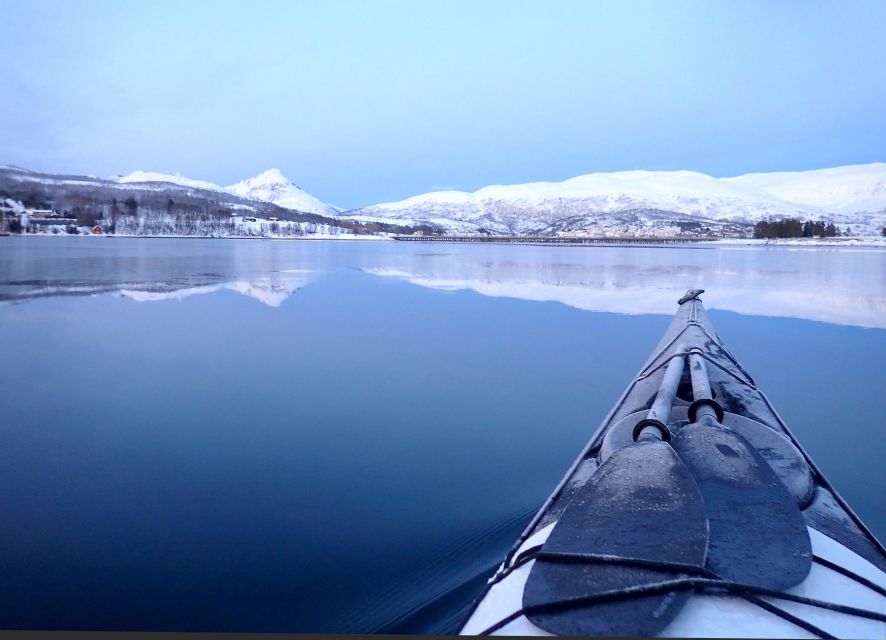
Winter near Tromsø has a special kind of stillness. When the fjords and islands sit under snow, the water can look glassy, and the air feels sharp and clean. In late fall and winter, you also get dramatic light: crisp sunsets, and in the darkest period (roughly mid-November to end of January), polar-night skies with stars overhead day and night.
This matters because sea kayaking is quiet by nature. You’re not blasting music or rushing through a photo stop. Instead, you glide through sounds and archipelagos where small movements from you and the kayak can suddenly feel huge. Several guides and guests emphasize the sense of silence you get on the water, including days where you can hear waves interacting with ice.
The other big difference is the wildlife timing. Winter water around Tromsø is food-rich, so you’re not just hoping for a rare animal encounter. You’re paddling where life is actively working the sea—below the surface and sometimes right near it.
You can also read our reviews of more tours and experiences in Tromso.
The 5–6 Hour Plan: What Happens From Basecamp to Back Again
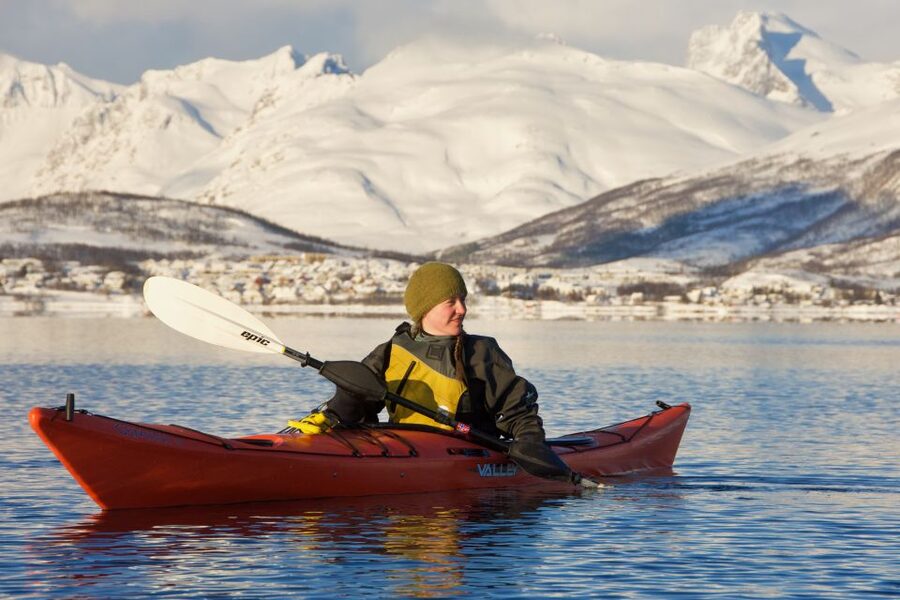
You start at basecamp after the transfer (if you booked it). The day begins with suiting up in a drysuit, plus warm gloves and boots. Then you get a safety briefing and a short introduction to kayaking technique—how to handle your paddle, how to move as a group, and how to stay steady in winter conditions.
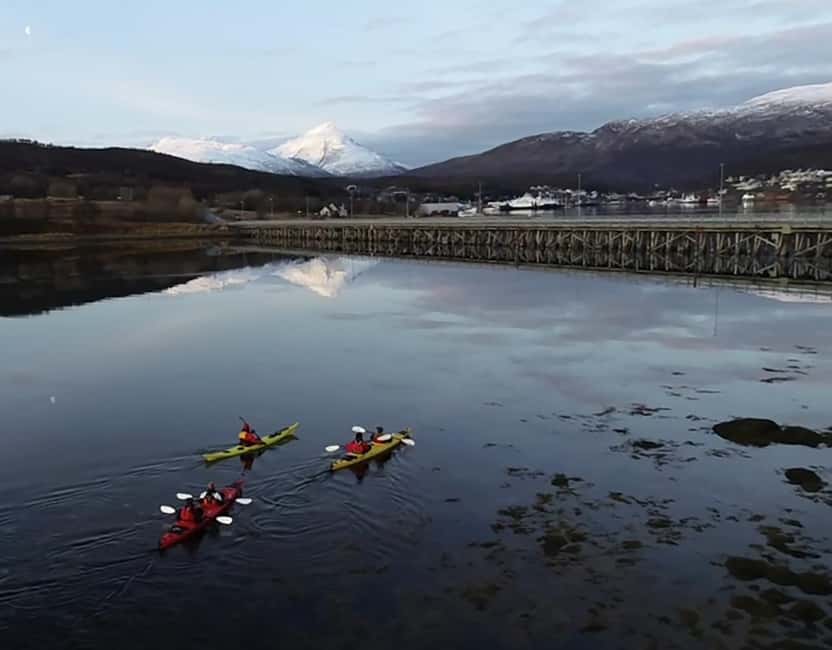
Once everyone is geared up, you head out through fjords, sounds, and islands that are coated in snow. This is the part most people remember: the visual contrast of bright snow against the gray-blue water, plus the way the mountains reflect when conditions are calm. Expect a course that stays weather and group-friendly, with planned regrouping and wildlife scanning stops.
Wildlife spotting usually shapes the pace. On some days, you might see seals or seabirds early. On other days, you might work for it a bit, and that’s normal in winter. The good news is the guides are actively watching where animals feed and how the group is positioned for the best viewing.
When you return, the tour shifts from “arctic adventure” to “warm it up and talk about it.” You’ll warm by the fire at basecamp with hot drinks and snacks, and you can add your own packed lunch if you want. That mix—movement outside, warmth inside, time to share what you saw—is part of why this feels like an experience, not just a transfer-and-paddle.
What a Typical Flow Feels Like
- Suit up and get guided technique and safety basics
- Paddle through snow-covered sounds and islands, regrouping as needed
- Wildlife scanning along the route, with patience when animals are shy
- Back to basecamp for warm drinks and a chance to relax
Drysuit, Gloves, Boots: Gear That Actually Changes Your Day
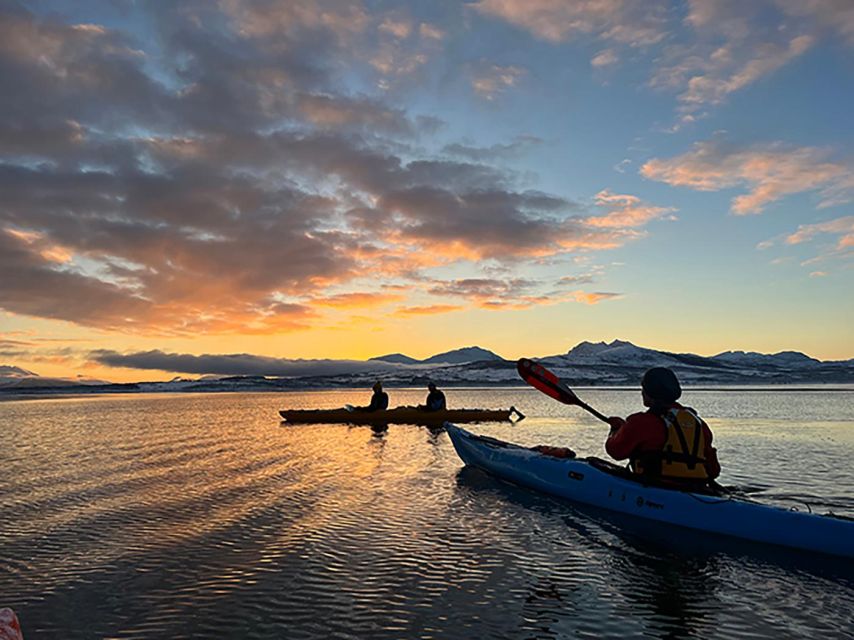
The biggest “make it or break it” factor is staying warm and dry. This tour provides a drysuit plus warm gloves and boots, and that’s what lets beginners enjoy the water without constantly thinking about freezing. Most people go in expecting the cold to dominate the experience, then realize the gear setup is doing the heavy lifting.
You’ll still feel cold if you dress wrong or under-layer too lightly. The tour info is clear: wear warm clothing with several baselayers under the drysuit. If you’re the type who runs cold, bring extra thin layers so you can adjust once you’re suited up.
Boot fit is another practical detail. In one case, a guest noted the boot sizes were limited and they had to use boots that were several sizes bigger than ideal. That can make walking on pebbly shore a bit awkward. If you can, share your EU shoe size when you arrive so the guides can match you to what’s available.
Also note that changing facilities are described as basic and somewhat cramped. That’s not a dealbreaker, but it’s good to know so you’re not surprised. Use the time efficiently: gear on, out the door, then let the jacket-and-hot-drink part take over after the paddle.
Wildlife Encounters From a Kayak: Eagles, Seals, and Seabirds
Wildlife on the sea is always partly luck. But winter kayaking around Tromsø has something going for it: animals concentrate where food is. That means the guides can lead you to productive spots, and you’re more likely to see activity than you would on a random day.
Seals are the big star. You may spot them bobbing at the surface, showing curious heads, or appearing around harbors and sheltered areas. Sometimes guests see seals right at the start; other times they find a group after a while. Either way, patience pays off. When seals are around, they often don’t rush toward you—so keep watching the water line and don’t panic if visibility changes.
Eagles and seabirds are also part of the deal. Guests reported seeing eagles during the trip, plus multiple seabird types while out on the fjord. The kayak angle helps: you’re at water level, moving slowly, so animals can notice you but you’re not towering over them.
A real bonus is how the guides manage the group. If conditions get rough, or if someone needs help, the team keeps you protected from harsh wind and maintains safe spacing. There’s even mention of a system where tired paddlers can be tied to a rope and helped along. That kind of practical support is what turns wildlife watching into a calm experience instead of a stressful one.
How Hard Is It Really? Pacing, Effort, and Beginner Comfort
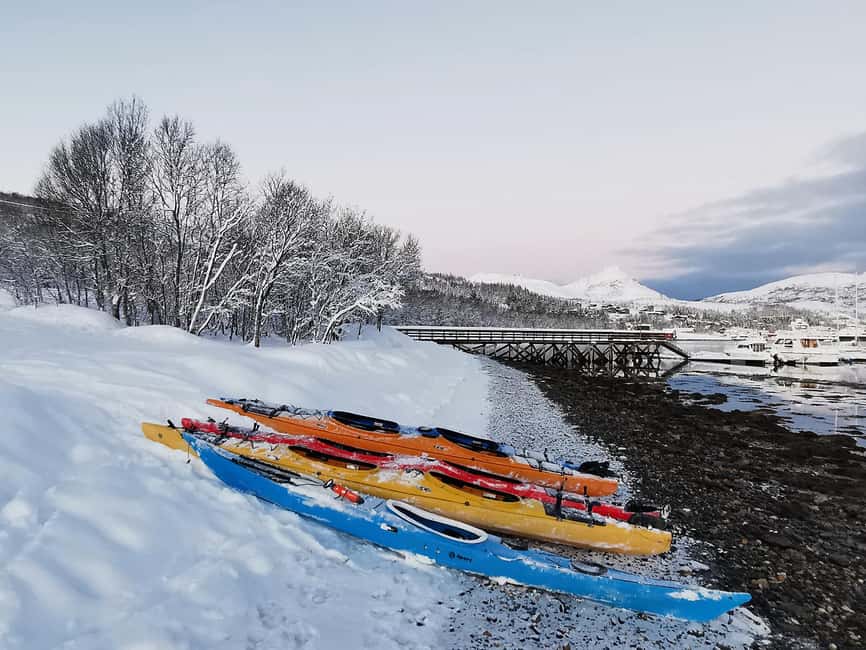
This isn’t white-knuckle kayaking. It’s winter sea kayaking with real conditions, but the pacing is designed to keep you moving without frying you. People who had zero kayak experience still finished the tour with smiles, and guides are praised for waiting for slower paddlers and keeping a manageable rhythm.
That said, winter kayaking isn’t totally effortless. You’ll drag the kayaks into and out of the water, which takes some strength and balance. You’ll also step around on shore areas that can be pebbly, and that’s where boot fit matters. One guest described the day as more physically active than expected, and another described it as not as demanding as they feared. The truth is somewhere in the middle: you’ll work a little, but it’s guided work.
If you’re worried about staying warm while paddling hard, keep in mind the drysuit does most of the temperature control. Your job is to wear the right layers and listen to the guides. If you’re tired, the guides can adjust support and help you keep the group together.
Price and Value: What $225 Includes (and Why It Adds Up)
At $225 per person for a 5–6 hour tour, you’re paying for more than time on a kayak. You’re paying for winter safety equipment, certified local guidance, and a setup that lets you paddle in cold water without renting a bunch of gear separately.
Included items that drive value:
- Kayak and paddle
- Drysuit
- Warm gloves and boots
- Certified local guide (English)
- Hot beverage and snack after the tour
- Optional bus transfer
Also, the format matters. Small group sizes mean you get real instruction and attention, not a crowd shuffle. And warm drinks and snacks at the end aren’t an afterthought; they make it easier to recover right after your cold-water effort.
What’s not included is a full meal. If you want more than snacks, bring your packed lunch. Many people use the post-paddle warm-up time to eat and relax.
Weather, Polar Nights, and Light: When the Views Are Best
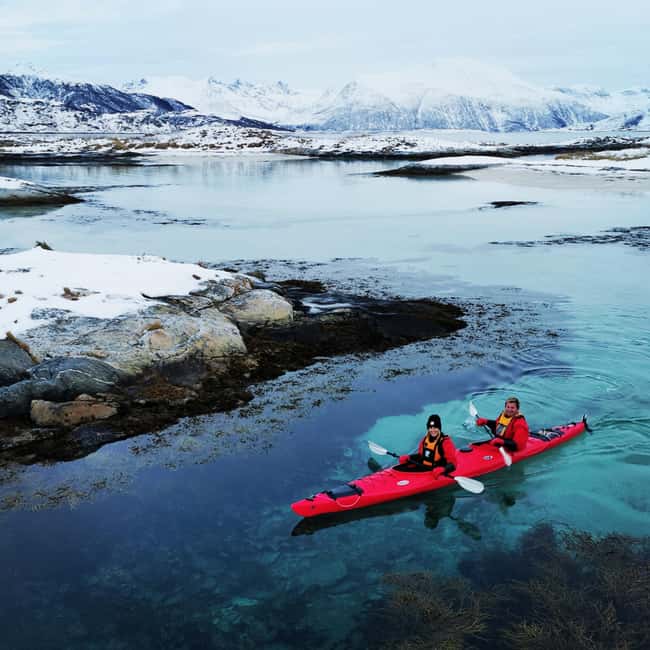
Winter in Tromsø can be stunning one day and miserable the next. The tour is weather-dependent, and that’s a good thing. The guides reschedule or cancel for safety if conditions aren’t right, and you get a refund if the tour is canceled.
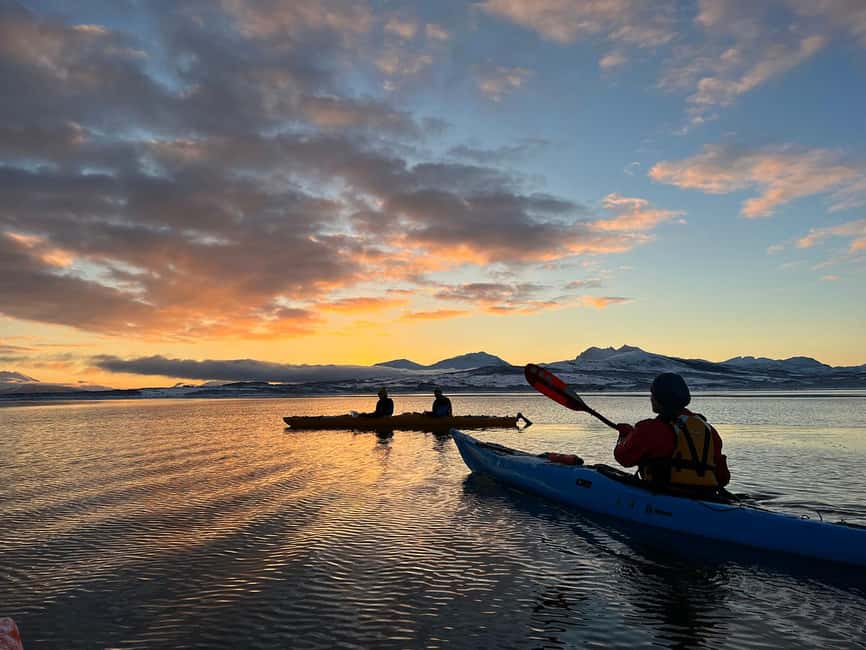
Light is one of the biggest selling points. In late fall, you get clear daylight and sunset drama. During polar-night season, you may experience constant darkness with stars visible—so the night sky becomes part of the paddle. That can make the scenery feel extra unreal, even if you’re not chasing the northern lights directly.
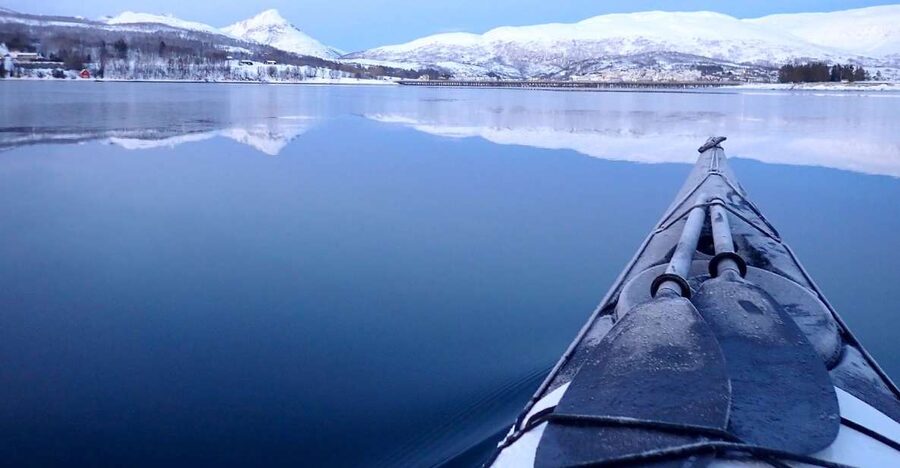
On calm days, water can look like a mirror, and the mountains can reflect sharply. On icy days, you may encounter floating ice sheets, and some guests report even paddling where thin ice is present, with the sound of waves moving through ice. Those moments are exactly why the tour focuses on the winter fjord system rather than a generic “kayak somewhere” route.
Transfers From Tromsø or Sommarøy: Getting There Without Drama
Tromsø itself is busy, and winter weather can turn directions into a guessing game. This tour offers a bus transfer option, depending on what you book, with pick-up from Tromsø and sometimes from Sommarøy Arctic Hotel.
The drive is usually short—around 20 to 30 minutes in typical accounts—so you’re not spending your day stuck in a van. You also arrive with enough time to suit up properly, which helps your comfort and reduces chaos.
Just plan around the fact that meeting point can vary based on your selected option. Once you book, follow the exact instructions you receive so you show up at the right place.
Who This Tour Is Best For (and Who Should Skip It)
This is a strong fit if you:
- Want a guided winter activity where gear is provided
- Like wildlife watching from a close, low-impact perspective
- Prefer small groups and steady instruction
- Can handle some cold effort and a little physical work dragging kayaks
It’s not a fit if you’re:
- Under 14 years old
- Over 80 years old
- Using a mobility aid or dealing with mobility impairments
Those boundaries exist for good reason. Winter kayaking involves getting suited, stepping carefully, and managing balance in and out of the water.
If you’re nervous about kayaking specifically, don’t overthink it. Guests consistently describe beginners doing fine with the guidance and pace. The key is showing up dressed properly and being honest if you have medical concerns you want the guides to know.
Should You Book This Winter Tromsø Sea Kayak Tour?
I’d book it if you want an arctic experience with structure: a guide-led paddle, proper winter gear, and a meaningful wildlife chance in snowy fjords. The combination of drysuit warmth, small-group attention, and warm basecamp time after the water is what makes this feel like a complete outing.
Skip it if you hate cold weather logistics, you’re not comfortable with dragging a kayak a short distance, or you can’t handle weather uncertainty. Since conditions control the route and sometimes the tour itself, it’s a better choice for people who can be flexible with their schedule.
If your timing matches the late fall or winter season around Tromsø, this is one of the clearest ways to see the place from the water and come away with more than photos.
FAQ
How long is the Tromsø winter sea kayaking tour?
The tour runs about 5 to 6 hours.
Do I need kayak experience before going?
No. The tour includes instruction and a safety briefing, so you can join even if you have no experience.
What wildlife can I realistically expect to see?
You may see wildlife such as seals, eagles, and seabirds, depending on conditions and where animals are feeding.
What gear is included?
The tour includes the kayak and paddle, drysuit, warm gloves and boots, and a certified local guide. You’ll also get a hot beverage and a snack.
Is food included?
Hot beverage and a snack are included. A full meal is not included, so bring a packed lunch if you want more food.
Is transfer from Tromsø included?
Transfer by bus is optional and depends on the option you book. It may also include transfer from Sommarøy Arctic Hotel.
Where do I meet the guide?
The meeting point can vary depending on the option booked.
What should I bring?
Bring warm clothing, several baselayers, a change of clothes, water, and a packed lunch.
What happens if weather is unsafe?
The tour is weather-dependent and may be rescheduled or canceled for safety reasons. If the tour is canceled, you’ll receive a full refund.