REVIEW · ADELAIDE
Adelaide: Dolphin Sanctuary Eco Kayaking Tour
Book on GetYourGuide →Operated by Dolphin Sanctuary Kayak Tours · Bookable on GetYourGuide
Mangroves hide dolphins in plain sight. This Port Adelaide eco kayaking tour takes you through 10,000-year-old creeks where seagrass and tidal flats help shape the whole food chain, not just a photo stop. You’ll also get chances to see birds and colorful marine life, plus abandoned shipwrecks when conditions line up.
What I love most is the way the tour blends calm paddling with real interpretation from a guide who knows the ecosystem. I also liked that first-timers can go at a comfortable pace—guides like Mark, Paddy, Liam, Alex, Fiona, and Brayden are repeatedly praised for clear safety help and practical dolphin etiquette (watch, don’t chase).
One thing to plan for: you can’t count on guaranteed dolphin sightings or paddling close to shipwrecks, since wild animals, weather, and tides change what’s possible that day.
In This Review
- Key points before you go
- Port Adelaide starts at Angas Inlet Boat Club
- The 15-minute safety briefing that keeps it low-stress
- Kayaking the dolphin sanctuary: 10,000-year-old mangrove creeks
- Dolphins in the wild: why sightings vary (and how the tour handles it)
- Shipwreck passes: where you might see more, or just learn why you can’t
- Guides and marine biology talk: more than a “look and go” tour
- Pace, timing, and the reality of a three-hour paddle
- Price and what you truly get for $55
- What to bring for mangroves, sun, and photo-friendly water
- Who should book this eco kayaking tour
- Should you book the Adelaide Dolphin Sanctuary Eco Kayaking Tour?
- FAQ
- Where does the tour meet?
- How long is the Adelaide Dolphin Sanctuary eco kayaking tour?
- Do I need prior kayaking experience?
- What’s included in the price?
- Is dolphin and shipwreck viewing guaranteed?
- What are the age requirements for children?
- What should I bring?
Key points before you go
- 10,000-year-old mangroves: you’re paddling feeding grounds linked to seagrass, saltmarsh, tidal flats, and creek systems.
- Marine biologist-led guidance: you get both safety instruction and ecology context while you’re on the water.
- Beginner-friendly kayaking pace: you don’t need prior experience, and the route is paced for comfort.
- Dolphins are a chance, not a promise: sightings depend on tide and conditions, and the tour follows wild-animal rules.
- Shipwreck areas may be limited: wind, tide, and safety factors can affect how close you can go.
- Water-based gear is included: kayak + life jacket + a waterproof bag, plus water to top up your bottle.
Port Adelaide starts at Angas Inlet Boat Club
Your tour begins at Angas Inlet Boat Club, Lot 204 Garden Island Road, Port Adelaide. This matters because you’re not stuck with a long scenic transfer first—you’re heading straight into the water area that makes this outing special.
Port Adelaide is a working coastal zone, so plan around getting yourself there by car or taxi. Once you’re at the club, the flow is simple: you sign in, meet your group, then get kitted out before heading into the mangroves.
The big win here is time. You’re paying for a real chunk of paddling (about three hours in the sanctuary zone), not just a quick coastal cruise with a few minutes of “activity” sandwiched in.
You can also read our reviews of more tours and experiences in Adelaide.
The 15-minute safety briefing that keeps it low-stress
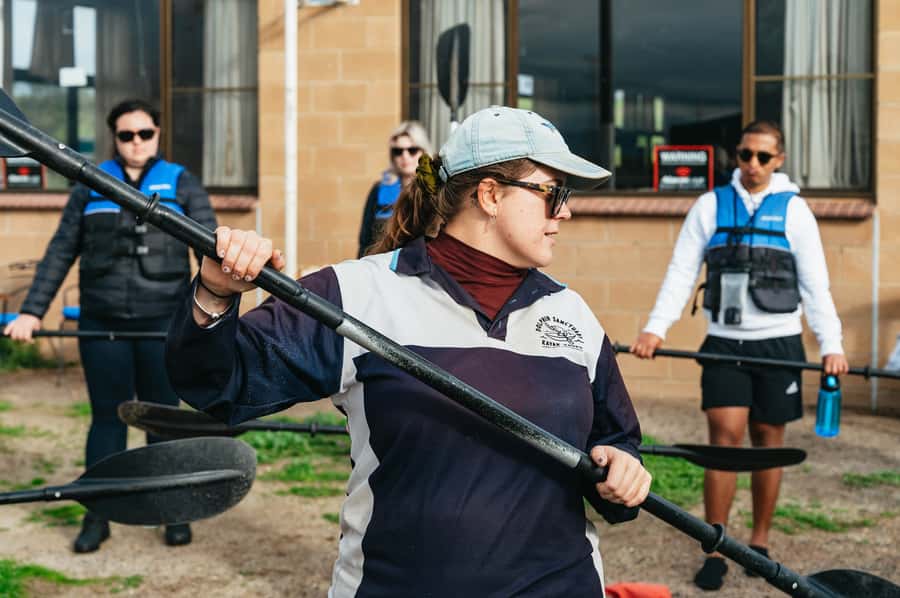
Before you paddle, you’ll get a safety briefing that lasts about 15 minutes. For many people, that’s the difference between feeling nervous and feeling in control—especially if you’ve never sat in a kayak before.
The tour runs at a “safe and informative” style, with guides repeatedly mentioned as patient with different skill levels. Even if you’re a bit wobbly at first, you’ll get guidance on technique so you can keep paddling without making it a full-time workout.
One practical takeaway: in mangrove creeks, you’re not just steering in open water. There are shallows and narrow spaces, so your job is to follow instructions, keep a steady pace, and let the guide handle route decisions.
Kayaking the dolphin sanctuary: 10,000-year-old mangrove creeks
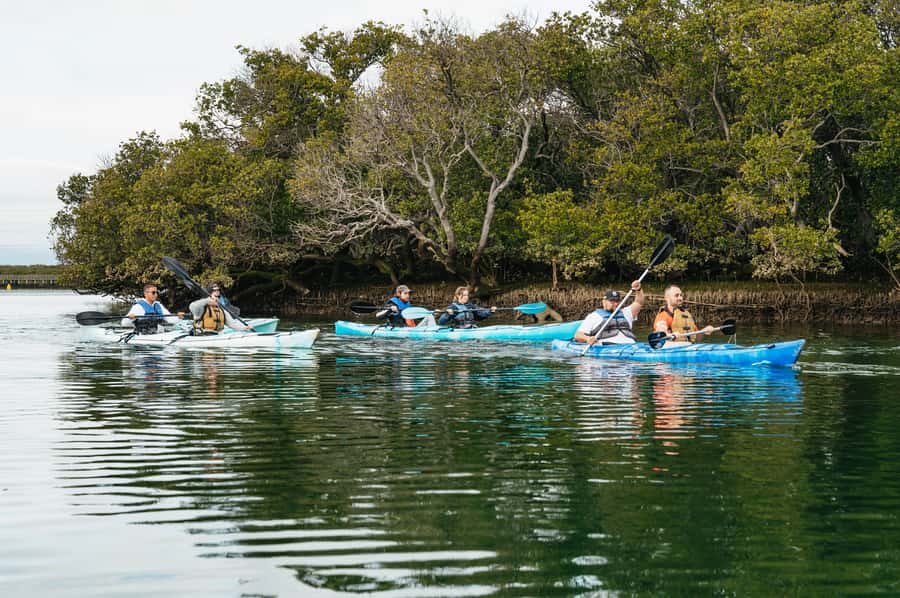
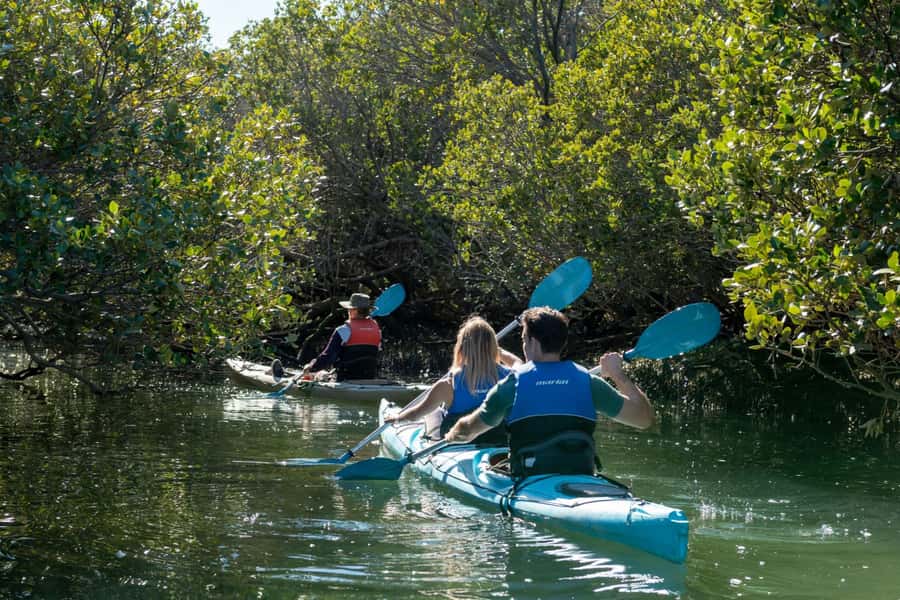
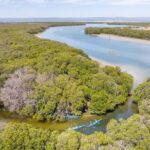
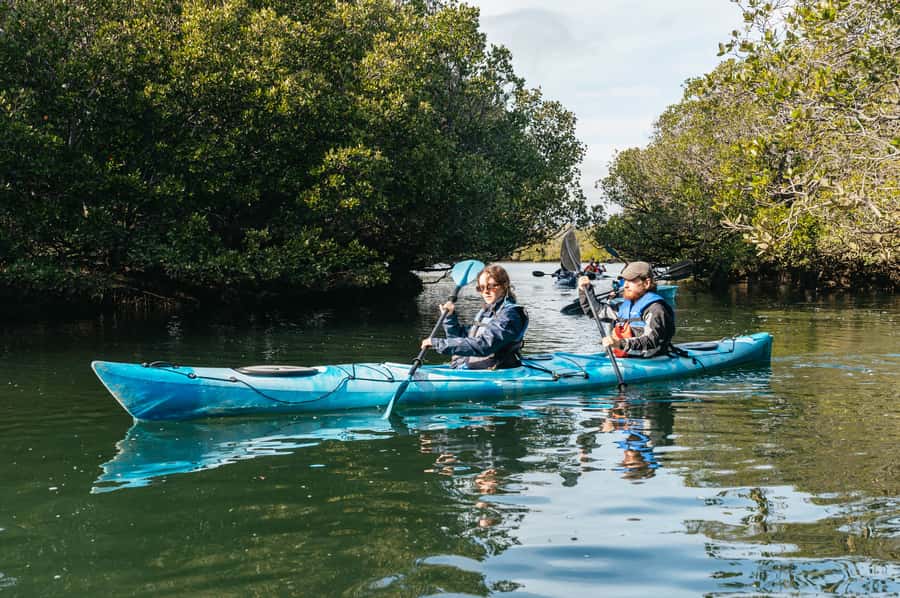
Once you push off, the heart of the experience is the sanctuary paddling through mangrove-lined creeks. The tour’s setting is the kind of place you can’t really recreate from land—branches and roots form a living tunnel, and the quiet makes it feel like the water is doing most of the talking.
The ecosystem here matters. These mangroves sit alongside seagrass, saltmarsh, tidal flats, and creek systems, which all feed into why dolphins come through. In plain terms: when the food chain is strong, you’re more likely to see wildlife doing what they naturally do.
I like that the tour doesn’t treat wildlife as a checklist. You’re guided through the habitat while learning why each part matters—birds, marine life, and the conditions that bring dolphins into the area. That context makes dolphin sightings feel less random and more meaningful.
Also, the paddling conditions tend to be manageable for non-experts. People have described it as calm and relaxing, with a minimal chance of falling—though you should still wear your confidence like a life jacket: always clipped in.
Dolphins in the wild: why sightings vary (and how the tour handles it)
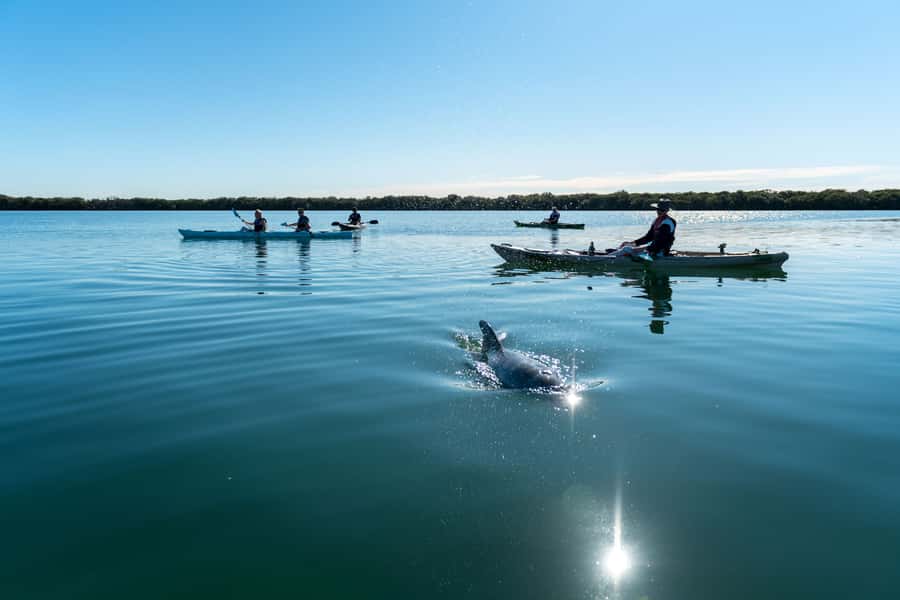
You may get close dolphin encounters, but you’re not promised them. That’s not a bait-and-switch; it’s part of how responsible wildlife viewing works. The tour explicitly notes that dolphins are wild animals, so weather, tides, and animal movement decide what you see.
When dolphins do show up, it can be fast. Some groups have spotted dolphins within minutes, and others have enjoyed mother-and-calf encounters right alongside the kayak. You might also have times when dolphins are present but farther out—still a memorable sight, just less cinematic up close.
What I especially appreciate is the care for not disturbing them. Reviews mention the tour not using bait or sounds to lure dolphins, and guides are praised for telling people when to be quiet and when to keep paddling. That’s how you get a better chance of seeing dolphins behaving naturally, not just reacting to your noise.
A small realism check: there’s no shame in having a great day even without dolphins. The mangroves themselves are a full experience—birdlife and marine life sightings can be strong even when dolphins stay elusive that trip.
Shipwreck passes: where you might see more, or just learn why you can’t
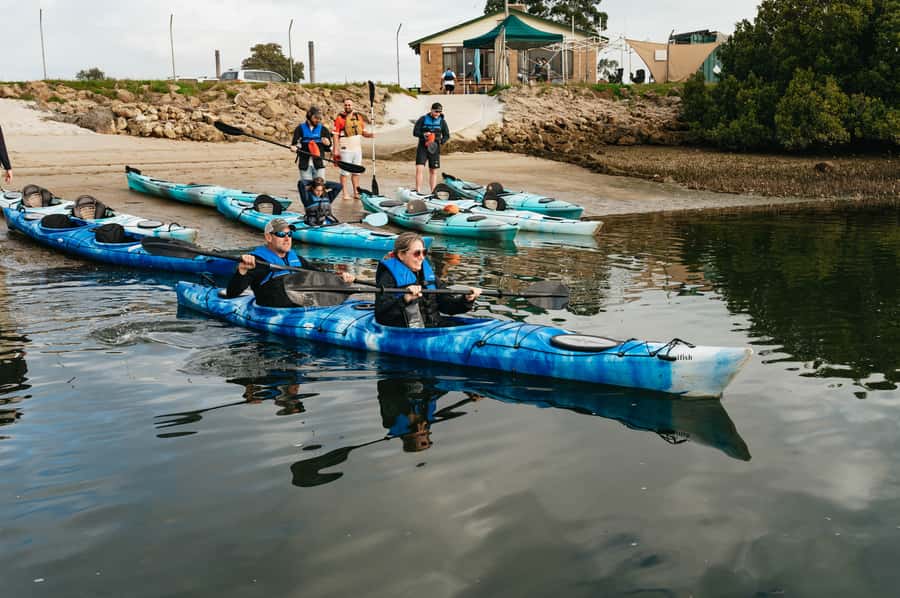
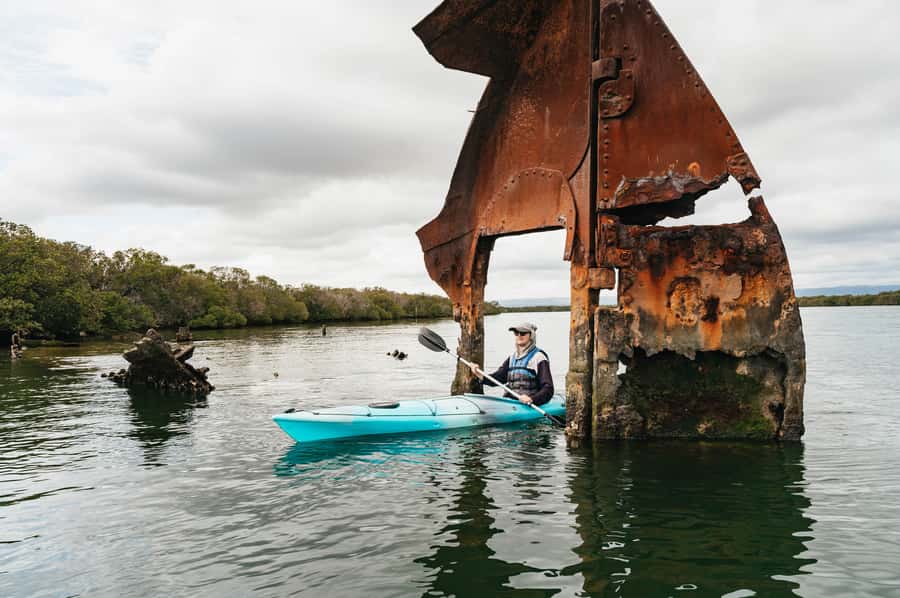
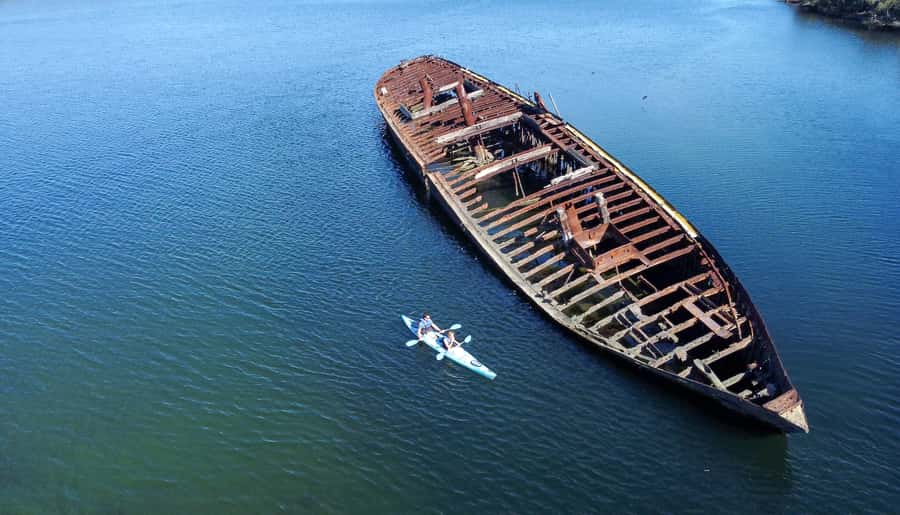
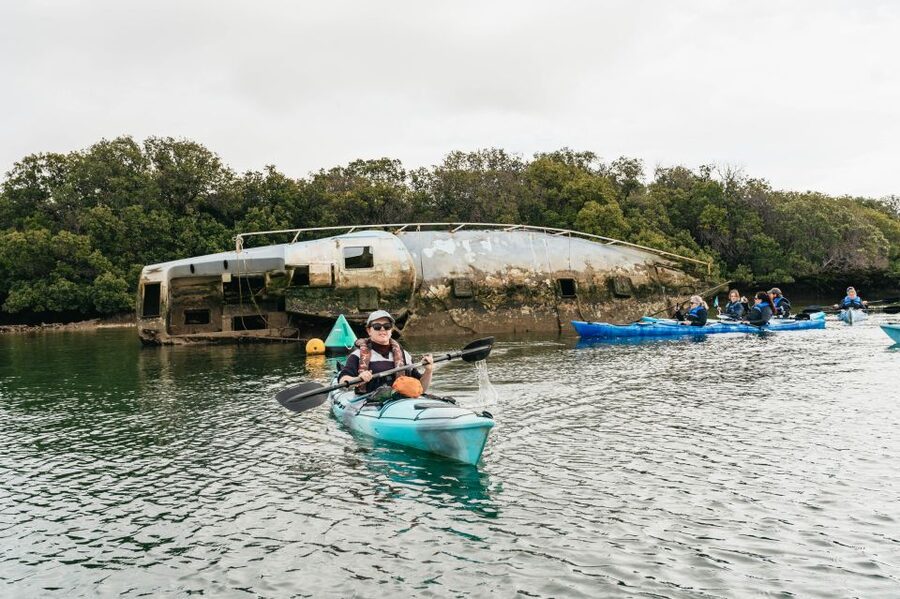
A standout promise of the tour is the possibility of paddling near shipwrecks that have been abandoned for years. The shipwreck angle adds human history to an otherwise nature-heavy day—and it gives your eyes something to track when wildlife is quiet.
But here’s the key consideration: you can’t always guarantee the shipwreck area will be accessible. Wind, tides, and safety factors can limit how much you can see. Some people have reported not seeing many wrecks on a windy day, then getting better wreck coverage on calmer conditions later.
There’s also a navigation reality to know. Reviews describe that water depth can be quite shallow depending on tide, sometimes barely groin depth at higher tide for adults and around knee depth at low tide. On low-tide days, grounding can happen, and you may end up standing or walking briefly to get the kayak to deeper water again.
So if shipwrecks are your top reason to book, pick days with better weather and calmer water if you have flexibility. If you don’t, don’t worry—the mangroves and wildlife viewing are still the core value.
Guides and marine biology talk: more than a “look and go” tour
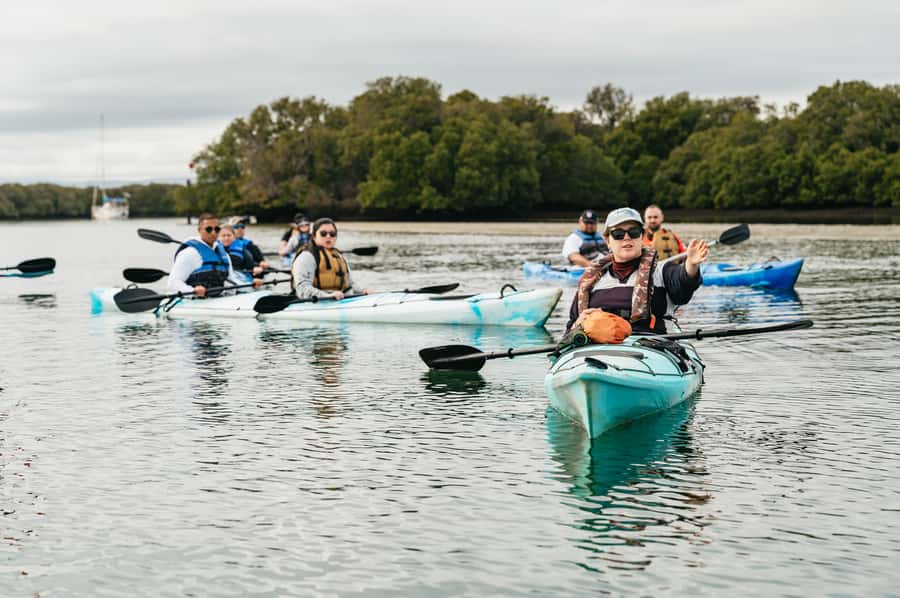
The tour is guided by a marine biologist, and you feel that in the way the day is explained. Guides like Mark, Paddy, Kendall, Liam, Alex, Fiona, Brayden, Marc, and Phoenix are repeatedly singled out for mixing safety, history, and ecology into the paddling.
I like tours that help you notice. Here, the guide’s job is to teach you what you’re seeing: why mangroves are vital, what birds and fish are doing in the system, and what dolphin behavior looks like when they’re feeding or moving through.
You’ll also get practical instruction that makes kayaking feel doable. People have mentioned how well guides explained basics to beginners and how patiently they adjusted pace for less confident paddlers. Even if you’re a strong swimmer, good instruction is what keeps the group moving smoothly through tight mangrove channels.
There’s another subtle benefit: dolphin etiquette is easier to follow when it’s explained. If the guide helps you understand why quiet and stillness matter, you naturally do the right thing without feeling like you’re being overly regulated.
Pace, timing, and the reality of a three-hour paddle
The kayaking time is about 3 hours, with a short safety briefing at the start. That duration tends to land in the sweet spot: long enough to feel like you got “out” on the water, short enough that you’re not exhausted at the end.
It helps that the tour moves at a comfortable pace and doesn’t require prior kayaking experience. Even people who were concerned about fitness level have described the pacing as manageable.
That said, it’s still paddling. If you’ve been sitting on buses all week, you’ll feel your arms the next day—especially if you spend any extra time adjusting your technique. One review called it fun but slightly hard work if you paddle with intention, which is fair.
One practical comfort note from reviews: a few people wished there was a toilet stop during the three hours on water. The tour provides drinking water to refill your bottle, but you should still plan for the fact that this is an on-water stretch.
Price and what you truly get for $55
At $55 per person for a roughly half-day experience, the value is strong when you look at what’s included. You get:
- a guided tour with a marine biologist
- a kayak and life jacket
- water to refill your drink bottle
- a waterproof bag
That’s not just gear. The guide component is the real multiplier. A mangrove creek system is complex, and having someone explain it while you’re paddling makes your time feel more worthwhile than “just” looking for dolphins.
Food and drinks aren’t included, so plan to bring your own. Since the tour provides water refill options, you can pack snacks that won’t spoil and top up your bottle. Think simple: something you can eat without turning your day into a picnic logistics puzzle.
Also, hotel pickup isn’t included, which usually just means you’re responsible for getting to the meeting point. If you’re staying in central Adelaide, this can add a little cost in transport—still worth it for the focused nature of the experience.
What to bring for mangroves, sun, and photo-friendly water
You’ll want to pack for a day that’s part paddling, part wildlife viewing, and part exposed sun. The essentials listed are:
- sun hat
- food and drinks
- a waterproof camera
- biodegradable sunscreen
A couple of smart extras based on on-water reality:
- Bring mosquito protection. Reviews specifically mention needing mozzie spray, and some people reported that mosquito repellent and sunscreen can be available on site.
- Bring a refillable bottle you actually like drinking from. You’ll top it up with the tour’s water, so it’s worth having something you won’t forget.
If you’re the type who drops their phone in water the way other people drop their wallets, the included waterproof bag is a big comfort. Reviews praise them as useful for taking photos while staying dry.
Who should book this eco kayaking tour
This tour is best for people who want nature up close and don’t need a “luxury” day. You’ll enjoy it if you like:
- wildlife viewing (especially dolphins, birds, and marine life)
- guided nature learning while you’re active
- calm, scenic paddling through mangrove channels
It also suits first-time kayakers. The tour is designed to work at a comfortable pace, and the safety briefing plus guide support helps people get sorted quickly.
Kids can join if they’re 10 years or older. Children aged 10–15 must be in a double kayak with an adult and must be able to paddle. The tour is not suitable for children under 10.
It’s also not suitable for people with mobility impairments or wheelchair users, so you’ll want to choose a different option if access is a concern.
Should you book the Adelaide Dolphin Sanctuary Eco Kayaking Tour?
Yes—if you want a real paddling day in a place that supports a living dolphin habitat, not a scripted show. The marine biologist guidance, included kayaking gear, and the chance to see dolphins (with shipwreck possibilities) make it good value for $55.
Book with one mindset: dolphins are wild, and sightings aren’t guaranteed. Even if you miss dolphins, you can still have a great time because the mangroves, birds, and marine life are the main attraction, and the guides do a solid job helping you notice it.
If you’re especially focused on shipwreck views, try to choose a day with calmer conditions when possible. And if you’re booking for a family, confirm your child can paddle and follow the double-kayak rule for ages 10–15.
FAQ
Where does the tour meet?
The meeting point is Angas Inlet Boat Club, Lot 204 Garden Island Road, Port Adelaide SA 5015.
How long is the Adelaide Dolphin Sanctuary eco kayaking tour?
The duration is 3 hours of kayaking. There is also a 15-minute safety briefing before you paddle.
Do I need prior kayaking experience?
No. The tour is designed to work at a comfortable pace and is suitable if you don’t have prior kayaking experience.
What’s included in the price?
Included: a guided tour with a marine biologist, kayak and life jacket, water to refill your drink bottle, and a waterproof bag.
Is dolphin and shipwreck viewing guaranteed?
No. The tour notes that due to wild animals, weather, and tides, dolphin sightings and paddling within the shipwreck area can’t always be guaranteed.
What are the age requirements for children?
Children must be 10 years or older. Children aged 10–15 must be in a double kayak with an adult and must be able to paddle.
What should I bring?
Bring a sun hat, food and drinks, a waterproof camera, and biodegradable sunscreen.