REVIEW · COCOA BEACH
Bioluminescence Kayak Tour
Book on Viator →Operated by A Day Away Kayak Tours · Bookable on Viator
Glowing water under the stars is the point. This bioluminescence kayak tour near Cocoa Beach is a simple, memorable way to paddle in near-dark waters around Merritt Island and watch tiny organisms light up; I really like the guide-led science (names like Matt and Aidan come up a lot) and the calm, supported feel thanks to provided PFDs. The main drawback to plan around is that the glow can be hit-or-miss depending on season and conditions, so in mid-winter you may see fewer sparkles than you hoped for.
I also like that the experience is built for real nature time, not a rushed photo stop. Depending on when you go, you can catch your own look at dinoflagellates (warmer months) or gentler comb jellies (cooler months), and you may spot dolphins, fish that jump, and even manatees along the way.
One more thing to consider: it’s dark, you’ll likely get wet, and winter nights can feel cold fast. Bring water shoes, pack an extra layer (and a spare set of clothes), and don’t count on your camera to nail the bioluminescence glow.
In This Review
- Key Points at a Glance
- Why Merritt Island Nights Feel So Magical
- Dinoflagellates vs Comb Jellies: What You’ll See by Season
- Summer glow: dinoflagellates
- Winter glow: comb jellies
- The 2-Hour Paddle: What Happens on the Water
- Bonus: you’re not paddling alone
- Wildlife Spotting: Manatees, Dolphins, and Jumping Fish
- What to Bring (So the Cold and Wet Don’t Ruin It)
- About cameras and photos
- Flashlights
- How the Guides Turn Glow Into Meaning
- Getting the Most Glow: Season, Moonlight, and Light Pollution
- Safety and Comfort: What You Should Expect
- Value Check: Why This Tour Often Feels Worth It
- Should You Book This Bioluminescence Kayak Tour?
- FAQ
- How long is the bioluminescence kayak tour?
- Where does the tour start?
- What’s the bioluminescence like in summer versus winter?
- Will I get to hold or catch anything?
- Is kayaking difficult for beginners?
- What safety gear is included?
- What should I bring?
- What is the cancellation policy?
Key Points at a Glance
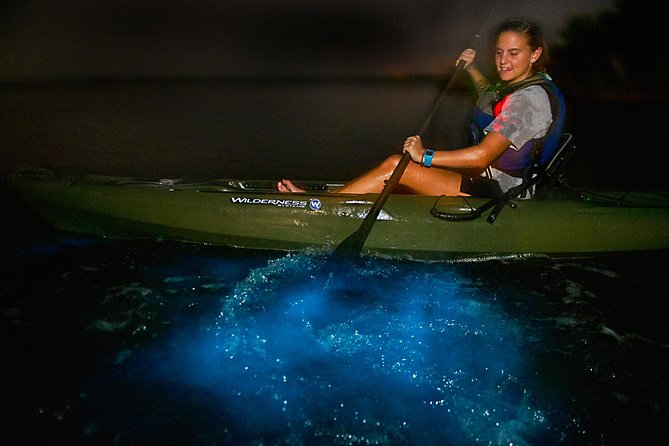
- Season decides the glow: dinoflagellates in summer, comb jellies in winter
- Guide science makes it click: expect clear explanations and hands-on wildlife spotting
- You paddle in real darkness: near Cocoa Beach lagoons give a strong star-and-water contrast
- Hands-on comb jellies: in the cooler season, you can sometimes hold these clear, non-stinging creatures
- Wet-and-cold is normal: water shoes, towel plan, and extra clothes matter
- Small-ish groups: tours max out at 42 people, with a professional guide leading the way
Why Merritt Island Nights Feel So Magical
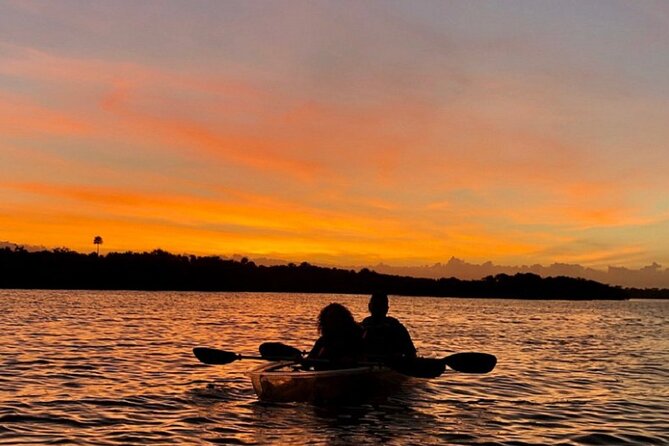
This is one of those Florida experiences that doesn’t need flashy props. You’re out on quiet lagoon water at night, and when the guide points out what to look for, the whole water surface starts acting alive—little flashes and streaks that happen when the water is disturbed.
What makes it special is the mix of moods. You’ll be surrounded by darkness, mangrove-style shoreline, and the faint shapes of wildlife in the distance. Then comes the payoff: the glow, plus the chance of seeing big animals like dolphins and manatees surface close enough to change your focus from plankton to biology.
The tour also gives you something many night excursions don’t: a sense of safety while still feeling adventurous. You’re not just standing on a dock and hoping for the best. You’re paddling, listening, and learning how to spot what’s there.
You can also read our reviews of more tours and experiences in Cocoa Beach.
Dinoflagellates vs Comb Jellies: What You’ll See by Season
The big idea here is that “bioluminescence” is not one single thing. In Florida’s Indian River and Mosquito Lagoon area, you’ll typically be watching different organisms depending on the time of year.
Summer glow: dinoflagellates
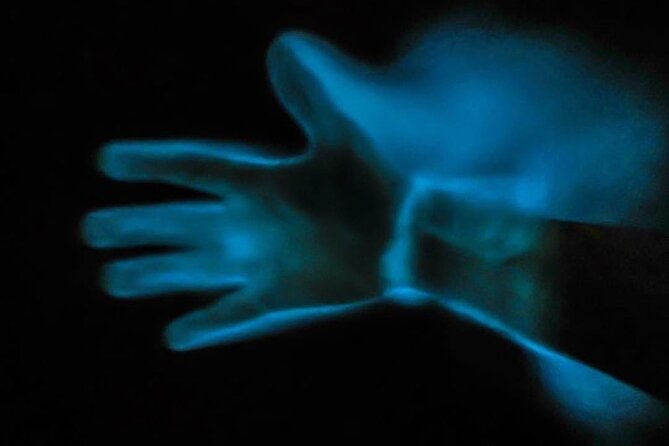
From May to early November, the water can light up with a cloudy blue-green glow from single-celled dinoflagellates. This is the season many people picture when they imagine glowing water. If your goal is maximum visible “sparkles,” this is usually your best bet.
Winter glow: comb jellies
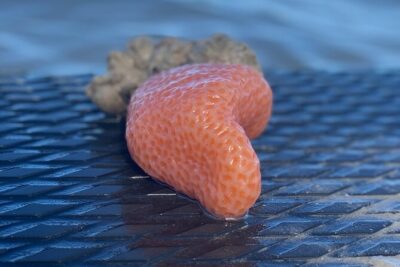
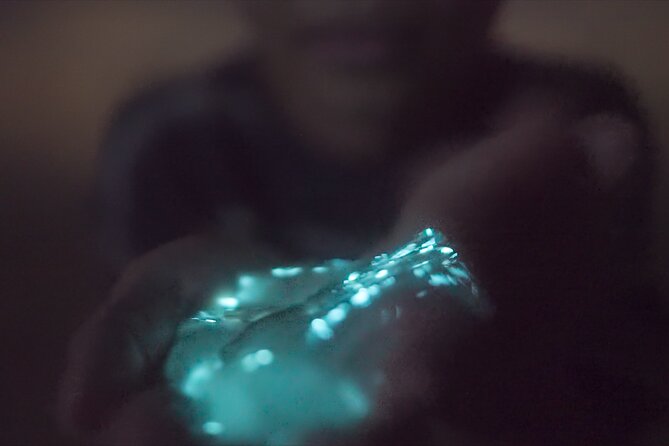
From late November to April, the “star of the show” often becomes comb jellies. These are clear, glob-like organisms that glow individually. They don’t sting. And yes, in the cooler season you may even be able to catch and hold them during the kayak portion—always with the guide keeping things careful.
A practical tip: comb jellies can be beautiful, but your “wow” moment might look different than dinoflagellates. Dinoflagellates often feel like the water itself is responding. Comb jellies feel more like tiny glowing creatures that you can observe up close.
The 2-Hour Paddle: What Happens on the Water
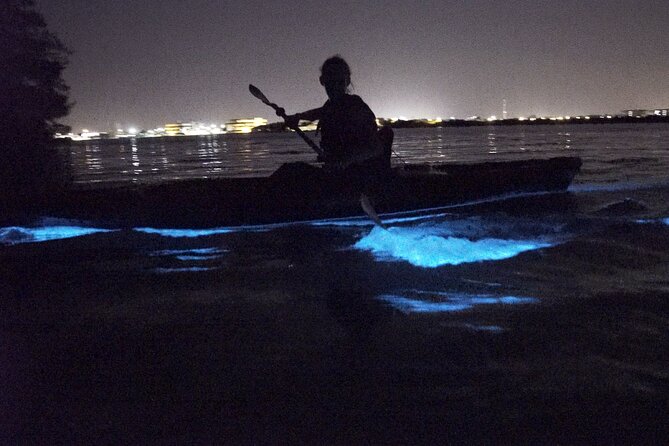
This tour runs about 2 hours, and the pacing is built for nighttime kayaking, not endurance. You’ll be launched from 951 Kiwanis Island Park Rd, Merritt Island, FL 32953, and you’ll return to the same place at the end.
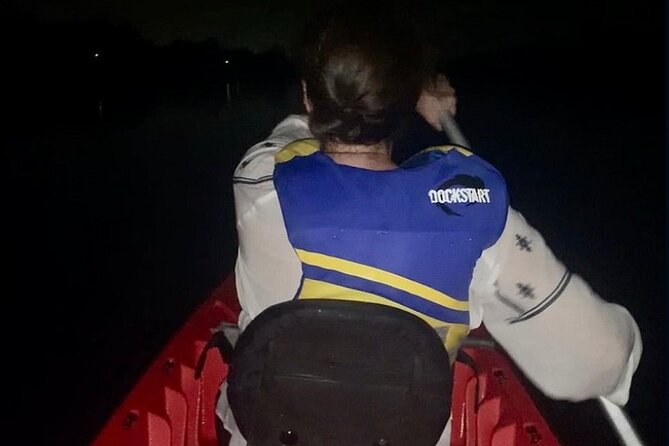
In the first part of the trip, expect a safety and gear setup before you paddle into darker water. You’re provided a kayak, paddle, and PFD, and there’s also a safety light for visibility. If you’re bringing a flashlight, it’s allowed, but the guide will guide the overall approach so your group stays together.
Once you’re out in the lagoon, the experience becomes a slow-motion search. The guide helps you understand what makes the glow happen, then you paddle in a way that lets the water react—without thrashing around. This is where the calm “float under the stars” feeling comes from, and where wildlife spotting also starts to become more likely.
Bonus: you’re not paddling alone
Even when the water is quiet, you’ll have a group dynamic. The guide keeps eyes on everyone, and the better guides also adjust the trip for the group’s comfort level—especially if you’re new to kayaking.
Wildlife Spotting: Manatees, Dolphins, and Jumping Fish
Bioluminescence is the headline, but the lagoon gives you plenty of side quests.
You may spot fish that jump, and those quick splashes are fun because they often happen right in your field of view. Dolphins can surface too, and manatees are a real possibility in this area. Some nights can be quiet; other nights feel busy. Either way, it’s worth keeping your attention flexible.
Here’s a key mindset shift for this kind of tour: don’t just stare at the glow. Train your eyes to scan for movement patterns—subtle surface breaks, quick flashes, and wakes. The guide will usually help you connect what you’re seeing with what animals are likely doing in that habitat.
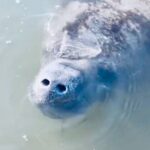
And when something big shows up close—like a manatee right beside the kayak—your “nature goggles” snap on fast. That moment matters because it’s not just cute; it’s a reminder you’re in an active ecosystem, not an aquarium-like display.
What to Bring (So the Cold and Wet Don’t Ruin It)
You will get wet. The good news is that you can plan for it, and the tour does not demand fancy gear.
Bring clothes you don’t mind getting a little damp. A towel is listed as helpful (left in your car). Wear water shoes—sandals or Crocs that can be worn in the water work well, since you’ll be moving around the dock and boarding area.
Also bring:
- An extra change of clothes (winter nights especially)
- Bottled water and snacks if you want them
- A dry bag if you’re worried about your phone (camera support is optional)
About cameras and photos
If you’re hoping to capture the glowing water itself, set expectations. A camera can be great for photos of people. For the bioluminescence glow, the provided guidance suggests cameras can be fairly useless at truly capturing what you see with your eyes. Your best “photo” may be a video of your reaction.
Flashlights
You may bring one, but you’ll also have a safety light. Don’t assume you’ll be the one in full control of lighting. Follow the guide’s lead for what works best without wrecking night vision.
How the Guides Turn Glow Into Meaning
This is one of the tour’s strongest value points: the best guides don’t just point. They explain.
Guides like Matt and Aidan are described as extremely knowledgeable about the science behind bioluminescence. You can expect the “why” behind the glow—what the organisms are, what triggers light, and how the local water conditions shape what you see.
Other guide names that come up with consistently positive experiences include Caleb, Drew, Jordan, Jorge, Jessie, Zoey, and Kirk. The pattern across these guides is clear: they’re active, attentive, and focused on keeping the group comfortable in the dark.
If you’re nervous about kayaking, I’d treat the guide as the anchor of the whole experience. One of the most reassuring aspects of this tour style is the way the guide teaches you what to do right away so you don’t feel like you’re guessing out there. A confident guide makes it easier to relax enough to actually enjoy the glow.
Getting the Most Glow: Season, Moonlight, and Light Pollution
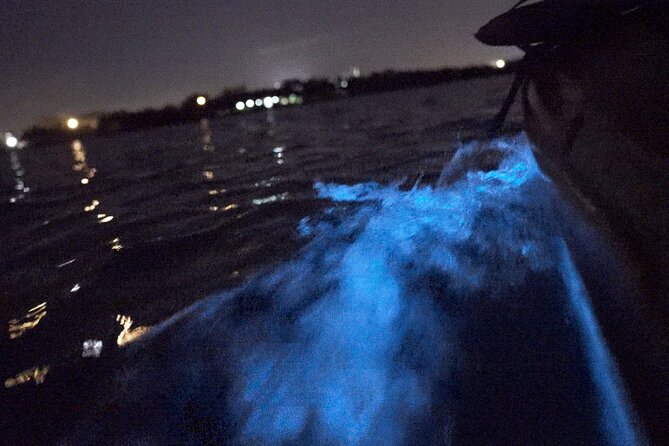
Here’s the honest part: bioluminescence is not a controllable product. It’s a natural phenomenon tied to water temperature, organism levels, and nighttime conditions.
Season matters most. If you go during the dinoflagellate season (May to early November), you’re usually aiming for a more classic glowing-water look. If you go in late November through April, you’re often aiming for comb jellies—more individual glow, and a chance for hands-on observation.
Night-sky conditions matter too. New-moon skies and clear weather make everything feel more dramatic. Light pollution can reduce contrast, so if the area around your launch has more local lighting, the glow may look less “galaxy-like.”
Weather matters as well. Calm water makes it easier to paddle softly, stay together, and focus on the biology. If winds kick up, you may end up with reduced comfort or different conditions than ideal (and sometimes tours can get canceled).
My practical advice: if glow intensity is your top priority, plan for the warmer months when possible, and be flexible if nature has other plans.
Safety and Comfort: What You Should Expect
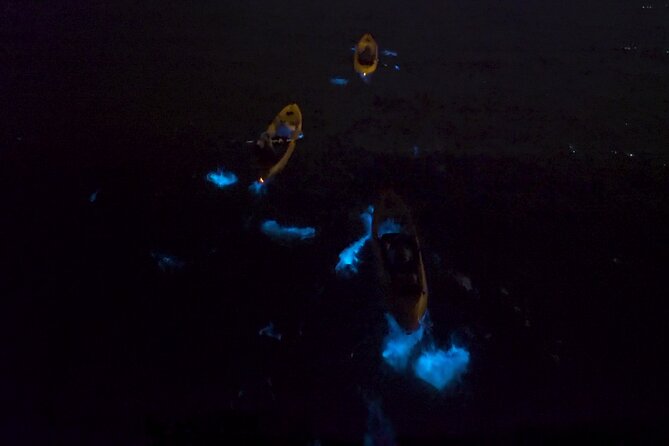
The tour provides flotation gear (PFD) and a safety light, and that’s a big deal for a nighttime activity. The water is generally described as calm enough for most participants, and the kayaking is typically low stress in terms of effort.
That said, treat this as a real kayaking outing, not a stroll. One off-season note to keep in mind: in colder months, water can feel harsher, and conditions can sometimes be choppier than you expect. If you’re brand new, the way you’re taught matters more than you think.
Also plan for water depth and wetness. A common observation is that much of the water can be shallow enough to manage, but you should still dress for immersion risk. Water shoes help a lot, and the spare clothes plan helps more.
Value Check: Why This Tour Often Feels Worth It
Even without knowing your exact budget, you can judge value by what you’re getting in the time you’re paying for.
For roughly 2 hours, you receive:
- A professional guide and a guided science story
- Kayak, paddle, and PFD
- Nighttime access to a bioluminescent habitat around Merritt Island
- The chance to see wildlife like dolphins and manatees
What makes it feel like value to many people is that it’s not random. The guide helps you interpret what’s happening in the water, and that turns a “cool moment” into a real experience you can remember and talk about.
The main value risk is timing. If you book in a season when bioluminescence visibility is naturally lower, you may feel like you paid for glowing water and got more of a gentle night wildlife paddle with a smaller glow payoff. Going in with the right seasonal expectations protects you from disappointment.
Should You Book This Bioluminescence Kayak Tour?
Book it if:
- You want a guided nighttime paddle with bioluminescence as the headline
- You enjoy science explanations and wildlife spotting
- You’re okay getting wet and staying outdoors in cooler air if you go off-season
- You want a low-stress activity that’s still genuinely outdoorsy
Consider skipping or adjusting expectations if:
- You’re going mid-winter and expecting the biggest “classic glowing water” look
- You’re very sensitive to cold or you don’t pack layers and an extra set of clothes
- You dislike night conditions in general (it’s dark, and you’ll rely on the guide’s setup)
My bottom line: this tour is at its best when you treat it like a guided nature night, not a guarantee of maximum glow. If you show up prepared and choose your season wisely, you can end up with a truly strange, beautiful feeling: paddling through darkness and watching the water answer back.
FAQ
How long is the bioluminescence kayak tour?
It runs about 2 hours, and it ends back at the meeting point.
Where does the tour start?
The meeting point is 951 Kiwanis Island Park Rd, Merritt Island, FL 32953, USA.
What’s the bioluminescence like in summer versus winter?
In summer (May to early November), you’re mainly looking for dinoflagellates and a cloudy blue-green glow. In winter (late November to April), comb jellies are common, with individual glowing jellies.
Will I get to hold or catch anything?
In the cooler comb jelly season, the experience includes a chance to catch and hold comb jellies during the kayak adventure. The creatures are clear, glob-like, and described as not sting.
Is kayaking difficult for beginners?
Most travelers can participate, and the kayaking is described as low stress. Still, it’s a nighttime kayak outing, so follow the guide’s instructions and dress for conditions.
What safety gear is included?
You get a PFD (flotation device) plus a kayak and paddle, and there is a safety light provided for visibility.
What should I bring?
Bring clothes you don’t mind getting wet, water shoes, a towel (left in your car), and an extra change of clothes. Cameras and dry bags are optional; they may help for people photos, but capturing the glow can be tough.
What is the cancellation policy?
You can cancel up to 24 hours in advance for a full refund. If you cancel less than 24 hours before the start time, the amount paid is not refunded.