REVIEW · COCOA BEACH
Bioluminescent Kayak Tour by THE #1 Rated Company in Cocoa Beach
Book on Viator →Operated by Fin Expeditions · Bookable on Viator
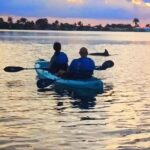
Glowing water turns night kayaking into a show. In Cocoa Beach, a small-group trip on the Banana River Lagoon lets you paddle through bioluminescence after sunset in summer months. You meet your guide, slide into the dark, and watch the water change when your kayak moves.
I like that it’s built for real-time wonder: you paddle at your own pace, and the glow happens right under you. I also like the practicality of the setup, with kayaks, paddles, and life jackets included, so you’re not hunting for gear or adding extra stops. One consideration: the tour depends on good weather, and you’ll want to double-check kayak choices because you’re selecting the number of kayaks, not the number of guests.
In This Review
- Key Things to Know Before You Go
- Why Night Kayaking on the Banana River Feels Different
- Price and What You’re Actually Paying For
- Getting Set Up: Meeting Point, Timing, and How the Kayaks Work
- What’s Included: The Stuff That Makes This Tour Low-Friction
- The Main Event: Paddle Through Glowing Water
- The Pass-By Sights: Cocoa Beach Views Without Losing Focus
- Wildlife Odds: Manatees, Fish, and What You Can Be Realistic About
- Who This Tour Suits Best (And Who Might Want to Rethink It)
- Booking Smarter: Timing, Planning, and What Weather Means
- Should You Book This Bioluminescent Kayak Tour?
- FAQ
- Where does the bioluminescent kayak tour meet?
- How long is the tour?
- What does the tour cost?
- What equipment is included?
- What’s the difference between single and tandem kayaks?
- How many people are in the group?
- What happens if the weather isn’t good?
Key Things to Know Before You Go
- Night bioluminescence happens after sunset in summer months, so timing matters more than any itinerary “extra stop.”
- Small-group format (max 10 travelers) means you’ll get help fast and keep your time on the water.
- Your gear is provided (kayak, paddle, life jacket), so the tour feels logistically light.
- Guides bring energy and context, with names like Jordyn, Emily, and Ian showing up in guest stories.
- You may spot wildlife-friendly moments, including jumping fish mentioned in guide-led fun.
- You pass by Cocoa Beach spots and Merritt Island, but the main event stays the glowing lagoon.
Why Night Kayaking on the Banana River Feels Different
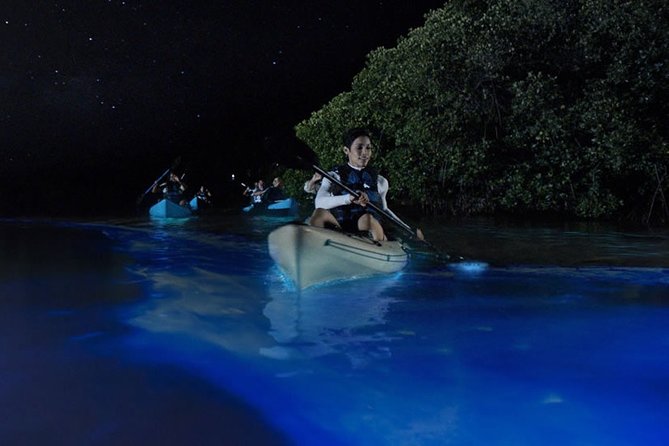
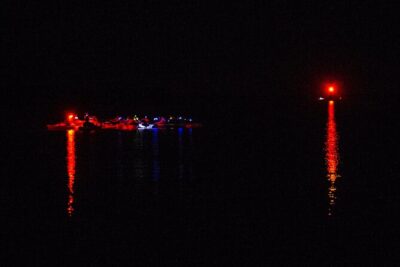
Cocoa Beach looks great in the daytime. But at night, the whole vibe changes. This is a bioluminescent kayak tour that takes you into the Banana River Lagoon after dark, when the water can glow during summer months. The effect isn’t about seeing some distant landmark—it’s about experiencing something responsive in real time.
The part that makes this work so well for most people is pacing. You’re not racing. You’re moving slowly, feeling the kayak glide, and watching the water react as you paddle. It turns a simple act—scraping a paddle through water—into the highlight of your night.
And because it’s set up as a small-group experience (with a maximum of 10 travelers), you don’t lose most of your time in lines, waiting for instructions, or waiting for the group to catch up. The schedule is short enough (about 1 hour 30 minutes) that you’ll spend most of it where it counts: on the lagoon.
You can also read our reviews of more tours and experiences in Cocoa Beach.
Price and What You’re Actually Paying For
The tour price is $79.00 per person. On the surface, that sounds like an evening outing with a specialty theme. In practice, the value comes from two things: time on the water and included equipment.
You get roughly 90 minutes of night paddling, and you’re not paying separately for a kayak rental, a life jacket, or a guided setup. That matters in Cocoa Beach, where “fun at night” can quickly become expensive if you’re adding on boat rentals, transportation, and gear.
Also, this tour is typically booked about 22 days in advance on average, which usually means two things. First: people do this on purpose for a specific night. Second: you’ll want to reserve early if you’re traveling in peak summer season and want a smoother planning timeline.
Bottom line: for $79, you’re buying a guided, gear-included, after-dark experience centered on bioluminescence. If that’s the goal of your trip, this price is easier to justify.
Getting Set Up: Meeting Point, Timing, and How the Kayaks Work
Your tour starts at 5000 Tom Warriner Blvd, Cocoa Beach, FL 32931. It ends back at the same meeting point, which keeps your evening simple—no shuttles or complicated drop-offs.
Bring a calm, patient attitude. Night kayaking runs on short instruction cycles and safety checks, and you’ll move from meeting to water without dragging out the day. The tour is designed for you to understand what to do quickly and get paddling soon.
One detail I want you to take seriously: you’re choosing the number of kayaks, not just the number of people. That can change what you book for a group.
- Single kayaks are for one guest (age 13 years and up).
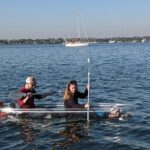
- Tandem kayaks are for two guests.
- Children 12 and under must be accompanied by an adult.
So before you check out, do a quick headcount and decide who will be in singles versus tandems. It’s a small admin step, but it prevents the frustrating scramble later.
What’s Included: The Stuff That Makes This Tour Low-Friction
This is one of the easiest trips to plan because the core gear is included. You don’t have to decide whether you’re bringing the right jacket or guessing your kayak size.
You’ll get:
- Kayak
- Paddle
- Life jacket
That matters for comfort and confidence. A life jacket isn’t just a safety item—it also changes how relaxed you feel in the dark. You can focus on the glow and the quiet rhythm of paddling instead of monitoring your gear.
You also get the benefit of having a guide handle the “how the night kayaking works” side. Guests mention that guides like Emily and Ian kept the experience fun and informative, and Jordyn stood out for being both passionate and engaged. That’s exactly the kind of leadership that makes a dark-water tour feel welcoming instead of intimidating.
The Main Event: Paddle Through Glowing Water
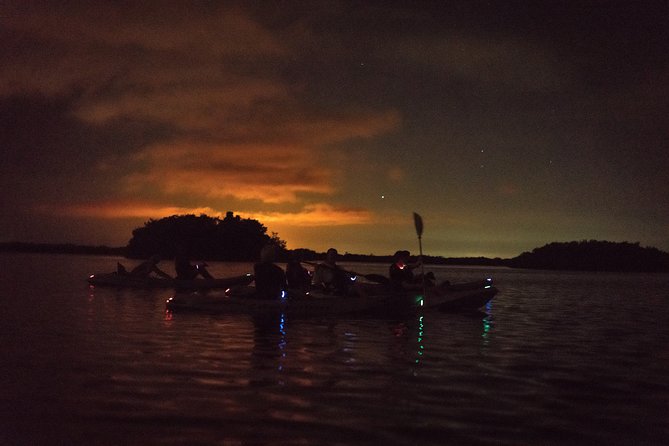
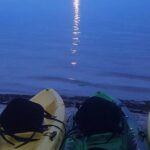
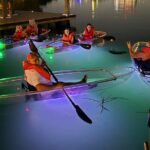
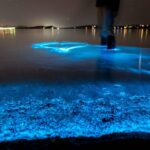
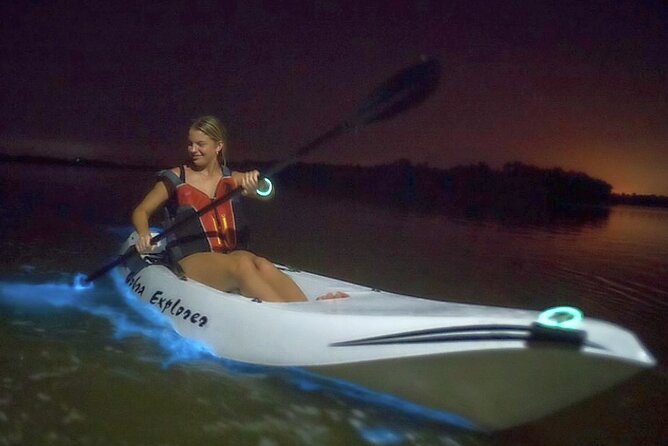
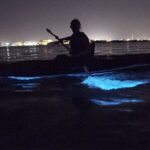
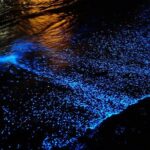
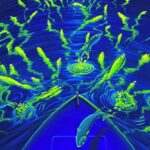
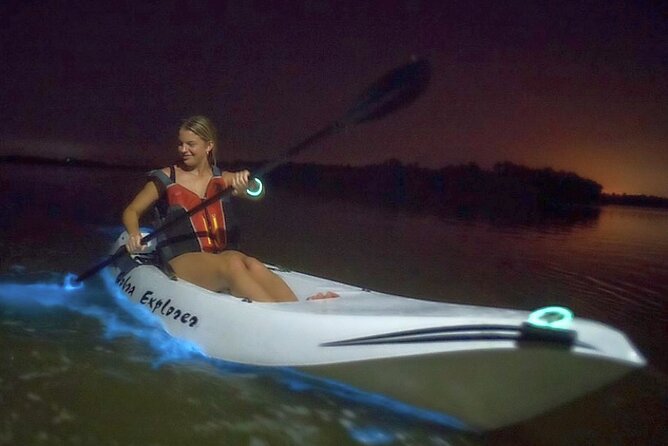
This is the heart of the experience: you paddle into the Banana River Lagoon after sunset during the summer months, when the lagoon water can show bioluminescence.
Here’s what to expect in a way that’s actually useful:
- The glow is tied to movement. Your paddle strokes and kayak path are part of the show.
- The effect tends to look best when you slow down. Quick, frantic splashing can make it feel random; steady paddling lets you read what’s happening.
- The atmosphere is the other half of the magic. Night water gives you that hush, and the glow turns every small motion into a visible trail.
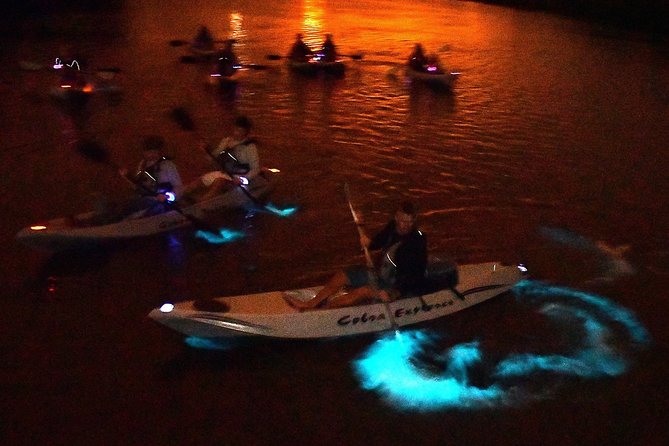
If you’re hoping for the “wow” moment, you’ll likely find it in the first stretch once you’re out on the lagoon. That’s where the light from your kayak wake can look like it’s turning into glittery streaks.
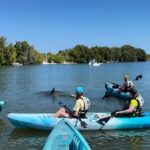
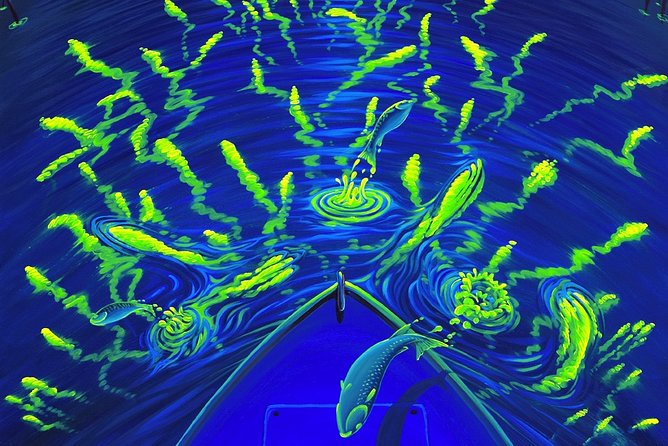
One fun detail from guest experience: people talk about seeing jumping fish while out on the water. It’s not something you can schedule, but it’s a nice reminder that wildlife is part of the same night story.
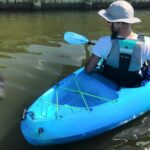
The Pass-By Sights: Cocoa Beach Views Without Losing Focus
This isn’t a “bus tour with a short stop.” The route includes scenic passes, but they’re meant to set the mood rather than steal your spotlight from the glowing lagoon.
Here’s what you can expect as you pass by sights:
- Cocoa Beach Country Club: you’ll glide by familiar resort-style terrain, with a view that’s more about coastline and lighting than anything you need to get out and see.
- Cocoa Beach Skate Park: the lights from the skate park can brighten the sky, giving you a sense of how urban the coast is while you’re still out on the water.
- Cocoa Beach: the famous beach vibe stays in the background, especially as you head into the lagoon area.
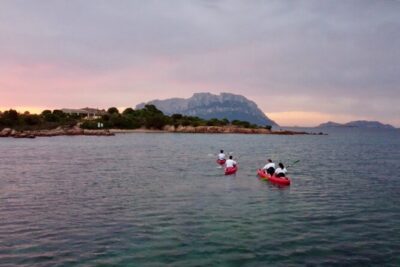
- Merritt Island: you’ll be able to see Merritt Island across the river, which helps you orient yourself on the water.
- Banana River Manatee Refuge: you’ll be in the region associated with the West Indian manatee, especially during many parts of the year.
The key idea: these passes help you understand where you are. But the real reason you booked is the night bioluminescence, and the tour keeps that as the focus.
Wildlife Odds: Manatees, Fish, and What You Can Be Realistic About
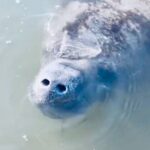
The lagoon area is described as home to West Indian manatees during many parts of the year. That’s meaningful context because it tells you the environment supports wildlife, not just algae-and-light effects.
That said, no wildlife tour should be treated like a guaranteed sighting. What you can count on is the chance to share the water with the kind of creatures that live in this system.
What guests also highlight is how lively the water can be beyond manatees. The mention of jumping fish suggests you might see small flashes of movement near your kayak path. That kind of activity is often easiest to notice at night, when your eyes are already locked onto motion.
So aim for two goals:
- Watch the bioluminescence as your primary event.
- Keep your eyes open for secondary surprises like fish activity and the general “wildness” of being on a living waterway.
Who This Tour Suits Best (And Who Might Want to Rethink It)
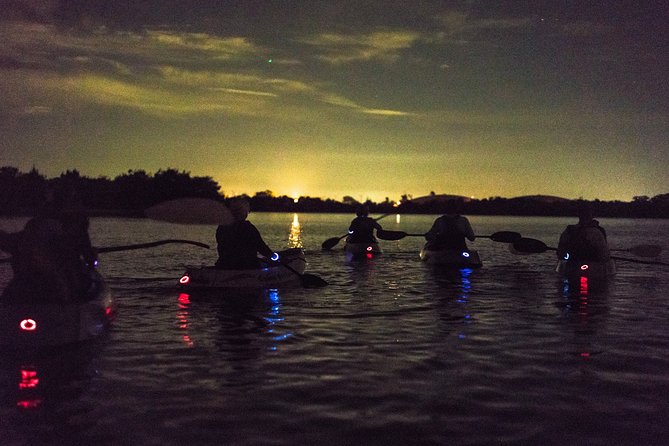
This tour fits best if you want a short, guided activity that feels special without being complicated. It’s also a good choice if you’re traveling with people who like nature but don’t want a long multi-hour expedition.
I’d especially recommend it for:
- Couples and friends who want a memorable night activity
- Families who can handle tandem vs single kayak choices (and have an adult to pair with children 12 and under)
- Visitors who enjoy calm water, quiet nights, and small-group instruction
- Anyone who wants a “wow” moment that’s visual and happens during the ride, not after it
If you’re the type of traveler who hates uncertainty, keep in mind that this experience requires good weather. If conditions aren’t right, the tour can be changed or refunded. That’s not a deal-breaker, but it’s real.
Booking Smarter: Timing, Planning, and What Weather Means
Because this experience runs at night and depends on conditions, your planning should be simple but not sloppy. Summer months are when the glow is expected after sunset, and weather can make or break the outing.
A practical approach:
- Book when you can, especially since this tour is commonly reserved around 22 days in advance.
- Have a backup mindset for timing if weather shifts.
- Keep your evening flexible if your schedule allows, so you’re not stuck rescheduling within a tight window.
Also, because it’s a mobile ticket activity, you’ll want to make sure your phone is charged and your ticket is ready when you arrive.
Should You Book This Bioluminescent Kayak Tour?
I think you should book it if your goal is a guided, gear-included night paddle in Cocoa Beach that focuses on real bioluminescence rather than a long, complicated day plan. At $79 per person for about 1.5 hours, it’s a strong value when what you want is exactly what the tour delivers: glowing water, a calm pace, and small-group attention.
Skip it (or at least reconsider) if you’re trying to lock in the exact night with zero flexibility, because this activity requires good weather. And don’t forget the kayak math: confirm how many kayaks you need for your group, including tandem vs single and the adult requirement for children 12 and under.
If your ideal evening includes darkness, quiet water, and the kind of visual surprise that happens right as you paddle, this is a very easy “yes.”
FAQ
Where does the bioluminescent kayak tour meet?
The meeting point is 5000 Tom Warriner Blvd, Cocoa Beach, FL 32931, USA.
How long is the tour?
The tour lasts about 1 hour 30 minutes.
What does the tour cost?
The price is $79.00 per person.
What equipment is included?
Kayaks, paddles, and life jackets are included.
What’s the difference between single and tandem kayaks?
Single kayaks are for one guest (13 years and up). Tandem kayaks are for two guests, and children 12 and under must be accompanied by an adult.
How many people are in the group?
The tour has a maximum of 10 travelers.
What happens if the weather isn’t good?
This experience requires good weather. If it’s canceled due to poor weather, you’ll be offered a different date or a full refund.