REVIEW · CHIANG MAI
Chiang Mai: Jungle Kayak Adventure with Rapids & Elephants
Book on Viator →Operated by Chiang Mai Mountain Biking & Kayaks · Bookable on Viator
Paddle time in the jungle beats city time. This full-day Mae Wang kayak trip from Chiang Mai pairs Class I–II rapids with wildlife sightings, plus the chance for bigger Lost Canyon Class III–IV runs if you’re ready.
What I like most is how the trip is set up so you can be in control without feeling thrown in at the deep end, since you’re truly the captain of your own boat. I also really appreciate the mix of scenery and action: easy stretches between rapids, then jumps into faster water, all with a guide keeping you safe. One thing to think about: you’ll be in open river and near jungle edges, so insects—especially horse flies—can be intense if you don’t come prepared.
In This Review
- A day that balances wildlife, white water, and real logistics
- Key things that make this trip worth your morning
- 45-minute drive to Mae Wang: starting calm before the paddling
- Picking the right kayak: river kayak vs sit-on-top for your skill level
- Upper Mae Wang (Class I–II): wildlife, elephants, and learning the river rhythm
- Between rapids: why the easy water is part of the fun
- Lost Canyon (Class III–IV): the advanced option that makes the day feel complete
- Riverside lunch: fuel that actually supports a full paddling day
- Safety that lowers the stress level: first aid, gear fit, and a following support truck
- What to pack (and what to buy there): insects and river footwear matter
- Price and value: what you’re really paying for at $81.24
- Who this Chiang Mai kayak adventure suits best
- Should you book this jungle kayak-and-elephant day?
- FAQ
- What time does the tour start?
- How long is the kayaking experience in Chiang Mai?
- Does the tour include hotel pickup?
- What rapids will I paddle?
- Is lunch included?
- What kayaking equipment is provided?
- Is there a support vehicle during the trip?
- How many people are in a group?
- What is the cancellation policy?
A day that balances wildlife, white water, and real logistics
Even though this is an adventure day, the planning is practical. You get hotel pickup, a safety-and-technique start, gear sized to you, and a following support truck that can handle stuff you don’t want to carry during the paddling. The elephant sightings are a standout, too: the route passes a series of elephant camps where you may see animals coming to bathe and drink.
My main caution is that this runs as a weather-dependent white-water style activity, so if rain hits hard and conditions change, the day may be switched or refunded. If you want guaranteed calm weather and totally insect-free paddling, this one might not match your mood.
Key things that make this trip worth your morning
- Mae Wang River timing: an early 8:30 am start helps you get into the valley and on the water for the best flow.
- Two levels of rapids: beginners handle Class I–II, while advanced paddlers can choose the bigger Class III–IV section and Lost Canyon.
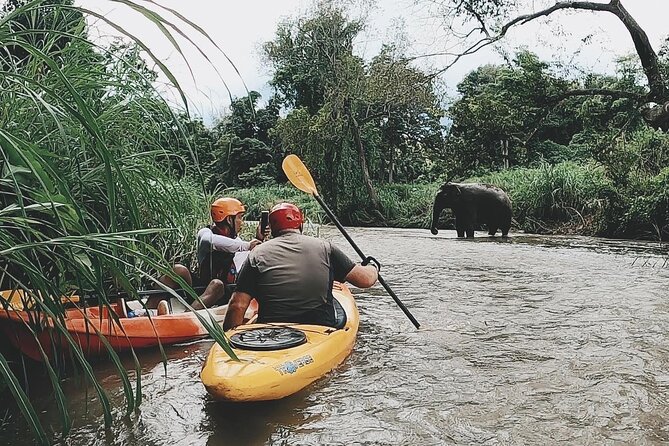
- Elephant-camp route: you paddle past elephant camps along the river edge, with real chances to spot bathing and drinking.
- You control your boat: “captain of your own boat” is the vibe—guided, but you’re the one doing the paddling.
- Riverside lunch + options: lunch is included, with vegetarian and vegan choices at a river-side restaurant.
You can also read our reviews of more tours and experiences in Chiang Mai.

45-minute drive to Mae Wang: starting calm before the paddling
You meet your guide at your Chiang Mai hotel and head out around 45 minutes toward the Mae Wang Valley, with Doi Inthanon’s shadow in the background. The drive matters more than you might think. It gives you time to shift from city mode into river mode, and it helps you warm up mentally for a day that mixes gentle paddling with sections of rapids.
Once you’re at the pro-shop, you’ll get a Google Earth orientation. That’s a simple but smart touch because it helps you understand where you are on the river, what to expect next, and how the run is structured. Then you’ll learn the basics of technique and safety before you ever slide into the water.
The start is also the moment to ask questions about your comfort level. If you’re new to kayaking, you’ll want to flag it early so the team can steer you toward the right boat and the right pace.
Picking the right kayak: river kayak vs sit-on-top for your skill level
This trip isn’t one-size-fits-all. You choose between a river kayak and a hard-shell sit-on-top style option depending on your skill level and comfort in the water.
If you’re aiming for intermediate to expert levels, the program provides whitewater kayaks suited for that range. If you’re more beginner-friendly, you’ll still get a full day on the water, but with the rapids kept appropriate—especially in the upper section where the water is Class I and II.
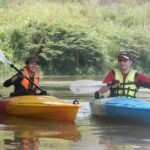
I like that the experience is designed around progression. You get to practice technique, then you get to “grow into” the river. And since you’re the captain of your own boat, you’re not just sitting while someone else handles everything. You’ll feel the river through your own paddling choices, which makes the day feel earned.
Upper Mae Wang (Class I–II): wildlife, elephants, and learning the river rhythm
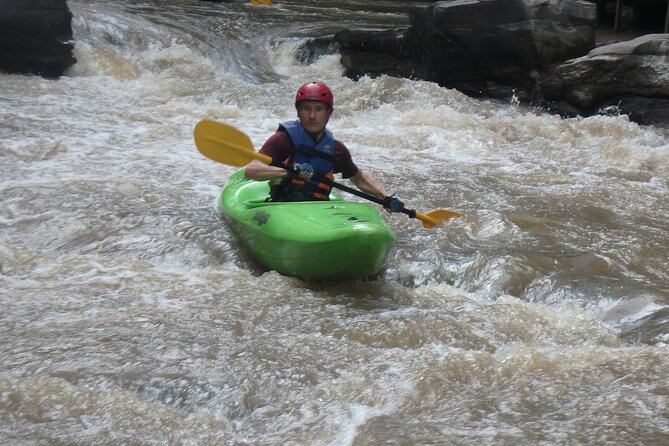
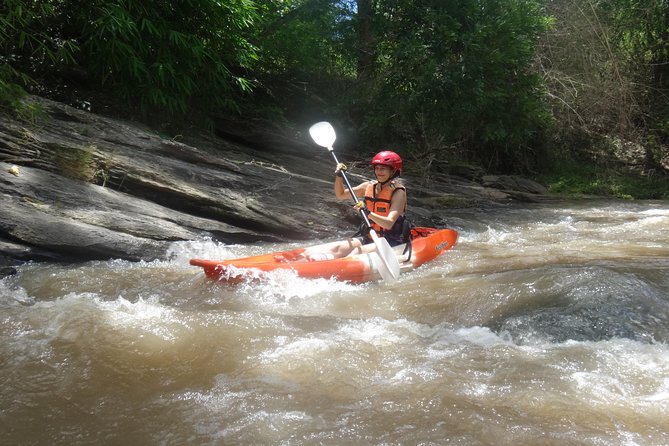
The run begins in the upper portion of the Mae Wang River, where you’ll tackle Class I and II rapids—friendly enough for beginning boaters, but still exciting. This is where you build confidence. The key is rhythm: paddle hard where you need control, then relax on the easier stretches between rapids.
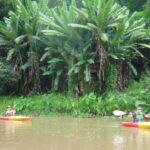
One of the most memorable parts of the day is the wildlife corridor. Your course passes a series of elephant camps, and you might see elephants come to the water’s edge to bathe and drink. You’re not guaranteed a close-up moment, but the route is chosen specifically for these sightings, so it’s not just a random “maybe.” It’s also a reminder that you’re paddling through a working natural area, not just a scenic postcard.
While you’re watching the bigger animals, keep your eyes out for smaller signs of jungle life. You’ll be searching for butterflies, birds, and even jungle mammals along the way. That mix is a big reason this feels different from purely white-water trips: the day isn’t only about intensity.
Between rapids: why the easy water is part of the fun
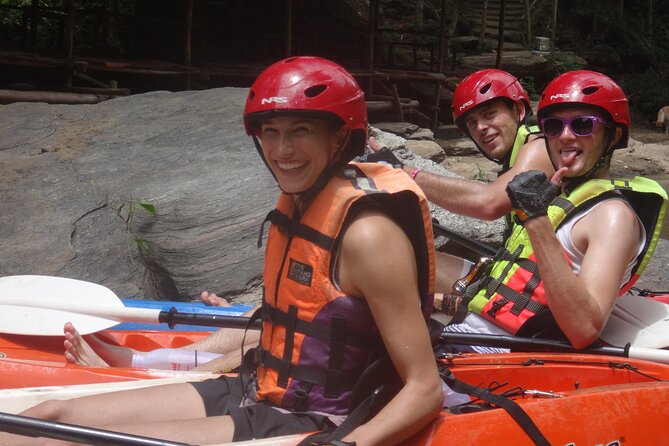
The “easygoing stretches” aren’t filler. They’re what let you enjoy the surroundings and reset your hands and shoulders. In river time, you go through mini-cycles: accelerate into a rapid, then settle into calmer water, then gear up again. Having those breaks makes the day more enjoyable across all ages and skill levels.
They also give you a chance to focus on simple things you’d miss in constant action—like looking back at the valley walls, scanning the treeline for birds, or noticing how the river changes texture as it moves from calmer sections into the next set of rapids.
If you tend to grip too hard when you’re excited, this is a great time to loosen up. Let your paddling become smoother, not forceful. Your comfort will make the harder rapids later feel less stressful.
Lost Canyon (Class III–IV): the advanced option that makes the day feel complete
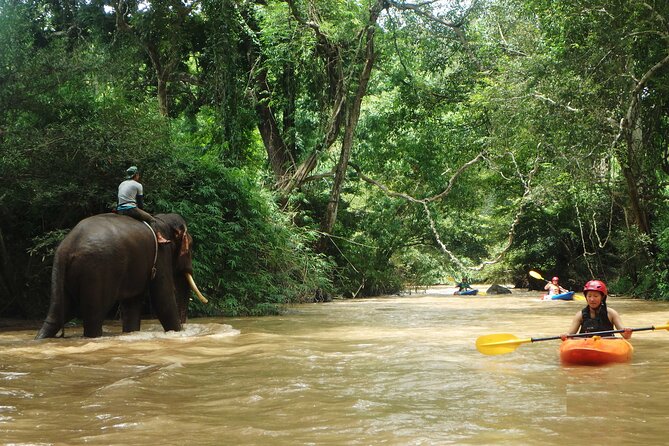
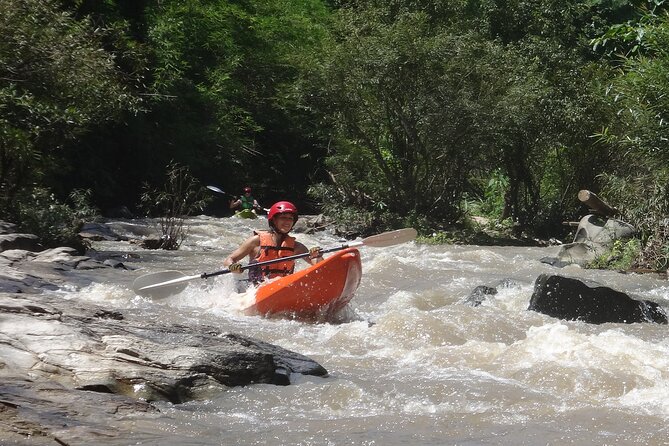
If you’re an advanced paddler, the lower Mae Wang River includes Class III and IV rapids. This is where the difficulty ramps up—bouncing off boulders and riverbanks, with more forceful white water than the earlier section.
The trip specifically calls out Lost Canyon as the place you shouldn’t miss for proper white-water energy. This part is for advanced boaters, so the “choose your level” design matters. You shouldn’t feel pushed past your ability. Instead, you get the option to take on the river’s harder face when you’re ready.
What I like about framing it this way is that it helps you plan your day. Even if you’re not sure you’ll be up for Lost Canyon, you’ll understand early on what the river has in store. Then you can decide based on how you feel after you’ve already learned the basics and handled the first rapids.
Riverside lunch: fuel that actually supports a full paddling day
Lunch is included, served at a river-side restaurant along the water. The big win is that you have vegetarian and vegan options, so you’re not stuck with an afterthought meal.
This matters because kayaking is a muscle day. You’ll be using your arms and core to control the kayak, correct angles, and keep your balance through current changes. A real lunch at the right time makes the afternoon run easier rather than turning the last hour into survival mode.
You’ll also have hydration options. Water for hydration packs and bottled water are available throughout the event, so you’re not stuck guessing how much you’ll need. I recommend treating this like an active-sport day, not like a casual sightseeing trip. Sip consistently, especially if you’re sweating from the paddling and sun.
Safety that lowers the stress level: first aid, gear fit, and a following support truck
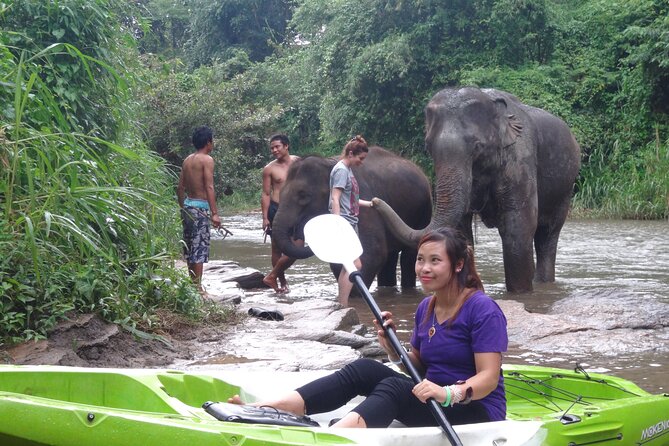
This experience is built around a guided structure with clear safety components. You’ll have professional escort support with instructors certified in First Aid and CPR.
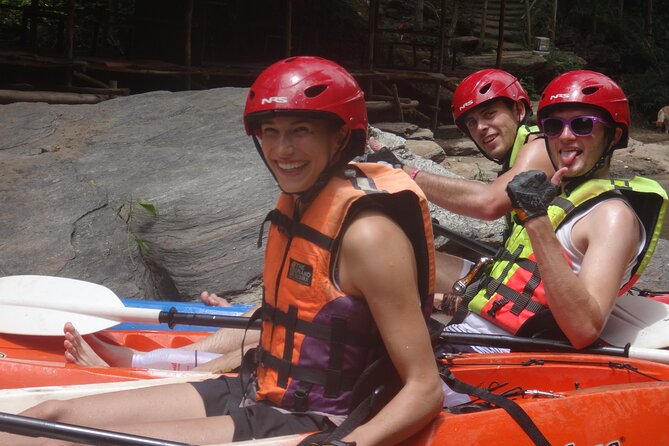
On the gear side, you’ll be provided a properly sized PFD (life jacket) and helmet. For white-water kayaks, spray decks are also provided, which can be a big deal in rougher sections. Fit matters here—correct sizing improves comfort and safety—so don’t be shy about speaking up if anything feels off.
There’s also a following support truck with secure storage for valuables. That’s a practical benefit. You can paddle without carrying too much, and you don’t have to worry about where to stash your phone, wallet, or extra layers. It also gives the team a ready backup if you need assistance.
Finally, insurance is part of the setup. You’ll be asked for passport details at check-in for insurance ID. That’s not the most fun part of planning, but it’s good to know the day is managed with a formal safety framework.
What to pack (and what to buy there): insects and river footwear matter
You’re going to be outdoors, near water, in jungle-edge conditions. So your packing list needs to match real river use.
The trip’s pro-shop sells essentials like sunscreen, repellent, and water shoes (plus other outdoor gear). If you’re the type who waits until the day-of to grab repellent, don’t. One of the main cautions from experience feedback is that horse flies can go after you. That doesn’t mean the day is ruined—it just means you need to show up with protection and plan for it.
I’d strongly prioritize:
- Repellent (apply before you’re in the thick air)
- Sunscreen (you’re on water with sun reflection)
- Water shoes or footwear that can handle wet surfaces and grip
Also think about comfort and motion. You’ll be paddling for hours, so clothing that dries fast and doesn’t snag is your friend. If you forget something, at least you’re not completely stuck—there’s a pro-shop on-site.
And bring a mindset of moderate physical effort. The trip notes you should have moderate physical fitness level, which usually translates to being able to paddle, balance, and handle a day on the water without feeling totally wiped out by mid-afternoon.
Price and value: what you’re really paying for at $81.24
At $81.24 per person, this trip can feel like a bargain once you look at what’s included and what would cost you separately.
You’re getting:
- hotel pickup and return transport
- professional guidance and safety setup
- kayaking gear sized to you (PFDs, helmets, and spray decks for white-water kayaks)
- the option of different kayak types based on skill level
- a following support truck with secure storage
- hydration during the day
- a riverside lunch with vegetarian and vegan options
Most single-activity tours don’t include that kind of end-to-end support. Here, you’re paying for the whole river system: the briefing, the safe gear, the guided navigation through rapids, the built-in meal, and the logistics that keep the day moving.
Group size is another quiet value driver: the experience runs with a maximum of 10 travelers. Smaller groups often mean you get more attention during safety checks and technique coaching, and it can make the day feel less chaotic when you’re gearing up or launching.
Who this Chiang Mai kayak adventure suits best
This is designed for all ages and skill levels, but “all” here really means it’s structured around matching you to the right boat and keeping rapids appropriate. If you’re a beginner, you’ll get Class I–II in the upper section. If you’re experienced, you can aim for the tougher Class III–IV run in the lower section.
You’ll probably enjoy it most if you want:
- a full-day nature break from Chiang Mai’s city pace
- a mix of wildlife spotting and real water action
- a guided day where you still actively paddle, not just watch
If you’re someone who hates getting sweaty or you’re uncomfortable around insects, you can still make it work with repellent and smart clothing—but it won’t be a “light stroll” day.
Should you book this jungle kayak-and-elephant day?
I’d book this if you want a kayaking day that feels like more than a single highlight. The best part is the balance: gentle-to-moderate rapids to build confidence, wildlife and elephant-camp sightings along the river edge, and an advanced option for people who want Lost Canyon white water.
Book it especially if you care about value and real logistics. You’re not arranging gear, transport, or safety on your own. The day is set up with equipment, guidance, lunch, and support—and it keeps you moving through a full river experience in about five hours.
If you’re sensitive to insects or you want a day that stays calm and predictable, you’ll need to pack carefully and mentally prepare for jungle conditions. But if you show up ready, this is the kind of Chiang Mai outing that puts you back in nature for real, not just for a photo.
FAQ
What time does the tour start?
The start time is 8:30 am.
How long is the kayaking experience in Chiang Mai?
The duration is approximately 5 hours.
Does the tour include hotel pickup?
Yes. Pickup is offered from your Chiang Mai hotel.
What rapids will I paddle?
You’ll kayak the upper portion of the Mae Wang River with Class I and II rapids. Advanced boaters can continue into the lower Mae Wang River with Class III and IV rapids, including the white water of Lost Canyon.
Is lunch included?
Yes. Lunch is included at a river-side restaurant, with vegetarian and vegan options available.
What kayaking equipment is provided?
You’ll receive safety equipment including sized PFDs and helmets. For white-water kayaks, spray decks are also provided. Kayaks are provided as well, including hard-shell sit-on-top kayaks and white-water kayaks suited for intermediates to experts.
Is there a support vehicle during the trip?
Yes. A following support truck is included and provides secure storage for your valuables.
How many people are in a group?
The experience has a maximum of 10 travelers.
What is the cancellation policy?
You can cancel for free up to 24 hours in advance for a full refund. If it’s canceled due to poor weather, you’ll be offered a different date or a full refund.