REVIEW · FORT MYERS
Clear/Standard Kayak Self Guided Island EcoTour Bonita Springs!
Book on Viator →Operated by Mike's Coastal Expeditions · Bookable on Viator
Two hours of calm, salt-air paddling. This self-guided kayak outing in Big Hickory near Bonita Springs puts you in charge of your pace, with a route through mangrove areas and a chance to spot dolphins and manatees along the way. You also get access to a secluded beach that’s reserved for kayaks—ideal for shell hunting and a slow reset.
I love the quality of the gear and how practical it feels from the start. You’ll paddle with carbon fiber paddles, and you get dry bags plus shelling bags and top-quality life jackets so you can carry snacks, phones, and your finds without stress.
One thing to consider: wildlife sightings are never guaranteed on your own schedule, and clear-bottom kayaks can feel less nimble than standard kayaks. If you’re nervous about control, choose your kayak type carefully and follow the route directions closely.
In This Review
- Key Highlights to Know Before You Go
- Getting Started at 946V+82 Bonita Springs
- Gear That Actually Improves Your Kayak Time
- Paddling Big Hickory: What the Route Feels Like
- The Kayak-Only Beach Stop and Why It Matters
- Clear vs. Standard Kayaks: Choose Based on Control
- How the Mangrove Route and Map Tips Affect Your Day
- Fishing with Rod Holders: Casual, Not Complicated
- Timing, Weather, and the 2-Hour Sweet Spot
- Who This Self-Guided Kayak Rental Is Best For
- Value: Is $25 Worth It for Two Hours?
- Should You Book This Clear/Standard Kayak EcoTour?
- FAQ
- How long is the kayak eco-tour?
- Is this a guided tour or self-guided?
- Where is the meeting point?
- What wildlife can I look for?
- What equipment do I get?
- Is fishing possible during the trip?
- Are clear-bottom kayaks available?
- Are service animals allowed?
- What are the cancellation terms?
- What if weather is bad?
Key Highlights to Know Before You Go
- Carbon fiber paddles + real life jackets make the whole trip feel easier
- Mangrove tunnels and calm coastal water set a relaxed tone for the 2-hour paddle
- Manatees are seasonal (April through October), so timing can matter
- A kayak-only secluded beach gives you shelling time and a proper break
- Built-in rod holders turn a nature paddle into a casual fishing outing (if you want)
- Self-guided means flexibility, but you’ll want to read the map and directions carefully
Getting Started at 946V+82 Bonita Springs
Your experience begins at the meeting point in Bonita Springs, listed as 946V+82 Bonita Springs. The good news is that this is the kind of launch where you can keep things simple: check in, grab your gear, and get on the water without a long bus ride or complicated transfers.
This is also set up as a private activity for your group. In practice, that means you’re not dealing with a mega-tour crowd. You’ll still share the general area with other boaters, but your time on the water is yours.
Expect the whole trip to run about 2 hours. That length is perfect for people who want the Big Hickory vibe without committing to a half-day adventure.
You can also read our reviews of more tours and experiences in Fort Myers.
Gear That Actually Improves Your Kayak Time
This rental stands out for how much attention is given to the basics. You don’t just get a kayak and paddle—you get tools that help you enjoy the trip instead of babysit your stuff.
You’ll be provided with carbon fiber paddles, which are lighter and easier to move for the distance you’ll cover in a 2-hour outing. You also get dry bags, plus shelling bags if you’re planning to hunt for shells on the beach stop. Life jackets are included and described as top quality, which matters because comfort and safety improve confidence fast—especially if it’s your first paddle.
Storage is another big deal on short rentals. The kayaks are described as having ample storage and stability, which means you can bring layers, water, and a few essentials without feeling like everything will shift as you turn.
And if fishing is on your mind, you’ll notice built-in rod holders. That turns the paddle into something you can multitask: watch for wildlife, then fish when you’re in a good spot.
Paddling Big Hickory: What the Route Feels Like
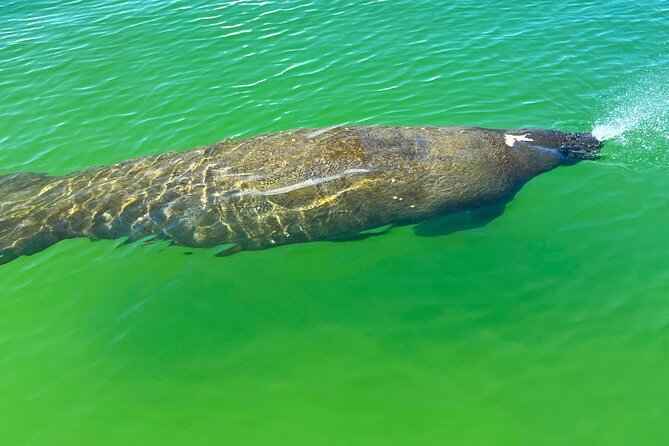
The best way to describe the water you’re likely to paddle is calm and controlled, not wild and choppy. One of the strongest recurring themes from people who’ve done this is how peaceful the conditions can feel once you’re out on the water.
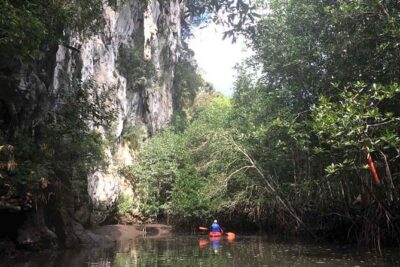
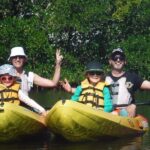
Big Hickory is the core setting, and your self-guided route includes areas people associate with mangrove tunnels and nearby coastal water around Estero Bay. Mangrove tunnels are worth it even if you don’t care about wildlife. They slow everything down—your paddling becomes smoother, your turns become more deliberate, and the air changes as you move under the canopy.
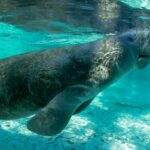
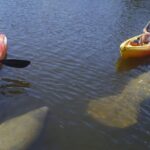
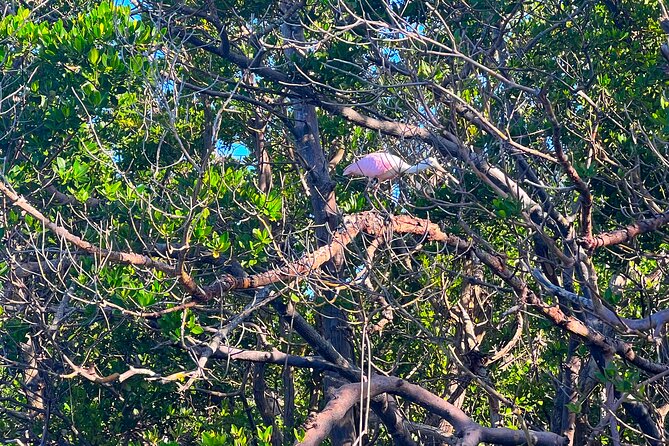
Now, about wildlife: this tour is designed around your chance to spot dolphins and manatees. Manatees are specifically called out as seasonal from April through October, which is useful if you’re planning a trip around that goal. Dolphins are also mentioned, but you should treat dolphin sightings as a bonus, not a promise.
Self-guided changes the math. You won’t be following a guide who can react instantly to animal movement. So you’ll want to paddle at a comfortable pace, keep a steady look out, and accept that sometimes you’ll see more shells than dolphins—and that can still be a great day.
The Kayak-Only Beach Stop and Why It Matters
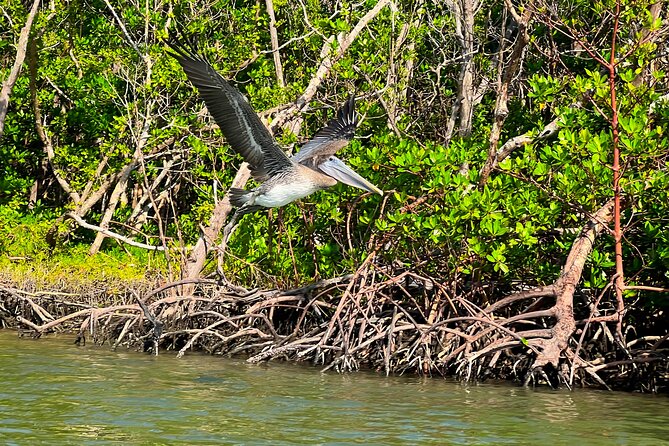
A standout feature here is access to a secluded beach reserved for kayaks. This isn’t just a random shoreline you drift past. It’s a destination stop meant for a breather, a shelling break, and time to reset your body after paddling.
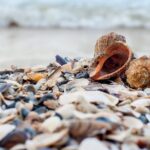
On a 2-hour trip, that beach time is a big chunk of the value. It’s where you can cool down, wander a bit, and collect shells in the shelling bags you’re given. Even when wildlife sightings are limited, the beach stop gives you a tangible payoff you can control.
There’s also a quiet, private-feeling element to a kayak-only access spot. You arrive by paddle, you’re not towing a cooler and a crowd, and it naturally slows things down. If you’re traveling with family, this kind of stop is gold because it breaks up the experience and keeps everyone engaged without adding complexity.
The main drawback is simple: the beach stop takes time and energy you might want to spend paddling longer. If you’re chasing maximum wildlife time instead of relaxing, you may want to keep your beach wander brisk and focused.
Clear vs. Standard Kayaks: Choose Based on Control
This experience is listed as a Clear/Standard option, and that choice can meaningfully affect how your paddle feels.
Clear-bottom kayaks can be tempting because you see the water below. But one important consideration is handling. Clear kayaks may feel different from standard kayaks and can feel less nimble—like you’re moving a sturdier, less responsive platform. If you’re a brand-new paddler, you may prefer a standard kayak for easier steering and confidence.
Here’s a practical way to decide:
- If you care most about smooth control and quick turning, lean standard.
- If you’re comfortable on water and you want extra visual fun, clear can be worth it.
Either way, self-guided means you rely on your own technique more than with a guided group. If you’re unsure, prioritize stability and control. You’re going to enjoy the trip more when you’re not fighting the boat.
How the Mangrove Route and Map Tips Affect Your Day
On self-guided rentals, the map and instructions aren’t paperwork. They’re your plan. In fact, small routing choices can change whether you get the most out of your time.
You’ll receive direction on how to get going and how to navigate your route. People report that the staff gives clear instruction and a map that helps you feel oriented fast. That’s especially important if you’re entering mangrove areas, because turns and channel choices feel more “maze-like” than open water.
A key practical tip: be ready to follow guidance about entering a mangrove tunnel early rather than lingering at the opening. If you hesitate, you may lose time—or you may end up paddling a less efficient path toward your beach stop.
Another useful note is the idea of paddling toward the outside of mangrove areas rather than closer in, depending on your route. If you paddle inside when you should be outside, effort can jump and your progress can slow.
The bottom line: take the first 10 minutes seriously. After that, it’s smooth sailing.
Fishing with Rod Holders: Casual, Not Complicated
If you want to fish, the built-in rod holders are the reason this rental can work for anglers who don’t want a dedicated fishing trip. You’re already on the water, already moving through interesting water zones, and you can set up without hauling extra gear.
Because this is a short, self-guided outing, keep expectations realistic. Treat fishing as an add-on activity. If you get bites, great. If not, you’re still on a scenic paddle with wildlife chances and a beach stop.
The rod holder setup also influences how you paddle. You’ll want to secure your rod properly before you start moving through tighter mangrove turns. That helps keep the trip safe and keeps your attention where it should be.
Timing, Weather, and the 2-Hour Sweet Spot
This is a good weather kind of activity. The listing calls out that it requires good conditions, which is exactly what you want to hear for a short self-guided paddle. When weather is right, you get the calm-water feeling that makes this such a relaxing outing.
Since the trip is about two hours, you don’t need a whole day to do it. That makes it a smart option if you’re staying in Southwest Florida but don’t want to lose your afternoons to long excursions.
Also, because it’s flexible enough to be rescheduled due to bad weather (you can shift dates), it’s easier to fit into a real vacation schedule. Just remember: this works best when you can actually get out on the water.
Who This Self-Guided Kayak Rental Is Best For
This experience is a strong fit for people who want control and flexibility. You can paddle at your own pace, stop when you want, and spend your energy where you care most—wildlife watching, beach time, or just enjoying the calm.
It also works well for families. One parent noted that they were able to bring a toddler, and that a toddler life jacket was provided. That points to a setup that’s practical for younger travelers, as long as everyone can follow basic safety directions.
First-timers often do well here because you’re given instruction, equipment, and a map that helps you feel oriented. If you’re new, I’d still recommend choosing the kayak option that feels easiest to handle—especially if you’re considering clear-bottom boats.
If your top priority is guaranteed wildlife viewing, you’ll likely be happier with a guided option. This self-guided format gives you chances, not certainty. But the trade is freedom, and the beach stop keeps the trip rewarding even when wildlife stays quiet.
Value: Is $25 Worth It for Two Hours?
At $25 per person, this rental is priced to make kayaking feel accessible. You’re not paying for a big, multi-hour tour structure. Instead, you’re paying for high-quality gear and a route that gives you real variety: mangrove-style paddling, wildlife watching opportunities, and a kayak-only beach stop for shelling.
The value becomes even clearer when you consider what’s included:
- life jackets
- carbon fiber paddles
- dry bags
- shelling bags
- fishing-ready rod holders
- stability and storage designed for a relaxed outing
That package means you’re not improvising with random gear from your car or trying to borrow equipment while everyone is already waiting to launch. For a budget-conscious trip, the “what’s included” list matters more than the sticker price.
My practical take: if you’ll actually use the beach stop and you’re comfortable following instructions, it’s a great deal.
Should You Book This Clear/Standard Kayak EcoTour?
Book it if you want a short, calm, self-paced paddle in the Big Hickory area and you like the idea of a kayak-only secluded beach with shell hunting built in. It’s especially worth it for families and first-timers who want clear instruction and equipment that makes you feel safe.
Pass—or at least choose carefully—if you’re sensitive to control issues on the water. If you’re considering a clear-bottom kayak, know that handling can feel different from standard kayaks, and your confidence will depend on how well you follow the route directions.
If your goal is manatees, plan for the April through October season. If your goal is dolphins, enjoy it as a bonus chance while you focus on the calm paddling and the beach stop that you can count on.
In short: this is a good-value Southwest Florida paddle when you treat it like a relaxed nature outing, not a guaranteed wildlife safari.
FAQ
How long is the kayak eco-tour?
It’s about 2 hours on the water.
Is this a guided tour or self-guided?
It’s self-guided, with you exploring on your own using provided info like a map and instructions.
Where is the meeting point?
The meeting point is listed as 946V+82 Bonita Springs, FL, USA, and the activity ends back there.
What wildlife can I look for?
You can look for dolphins and manatees. Manatees are listed as seasonal from April through October.
What equipment do I get?
You’ll get high-quality gear including life jackets, carbon fiber paddles, dry bags, and shelling bags.
Is fishing possible during the trip?
Yes. The kayaks are described as having built-in rod holders.
Are clear-bottom kayaks available?
The experience is listed as Clear/Standard, and clear-bottom kayaks are mentioned, so you should expect clear-bottom options alongside standard options.
Are service animals allowed?
Yes, service animals are allowed.
What are the cancellation terms?
You can cancel for a full refund if you cancel at least 24 hours before the start time. If you cancel less than 24 hours before, it’s not refunded.
What if weather is bad?
The experience requires good weather. If it’s canceled due to poor weather, you’ll be offered a different date or a full refund.