REVIEW · GREEN BAY AND DOOR COUNTY
Death’s Door Bluff Kayak Tour
Book on Viator →Operated by Door County Kayak Tours · Bookable on Viator
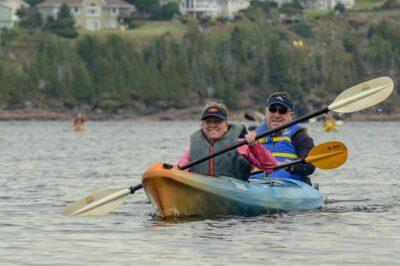
Kayaking Death’s Door feels like a small adventure. You’ll paddle to Door Bluff Headland’s County Park, with stops that include Native American pictographs and the schooner fleetwing shipwreck. It’s a short tour, but it packs in big scenery and a little real-world history.
I like that you get a proper paddle lesson and safety briefing before you head out, so first-timers can feel on top of things. I also like the added comfort of having a professional photographer along for your trip, with photos you can purchase after.
One thing to consider: this is water time, so plan around weather. It runs in most conditions, but you’ll still want to dress for wind and spray.
In This Review
- Key things to know
- From Ellison Bay to Death’s Door: What the Route Sets Up
- Before You Paddle: Gear, Life Jackets, and a Real Paddle Lesson
- Door Bluff Headland’s County Park Stop: The Real Payoff
- Pictographs and the schooner fleetwing: Why the Story Matters on the Water
- Photo Help Without the Guesswork: The Pro Photographer Option
- What to Bring (So Your Trip Doesn’t Turn Into a Swap-and-Change Plan)
- Timing, Group Size, and Physical Readiness on the Water
- Value Check: What You Get vs. What You Handle Yourself
- Should You Book the Death’s Door Bluff Kayak Tour?
- FAQ
- How long is the Death’s Door Bluff Kayak Tour?
- Where do I meet, and do I return to the same place?
- Are there morning and afternoon departures?
- What kayaking gear and instruction are included?
- Do I need to bring food and drinks?
- What if the weather is bad or I need to cancel?
Key things to know
- Door Bluff Headland’s County Park is the tour’s main destination, reached by kayak.
- Native American pictographs and the schooner fleetwing shipwreck are part of the on-the-water route.
- Single or tandem kayaks mean you can choose your comfort level and paddling style.
- A paddle lesson and safety instruction are included, not just a quick handoff.
- Maximum 12 travelers keeps the group small enough for real guidance.
From Ellison Bay to Death’s Door: What the Route Sets Up
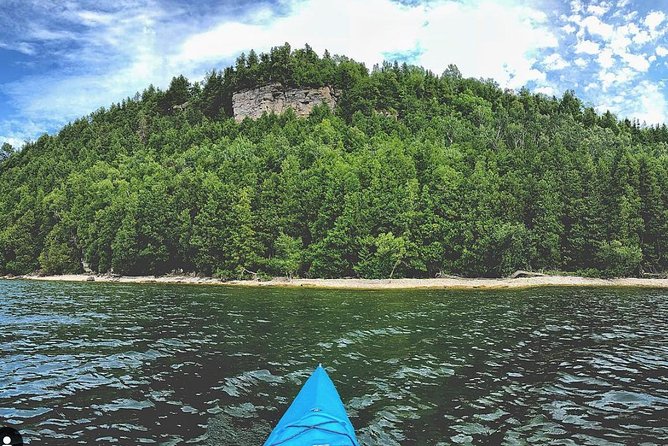
This tour is based out of Door County and the Green Bay area, with the meeting point at 1310 Garrett Bay Rd, Ellison Bay, WI 54210. You return to that same spot at the end, so you’re not dealing with an all-day logistics puzzle. The whole experience runs about 1 hour 45 minutes, with departures available in both the morning and afternoon.
What makes this route appealing is that it’s not just a “paddle for paddling’s sake” outing. You’ll see Native American pictographs and the schooner fleetwing shipwreck as part of the journey before you reach the Door Bluff Headland’s County Park area. That combo matters because your brain stays switched on. You’re paddling, looking out at the water, and also tracking the story happening around you.
If you’re the type who likes your outdoor activities with context (and not just photos that look nice), this is set up for you. It’s short enough to fit into a Door County day, but it still feels like a real excursion rather than a quick rental-and-go.
You can also read our reviews of more tours and experiences in Green Bay and Door County.
Before You Paddle: Gear, Life Jackets, and a Real Paddle Lesson
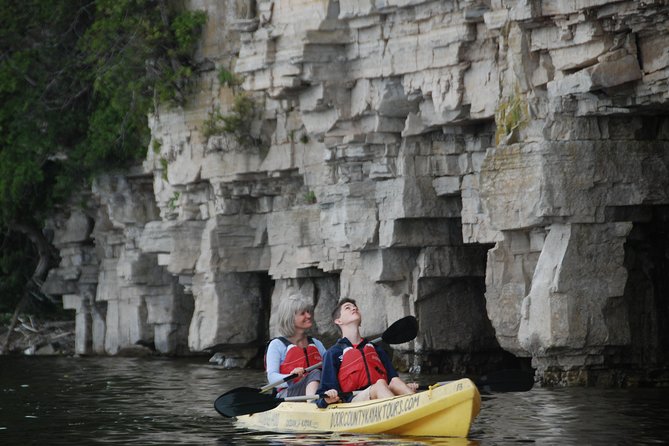
One of the biggest value points here is that kayaking skills aren’t left to chance. You’ll get a paddle lesson and safety instruction as part of the included experience. That means you start with guidance on how to handle the kayak, how to move your paddle, and what to do for basic safety. Even if you’ve never sat in a kayak before, that coaching is the difference between feeling confident and feeling behind.
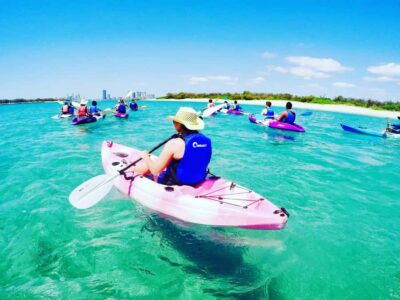
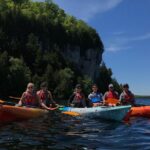
Gear-wise, you’re covered in the basics: a life jacket, a single or tandem kayak, and the standard equipment you need for the water. The tour also caps the group at a maximum of 12 travelers, which usually helps the guide keep close watch and respond quickly if someone needs extra help.
You’ll also want to think about how water feels on your body. Wind and spray can happen even on calmer days, so wear something that dries quickly or can handle getting wet. The tour advises lightly layered synthetic clothing, plus options like a swimsuit with a windbreaker or a light layer. That’s practical advice, not fluff.
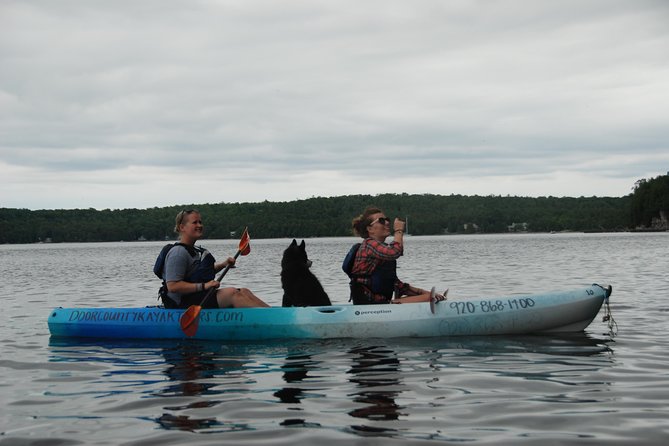
And yes, you can travel with a service animal, so if that’s part of your reality, you can plan without guessing.
Door Bluff Headland’s County Park Stop: The Real Payoff
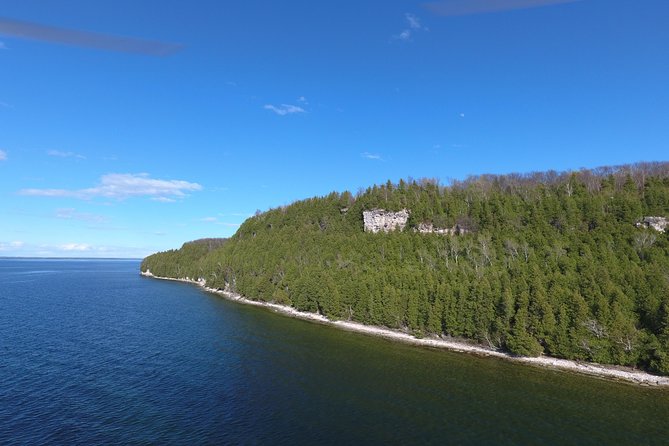
Door Bluff Headland’s County Park is the main target of the trip, and it’s the moment where all the paddling pays off. Your itinerary includes a single clear stop: Door Bluff Headland’s County Park.
Because the tour is about 1 hour 45 minutes total, you shouldn’t expect this to be a long hiking outing. Instead, think of it as a kayaking experience where the shoreline and headland area become your “viewpoints.” In other words, you get to spend time on the water getting there, then you arrive at a scenic area where you can take in the coast from the water level.
Here’s what I’d watch for if you want the best experience at the park stop: pacing and attention. When you’re on a kayak, the water can shift how you feel from minute to minute. If you keep your eyes up and your paddling steady, the destination moment feels smooth instead of rushed. If you start off stiff or tense, the last stretch can feel harder than it should.
The best part is that you’re not just looking at a coastline from a road. From a kayak, the shoreline comes closer, the angles change, and you get that satisfying sense of having earned your view.
Pictographs and the schooner fleetwing: Why the Story Matters on the Water
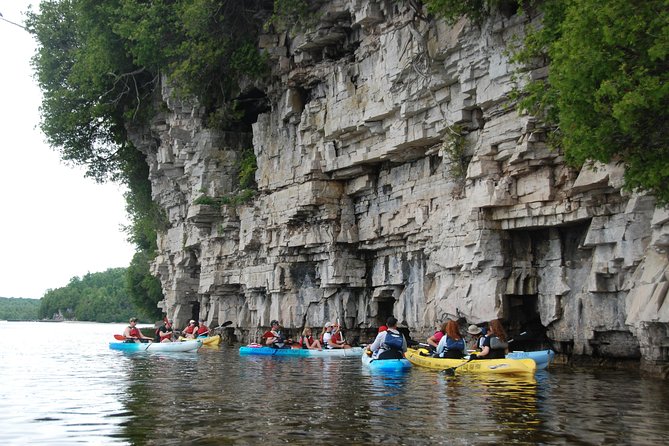
The tour adds two intriguing elements to the experience: Native American pictographs and the schooner fleetwing shipwreck. Those aren’t random facts thrown in for trivia value. They’re timed into the route so you’re seeing them from the water, at kayak speed, with the guide helping you make sense of what you’re looking at.
That’s a big deal because a wreck or pictographs can be hard to appreciate if you only see them from far away or without context. From the kayak, you can take your time with each sight line, and it’s easier to understand why the area has been meaningful for different groups over time.
Also, this structure keeps the tour from turning into a loop of “paddle, paddle, paddle.” The visuals change, and you get moments where you might pause your paddling style for a better look, then get back to it. That rhythm makes the trip feel more like a guided adventure than a chore.
If you’re someone who likes authentic places—places where the land and water are tied together—this is the right style of tour. It doesn’t ask you to be an expert. It just makes the experience more human and grounded.
Photo Help Without the Guesswork: The Pro Photographer Option
You’ll have a professional photographer on the tour. The photos are taken during the kayaking experience and are available for purchase afterward.
For a short tour, that matters more than people think. When you’re in a moving kayak, stopping for photos can feel awkward or risky, especially if you’re trying to manage a camera and also keep your kayak stable. Having a photographer handles that problem for you. You can focus on paddling and on seeing what’s in front of you.
This is also a good fit if you travel with a partner or small group and want both people in the pictures. Solo travelers can also benefit because the photographer gives you a decent chance at having more than just a few shaky phone shots.
One more practical note: the tour encourages you to bring a waterproof camera (or something that can handle spray) and a waterproof phone case. Even with pro photos available, having your own device protected keeps you in control.
What to Bring (So Your Trip Doesn’t Turn Into a Swap-and-Change Plan)
This is where you can set yourself up for comfort fast. The tour recommends:
- Swimsuit and a windbreaker jacket, or lightly layered synthetic clothing
- Sunglasses, hat, sunscreen
- Waterproof camera and/or waterproof phone case
- Bug repellent
- Bottle water, towel, and extra change of clothes
It also helps to know what you can buy on site: bottled water, t-shirts, paddling gloves, and a waterproof phone case are available for purchase. That’s useful if you arrive without thinking through the details, which happens more often than you’d think on vacation.
I’d also plan for wet gear from the start. Even if the water isn’t rough, you can get spray. Bringing a towel and a change of clothes is the difference between feeling fine afterward and spending the rest of your day chilly or uncomfortable.
If you wear regular glasses, consider whether you’ll be okay with water and wind. The tour doesn’t specify eyewear requirements, but sunglasses are recommended, which is a hint that glare and spray are part of the reality out here.
Finally, don’t overpack. The group size is small and the tour is focused. You want to carry the essentials without turning kayaking into a backpack-balancing act.
Timing, Group Size, and Physical Readiness on the Water
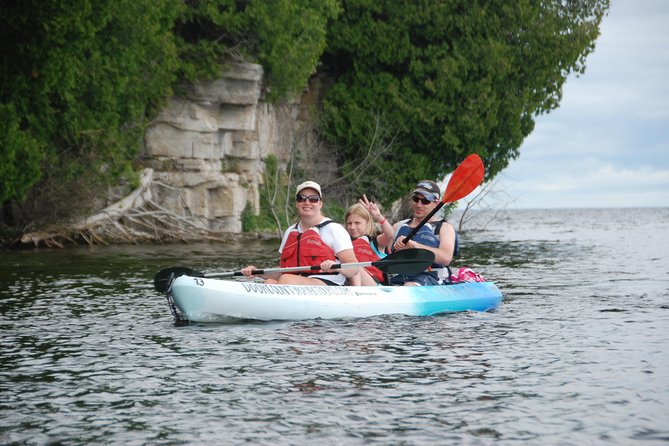
The tour runs in the neighborhood of 1 hour 45 minutes, with morning and afternoon departure choices. You’ll want to pick the time that fits your energy level and weather rhythm. In general, wind and water conditions can vary during the day, so choosing a departure that matches your comfort and the day’s conditions helps.
Fitness-wise, the tour asks for travelers with moderate physical fitness. Kayaking usually involves upper-body endurance and steady movement, not just walking legs. If you have any concerns about paddling comfort, it helps to think in terms of how you handle a brisk walk plus some repetitive arm motion for under two hours.
Good news: the tour keeps things manageable with a maximum of 12 travelers. A smaller group typically means you get more attention and fewer “wait your turn” moments. Pair that with the included paddle lesson and safety instruction, and the experience becomes easier to handle.
If you’re traveling with kids or seniors, keep in mind there’s no age range provided here—so you’ll need to judge based on the moderate fitness requirement and the ability to follow guide instructions.
Value Check: What You Get vs. What You Handle Yourself
You’ll pay attention to value on this kind of tour because it’s short, and you want to feel covered. Here’s what the experience includes:
- A professional guide
- Life jacket
- Single or tandem kayak
- Paddle lesson and safety instruction
- A professional photographer (photos available for purchase)
Not included:
- Food and drinks
- Hotel pickup and drop-off
That mix is pretty typical for an on-water adventure, and it’s a fair one. The big “value” is that the key items—kayak, life jacket, instruction, and guide time—are handled. You’re not arranging rentals, you’re not trying to teach yourself safety, and you’re not wandering around looking for someone to explain the basics.
Your role is mostly hydration and comfort. Since food and drinks aren’t included, bring what you need for pre- and post-tour. The tour does suggest bringing bottle water, and it also notes bottled water is available to purchase, which solves the most common problem.
The photographer option also adds value for many people. If having good trip photos matters to you, this is more reliable than trying to control timing and framing while paddling.
And because there’s no hotel pickup, you should plan to reach the Ellison Bay meeting point on your own. If you’re road-tripping, that’s simple. If you’re staying far away without a car, you might find this part inconvenient.
Should You Book the Death’s Door Bluff Kayak Tour?
If you want a guided kayak trip that’s short but thoughtfully structured, I think this one makes sense. It’s especially attractive if you:
- Like the idea of kayaking to Door Bluff Headland’s County Park rather than just paddling in open water
- Want help with technique through a paddle lesson
- Care about story and visuals, since you’ll see pictographs and the schooner fleetwing shipwreck
- Prefer a small group experience (max 12)
I’d pause if you’re very sensitive to wind and water exposure, because the tour is outdoors and weather still matters. And since food and drinks aren’t included, plan your day so you’re not hungry or stuck after the tour.
One more quick confidence boost: the tour scores extremely high, with an average rating of 4.9 and everyone who left a rating saying they’d recommend it. The guide quality comes through in the feedback as being friendly and helpful, which is exactly what you want when you’re out on the water for nearly two hours.
If you book, do it with the mindset of a guided paddle outing with built-in sights and a photo option. That’s what this tour is at its best.
FAQ
How long is the Death’s Door Bluff Kayak Tour?
It lasts about 1 hour 45 minutes.
Where do I meet, and do I return to the same place?
You meet at 1310 Garrett Bay Rd, Ellison Bay, WI 54210, USA, and the tour ends back at the meeting point.
Are there morning and afternoon departures?
Yes. You can choose either a morning or afternoon departure to fit your schedule.
What kayaking gear and instruction are included?
The tour includes a professional guide, a life jacket, a single or tandem kayak, and a paddle lesson plus safety instructions. You’ll also have access to a professional photographer during the tour (photos are available for purchase).
Do I need to bring food and drinks?
Food and drinks are not included. The tour recommends bringing bottle water, and bottled water is available for purchase.
What if the weather is bad or I need to cancel?
It operates in most weather conditions, but it requires good weather. If it’s canceled due to poor weather, you’ll be offered a different date or a full refund. For cancellations, it’s free to cancel up to 24 hours in advance for a full refund.