REVIEW · NAPLES
Guided Glow LED Kayak Sunset Activity in Bonita Springs
Book on Viator →Operated by Mike's Coastal Expeditions · Bookable on Viator
Glow-LED kayaking at night feels unreal, and this Hobie Sunset ride turns Bonita Springs waterways into a living highlight reel. I especially like the hands-free Hobie mirage pedal drive, because you steer with your hands and keep your eyes on the water, not your paddle. I also like that the guide, Mike, shares real wildlife know-how and takes complimentary photos so you can enjoy the moment instead of fishing for the perfect shot.
Here’s the one thing to watch: this is a good-weather experience. If conditions are poor, the trip can be rescheduled or refunded, so check your plans if you’re visiting during a stormy stretch.
In This Review
- Quick reasons this Sunset Glow kayak tour works
- Hobie pedal kayaks plus LED night return: what’s really different
- From Little Hickory Beach Park to the first mangrove tunnel
- Through inlets and channels: wildlife spotting that feels guided, not lecture-y
- The sunset phase: where you watch and why the timing matters
- LED return: how night kayaking changes what you notice
- Mike as a guide: why the human touch is part of the value
- Price and logistics: is $85 worth it for 2 hours 30 minutes?
- Who should book this Glow LED Sunset kayak tour
- Practical tips for an easy, fun evening on the water
- Should you book this Bonita Springs Glow LED Sunset kayak tour?
- FAQ
- FAQ
- How much does the Guided Glow LED Kayak Sunset Activity cost?
- How long is the kayak sunset tour?
- Where does the tour start?
- Is this tour in English?
- Are pets allowed?
- Is the trip suitable for beginners and kids?
Quick reasons this Sunset Glow kayak tour works
- Hobie pedal drive = less effort, more looking around
- Mangrove tunnels with Mike’s wildlife spotting help
- Gulf of Mexico wildlife chances in calm water
- LED kayak return = night viewing right after sunset
- Small group (max 16) makes questions and pacing easier
Hobie pedal kayaks plus LED night return: what’s really different
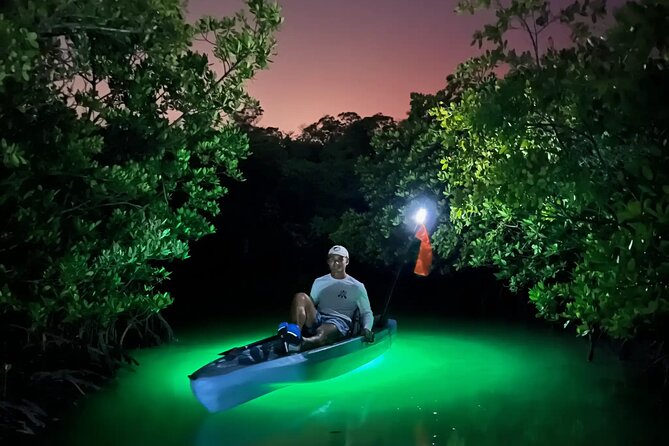
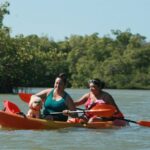
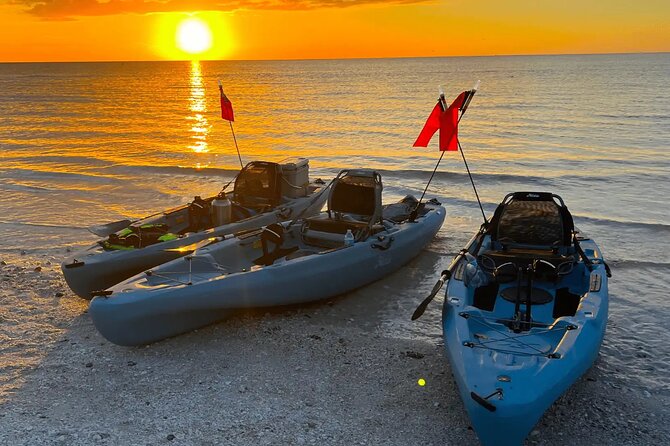
This isn’t a generic “row at sunset and hope for the best” outing. The big twist is the kayak setup: Hobie mirage pedal drive lets you move through the water with your feet. That means your hands stay free for simple steering and for pointing out birds, shell clusters, or anything unusual popping up near the mangrove roots.
The second twist is the lighting. You start in daylight and glide toward sunset, then you switch on the LED setup for the return. That changes the vibe fast. In the dark, the water looks different, and you get a chance to see more action close to the kayak—especially the kinds of small life that you normally miss during the daytime rush.
For me, that combo is the value: you’re getting both a classic Florida sunset experience and a night-water experience in one continuous trip. You’re also not stuck doing full-time paddling the whole time, so first-timers and casual kayakers tend to have a much easier go of it.
You can also read our reviews of more tours and experiences in Naples.
From Little Hickory Beach Park to the first mangrove tunnel
The tour starts at Little Hickory Beach Park in Bonita Springs. It’s a solid launch area because you’re quickly in the “right kind” of water for this activity—calmer channels that let you slow down and pay attention.
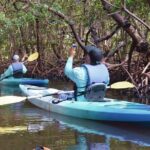
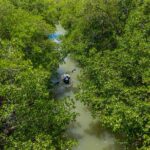
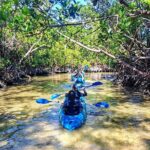
After you get set up, the trip heads into the first mangrove tunnel. This is where the mangroves stop being scenery and start being the main character. Mangrove roots form a natural maze: low, branching, and dense in the best way. Even if you’re not a nature person, you’ll notice how the water tightens up and how the guide’s pointing gets more frequent.
A big practical benefit: you’ll get your bearings early. The pedal drive makes it easier to hold a steady line while you watch what’s ahead. If you’ve never kayaked before, that matters. The guide support helps too—people doing their first kayak often find the experience approachable once they realize the kayak doesn’t demand constant paddling.
Potential drawback in the real world: mangrove areas can feel dark and enclosed in the early evening, especially under heavy cloud cover. If you’re someone who gets uneasy in low-light spaces, bring a calm mindset and rely on Mike’s pace and positioning.
Through inlets and channels: wildlife spotting that feels guided, not lecture-y
After the first tunnel, you continue meandering through an inlet area where the water opens and you can scan both shorelines and the water surface. This is the middle stretch where a guided trip earns its keep. Mike shares what to look for—what kinds of birds frequent these waters, how mangrove habitats support them, and why certain spots tend to be active.
The route is designed for wildlife opportunities, not just scenic cruising. The plan includes heading toward the Gulf of Mexico, described as a calm gulf during the tour. When conditions are right, calm water gives wildlife a better chance to linger nearby—so your sightings feel more likely than a fast, choppy paddle.
From the guide’s perspective, the ability to slow down matters. If you’re floating too quickly, birds go quiet, and you miss the small tells. With the pedal drive doing the work, you can slow the pace and actually watch—like noticing a bird perched on mangrove branches, then tracking how it moves along the roots.
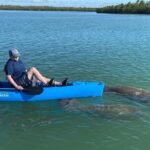
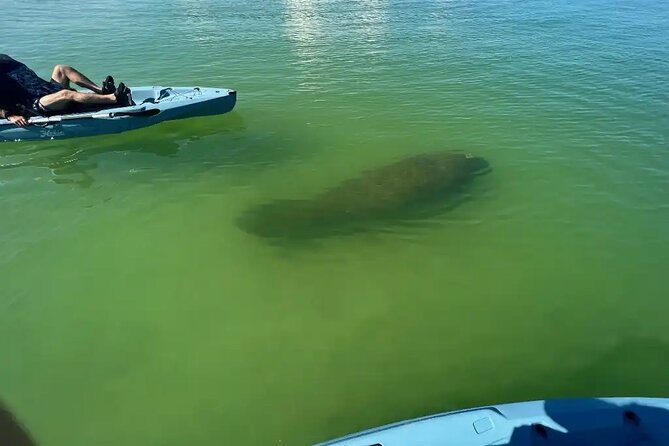
In the best moments, you might spot dolphins, and there’s also a real chance to see manatees if the local conditions line up. Even when big mammals don’t show up, you can still get memorable bird sightings. One example from the experiences: a close-up roseate spoonbill. Other bird sightings include tri-colored herons. And yes, people often come home with shells too, which makes the “walk on the beach after” part of the story feel extra fun.
The sunset phase: where you watch and why the timing matters
Sunset is the reason many people book, and this tour treats it like the center of the evening. The expedition continues deeper into the island’s mangrove system and heads toward Estero Bay before you settle in to watch the sunset.
Here’s why that matters: Estero Bay and the surrounding channels are active wildlife areas. Watching from the water gives you a viewpoint you don’t get from the shore—especially when the sun sinks and the water starts reflecting light across the mangrove structure.
Mike also makes the “best spot” choice part of the experience. That shows up in how the sunset feels from start to finish. It’s not just “pause and hope.” You’re moving through the right waterways at the right moment, so when you stop, you can actually see.
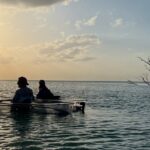
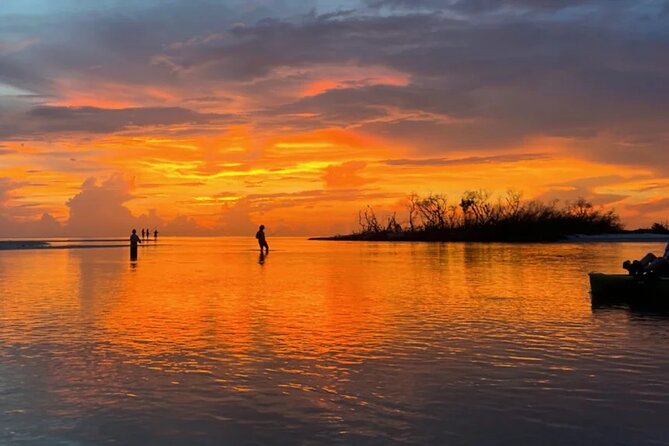
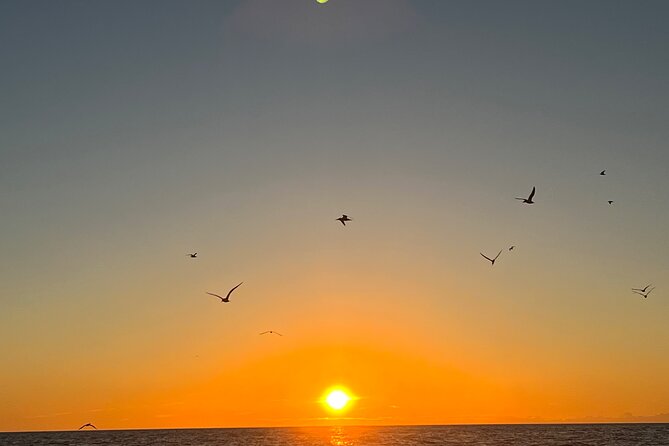
If you’re wondering what to expect visually, think warm light on water, long shadows across mangrove roots, and the feeling that the whole bay shifts gear. It’s also a good time for photos, and this is one of the hidden advantages of having the guide take complimentary pictures. You don’t have to choose between watching the sunset and documenting it.
LED return: how night kayaking changes what you notice
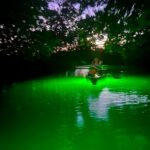
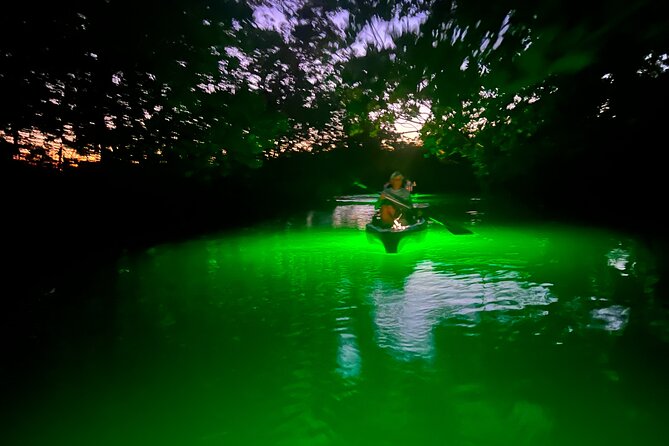
Right after sunset, the LED lights come on for the return trip. This is one of the most memorable parts because it’s a different way of seeing the same water.
In daytime, you notice birds first. At night, your attention changes. You start looking for movement near the kayak, for little flashes of activity in the water, and for how the mangroves look when the roots blend into the darker edges.
In the experiences people described, the LEDs were amazing for wildlife in the water. That’s the key idea: the lights don’t just make you feel “cool.” They help you notice life you’d normally overlook when it’s too dark to see where things are happening.
It also helps that the guide keeps the trip organized. A small group matters here. With a maximum of 16 travelers, it’s easier to manage spacing between kayaks so you’re not tangled up, rushing, or stuck waiting for others to catch up.
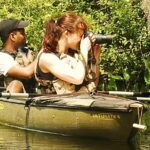
Mike as a guide: why the human touch is part of the value
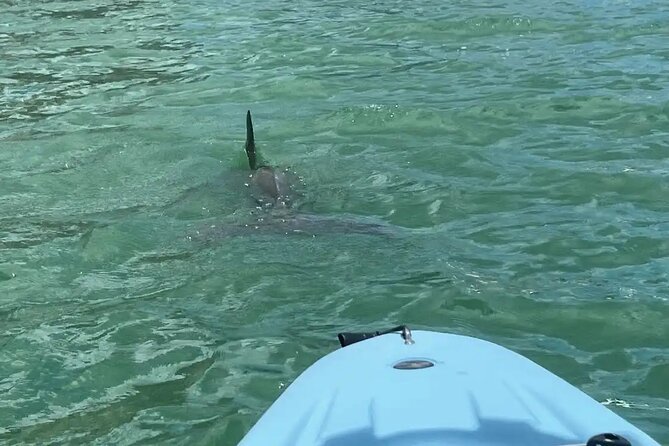
This tour isn’t only about water and LEDs. Mike’s role is big—he shares wildlife and area knowledge and answers questions in a way that keeps the mood relaxed. People describe him as friendly, prepared, and genuinely invested in the ecosystems.
What I like about this style is that it’s interactive. You don’t feel like you’re trapped in a script. Instead, the guidance turns into a conversation: what you’re seeing in real time, what it means, and where to look next.
The complimentary photo service also changes the feel. It’s one less job for you. Instead of holding your phone in the dark, trying to steady it on a moving kayak, you can focus on spotting what’s happening—birds, dolphins, manatees if they show up—and let Mike handle the picture moments.
That’s part of why the overall experience tends to land well for different groups: some people are there for wildlife, some for the sunset, and some for the novelty of night LEDs. The guide helps connect all three.
Price and logistics: is $85 worth it for 2 hours 30 minutes?
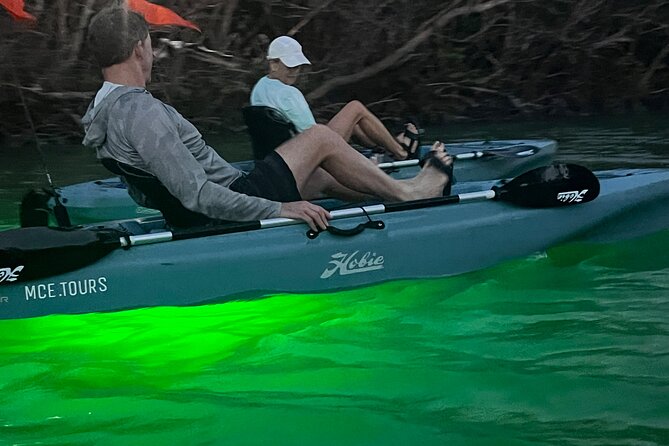
At $85 per person for about 2 hours 30 minutes, you’re paying for a guided, specialty setup—not just transportation. The practical value is that you’re getting:
- a guided route through mangrove tunnels and toward Estero Bay
- Hobie pedal drive kayaks (meaning less paddling strain)
- a sunset + LED night component in one package
- wildlife interpretation from Mike
- complimentary photos capturing the main moments
If you tried to DIY this, you’d still need gear, a plan, and a way to safely navigate and spot wildlife. This tour gives you the structure. And because the group is capped at 16, you’re not fighting for attention.
A couple notes that affect how you should judge value:
- If the weather is rough, the tour may be rescheduled or refunded, so the “cost” in your plans could shift.
- If you dislike evening activities or low light, the LED portion might feel like a novelty you didn’t ask for—though the sunset segment is still a major draw.
Overall, I think $85 makes sense if you want an organized wildlife-and-sunset experience without doing the logistics work yourself.
Who should book this Glow LED Sunset kayak tour
This one fits best if you want a calm, guided evening on the water with real wildlife chances.
You’ll likely love it if:
- you’re interested in mangroves and Gulf-area wildlife
- you’d rather pedal than paddle
- you want a sunset plan that feels intentional
- you like the idea of night kayaking with lights that help you actually see activity
It also helps if you’re a first-time kayaker. People described it as approachable, and the pedal setup makes that make sense.
You might want to think twice if:
- you’re visiting during a weather-unstable period (the tour requires good conditions)
- you travel with pets (pets aren’t allowed)
- you’re going with children under 12 who need a tandem setup with an adult
Practical tips for an easy, fun evening on the water
I’d treat this like an evening outdoors plan, not a daytime beach stroll.
- Dress for cool-down after sunset. Florida nights can feel cooler than you expect once you’re moving slowly on the water.
- Bring what you normally use for water time: sunglasses, sun protection, and a light layer.
- Wear secure footwear that fits kayaking life. Even with pedal drive, you’ll want stable footing.
- If you’re camera-minded, remember the guide takes complimentary pictures. Your job is mainly to watch and spot.
Also, book with your schedule in mind. On average, this activity is booked about 25 days in advance, so waiting until the last minute can squeeze your options—especially if you’re hoping for a specific evening.
Should you book this Bonita Springs Glow LED Sunset kayak tour?
Yes, I’d book it if your ideal evening includes mangrove tunnels, a real sunset viewing moment, and the chance to see wildlife from the water—plus the LED return that makes the night portion feel like more than just “dark.”
Skip it if you need a weather-proof plan, you’re bringing pets, or you’re uncomfortable with evening conditions and low light.
If you’re on the fence, here’s my simple decision rule: choose this tour if you want a guided, hands-free kayak experience where you can actually look around and enjoy the ride—because that’s exactly what the design and the guide style make possible.
FAQ
FAQ
How much does the Guided Glow LED Kayak Sunset Activity cost?
It costs $85.00 per person.
How long is the kayak sunset tour?
The duration is about 2 hours 30 minutes.
Where does the tour start?
The activity starts at Little Hickory Beach Park in Bonita Springs (near the listed Bonita Springs meeting point).
Is this tour in English?
Yes, the tour is offered in English.
Are pets allowed?
No. Pets are not allowed on this tour.
Is the trip suitable for beginners and kids?
Most travelers can participate. Kids under 12 must be accompanied by an adult on a tandem. Also, the tour runs on good weather conditions.