REVIEW · NAPLES
Self-Guided Island Tour: CLEAR/Standard Kayak, SUP-Bonita Springs
Book on Viator →Operated by Paddle Naples · Bookable on Viator
Two hours of Florida calm beats a beach bus. This self-guided paddle from Naples lets you explore Estero Bay at your pace, with a map, PFD, and dry box ready at check-in. You can choose CLEAR or standard kayaks, plus SUPs, and you control how far you go within the route.
What I like most is the combo of easy logistics and real time on the water. You paddle through mangrove tunnels, then aim for secluded beaches where shelling is a big part of the fun.
One consideration: wildlife and clear-water views aren’t guaranteed, and the clearest experience is usually tied to tide and wind conditions. If you come during low tide or rougher weather, expect shallower channels, cloudier water, and fewer dolphin/manatee moments.
In This Review
- Key things that make this paddle work
- From Naples to Big Hickory Island: what your 2-hour outing really feels like
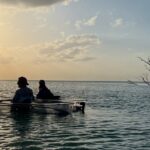
- CLEAR vs standard kayaks vs SUP: choosing the right craft for your group
- CLEAR kayaks: best for looking down, not for low-tide surprises
- Standard kayaks: usually the more forgiving option
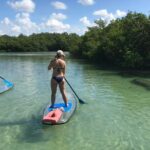
- SUPs: fun, but wind can turn it into a workout
- Your route through Estero Bay: mangrove tunnels, sandbars, and shell collecting
- What to expect on the first stretch
- The beach and sandbar stop: where shelling happens
- Getting back
- Wildlife spotting without the pressure: dolphins, manatees, and birds
- Dolphins: the most consistently hoped-for sighting
- Manatees: seasonal expectations save disappointment
- Birds and other surprises
- Check-in, maps, and how staff help you get unstuck fast
- What to bring for comfortable paddling in Southwest Florida
- Price and value: why $30 per person feels like a deal
- Weather, tides, and water clarity: the stuff that changes your experience
- Who this fits best (and who should consider guided instead)
- Should you book this Naples self-guided kayak/SUP tour?
- FAQ
- FAQ
- How long is the self-guided island tour?
- What’s included with the rental?
- What are the minimum age and child life jacket guidelines?
- What’s the difference between CLEAR and standard kayaks?
- Are dolphins and manatees guaranteed?
- What should I bring for the trip?
Key things that make this paddle work
- Self-guided by design: you get a map walkthrough before you’re sent off, so you can go slow, stop, swim, and turn at your comfort level.
- CLEAR craft is special, but picky: CLEAR kayaks are limited by weight per seat and overall boat, and they work best when the water is actually clear.
- Mangroves + beach time: the route is built for both shaded paddle time and a sandbar/beach stop where you can look for shells.
- Wildlife is season-leaning: dolphins show up more often than you can predict, while manatees are typically a warmer-month thing.
- Staff help you start strong: people mention calm, practical help from staff like Hannah, Karin, and Zack during setup and getting in/out.
From Naples to Big Hickory Island: what your 2-hour outing really feels like
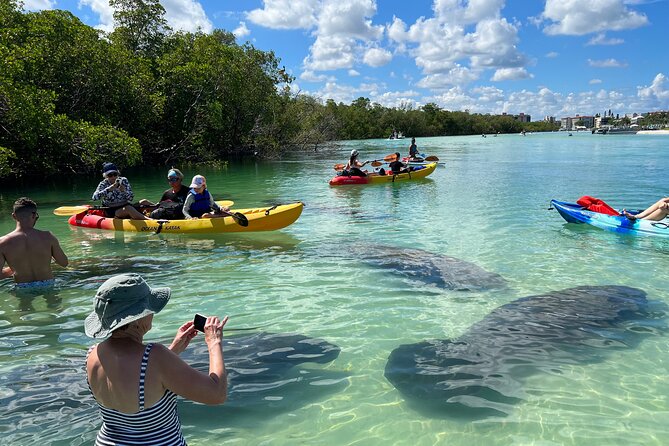
This is a straightforward way to get into Southwest Florida water without signing up for a group march. You meet at Paddle Naples near Bonita Springs (Big Hickory Island area), grab your mobile ticket, and start paddling right back to where you launched. The whole trip is about two hours (approx.), and you’re not on a countdown with a guide timing your every move.
Once you check in, you’ll review a well-marked map and get the basics of the route. Then the best part kicks in: you paddle at your own pace. That matters with kids, with first-timers, and with anyone who just wants a relaxed paddle that still feels like an adventure. You’re not stuck watching someone else’s plan.
In the reviews-style spirit, the moments people remember aren’t about ticket booths or lectures. They’re about things like gliding through mangroves, spotting birds perched along the way, and finding that quiet beach or sandbar where the water warms up and you can take your time.
You can also read our reviews of more tours and experiences in Naples.
CLEAR vs standard kayaks vs SUP: choosing the right craft for your group
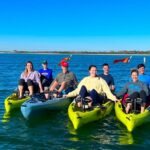
You basically have three ways to do this: CLEAR kayak, standard kayak, or SUP (paddleboard). The choice changes how the trip feels, how forgiving it is, and what you’ll notice.
CLEAR kayaks: best for looking down, not for low-tide surprises
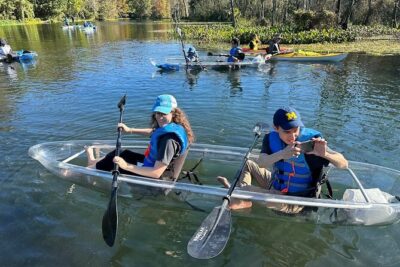
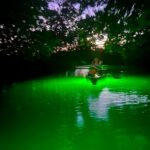
CLEAR kayaks are the crowd favorite for people who want to see fish and the bottom as they paddle. They’re also the most sensitive to conditions. Water clarity can change with tides and winds, and low tide can make channels shallow or sandbars easy to bump into.
Weight limits matter here:
- CLEAR kayaks: 400 pounds total per boat
- CLEAR kayaks: 225 pounds per seat
If you’re traveling with heavier paddlers, or you want a craft that tracks smoothly with less fuss, standard kayaks may be the safer bet.
Standard kayaks: usually the more forgiving option
Standard single and tandem kayaks have higher weight limits than the CLEAR boats, and they generally track through the water better. If you’re new to paddling and you want the craft to do some of the work for you, standard is often the easiest confidence choice.
SUPs: fun, but wind can turn it into a workout
SUPs are included in the rental options, but they’re harder than kayaks in choppier conditions. If you’re going on a day with noticeable wind, expect more effort to keep your balance and line. It’s still doable, just not as effortless as calm water.
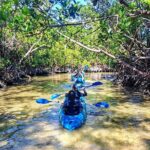
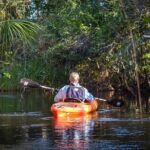
Your route through Estero Bay: mangrove tunnels, sandbars, and shell collecting
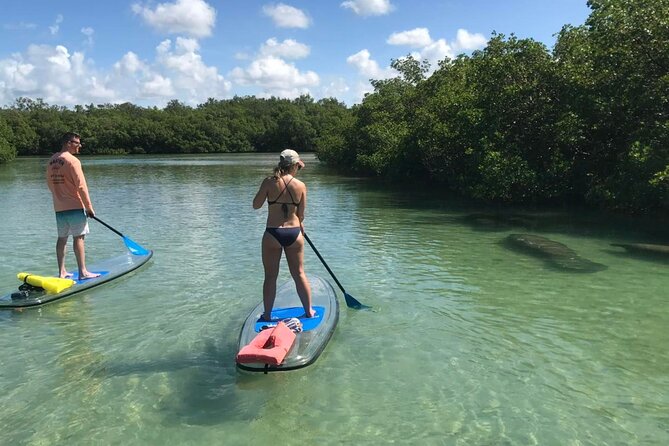
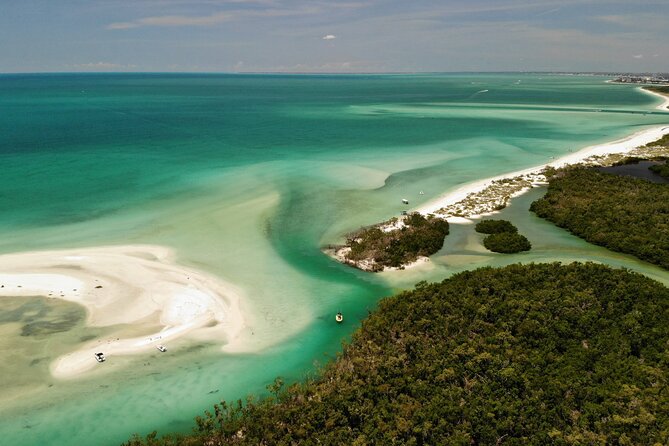
This is billed as a wildlife-focused route through Estero Bay and the Gulf of Mexico’s habitat, with a mix of sheltered and open-water sections. The big features are:
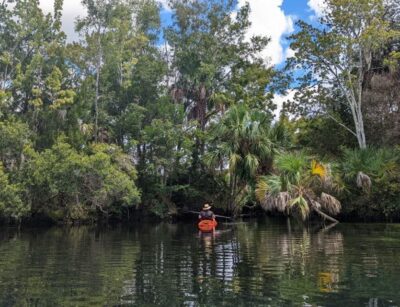
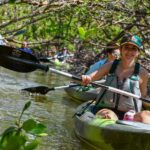
- Mangrove tunnels (shaded, calm-feeling paddling)
- Secluded beaches
- Prime shelling areas
- Open stretches where you might spot wildlife, depending on the day
What to expect on the first stretch
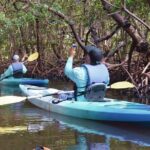
Right after you launch, you’re usually working your way toward the mangrove sections. Those tunnels are part of the point: the roots create a natural corridor that feels cooler and more protected than open water. It’s also where you tend to see birds using the mangroves as lookout posts.
The beach and sandbar stop: where shelling happens
A key reason people book this tour is the chance to get off the paddle and walk around on an uninhabited-feeling beach or sandbar area. Shelling is the activity people mention most, and it’s more fun than it sounds because you can take your time. If the water is warm enough for a quick swim, that’s usually built into the experience too.
One practical note: there may not be restrooms right at the launch area. A nearby porta-john is mentioned, so don’t assume you’ll have full facilities onboard.
Getting back
Your route ends back at the meeting point. For some people, the timing feels like just when they’re getting comfortable, which is the honest truth of a two-hour window. If you want a longer loop or more beach time, consider asking about longer options before you commit—because once you hit that easy rhythm, it’s tempting to stay out longer.
Wildlife spotting without the pressure: dolphins, manatees, and birds
Let’s be clear: you might see dolphins and manatees, but you’re not guaranteed. This is nature, not a zoo.
Dolphins: the most consistently hoped-for sighting
Dolphins come up repeatedly as a highlight. People talk about spotting them during the paddle, and that matches the route’s intent: you’re traveling through habitat where marine life can be around.
Manatees: seasonal expectations save disappointment
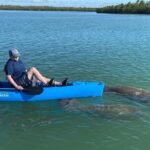
Manatees are the big question mark. The info provided with this experience notes that manatees are typically seen April–September, when water is warmer. If you’re paddling in winter months, you should come with a realistic mindset: you may still see other wildlife, but manatees are less likely.
Birds and other surprises
Even when dolphins or manatees are quiet, birds can still make the trip feel alive. Reviews include sightings like:
- pelicans and egrets
- hawks and birds of prey
- roseate spoonbills
- fish jumping near sandbars
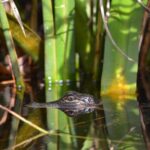
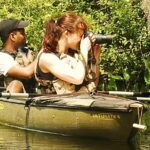
Other wildlife shows up too: people mention turtles, sting rays, iguanas, and even sharks. That’s part of what keeps this from feeling like a generic paddle rental.
Check-in, maps, and how staff help you get unstuck fast
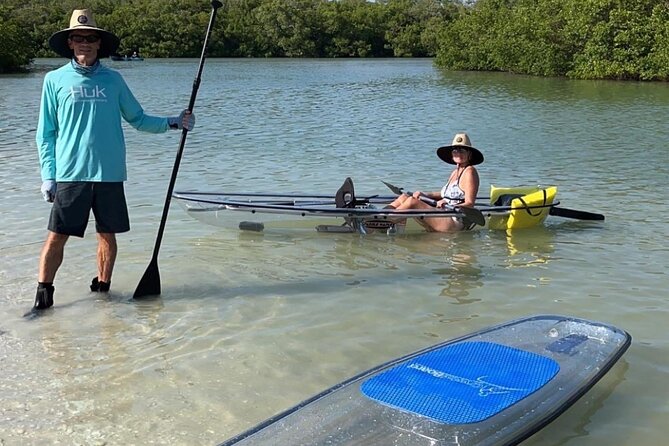
Self-guided sounds like you’re on your own, but the setup is the difference between stressed and smooth.
You get:
- PFDs (and youth-sized ones available)
- dry boxes
- a well-marked map
- a walkthrough of where you’ll go before you paddle
And here’s the practical value: staff make it easier to get in and out, especially for kids and first-timers. People specifically call out friendly, patient help from staff members like Hannah, Karin, and Zack. That matters because the first five minutes of kayaking can be awkward, and good help turns it into a calm start.
Also, there’s a safety-and-usability edge to the “self-guided” model. You’re free to slow down and stop when you want, instead of trying to keep up with a faster group through the mangroves.
What to bring for comfortable paddling in Southwest Florida
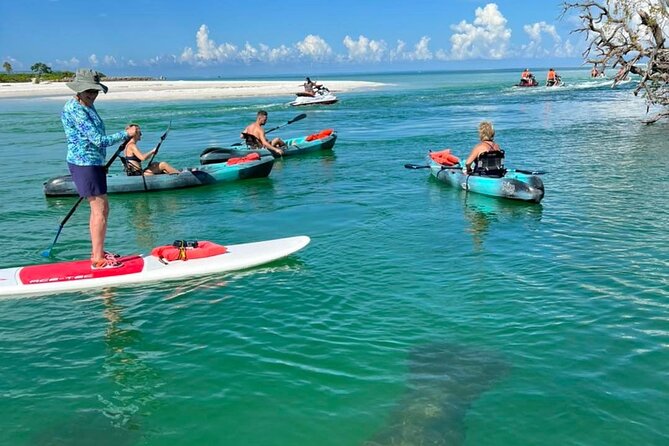
The rental includes the essential gear, but you still need your own comfort items. I strongly recommend packing:
- sunscreen and a hat
- sunglasses
- water shoes (sand and shelling areas can be rough on bare feet)
- something to drink
Dry boxes help, but they don’t replace smart sun protection. Two hours in Florida sun can be sneaky, even when you feel shaded in the mangroves.
If you’re bringing children under 50 pounds: youth PFDs exist, but the guidance here suggests parents supply a quality, fitted PFD for smaller kids. That’s a good rule in general for paddle sports.
Price and value: why $30 per person feels like a deal
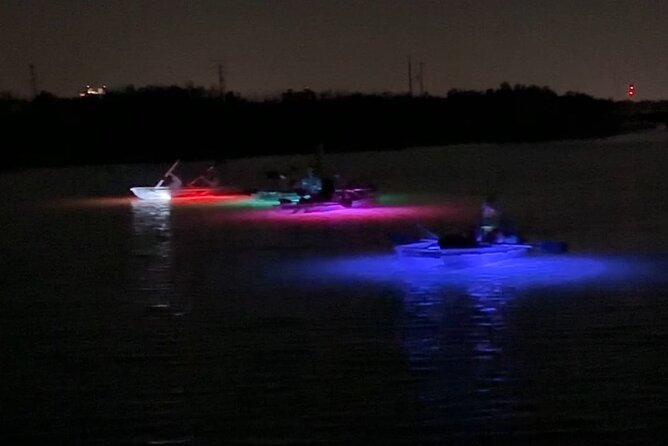
At $30 per person for about two hours, the pricing is hard to beat—mainly because you’re not just renting a boat. You’re getting:
- PFD
- dry box
- a marked map
- a route plan built around shelling and wildlife areas
Most paid activities in the Naples area either (a) cost more or (b) don’t hand you the gear and a clear plan. Here, the cost-to-time ratio is the big win. Two hours is long enough to feel like you did something real, but short enough that families can still manage energy and attention.
It’s also a good “try it” option. If you’re new to paddling, a structured self-guided route is often less intimidating than committing to a full guided day.
Weather, tides, and water clarity: the stuff that changes your experience
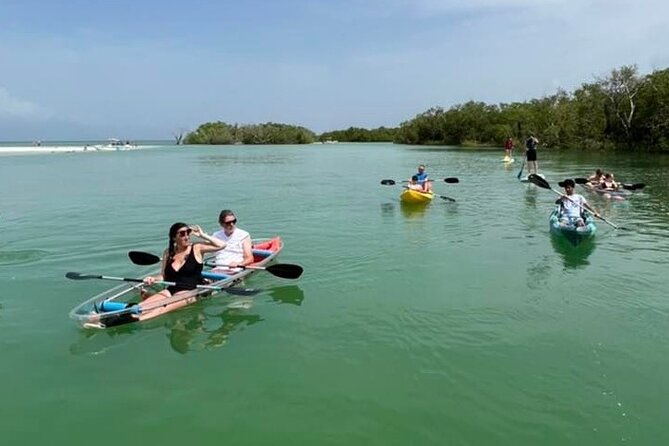
This activity requires good weather. If conditions are poor, you’ll be offered a different date or a full refund. That protects you from getting a half-fun paddle.
But there’s another factor that’s worth your attention: tide and wind affect the experience in specific ways.
- Low tide can mean channels through mangroves are shallow.
- Low tide can also create sandbar trouble, where it’s easy to get stuck even if you paddle in the middle.
- CLEAR kayaks show more when water is clear, but low tide moving out and certain conditions can make the water cloudy, reducing the “see-through” effect.
- Wind can make SUPs more difficult and more tiring than you planned.
If your goal is maximum clarity, aim for conditions that keep water calm and clear. If your goal is just a peaceful paddle and beach time, the day’s lighting and wildlife density matter less.
Who this fits best (and who should consider guided instead)
This setup is ideal when you want a nature outing with flexibility. It works especially well if:
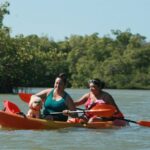
- You’re traveling with families
- You have children aged 3 and up
- You want the mangroves-and-beach mix without a strict group pace
- You like the idea of choosing when to paddle, when to stop, and when to explore
It’s also a strong choice for couples who want a relaxed date that isn’t a restaurant reservation.
Consider the guided option instead if:
- You want an expert to handle route decisions and wildlife timing
- You’re very new to paddlesports and want more direct coaching
- You’re going during a weather window where conditions might be less ideal for open water
The good news: even staying self-guided, you still get a route map walkthrough and gear support that makes this feel more “hosted” than “abandoned.”
Should you book this Naples self-guided kayak/SUP tour?
If you want an affordable, low-pressure way to paddle Estero Bay and Big Hickory Island, I’d book it. The value is strong because you get the gear plus a real route that includes mangrove tunnels and time for shell collecting. You’re also not chained to a guide’s speed, which is a big deal on a day you want to relax.
But book with the right expectations:
- Wildlife is possible, not guaranteed. Dolphins are a common hope; manatees are seasonal (April–September) because the water is warmer then.
- CLEAR kayaks are amazing when water visibility cooperates, and less impressive when water turns cloudy or tide leaves shallow spots.
- If you’re worried about wind or navigating complex channels, standard kayaks may feel easier than SUP, and standard kayaks can be a safer bet than CLEAR if clarity is your only reason for choosing CLEAR.
FAQ
FAQ
How long is the self-guided island tour?
It’s about 2 hours (approx.), and it ends back at the meeting point.
What’s included with the rental?
Your rental includes a PFD (life jacket), a dry box, and a well-marked map for the route.
What are the minimum age and child life jacket guidelines?
The minimum age is 3 years old. Youth-sized PFDs are available, and parents are suggested to provide a fitted PFD for children under 50 pounds.
What’s the difference between CLEAR and standard kayaks?
CLEAR kayaks let you look down through the bottom, but they have stricter limits: 400 pounds total per boat and 225 pounds per seat. Standard kayaks have higher weight limits and generally track through the water better.
Are dolphins and manatees guaranteed?
No. Dolphins and other marine wildlife can appear, but sightings depend on conditions. Manatees are typically seen April–September, when water is warmer.
What should I bring for the trip?
Bring sunscreen, a hat, sunglasses, water shoes, and something to drink.