REVIEW · KO LANTA
Half day Mangrove by Kayaking or Longtail boat from Koh Lanta
Book on Viator →Operated by Rainbow Lanta Travel & Tour · Bookable on Viator
Koh Lanta’s mangroves aren’t what you expect. This half-day trip takes you into Thung Yee Pheng Mangrove Forest for quiet water time, then swings by Monkey Point so you can watch wild macaques in their own world.
I love how much is practical and easy: round-trip hotel pickup and drop-off mean you don’t waste your limited time figuring out meeting points. I also love the focus on nature first, with a non-motorised kayak option that helps you move slowly through narrow canals where animals feel less disturbed.
One consideration: the experience can feel hot and a bit sporty, and depending on conditions you may do more longtail time than pure paddling. Also, while a guide is listed as English/Thai speaking, English quality can vary from departure to departure.
In This Review
- Key highlights worth your attention
- Why Thung Yee Pheng Mangroves Feel Like a Different Koh Lanta
- Pickup and a 3-Hour Rhythm That Fits Real Travel Days
- The Trip Flow: Mangrove Forest, Kayak/Lonngtail Time, Then Monkey Point
- Stop 1: Thung Yee Pheng Mangrove Forest
- Monkey Point stop: macaques in the wild
- Kayaking vs Longtail: Pick What Matches Your Comfort Level
- Going by kayak: best for quiet wildlife time
- Longtail boat: great if you want less paddling
- Wildlife Moments: What You’ll Likely See (and Why It’s Worth It)
- Monkey Feeding at Monkey Point: Fun, But Keep It Respectful
- Price and Value: What $24-Plus Buys You on Koh Lanta
- What to Bring: Heat, Humidity, and the Paddling Reality
- How Fit You Need to Be (Without Overhyping It)
- Who This Mangrove Kayak (or Longtail) Trip Is Best For
- Should You Book This Koh Lanta Mangrove Tour?
- FAQ
- How long is the mangrove tour on Koh Lanta?
- What does the tour cost and what’s included in that price?
- Is the village entrance fee included?
- Do I get hotel pickup and drop-off?
- Do I need to kayak the whole time?
- Can children join the tour?
- What should I bring for the weather and activity?
- What if the weather is bad?
- How many people are in the group?
Key highlights worth your attention
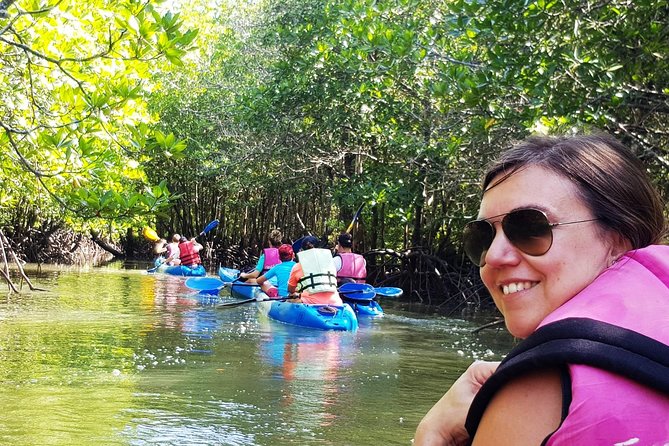
- Thung Yee Pheng Mangrove Forest: small channels, muddy edges, and close-up mangrove life
- Kayak or longtail options: you get to choose a start time and match your comfort level
- Monkey Point stop: a real chance to see monkeys where they live, not in a zoo setting
- Quiet wildlife viewing: non-motorised kayak time increases your odds of spotting animals calmly
- Included comforts that matter: life jacket, water, seasonal fruit, and snacks
- Small-group feel: capped at 25 travelers, so it doesn’t turn into a cattle-herding scene
Why Thung Yee Pheng Mangroves Feel Like a Different Koh Lanta
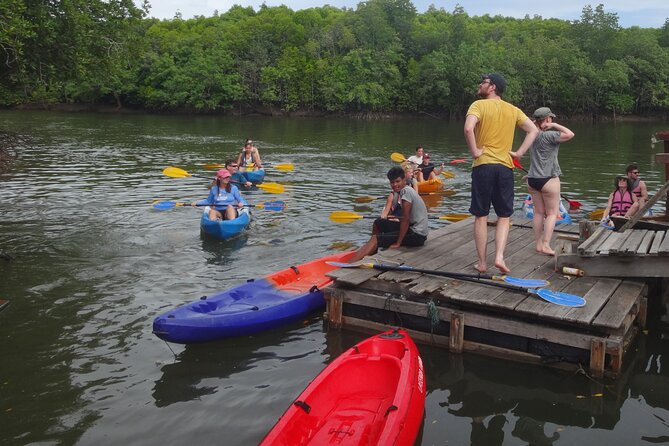
Most Koh Lanta plans focus on beaches, sunset views, and island hops. This one does something smarter: it puts you in the mangrove ecosystem, where the scenery gets strange in a good way—mud, roots, narrow waterways, and birds you might not see anywhere else. The whole point here is that mangroves are living habitat, not just scenery.
Mangroves also change the mood. On a kayak, you move slower, you hear more, and the water stays calmer than on a motorboat route. That quiet matters for wildlife. When animals aren’t startled, you get longer looks and more “wait, did that just happen?” moments—like mudskippers and crabs right where the channels get shallow.
This is an ideal fit if you’re the type who actually wants to understand what you’re looking at. You’ll get explanations about the environmental importance of mangrove swamps, and you can expect the guide to point out animals such as eagles, crabs, mudskippers, and the mangrove system itself.
You can also read our reviews of more tours and experiences in Ko Lanta.
Pickup and a 3-Hour Rhythm That Fits Real Travel Days
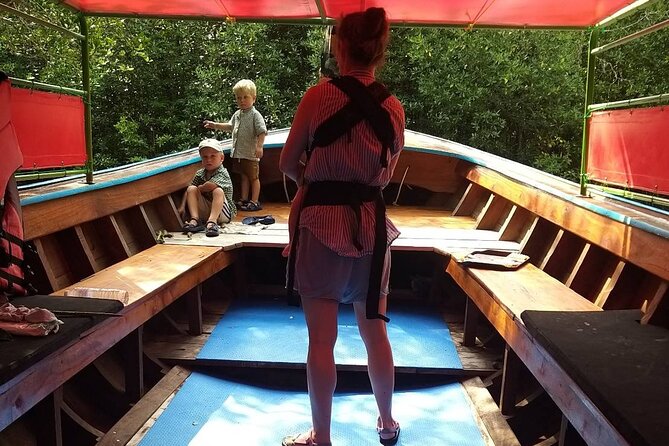
This is a true half-day style outing at about 3 hours. That’s important on Koh Lanta, where your beach time is valuable and the sun can be intense. You’re not stuck on a full-day schedule, and you can start at a time that works for your plan.
The biggest practical win: round-trip transfer to and from your hotel. On Koh Lanta, that saves time and stress. You also avoid the usual scramble to find a pier or chase a late meeting point—especially if you’re staying a little off the main strip.
The tour size is capped at 25 travelers, which often means your group doesn’t feel frantic. In the mangroves, that makes a difference: smaller groups can spread out more when you’re kayaking and you’re watching animals.
The Trip Flow: Mangrove Forest, Kayak/Lonngtail Time, Then Monkey Point
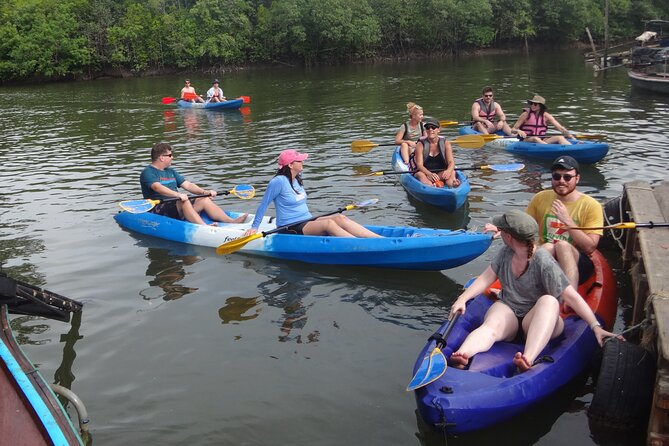
Here’s the rhythm you’ll follow, stop by stop.
Stop 1: Thung Yee Pheng Mangrove Forest
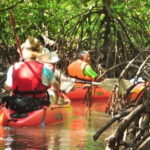
You start with the mangrove area tied to Thung Yee Pheng Mangrove Forest. The value of this forest isn’t just that it looks cool. It’s that you get an up-close look at how mangrove swamps work—roots and channels that shape where wildlife lives and how the shoreline functions.
From there, you’re transported to Thungyeepeng pier, and you’ll enjoy a total stretch of about 2 hours on the water. This part is either kayaking or longtail boat, depending on the option and what the day allows.
Why this 2-hour water block matters: that’s the portion where you’re most likely to notice smaller wildlife. It’s also when the trip stops feeling like a drive-by. You’re not just passing the trees; you’re moving through them.
A few real-world notes from the experience vibe you should expect:
- Water and shore can be muddy and you’ll likely smell that swampy mangrove scent.
- It can be warmer than you think, because you’re moving slower and standing in humidity.
- The water can get choppy in any small way—enough that you’ll feel paddling effort.
Monkey Point stop: macaques in the wild
After the main mangrove kayaking/boat portion, you go to Monkey Point. This is where you get a chance to observe wild monkeys in their natural environment and feed monkeys.
Feeding is always a delicate topic in nature areas. The good news here is that feeding is part of the planned experience, and it’s what makes this stop feel more active than a quick photo moment. The key for you is to treat monkeys like wildlife: keep your movements calm and don’t act like the monkeys are tame pets.
Also, be ready for monkey behavior to be unpredictable. Some people end up with monkeys very close, sometimes even approaching the boat or kayak. When that happens, it’s thrilling—but it can also mean you want to keep a steady grip and avoid sudden movements.
Kayaking vs Longtail: Pick What Matches Your Comfort Level
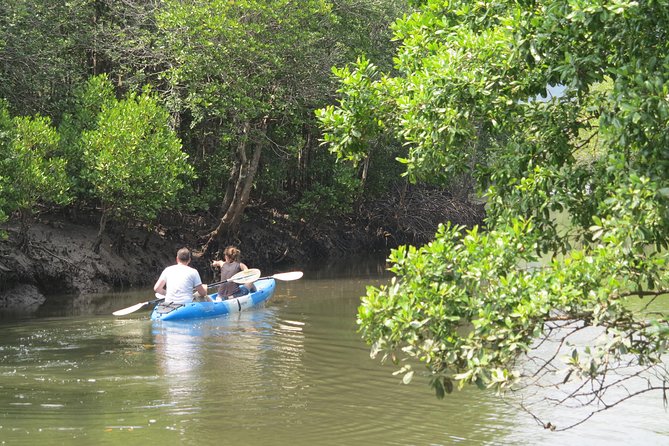
This is one of the biggest decision points for Koh Lanta mangrove trips, and this one gives you a choice.
Going by kayak: best for quiet wildlife time
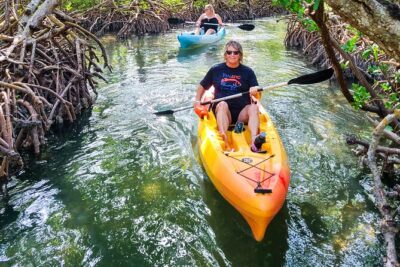
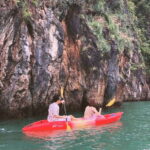
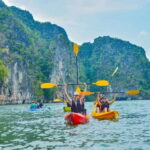
Kayaking is the clearer “nature lover” option. It’s non-motorised, so the noise stays low and your pace stays human. That increases your odds of spotting animals calmly—birds, crabs, and those quick glimpses of wildlife on roots and muddy edges.
Kayaks also get you into tighter spaces. One of the most common reasons people love this trip is simple: you see more of the mangrove from inside it, not just alongside it.
Longtail boat: great if you want less paddling
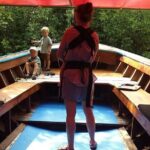
Longtail time can be a relief if you know you’ll overheat or you’re not confident paddling. It’s also practical if your group includes kids or if the day doesn’t feel ideal for steady kayaking.
But here’s the tradeoff: a motor means more noise and a more “pass-through” feel. You may miss some of the slower wildlife moments you’d get in a kayak. Still, longtail can be a fun way to cover water and arrive at the right spots without exhausting yourself.
If you care most about paddling and the close-up feel, choose kayak when you can. If you care more about comfort and easy motion, longtail is often the smarter match.
Wildlife Moments: What You’ll Likely See (and Why It’s Worth It)
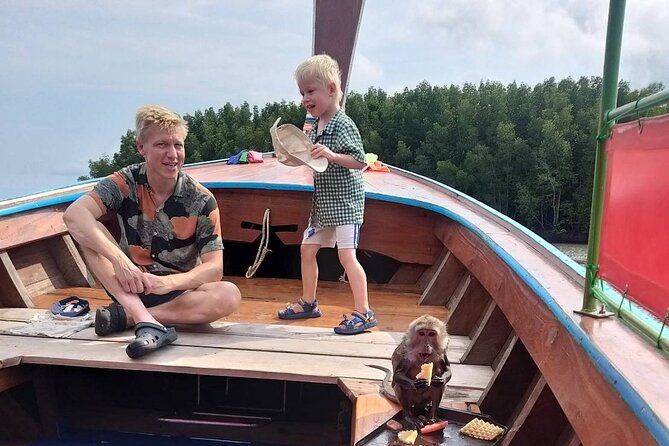
This trip is built around wildlife, but it’s also honest about how nature works: you can’t guarantee every animal. What you can count on is the environment where wildlife likes to show up.
Here are the types of sightings that fit this mangrove ecosystem and the trip focus:
- Mudskippers and crabs around the muddy shallows
- Sea eagles and other birds hunting or perched near roots
- Monkeys at Monkey Point, and sometimes at close range during the water portion
- Mangrove ecosystem life you notice more when you move slowly, not when you’re racing past
A big “wow” pattern from this kind of tour is monkey curiosity. On some outings, macaques can approach very close and even climb onto boats or kayaks. That’s not guaranteed, but it’s clearly part of the magic.
Also pay attention to timing and shade. Wildlife often shows itself where the mangroves create sheltered edges. When the boat slows near those spots, that’s when you’ll want to look up and scan the roots—not just stare at the water surface.
Monkey Feeding at Monkey Point: Fun, But Keep It Respectful
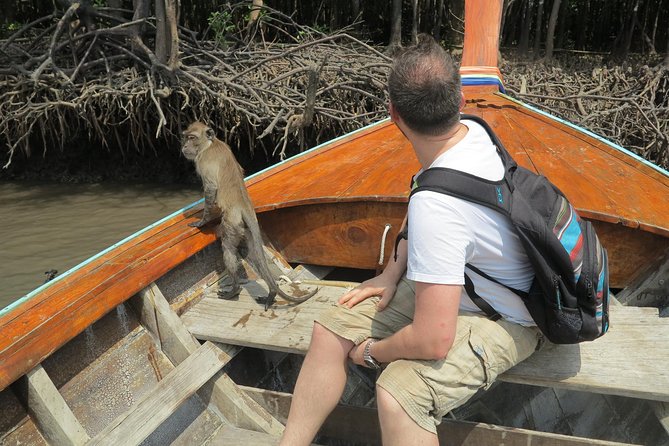
Feeding monkeys can turn into the highlight of your day, especially if you’re expecting a lively, close-up encounter. This tour specifically includes the Monkey Point visit and feeding.
To get the best experience, focus on calm behavior:
- Keep your body steady while feeding.
- Don’t chase, reach wildly, or try to force selfies.
- Keep an eye on kids and anyone who might flinch when monkeys get close.
Also, remember that feeding is part of the activity, but the monkeys still control the interaction. If you go in expecting a gentle, predictable encounter, you’ll be disappointed. If you go in expecting lively wildlife, you’ll have a better time.
Price and Value: What $24-Plus Buys You on Koh Lanta
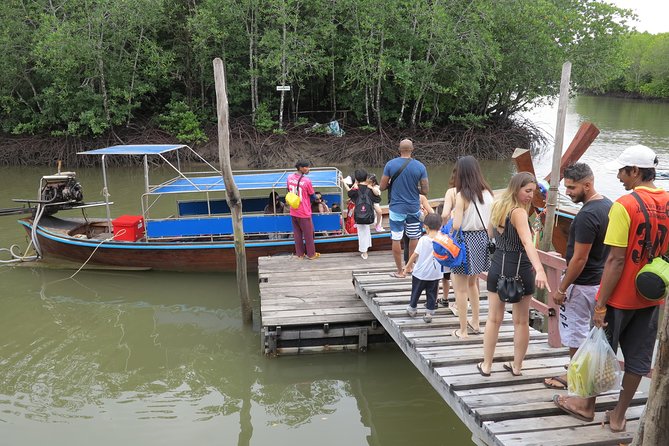
At about $24.34 per person, this is priced like a serious nature activity but not like a premium private tour. The value shows up in what’s included:
Included items that actually matter:
- Round-trip hotel transfers
- Life jacket
- Local guide (English/Thai listed)
- Bottle water
- Seasonal fruit
- Snacks
- Insurance coverage
What’s not included:
- A village entrance fee of 40 THB per person
Here’s how I’d judge the cost: you’re paying for transport, guide time, and wildlife-focused boat/kayak time. For many day tours on Koh Lanta, the hidden costs come from extra entry fees and finding your own meeting point. This one keeps the structure simple, and the added 40 THB is usually small compared to the overall price.
The only pricing worry is if your departure ends up being more longtail than kayak, or if guide communication isn’t strong on your specific day. Those aren’t constant across every outing, but they’re the main things that could make the experience feel less “worth it” than you hoped.
What to Bring: Heat, Humidity, and the Paddling Reality
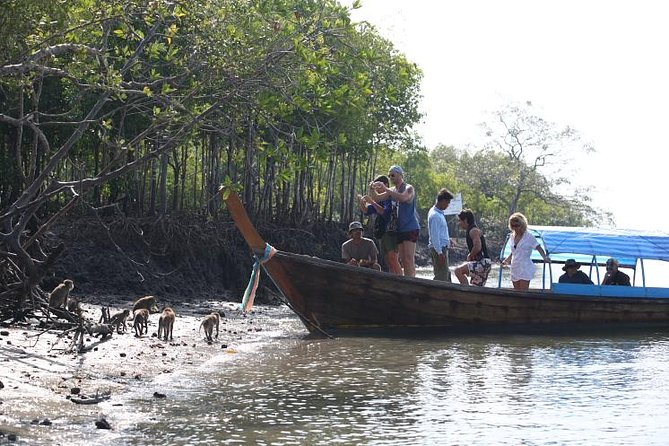
Even with a life jacket and water provided, you’ll still feel the day. A lot of people call out that it’s hot, so plan like it’s a summer morning.
Pack like this:
- A hat or cap with good sun coverage
- Sunscreen (mangroves don’t mean you’re protected)
- Lightweight clothing you don’t mind getting damp or muddy
- Basic water comfort items (because humidity is the real enemy)
Also, think about shoes. You’ll be near muddy edges and wet surfaces. If you wear flimsy flip-flops, you’ll regret it fast.
One more reality check: some kayaks may feel older or not the newest gear. That’s not necessarily a safety issue in the info given, but it can affect comfort. Go in with the mindset of adventure over luxury.
How Fit You Need to Be (Without Overhyping It)
Most people can participate, and the tour is positioned as doable for a wide range of travelers. Still, there is a physical side to it—especially if you choose more kayaking time.
If you paddle, you’ll want basic stamina. The water portion is the main activity engine: steady movement, some balance, and continuous attention while looking for wildlife.
If your group includes kids, note that children must be accompanied by an adult. Beyond that, the listing says most travelers can participate, but your actual experience will depend on how much you end up paddling.
Who This Mangrove Kayak (or Longtail) Trip Is Best For
This trip is a strong match if you:
- Love wildlife and want it in a natural setting
- Prefer calm, low-noise water time over fast sightseeing
- Want a half-day plan that doesn’t wreck the rest of your beach time
- Like learning how ecosystems work, not just taking photos
It’s also great for travelers who want an easier daylog—especially because pickup and drop-off remove hassle from your schedule.
It may not be ideal if you:
- Want a guaranteed, highly structured educational lecture (English support can vary by departure)
- Hate any paddling at all (longtail might fit better)
- Are very sensitive to heat and humidity (go early and dress smart)
Should You Book This Koh Lanta Mangrove Tour?
If your goal is an authentic nature outing with real wildlife chances, I think it’s a yes worth considering. The combination of Thung Yee Pheng Mangrove Forest, a significant 2-hour water segment, and the Monkey Point stop makes it more than a simple boat ride.
Book it if you’ll enjoy:
- Quiet water time
- Close-up wildlife watching
- A small-group feel and included fruit/snacks after
Skip or rethink if you’re expecting brand-new equipment, flawless English instruction every time, or a totally effortless day with no paddling.
If you want my practical decision rule: choose this when you care about the mangroves more than you care about comfort and speed.
FAQ
How long is the mangrove tour on Koh Lanta?
The tour lasts about 3 hours (approx.), including transfers and the water activities.
What does the tour cost and what’s included in that price?
The price is $24.34 per person. Included items are round-trip hotel transfer, seasonal fruit, bottle water, life jacket, a local guide (English and Thai speaking), insurance, and snacks.
Is the village entrance fee included?
No. There is a village entrance fee of THB 40.00 per person that is not included.
Do I get hotel pickup and drop-off?
Yes. Round trip transfer to and from your hotel is included.
Do I need to kayak the whole time?
You may do a 2-hour kayaking tour or a longtail boat tour in the mangrove forest, depending on the option and what the day allows.
Can children join the tour?
Children must be accompanied by an adult.
What should I bring for the weather and activity?
The tour can be hot, so bring sun protection such as a hat, and plan for warm humidity during the water portion.
What if the weather is bad?
This experience requires good weather. If it’s canceled due to poor weather, you’ll get a full refund or you may be offered a different date.
How many people are in the group?
There is a maximum of 25 travelers for the tour.