REVIEW · ISHIGAKI
Ishigaki: Canoe or SUP at Kabira Bay&Snorkeling at Blue Cave
Book on GetYourGuide →Operated by ISHIGAKI ADVENTURE PiPi · Bookable on GetYourGuide
Kabira Bay + the Blue Cave is a real change of pace. I love how the calm water of Kabira Bay lets you kayak or SUP past white sand and clear shallows, and I love that the Blue Cave snorkeling is guided by instructors who know how to get you seeing fish and coral without wasting your time.
One heads-up: your experience can hinge on conditions and language on the day. The Blue Cave can be canceled if waves make it unsafe, and on some days English explanation may be limited, so it helps if you’re comfortable following clear hand signals and basics.
In This Review
- Key Points You’ll Care About
- Ishigaki’s Wild Coast, With Two Different Water Styles
- Kabira Bay: Why This Paddling Hour Feels Worth It
- Kayak vs SUP: Choosing the Version That Matches Your Body
- Blue Cave Snorkeling: The Main Show (and Why Timing Matters)
- The Mid-Point Break and the Shower Situation
- What You Actually Get (Included Gear, Photos, Insurance)
- Lunch, Drinks, and the Cash Reality
- Safety Rules That Can Feel Strict, but Have a Reason
- Communication: English Works Best When You Keep It Simple
- Who This Tour Suits (and Who Might Prefer Another Day)
- Price and Value: What $93 Buys You in Real Terms
- Should You Book This Kabira Bay + Blue Cave Tour?
- FAQ
- Where does the tour start and where does it end?
- Is hotel pickup included?
- How long is the tour?
- What activities are included?
- Do I need to bring snorkeling or paddling equipment?
- Is lunch included? Do I need cash?
- Can I switch between kayak and SUP?
- What are the age and health limits?
- What languages are available?
- Does the tour run in bad weather?
Key Points You’ll Care About
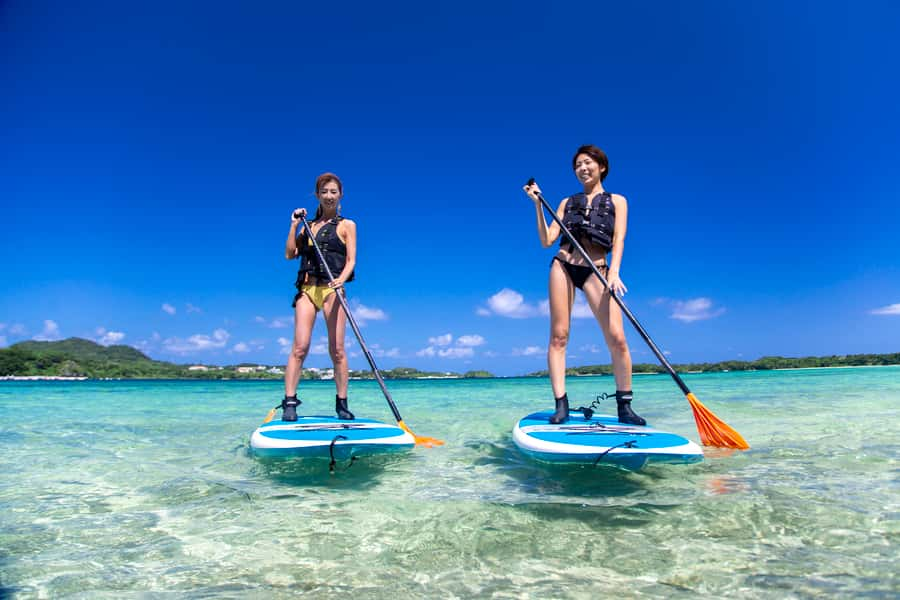
- Kabira Bay calm-water paddling: a 1.5-hour paddle session built for relaxing, not fighting waves
- Blue Cave snorkeling for natural sights: about 1.5 hours in the water focused on the cave area
- Photo data included: you’ll get photo data after, and guides actively take pictures during the tour
- SUP is possible with a free swap: you can exchange kayak for SUP (if you select the right option when booking)
- Guides emphasize safety rules: life jacket, mask, and fins are required, no exceptions
- Lunch is on you: plan cash (often around 1500 JPY) since credit cards may not work
Ishigaki’s Wild Coast, With Two Different Water Styles
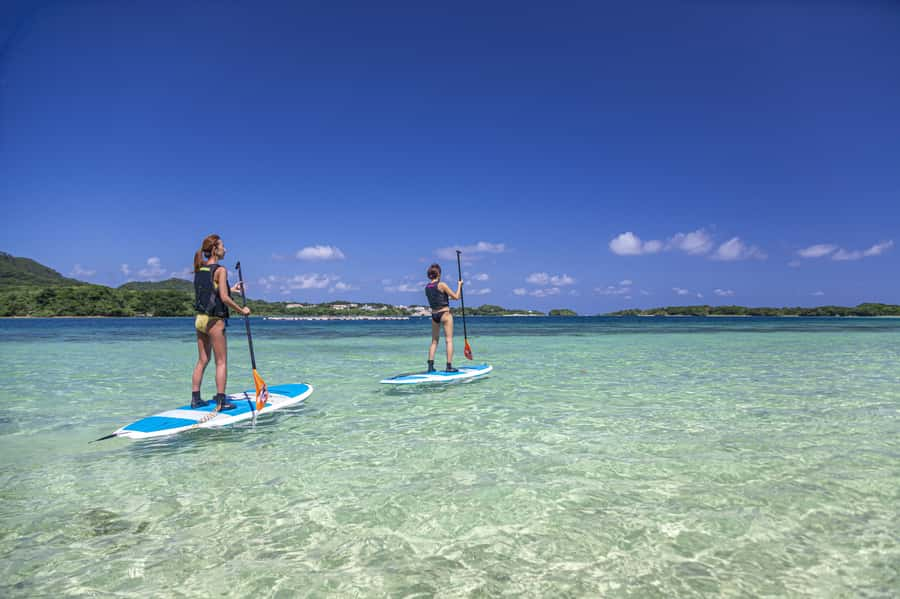
This 6-hour outing strings together two kinds of water fun on Ishigaki’s coast: first Kabira Bay by kayak or SUP, then snorkeling at the Blue Cave. It’s a smart combo because one half is about controlling your pace with your arms, and the other half is about drifting through clear water and letting the reef do the talking.
You start at ユーグレナ石垣港離島ターミナル (Euglena Ishigaki Port Remote Island Terminal) and you’ll end back there. If you’re staying in the southern part of the island, you may get hotel pickup and drop-off; if not, you’ll plan to meet at the terminal.
You can also read our reviews of more tours and experiences in Ishigaki.
Kabira Bay: Why This Paddling Hour Feels Worth It
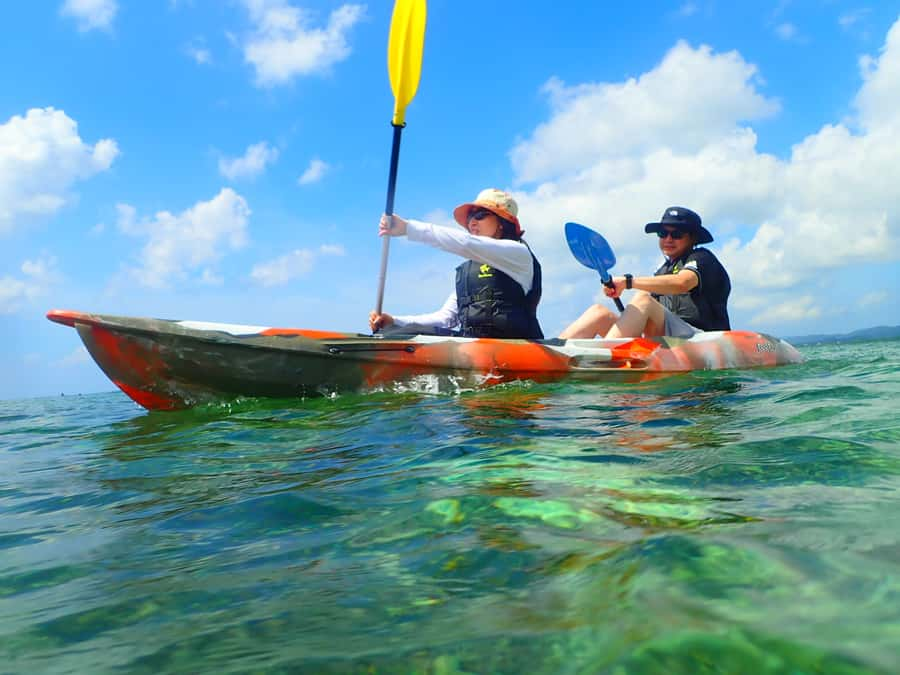
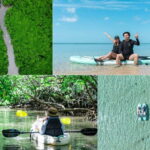
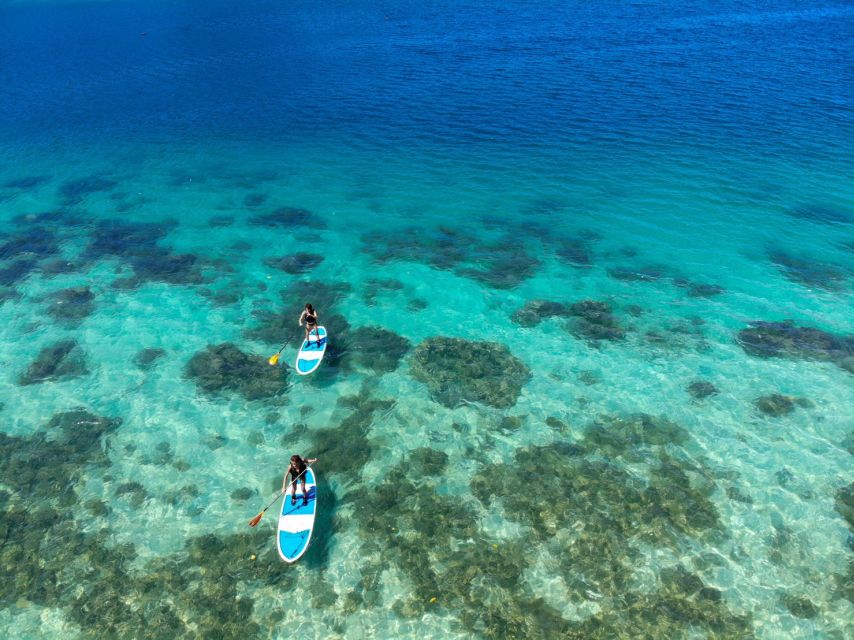
Kabira Bay is the part of Ishigaki that makes people stop scrolling and just look at the water. On this tour, you get about 1.5 hours in Kabira Bay on either a canoe-style kayak or a stand-up paddleboard, depending on the option you choose and what the day’s conditions allow.
I like that Kabira Bay is treated as a proper experience, not a quick “try it for five minutes” moment. With an instructor on hand, you learn what to do, then you spend real time moving at a comfortable pace. Guides in this program also tend to share food recommendations for the island after paddling—something I always value because it turns your tour day into a better eating day.
Kayak vs SUP: Choosing the Version That Matches Your Body
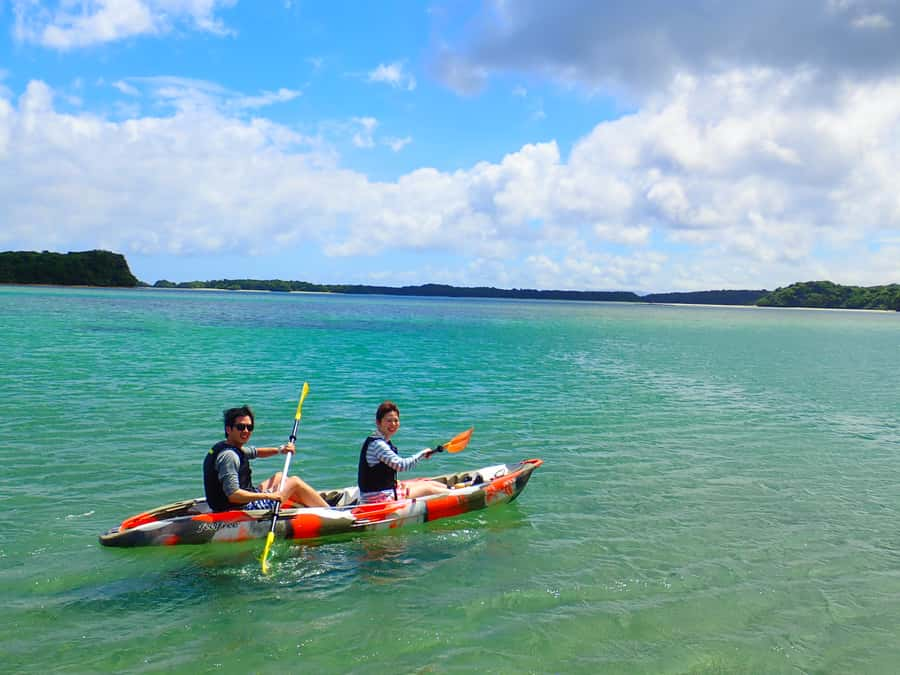
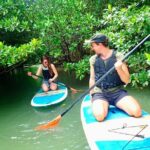
You can paddle Kabira Bay on a kayak or on a SUP, and there’s also a free exchange between them if you select the correct option during booking. That matters because SUP balance can be intimidating on paper, but in practice an experienced guide can get you standing and moving without turning it into a circus.
For kids ages 5–11, you might be guided in a more stable canoe instead of SUP depending on sea conditions and participant numbers. That’s a small detail, but it tells you the team is thinking about safety first instead of running the same setup no matter what.
Either way, you’ll be in gear and following instructions, including wearing a life jacket. One review noted that mandatory rules can feel strict for experienced swimmers, but the upside is you’re not guessing what’s expected.
Blue Cave Snorkeling: The Main Show (and Why Timing Matters)
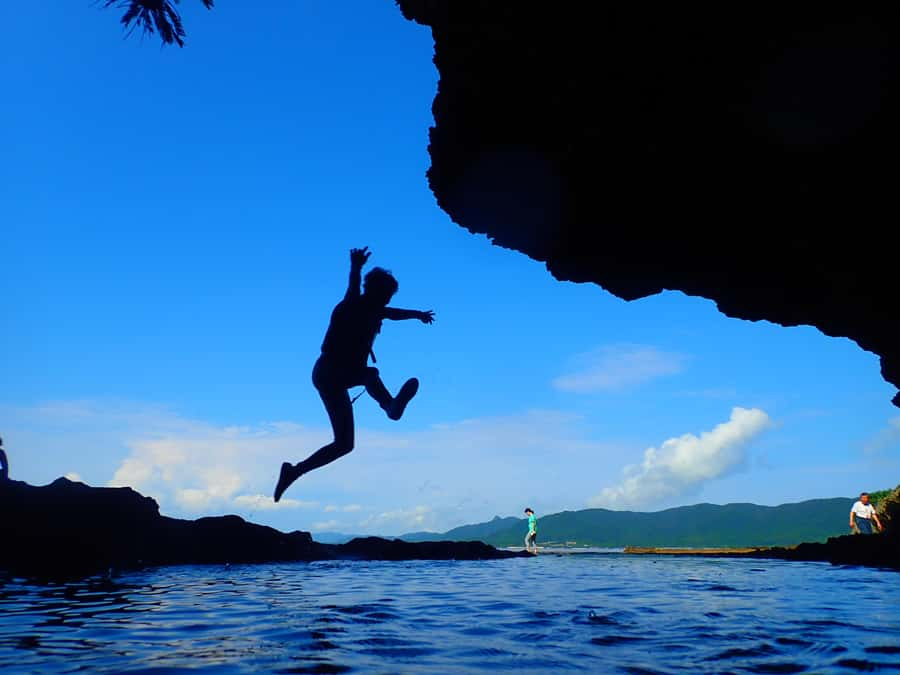
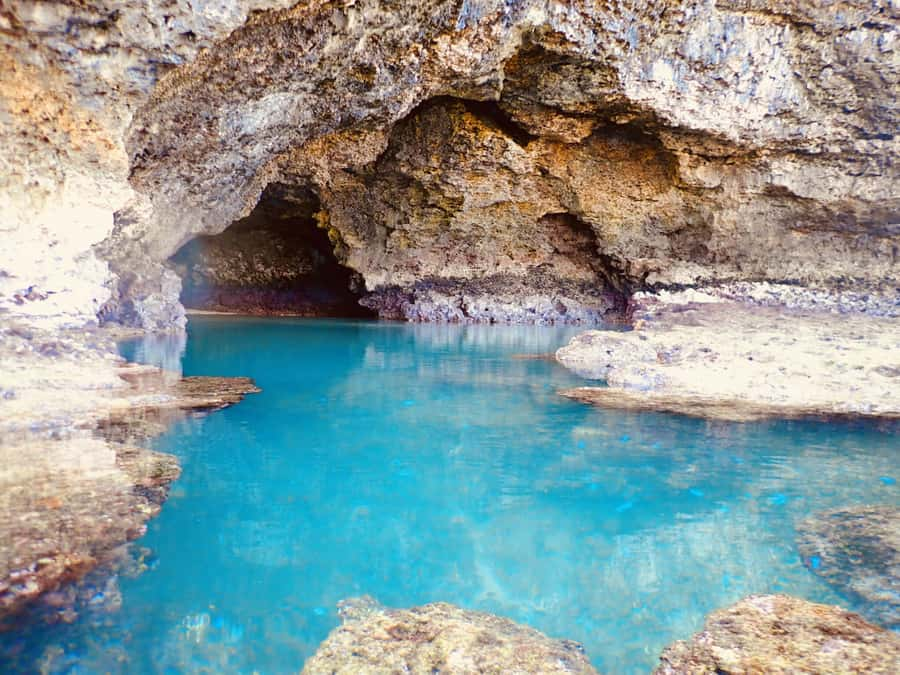
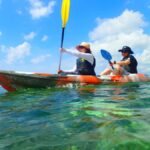
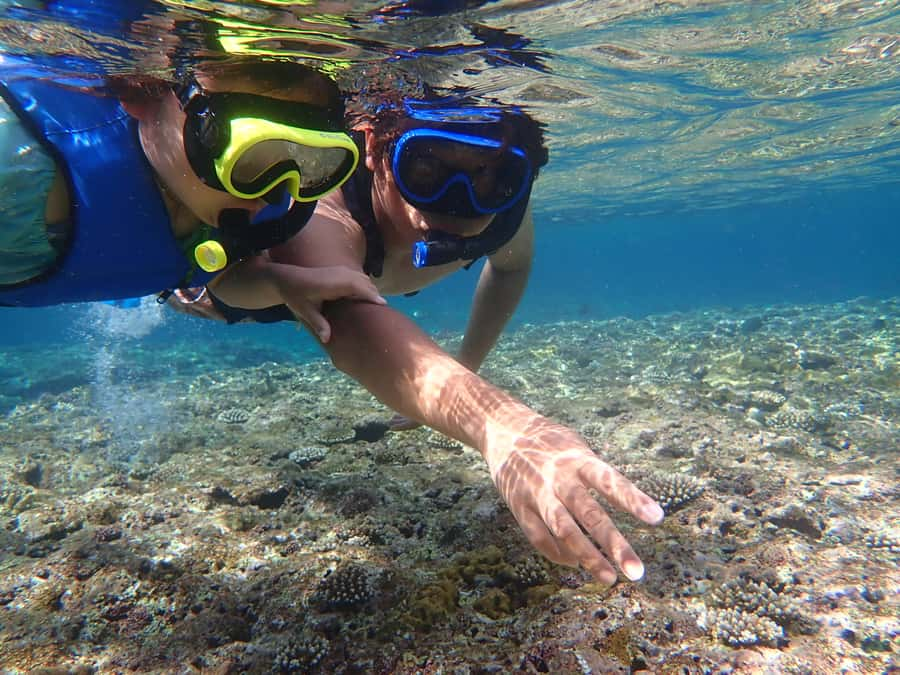
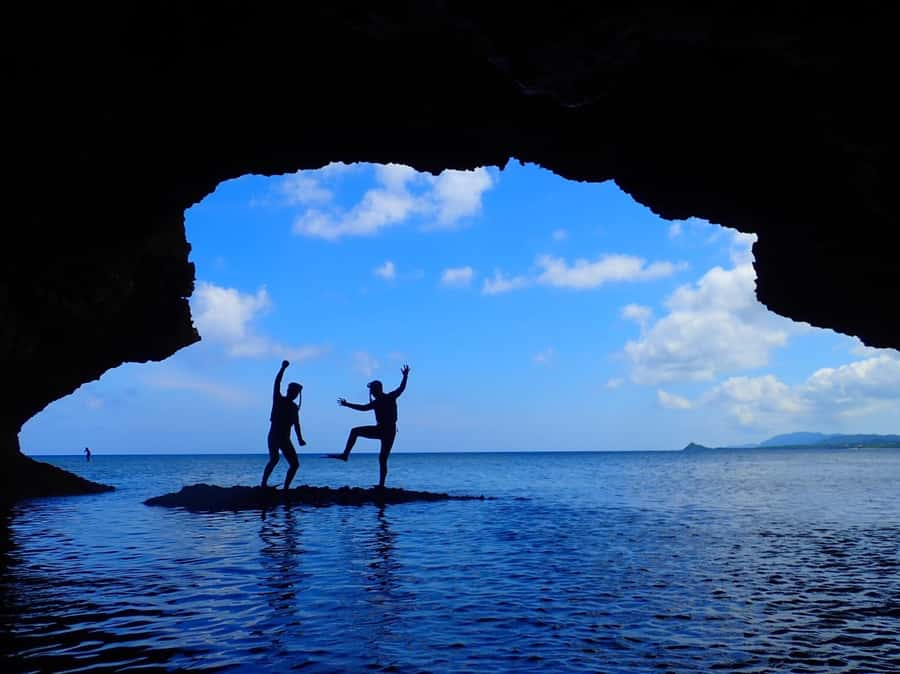
After paddling, you head into the water for about 1.5 hours of snorkeling at the Blue Cave area. This is the moment people picture when they think Ishigaki—those cave features and the way the light changes near the rock.
The best part is that the snorkel part isn’t treated like a free-for-all. Guides such as Tomo-san and Yujiro are known for teaching new snorkel skills, positioning you where you can see fish and coral, and helping you get comfortable with mask and breathing. Another guide, Kou, is specifically mentioned as helping people have a great time at the snorkel location.
One real-world variable: the Blue Cave isn’t guaranteed every day. If waves make it unsafe, the cave portion can be canceled or adjusted. The tour does run in light rain, but they’ll stop the activity if conditions become unsafe.
The Mid-Point Break and the Shower Situation
Between Kabira Bay and snorkeling, you’ll have a break at the Euglena Ishigaki Port Terminal for about 1.5 hours. This is where timing gets practical: you’ll be wet, salty, and ready for food or a reset before the next water session.
Hot showers are available near the port, and you can ask the guide. Also, plan your restroom needs ahead of time because there’s no restroom on site during the activity itself.
If you’re the type who likes to wash gear and cool down before eating, this break is useful. If you’d rather keep moving and minimize waiting, you’ll still appreciate having a set window instead of guessing when you’ll get your next chance to grab lunch.
What You Actually Get (Included Gear, Photos, Insurance)
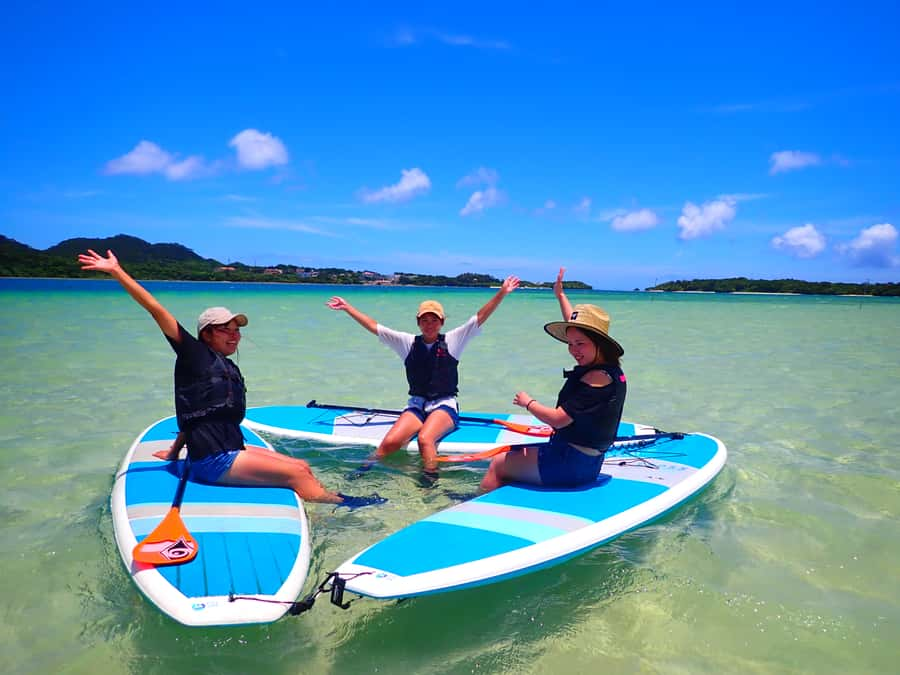
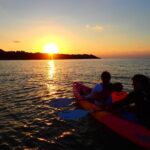
This tour includes the equipment you need for the water: snorkeling and kayak gear, plus shower access. They also provide liability insurance and photo data, which is a big value-add in places where it’s hard to get good shots of your own hands-free.
From guide reports, photo coverage isn’t just an afterthought. People specifically mention guides taking photos during kayaking and snorkeling, then sharing the photo data afterward. If you care about remembering the day without begging strangers for shots, that’s a practical win.
You’ll still need to bring your basics: a towel and beachwear. You should also wear clothes you don’t mind getting wet, and you’ll want a towel you can dry off properly between activities.
Lunch, Drinks, and the Cash Reality
Lunch is not included, and drinks aren’t provided either. You’ll need to purchase lunch at local restaurants during that break, and you should bring around 1500 JPY per person because many local shops may not accept credit cards.
This is one of those “small” details that affects your day. If you arrive with only card payments and no cash, you might end up delaying lunch or eating something less convenient. I suggest you bring cash early, before you’re wet and hungry and trying to troubleshoot payment.
Bring a bottle of water too, since no drinks are supplied. In Okinawa humidity, staying hydrated makes the difference between enjoying the day and feeling wiped out.
Safety Rules That Can Feel Strict, but Have a Reason
The tour has clear safety requirements. You must wear a life jacket, plus snorkeling or paddling gear like fins and a mask. If you refuse mandatory gear, you can be excluded from the activity.
There’s also a no-alcohol rule. It’s not there to be annoying; it’s there because mixing alcohol with water time and safety gear just isn’t smart.
If you have medical conditions or strong ocean fear, contact the operator first. Age is also capped: ages 5–59 only, and pregnant individuals aren’t allowed based on the tour rules.
Communication: English Works Best When You Keep It Simple
Language depends on the day. Tours are conducted in English or Japanese, and on some days it may be Japanese-only. One experience described limited English translation, so you should assume your best tool is to pay attention to the guide’s gestures and reminders about staying safe.
That said, many people report smooth English communication with guides like Makoto and Yujiro, including explanations that actually help a beginner snorkeler feel confident. If you’re comfortable with basic instructions—wear mask, don’t stand up too fast, follow hand signals—you’ll be fine.
Who This Tour Suits (and Who Might Prefer Another Day)
This is ideal if you want an Ishigaki day that combines two signature experiences without overthinking logistics. It works especially well for first-timers who want instruction in both paddling and snorkeling, and for people who like being guided to the right spots.
It may be less satisfying if you hate structured safety rules or you expect long paddleboard time or “freestyle” snorkeling without training cues. One less-positive account described “beginner-style” instruction feeling overly basic, and short SUP time. If that sounds like you, you might want to consider whether your expectations match a safety-first guided format.
Price and Value: What $93 Buys You in Real Terms
At about $93 per person for a 6-hour outing, the value is less about a bargain and more about what’s included. You’re paying for: guided paddling, snorkeling coaching, equipment (kayak/SUP and snorkeling gear), shower access, liability insurance, and photo data.
What’s not included is also part of the calculation: lunch and drinks are on you, and you’ll likely need lunch cash in the neighborhood of 1500 JPY. So the real budget is $93 plus your meal and water.
In exchange, you’re not spending time renting gear, figuring out meeting points, or guessing where to snorkel. For many people, that time savings in Ishigaki is worth more than the difference between “cheap” and “included.”
Should You Book This Kabira Bay + Blue Cave Tour?
Book it if you want a guided day that blends Kabira Bay paddling with Blue Cave snorkeling, and you like having an instructor manage safety and spot you where you can actually see sea life. The included photo data is a meaningful bonus, and the combination of activities in one day is efficient without feeling rushed.
Skip it or consider an alternative if you’re very sensitive to strict safety rules, you need detailed English interpretation every step of the way, or you’re traveling mainly for guaranteed cave access. The cave portion can be canceled when waves are unsafe, so be flexible.
If you do book, come prepared with cash for lunch, a water bottle, and shoes sizes ready for check-out. Wear what you can get wet, and plan to use the hot showers at the port so you can enjoy dinner after.
FAQ
Where does the tour start and where does it end?
The meeting point is ユーグレナ石垣港離島ターミナル (Euglena Ishigaki Port Remote Island Terminal), and the tour ends with drop-off back at the same place.
Is hotel pickup included?
Hotel pickup and drop-off are included only for hotels in the southern area of Ishigaki. A complimentary shuttle service may apply for guests staying in that southern zone (between the ANA InterContinental and Fusaki Resort).
How long is the tour?
The total duration is about 6 hours.
What activities are included?
You’ll do snorkeling at the Blue Cave (about 1.5 hours) and then canoeing or SUP at Kabira Bay (about 1.5 hours), with a break at the port terminal in between.
Do I need to bring snorkeling or paddling equipment?
No. Snorkeling and kayak equipment are included. You should bring your towel and beachwear, and you’ll need to wear the required gear provided by the tour team (life jacket, fins, and mask).
Is lunch included? Do I need cash?
Lunch is not included. Plan on bringing around 1500 JPY per person because many local shops may not accept credit cards. Drinks are also not provided, so bring water.
Can I switch between kayak and SUP?
Yes. A kayak can be exchanged for SUP free of charge, if you select the relevant option when booking.
What are the age and health limits?
Ages 5–59 only. Pregnant individuals, children under 5, and people with medical conditions are not allowed. Contact the operator if you’re unsure, including if you have ocean fear.
What languages are available?
Tours are in English or Japanese, and it may be Japanese-only on some days.
Does the tour run in bad weather?
It operates in light rain, but it can be canceled if conditions are unsafe (including unsafe sea conditions for the cave).
If you tell me your travel month and whether you’re staying in the south (near ANA InterContinental / Fusaki area), I can help you figure out the easiest meeting plan and what to prioritize day-of.