REVIEW · NAPLES
Island Tour by Pedal HOBIE / Kayak / SUP – Fort Myers Beach
Book on Viator →Operated by Paddle Naples · Bookable on Viator
Dolphins and mangroves in 2.5 hours. I like the guided eco tour and the chance to ride a CLEAR kayak or paddleboard to see the water up close. The main thing to plan around is that the trip depends on good weather.
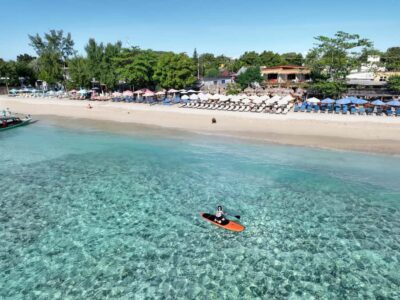
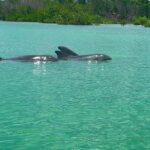
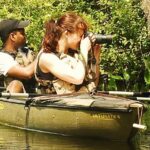
You’ll start near Bonita Springs on South Fort Myers Beach and paddle at a relaxed pace toward Big Hickory Island. The goal is wildlife watching—dolphins and birds are common targets, and manatees can show up in summer.
This is set up to be easy on your body and simple to organize. PFDs, dry boxes, a map, and a wildlife guide are included, plus you get complementary tour photos after you’re done floating and exploring.
In This Review
- Key highlights you’ll feel right away
- Why Big Hickory Island is the star of South Fort Myers Beach
- Choosing your craft: standard or CLEAR kayak, kayak, or paddleboard
- The 2.5-hour loop: what you’ll do during the Big Hickory Island paddle
- Wildlife spotting the practical way (dolphins, birds, manatees)
- Guides who keep first-time paddlers comfortable
- Price and what you’re actually getting for $50
- What to bring so the paddle feels easy
- Who this paddle tour fits best (and who should reconsider)
- Timing, weather reality, and how cancellation works in plain terms
- Should you book the Fort Myers Beach Big Hickory Island paddle?
- FAQ
- How long is the Island Tour by Pedal HOBIE / Kayak / SUP?
- What should I bring, and is any gear included?
- What is the minimum age for the tour?
- What wildlife might we see on this paddle?
- How big is the group?
- Are tour photos included?
Key highlights you’ll feel right away
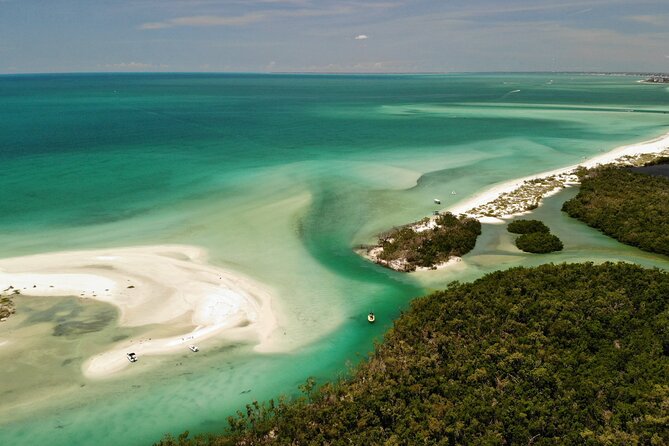
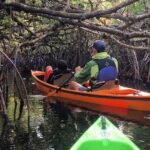
- Big Hickory Island focus: mangrove trails and tunnels, Gulf of Mexico water, and time at an island beach
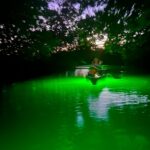
- Standard or CLEAR ride: choose a standard kayak or paddleboard, or a CLEAR option for a closer view
- Small group cap (12): more attention from the guide during paddling and wildlife spotting
- Wildlife spotting with real tips: you’re not just hoping; you get direction on where to look
- Gear + guidance included: PFDs, dry boxes, map, and a wildlife guide come with the tour
- Photos included: complementary tour photos add a nice “proof it happened” layer
Why Big Hickory Island is the star of South Fort Myers Beach
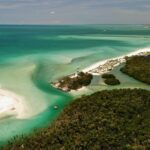
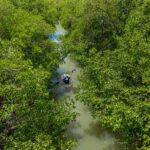
Big Hickory Island is the kind of destination that feels like it belongs to the local coastline, not a staged attraction. From the water, you get a natural mix of mangrove areas, open Gulf space, and an island beach. That blend matters because it changes the scenery every stretch.
The tour is designed around a relaxed rhythm. You’re not doing a workout race; you’re gliding, taking breaks when needed, and listening for cues from your guide. That pacing helps you actually enjoy the “ecosystem moment”—birds overhead, small wildlife in the water, and the chance of larger marine life when conditions are right.
I also like the way the route is described as some of the best in Southwest Florida. That doesn’t mean you’ll see something dramatic every minute. It means the paddling paths are picked for the variety: mangrove trails and tunnels on one side, Gulf views on another, and then a calmer landing on the island beach.
And yes, the wildlife angle is the headline. Dolphins are a regular hope, and manatees are described as sometimes seen, especially in summer. Even when a specific animal doesn’t show up, you still get an informative tour of habitats as you pass through them.
You can also read our reviews of more tours and experiences in Naples.
Choosing your craft: standard or CLEAR kayak, kayak, or paddleboard
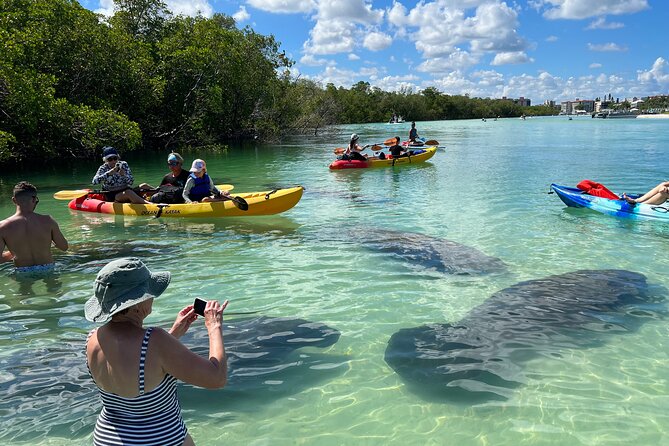
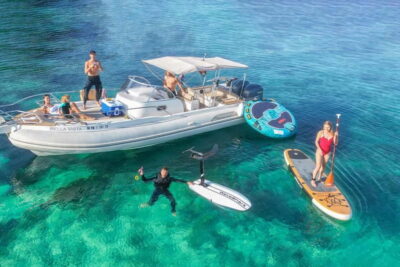
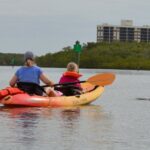
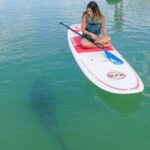
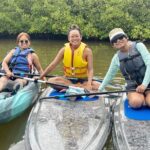
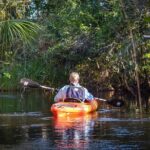
This tour gives you choice, which is a big deal on water trips. You can pick a standard or CLEAR kayak or paddleboard, depending on what fits your comfort level and how you want to experience the water.
A standard kayak or paddleboard tends to feel familiar and steady—good if you want control and minimal surprises. The CLEAR option is more about how you see the water below you. If you like the idea of scanning for movement and texture while you paddle, CLEAR can make the tour feel more “hands-on,” even though you’re still guided at a calm pace.
Kayak versus paddleboard is mostly a preference question:
- If you want a lower profile and hands-on steering with a seat, a kayak often feels easier.
- If you want a more open stance and a bigger view, paddleboarding can feel more freedom-forward.
Either way, the tour includes essentials so you’re not scrambling. You’ll get PFDs, dry boxes, and a map plus wildlife guide. That setup helps you focus on paddling and watching, not managing gear.
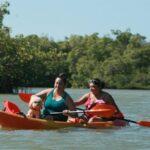
If you’re new, pay attention to how the guide helps you settle into your craft. Several guides on past departures—like Nick, Cam, and Zach—were praised for being patient and for giving clear tips, especially for people trying paddleboarding or kayaking for the first time.
The 2.5-hour loop: what you’ll do during the Big Hickory Island paddle
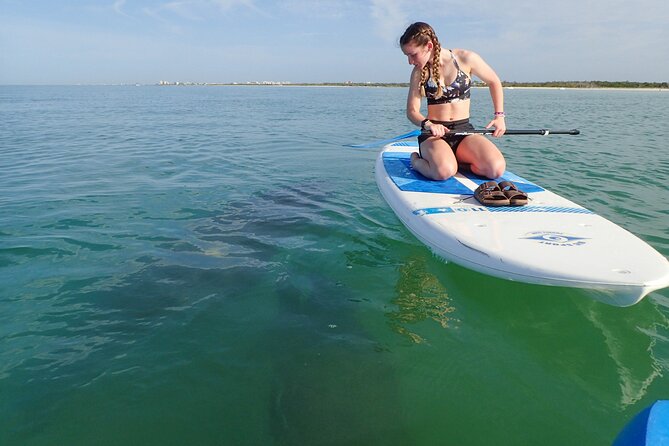
Your trip runs about 2 hours 30 minutes. That length is long enough to feel like you left the shoreline and earned the change of scenery, but short enough that it doesn’t take over your entire day.
Here’s how it typically breaks down around the main stop:
Stop: Big Hickory Island (relaxed eco paddle + island beach time)
You’ll paddle toward Big Hickory Island at a relaxed pace. The guide’s job is to keep things safe, keep the group moving smoothly, and point you toward things worth noticing in the ecosystem.
While you’re on the water, the route is meant to cover multiple “zones”:
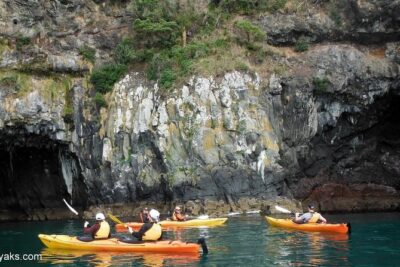
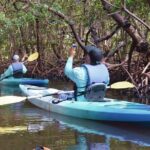
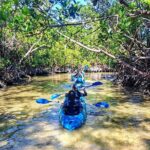
- Mangrove trails and tunnels: these narrow-feeling sections are great for habitat talk and sheltered scenery
- Gulf of Mexico water: you’ll get more open water views as the route shifts
- Island beach time: you’ll have a chance to step into the experience and enjoy the island setting
The tour is also framed as an eco guided outing, so you’re not just paddling for scenery. You’ll learn local ecosystem info as you go—how the habitat works, what to watch for, and why the coastline looks the way it does.
You’ll also hear wildlife-focused guidance. In particular, guides like Zach were noted for helping people get set in the water and for telling them where to go to see dolphins. That matters because seeing dolphins isn’t just luck; it’s about knowing where to look and how to keep your movement steady.
Wildlife spotting the practical way (dolphins, birds, manatees)
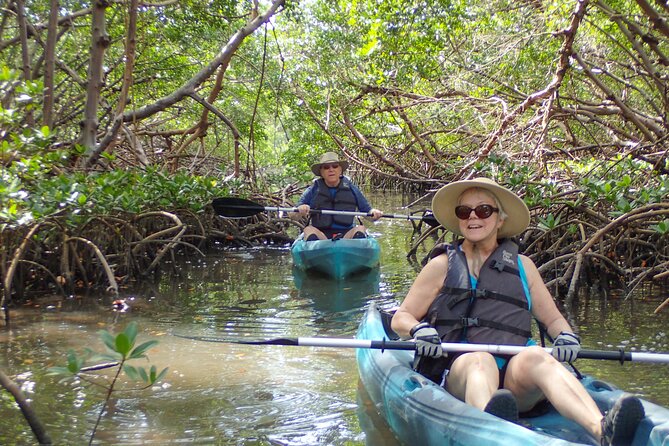
Let’s talk about expectations. This is an eco tour, not a wildlife guarantee. But it’s set up to maximize your odds because the guide is actively watching and guiding.
Dolphins: The tour description says dolphins are quite common targets. In practice, that means the guide will likely steer attention toward likely viewing spots and help you position the group so you can actually watch instead of paddling blind.
Birds: Birds aren’t only “background.” They’re part of how you read the habitat. When you’re moving through mangrove areas and along water edges, birds can clue you into what the environment is doing.
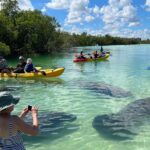
Manatees: Manatees are described as sometimes seen, with a note that summer is a higher-chance season. If you’re traveling in summer, keep your eyes open and your pace calm—smoother movement helps you notice what’s around you.
One standout pattern from the guide feedback: people liked how the guides mixed wildlife with small learning moments. Nick, for example, was described as teaching facts about shells and habitat, and that kind of detail turns the trip into something you remember after you’re off the water.
A good rule: keep your questions ready. Ask what you should be looking for. When guides teach you what matters, you stop guessing and start seeing.
Guides who keep first-time paddlers comfortable
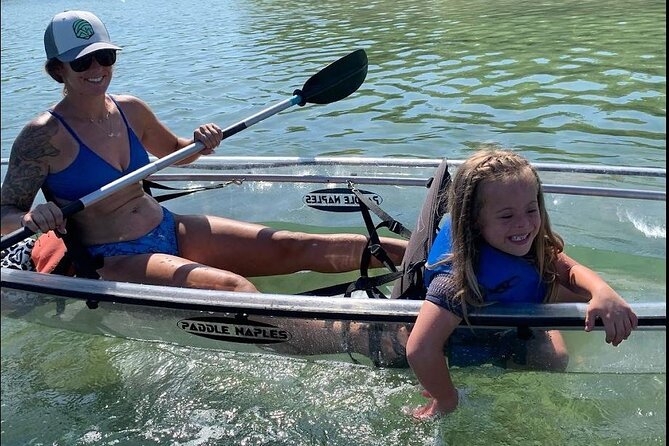
A water tour is only as good as the guide’s pacing and calm. This one is designed with that in mind, and the guide feedback is consistently positive.
Names that came up again and again include:
- Zach, praised for being extremely helpful getting people situated, in the water, and directing them toward dolphin viewing
- Nick, praised for teaching lots of cool facts (including shells and habitat) and for patience with paddleboarding beginners
- Cam, praised for being knowledgeable about the area and for keeping things fun while watching dolphins
- Seth and Hannah, praised for being helpful and professional, plus keeping the experience relaxed and enjoyable
What that tells you is the tour isn’t only for experienced paddlers. It’s set up for learning without drama. You’ll get help with setup and positioning, which is especially important if you’re switching between land and water balance.
Also, the small group limit—maximum 12 people—helps. It makes it easier for the guide to check on everyone and to shift attention quickly when wildlife appears.
Price and what you’re actually getting for $50
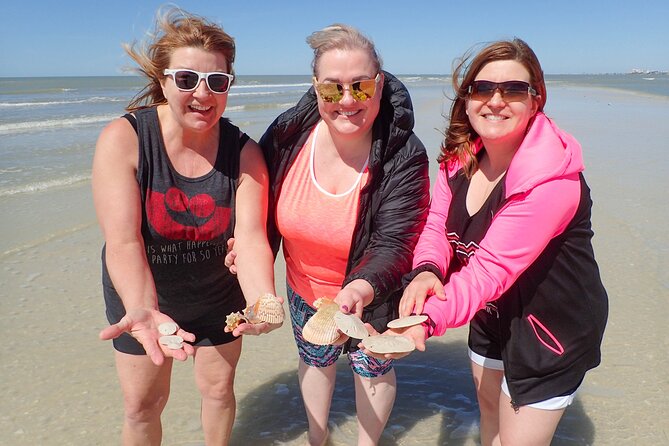
$50 per person for about 2.5 hours can feel like a simple outing or a smart value, depending on what’s included. Here’s the key: this trip bundles the stuff you’d otherwise have to buy or manage.
Included items you don’t need to pack:
- PFDs (life jackets)
- Dry boxes for your belongings
- A map + wildlife guide
- Complementary tour photos
- Free parking
That turns the cost into something closer to a guided experience fee, not just equipment rental. You’re paying for the route choice, the wildlife guidance, and the guide’s ability to help you have a smooth time on the water.
Also, the tour is open 7 days a week, so it’s easier to fit into a busy travel schedule. Booking is described as averaging about 15 days in advance. That’s a sign it can fill, so I’d reserve ahead rather than “see what happens.”
What to bring so the paddle feels easy
Even with gear provided, you should still come prepared. The tour suggests a short list that covers the basics for a comfortable day outside:
- Hat
- Sunglasses
- Sunscreen
- Bottled water
- Water shoes
Water shoes are a practical pick because you may be near island beach areas and you’ll want grip for getting in and out. If you don’t have water shoes, at least wear footwear you trust on wet surfaces.
If you’re traveling with a camera or phone, keep in mind that dry boxes are included, which helps. Still, bring a plan for how you’ll access your phone when you see something cool—without leaving your belongings exposed.
Finally, think about sun time. This is a water route with open areas too, so protection matters.
Who this paddle tour fits best (and who should reconsider)
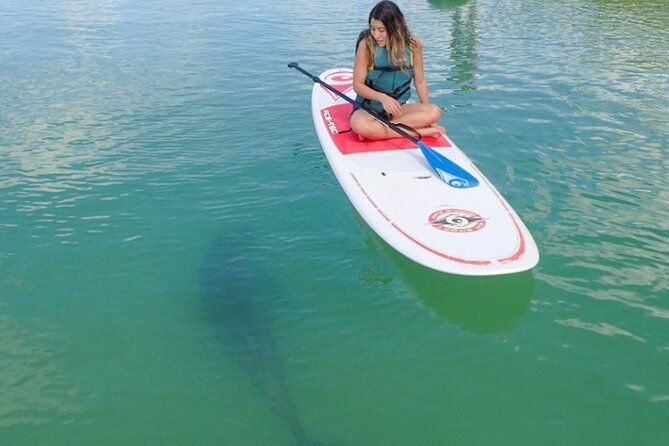
This works well for:
- People who want nature + guided wildlife learning without a long hike
- First-time paddlers who want patient help settling into the craft
- Anyone who likes small-group tours more than crowded boat days
- Families with kids who can handle about 2.5 hours on the water
Minimum age is 3 years old. The tour also notes youth sized PFDs are available, but parents are encouraged to provide a quality fitted PFD for children under 50 pounds. That’s a comfort and safety point, not a warning to skip—just plan ahead.
A possible consideration is that the experience requires good weather. If your trip timing lines up with rain or rougher conditions, you might need a backup plan (more on that below).
Timing, weather reality, and how cancellation works in plain terms
This activity runs about 2 hours 30 minutes and is offered in English. That length is great because it feels like an outing you’ll remember without stealing your whole day.
But weather is part of the deal. The tour says it requires good weather. If it’s canceled due to poor weather, you’ll be offered a different date or a full refund.
Also, you’ll likely want to schedule with some flexibility. Paddling routes and visibility can change quickly when conditions change. If you’re staying in the area, you’ll be in a better position to rebook if needed.
Should you book the Fort Myers Beach Big Hickory Island paddle?
I’d book this if you want an easy-to-manage, guided water outing with a strong nature focus. You get included gear, small-group attention, and a route that mixes mangroves, open Gulf water, and an island beach. The guide feedback—especially the help getting people settled and the wildlife direction—signals that you’re not on your own out there.
I’d think twice if:
- You’re traveling with a weather-dependent schedule and can’t shift plans
- You’re looking for a long full-day adventure rather than a focused 2.5-hour loop
- You want a rigid itinerary with zero variability in wildlife outcomes (this is nature; surprises are normal)
If you’re aiming for a real Southwest Florida feel—mangroves, water life, and time on an island beach—this is a solid, value-leaning option.
FAQ
How long is the Island Tour by Pedal HOBIE / Kayak / SUP?
The tour is about 2 hours 30 minutes.
What should I bring, and is any gear included?
PFDs, dry boxes, a map, and a wildlife guide are included. The tour suggests you bring a hat, sunglasses, sunscreen, bottled water, and water shoes.
What is the minimum age for the tour?
The minimum age is 3 years old. Youth sized PFDs are available, and parents are encouraged to provide a quality fitted PFD for children under 50 pounds.
What wildlife might we see on this paddle?
The tour focuses on dolphins and birds while searching the area, and manatees are sometimes seen (especially in summer).
How big is the group?
There’s a maximum of 12 travelers.
Are tour photos included?
Yes. Complementary tour photos are included.