REVIEW · DIANI BEACH
Sunset Canoe Tour on a River within the Mangroves
Book on Viator →Operated by Travel4Purpose · Bookable on Viator
A quiet river ride in Diani sounds perfect. This sunset canoe tour takes you through mangrove creeks near the Kongo River, with guide Omari pointing out birds, trees, and local life as the light fades. I love how it’s led by a local guide with a real mission to protect the mangroves, and how the pace stays slow enough for you to actually notice what’s happening around you.
Two things I particularly like: the canoe is engine-free, powered by human rowing, so the water stays clean and calm; and you’ll be in a small group (up to 8), which makes it easier to ask questions and take in the details. One possible drawback: good weather matters, and you may get light rain depending on the sky, so plan for a change in conditions.
In This Review
- Key points before you go
- Why a Mangrove Sunset Canoe in Diani Beats a Standard Beach Sunset
- Getting There: Kongo Mosque Meeting Point at 4:45 pm
- Your Wooden Canoe and the Small-Group Advantage
- Omari: Birds, Trees, and Why Mangroves Matter Here
- Cruising Mangrove Creeks and Passing Village Life
- The Sunset Moment: When the Water Goes Quiet
- Price and Value: What $28 Gets You in Real Terms
- What to Bring for a Comfortable Canoe Sunset
- Who This Tour Suits Best (and Who Might Want Something Else)
- Should You Book Sunset Canoe on the Mangroves?
- FAQ
- What time does the sunset canoe tour start in Diani?
- Where does the tour meet, and where does it end?
- How long is the experience?
- How many people are on the canoe tour?
- Is the canoe engine-free?
- What happens if weather is poor?
Key points before you go
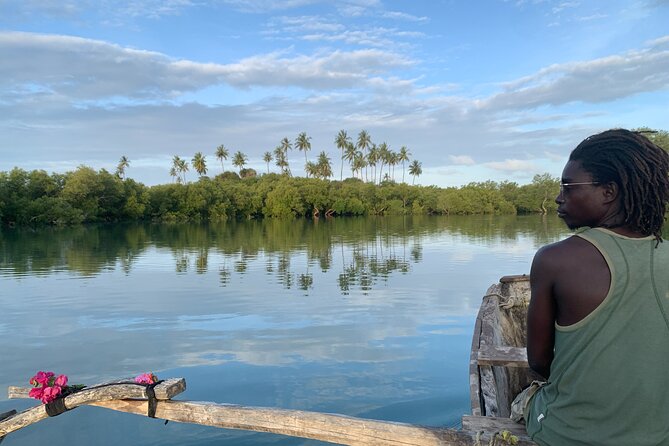
- Meet at Kongo Mosque (Diani Beach) at 4:45 pm, then return to the same spot
- Two hours on the water, timed for a sunset look over mangrove creeks
- No engines: the captain rows, and you can row too if you feel like it
- Small group size (max 8) helps keep the experience personal and easygoing
- Omari’s bird and tree spotting makes the scenery feel more alive
- Community-focused impact, with local canoe hiring and trip funds supporting local needs
Why a Mangrove Sunset Canoe in Diani Beats a Standard Beach Sunset
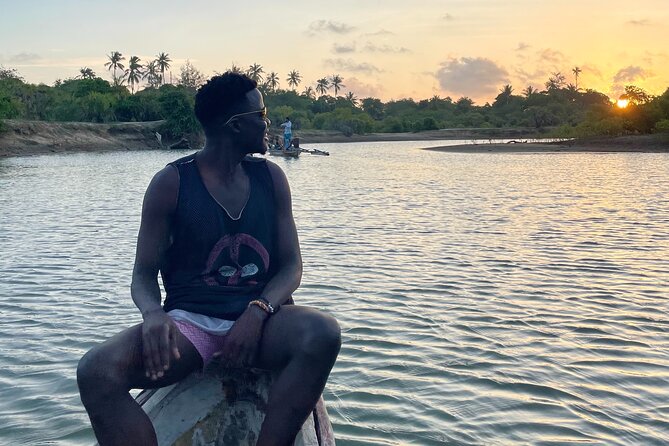
Diani Beach gets plenty of attention for its coastline. This tour gives you something different: the in-between zone where river meets sea, framed by mangroves, palm trees, and wildlife activity. Sunset is the magic hour here, because the water and the creeks start to feel calmer, and the birds and mangrove edges get more noticeable as the light softens.
The biggest win is the format. A wooden canoe, slow movement, and a knowledgeable guide turns a simple outing into an experience you can feel in your body—less rush, more noticing. You’re not just watching nature from a distance; you’re moving through it at a human pace.
And yes, it’s romance-friendly. But it’s also practical fun for families and friends who want an active thing that doesn’t require athletic skills. Solo? It’s peaceful enough to enjoy quietly, but you’ll still have plenty to talk about with Omari.
You can also read our reviews of more tours and experiences in Diani Beach.
Getting There: Kongo Mosque Meeting Point at 4:45 pm
Your start point is Kongo Mosque, Diani Beach, Kenya. The tour begins at 4:45 pm, and it ends back at the meeting point. That timing matters: you’re catching that late-afternoon light while the creeks are still accessible, and before full evening gets too dark for everyone to enjoy the ride.
Because it’s close to public transport, you won’t be stuck figuring out complicated transfers. Just aim to arrive a little early so you can settle in, meet Omari, and get ready without feeling rushed.
One practical note: the tour format is simple, but it’s still outdoors and on the water. If you’re the type who hates being chilly, keep an eye on the evening weather. If rain shows up, it can change the ride vibe quickly—sometimes not in a bad way, but it’s good to be mentally ready.
Your Wooden Canoe and the Small-Group Advantage
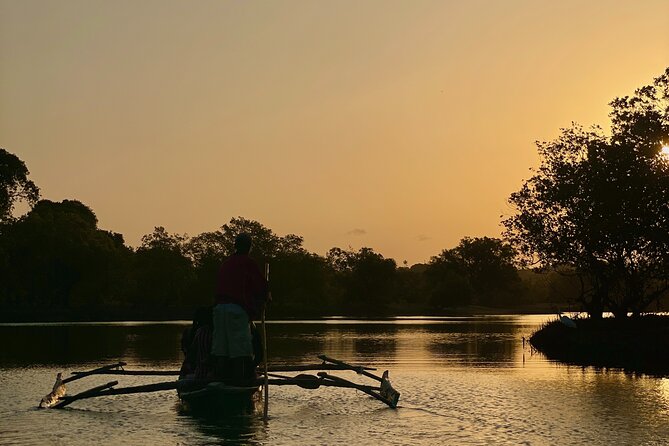
You’ll ride in a wooden canoe with your guide. The group cap is 8 travelers, which I find is the difference between a tour that feels like a production and one that feels like a shared moment. With fewer people, it’s easier to hear the guide, spot wildlife, and enjoy the quiet.
The canoe is powered by human energy—the captain rows, and you can row too if you wish. That single detail changes everything. There are no engine fumes or loud motor noise. The water stays calmer, wildlife feels less startled, and you get a smoother experience overall.
Also, since the captain is rowing and you’re not fighting the canoe, it stays accessible for most people. Service animals are allowed too, which is helpful if you travel with a companion that needs to join.
Omari: Birds, Trees, and Why Mangroves Matter Here
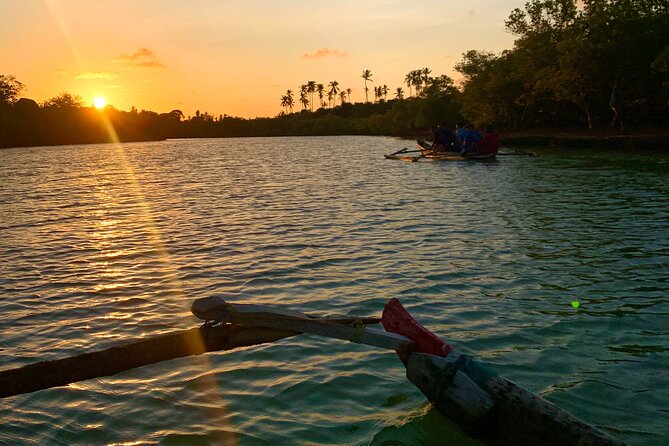
Your guide, Omari, is passionate about preserving the mangroves around this area—his home turf, not a photo stop. That matters because mangroves can sound like just another coastal word. Omari makes it personal and practical, linking what you see to why it’s worth protecting.
Expect him to talk about the bird species around the creeks. The mangrove edges are full of bird life, and when someone knows what to look for, your “I think I saw a bird” turns into real sightings. You’ll also hear about trees you pass along the bank, including mention of baobab trees in the mix of what’s nearby.
Why this is valuable for you: if you’ve ever visited a natural area and felt like you were watching without understanding, this fixes that. You get a guide who turns scenery into clues—bird shapes, tree types, and the way the ecosystem works.
There’s also an emotional layer. When you hear why mangroves are protected and how local people depend on the area, the ride stops feeling like a free show. You start to feel like you’re part of a system—briefly, respectfully—and that makes the whole sunset moment land harder.
Cruising Mangrove Creeks and Passing Village Life
This is a river-and-creek ride that connects the water to nearby community life. You’ll sail through the waterways, and along the route you’ll get chances to see villagers. Even if the sights are brief, it helps you understand what “local” means here.
The canoe moves you through a different rhythm than you get on the beach. You’re not stuck behind sand barriers or guided pathways. You’re gliding past mangroves and palm-lined edges where the water feels like it belongs to the place, not to tourists.
You’ll also get the history and culture context—enough to give you understanding without turning the ride into a lecture. It’s the kind of information that makes you look differently at what’s around you while you’re still watching the sun fall toward the waterline.
One more plus: because the canoe is human-powered, you’ll often feel the journey more than the transportation. It can turn into a kind of quiet reset, the “meditative” feeling people talk about when they get out of a loud day and into something slower.
The Sunset Moment: When the Water Goes Quiet
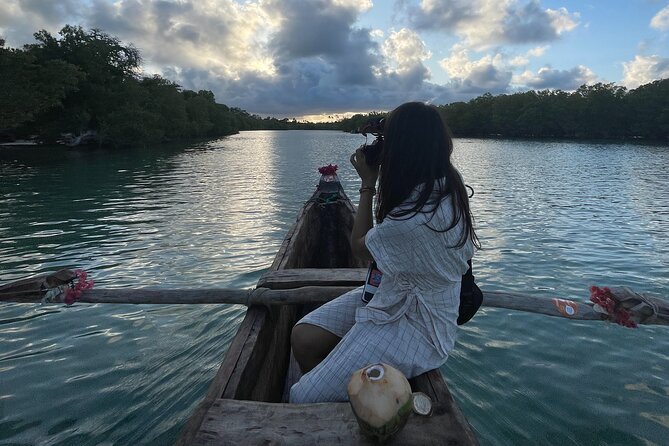
Sunset is the headline, but it’s not just about pretty light. As the evening progresses, you’ll notice the water and creeks shift in tone—less noise, softer movement, and more attention from the birds. That’s when your guide’s bird and tree spotting becomes extra rewarding.
You’ll watch the sun set over the mangrove creeks from the canoe. If you’re going with someone you love, it’s naturally romantic: a small boat, quiet water, and the sky changing colors behind mangrove lines.
If you’re with family or friends, it still works because no one has to be “good at nature.” You’re simply along for the ride, with Omari helping you spot the interesting bits—so you get both relaxation and something to do.
From practical experience as a reviewer, I’d suggest you bring your phone because the setting is photo-worthy—but also leave space to look up. The best photos come after a minute of just watching.
Price and Value: What $28 Gets You in Real Terms
At $28 per person for about 2 hours, this sits in the affordable range for a guided activity from Diani. The better question isn’t just the price tag—it’s what that money supports and what you get back.
Here’s the value logic that makes it feel worth it:
- Local employment: the canoe is locally hired, and so is the captain. You’re paying for skills and livelihoods, not just a ticket.
- Guide expertise: Omari’s bird and tree knowledge changes the experience. Without that, you’d just be sitting in a canoe watching water.
- No-engine experience: you get a cleaner, quieter ride, which makes sunset viewing more comfortable and enjoyable.
- Community impact: the trip funds are described as flowing into local needs like healthcare, employment, and education.
Also, this is scheduled at a sensible time of day. You’re paying for a sunset slot, not using your whole afternoon for waiting. It’s booked pretty far ahead on average—about 19 days—so if you want a specific date, don’t play chicken with your plans.
What to Bring for a Comfortable Canoe Sunset
You don’t need a packing list the size of your suitcase. But you do want to be ready for the realities of evening on the water.
Bring:
- A light jacket or layer for late afternoon to evening
- A small rain layer or poncho if the sky looks changeable
- Sun protection (you’ll still get exposure before full sunset)
- A phone or camera, plus a way to keep it dry
Wear practical footwear. You’ll be in and around the canoe setup area near the start point. Dry comfort matters more than style.
One thing to keep in mind: it may rain during the ride. If it happens, you can still enjoy the trip, but you’ll want to feel comfortable in damp conditions. That’s why a simple rain cover beats wishful thinking.
Who This Tour Suits Best (and Who Might Want Something Else)
This canoe tour fits a wide mix of travelers:
- Couples: sunset plus quiet water plus mangroves equals natural romance
- Families and friends: it’s low effort, safe-feeling, and the guide keeps the group entertained with birds and stories
- Solo travelers: it’s peaceful and not overstimulating, but you still have a knowledgeable guide to chat with
You might think twice if you hate getting wet or you’re extremely sensitive to light rain, since weather is part of the deal outdoors. Also, if you prefer fast-paced adrenaline, this isn’t that. It’s meant to slow you down.
Should You Book Sunset Canoe on the Mangroves?
Yes—if you want a real-feeling Diani experience beyond the beach strip, book it. The combination of engine-free canoeing, a passionate local guide named Omari, and the sunset timing makes it a strong value at $28. It’s also one of those activities where you learn something without it becoming work.
I’d especially recommend it if you care about conservation and want your money to support local livelihoods in a visible way. And if you’re the type who likes photos, you’ll likely end up with better ones because the guide helps you frame the moment rather than just pointing at scenery.
If you want a loud, fast tour, look elsewhere. If you want quiet water, birds, mangroves, and a community-connected sunset, this is a solid choice.
FAQ
What time does the sunset canoe tour start in Diani?
The tour starts at 4:45 pm. It ends back at the same meeting point.
Where does the tour meet, and where does it end?
The meeting point is Kongo Mosque, Diani Beach, Kenya. The activity ends back at the meeting point.
How long is the experience?
The duration is about 2 hours.
How many people are on the canoe tour?
The tour has a maximum of 8 travelers.
Is the canoe engine-free?
Yes. The canoe is powered by human energy, with the captain rowing. You can also row if you wish.
What happens if weather is poor?
This experience requires good weather. If it’s canceled due to poor weather, you’ll be offered a different date or a full refund.