REVIEW · ISHIGAKI
Ishigaki: Mangrove SUP or Canoe & Phantom Island Snorkeling
Book on GetYourGuide →Operated by ISHIGAKI ADVENTURE PiPi · Bookable on GetYourGuide
Mangroves plus snorkeling is a rare combo. This Ishigaki outing links a slow glide through the Mangrove river with the surreal, tide-changing sands of Phantom Island. Two big things I like here: the guides run a safety-first flow (even when the water feels lively), and you’re set up for serious underwater watching with fins, mask, and a wetsuit in cooler months. One catch: tides and sea conditions can reshuffle the snorkeling plan or location.
For the price, I think it’s strong value if you actually want the whole day experience. You’re paying about $103 for guided paddling, snorkeling gear and safety gear, wetsuit options in winter, and photo data. Transportation isn’t included, so you’ll want your own plan to get to the meeting point.
This is a guided, water-based day, so you’ll follow instructions closely. The tour runs with English or Japanese guides, and you may get Japanese-only depending on availability; you’ll also see how different guides pace the experience, from Makoto and Sebastian to Kote and Diego. If you’re unsure about your ocean comfort, that’s something to ask about before you go.
In This Review
- Key things I’d prioritize before you book
- Mangroves and tide-shifting sands: what this 6-hour combo really feels like
- Getting to the water: speedboat time and the Hamahiga snorkeling stop
- Miyara River hirugi forest by canoe or SUP
- Phantom Island snorkeling: tide-changing sand and real underwater watching
- Gear, photos, and safety habits that make the day less stressful
- Eco-friendly touring: what sustainability looks like here
- Who should book this (and who should skip it)
- Price and value: what $103 buys you on the water
- Practical tips so you actually enjoy the whole day
- Should you book this Ishigaki mangrove SUP or canoe plus Phantom Island snorkeling?
- FAQ
- Where does the tour start and end?
- How long is the experience?
- How much does it cost?
- What activities are included?
- What gear is provided?
- What language will the guide speak?
- What should I bring with me?
- What are the rules for food and drinks?
- What ages can participate?
- What happens if weather or tides are bad?
Key things I’d prioritize before you book
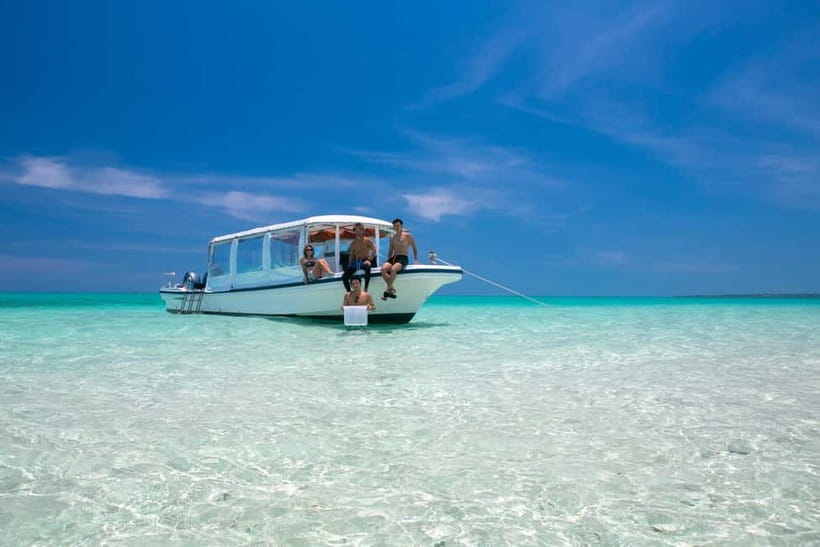
- Mangrove paddling through hirugi forest: A canoe or SUP route designed for close-up views of mangrove roots.
- Phantom Island’s tide-shape effect: The sand bar changes form, so your snorkeling vibe depends on the water level.
- One guided day, two distinct water moods: Calm river paddling plus open-water snorkeling in one flow.
- Photo data is part of the deal: Guides capture moments underwater, not just at the dock.
- Weather may change the snorkeling location: The team adapts when conditions require it.
Mangroves and tide-shifting sands: what this 6-hour combo really feels like
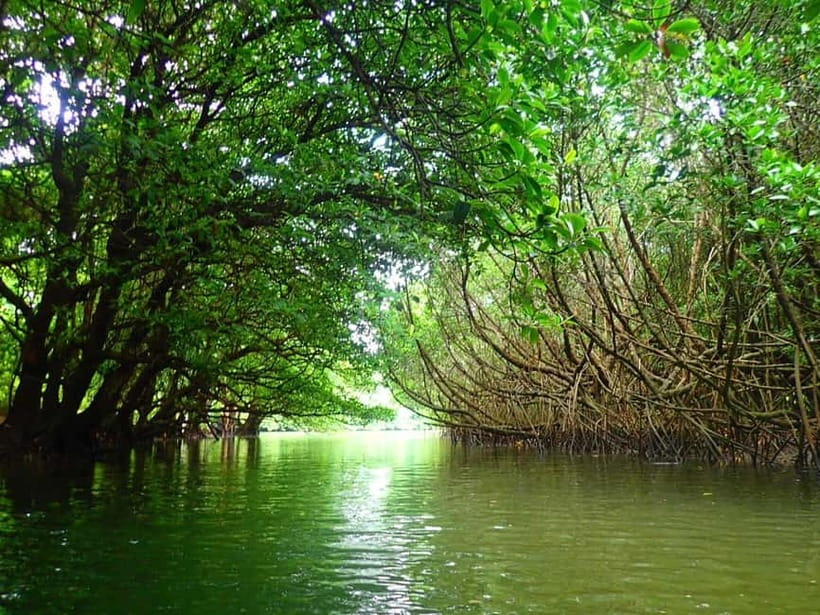
This tour is built for two different kinds of water time. First comes the mangroves—quiet, slow, and visual, where you’re more likely to look at the roots and channels than at your watch. Then it moves into the kind of snorkeling that makes you forget you’re still on a schedule, because you’re watching fish and corals close up around Phantom Island.
In practice, that mix matters. River paddling is the warm-up for your body and your confidence. It also gives you a sense of the local ecosystem before you head to the ocean snorkeling portion. And Phantom Island is different from the usual “stand here, swim there” beach stop because the island changes shape depending on the tide level. That means you’re not just seeing a pretty sandbar—you’re experiencing a living shoreline.
The other thing I’d underline is how much the guides focus on keeping people comfortable. Multiple guides referenced in the experience have been described as cheerful, patient, and safety-minded, including Makoto and Sebastian, plus guides like Kote, Diego, Ayaka, Akari, Misaki, and Arai. That variety is useful: you’ll likely get instructions that match the group’s pace instead of a one-size-fits-all lecture.
You can also read our reviews of more tours and experiences in Ishigaki.
Getting to the water: speedboat time and the Hamahiga snorkeling stop
The day starts with a meet-up at the Euglena Ishigaki Port area (the Yugenna Ishigaki port side terminal is listed as the main option). After that, you’ll take a speedboat ride that’s scheduled for about 30 minutes. That short hop is long enough to feel like an outing, not so long that you’re exhausted before the water.
Next is Hamahiga Island for a quick photo stop and then snorkeling time for about an hour. This is where I think the tour earns its “worth it” rating, because snorkeling on Ishigaki’s side waters tends to be more rewarding when you’re not rushing. With about an hour underwater, you have time to get comfortable, see what’s around you, and not just do the first look and exit.
A practical note: the sea can be choppy even when you’re still doing the outing. One of the clearest pieces of advice from the tour experience is that snorkeling might be adjusted if conditions aren’t right. In at least one case, the plan changed to an alternate snorkeling spot like Blue Cave. So if you go in expecting a fixed exact location, you’ll be happier if you accept that the guides can swap where needed.
Miyara River hirugi forest by canoe or SUP
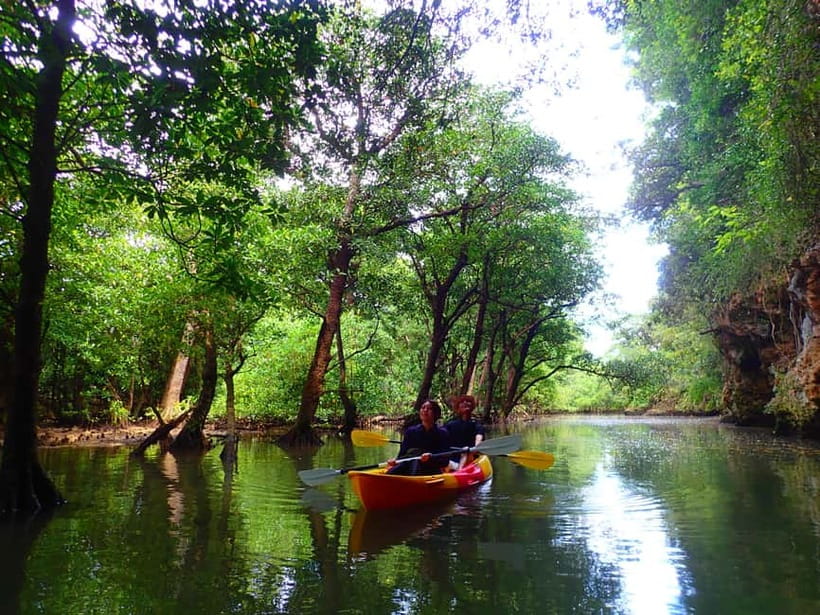
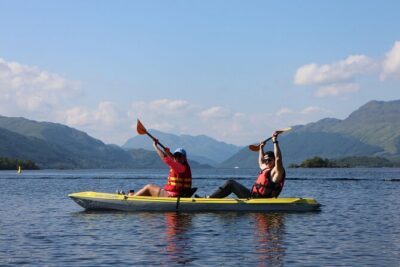
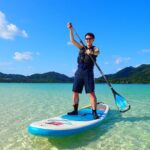
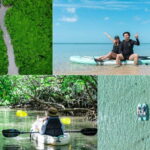
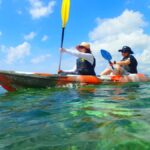
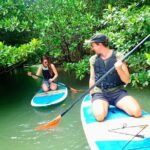
The Miyara River portion is the signature “do it yourself” part of the day. You’ll paddle either a canoe in the hirugi forest area or do a SUP course. The scheduled time on the water is about one hour, which is enough to feel the rhythm without feeling like the trip is just an endurance test.
This is also the segment where you’ll likely notice how the guides teach steering and positioning. People have highlighted guides explaining navigation clearly in English, including Ayaka, and doing it in a calm, step-by-step way so nobody feels left behind. If you’re new to paddling, one hour feels manageable because the guide can keep the group together while still letting you look around.
For families, the tour notes that children aged 3 to 11 may be guided in a more stable canoe instead of SUP depending on conditions and the day’s group setup. That’s important if your kid is excited but still learning balance. For adults, SUP is a fun option when you want the extra physical challenge and a different view angle of the mangrove roots.
And if you’re the type who loves small nature details, this river run includes talk about unique local flora. One guide specifically pointed out the fairy tree as part of the mangrove ecosystem, which is the kind of detail you don’t get from a quick photo-only stop.
Phantom Island snorkeling: tide-changing sand and real underwater watching
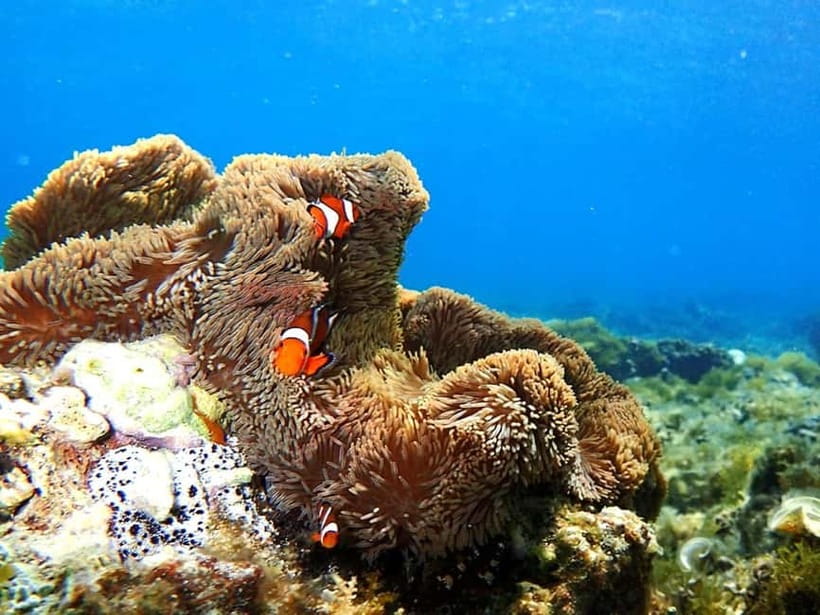
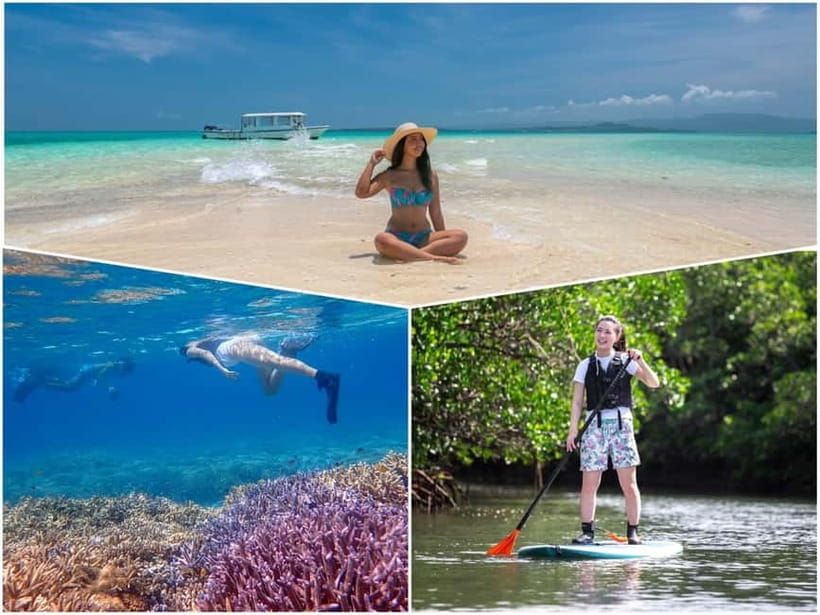
Phantom Island is the main snorkeling story. It’s described as a sandy beach floating in the ocean on the west side of Ishigaki Island, and its name comes from how it changes shape with the tide. That matters because snorkeling conditions and the way fish move around the sand and edges can shift based on where the water line sits.
What I like about this setup is that it feels like a natural aquarium. You’re not visiting a theme-park coral reef or a man-made platform. You’re swimming in an area where fish and corals are part of the scenery, so your attention naturally stays underwater.
You’ll be given snorkeling gear, and the tour specifies mask and fins are required, plus a life jacket and special shoes for safety. If you’re a first-timer, that gear and guidance combination is key. One guide (Arai) was praised specifically for helping a nervous first-time snorkeler feel supported while still letting them see plenty of fish and corals. That’s a good sign for anyone who wants structure without feeling “handled.”
Also, photo and video capture is part of the experience. Guides have taken underwater photos and videos for people right below them, including Kote, and others have taken pictures on the island after the swim. If you care about documentation, this is one of those tours where the camera is actually useful, not just decorative.
Gear, photos, and safety habits that make the day less stressful
The tour provides a lot of what you’d otherwise have to figure out: SUP or canoe equipment, snorkeling equipment, and safety gear like life jackets. You’ll also be in fin-and-mask gear, and the guide instructions are the rule. The tour notes that refusal may mean exclusion, which sounds harsh until you think about the water environment and how fast conditions can change.
I appreciate that the experience is set up for active safety, not just verbal safety. A life jacket is required, and you’ll wear special shoes for water traction. The day also includes wetsuits (winter), which is a detail worth taking seriously. If you’re cold easily, don’t assume summer-only comfort. Ishigaki water can still feel cool, and staying warm helps you focus.
Photo data is included, and the way guides describe the photo capture is practical: they take shots at the right moments, not random frames. People have specifically mentioned underwater photo and video capture, and guides helping with relaxed positioning. It’s also helpful that guides can adapt to different confidence levels, which has come up repeatedly with guides like Sebastian and Diego.
If you get one thing right, get this one: follow the guide’s timing and instructions. Mangroves and ocean snorkeling both reward calm decision-making. Rush the water and you’ll feel it. Slow down and it feels effortless.
Eco-friendly touring: what sustainability looks like here
This isn’t presented as an empty slogan. The tour is described as eco-friendly and designed with sustainability in mind to protect and preserve Ishigaki’s environment.
What does that mean in real life? It usually means a few behavior rules and an operational mindset. Expect a tour style that respects the coastline and waterways: you don’t treat the mangroves like a playground, you follow route guidance, and you keep your actions controlled so you don’t disturb wildlife or damage sensitive areas.
It also helps that the experience is structured around guided movement rather than a free-for-all. When you’re in a canoe or on SUP through mangrove channels, your space is limited and your impact matters. And when you’re snorkeling in a natural aquarium situation, the same idea applies: you’re watching, not touching, and you’re moving based on the guide’s direction.
If you want a fun day that doesn’t feel reckless, this is a good fit. The experience is built around enjoyment plus care, and that combination is exactly what I look for on island eco tours.
Who should book this (and who should skip it)
This tour is aimed at ages 3–59, and it has clear boundaries for safety. It’s not allowed for pregnant guests, children under 3, or people with medical conditions. It also specifically lists children under 5 as not suitable, plus people with heart problems and people over 60 as not suitable.
That’s not just fine print. Canoeing/SUP and ocean snorkeling both rely on your ability to stay steady in water and follow safety instructions quickly. Even with patient guides, you don’t want to be the person who has to stop repeatedly because you’re not comfortable in the water.
For the right person, it’s a great match:
- You like nature more than nightlife
- You want both a paddling activity and snorkeling in one day
- You’re open to a schedule that can shift if the sea decides to change plans
If you have fear of the ocean or you’re unsure about your physical strength, the tour explicitly suggests consulting in advance. Do that early, before you’re already stuck in vacation-mode decision fatigue.
Price and value: what $103 buys you on the water
At about $103 per person for a 6-hour outing, the value depends on what you’d otherwise pay for separately. Here’s what’s included: SUP or canoe equipment, the experience fee, liability insurance, sales tax, snorkeling equipment and safety equipment (including life jacket and special shoes), wetsuits in winter, and photo data.
What’s not included is transportation. So if you’re staying near the Ishigaki port area, great. If you’re further away, you’ll need to budget for getting yourself there.
When I look at the value, I don’t just count the activity list. I count the items that reduce your hassle and risk: gear, safety equipment, and instruction. Many island experiences cost less on paper but then add up fast once you rent equipment, buy a wetsuit, and pay for guided help you actually need in water.
This one also saves you time. One day, multiple environments: mangrove paddling, island photo/snorkel time, plus Phantom Island snorkeling as the highlight concept.
Practical tips so you actually enjoy the whole day
A good day on the water is mostly preparation. Wear swimwear. Bring a towel and a change of clothes, because you’ll need to dry off after paddling and snorkeling. Bring drinks and cash as well, plus clothes that can get dirty.
Use the restroom before you go, because there’s no restroom on-site mentioned for the experience. That sounds small until you’re on a tight water schedule.
Hot showers are available near the terminal area if you ask the guide. That’s a nice end-of-day comfort when you’re coming back wet and salty.
Two more rules to remember:
- No alcohol is allowed.
- Smoking isn’t allowed.
Also, meeting and end times can vary based on weather, tides, or strait conditions. That’s normal here, and it’s another reason you’ll want flexible plans for the rest of your day.
Should you book this Ishigaki mangrove SUP or canoe plus Phantom Island snorkeling?
If you want one organized day that delivers two very different water experiences—quiet mangrove paddling plus the special tide-shape feeling of Phantom Island—this is an easy yes.
I’d book it if:
- You’re comfortable following guide instructions
- You want snorkeling support with fins/mask and a safety-focused setup
- You care about getting photo data without juggling your own waterproof camera
I’d hesitate if:
- You can’t handle water time comfortably, or you have a health condition that could be risky
- You’re expecting guaranteed snorkeling in a single fixed spot regardless of weather and tides
If your goal is authentic nature time in Ishigaki with strong guidance, this combo makes a lot of sense for a 6-hour window.
FAQ
Where does the tour start and end?
The meeting point is listed as Yugenna Ishigaki Port area, specifically ユーグレナ石垣港離島ターミナル, and the drop-off location is also the same terminal.
How long is the experience?
It’s about 6 hours total.
How much does it cost?
The price is listed as $103 per person.
What activities are included?
You’ll do mangrove paddling (canoe or SUP) and snorkeling connected to Phantom Island. The schedule also includes a Hamahiga Island photo stop and snorkeling time.
What gear is provided?
The tour includes SUP or canoe equipment, snorkeling equipment, and safety equipment like a life jacket and special shoes. Fins and mask are required, and wetsuits are provided in winter.
What language will the guide speak?
Guides are listed as English or Japanese. Depending on guide availability, it may be Japanese only.
What should I bring with me?
Bring swimwear, a change of clothes, a towel, drinks, cash, and clothes that can get dirty.
What are the rules for food and drinks?
No alcohol is allowed, and smoking is not allowed.
What ages can participate?
The participation range is listed as ages 3–59. Children under 5 are listed as not suitable, and children under 3 are not allowed.
What happens if weather or tides are bad?
The tour runs rain or shine but may cancel if conditions are unsafe. Due to weather, tides, or strait conditions, boat departure and the order of activities can change, and snorkeling may happen at a different location.