REVIEW · LANGKAWI
Langkawi: Kilim River Mangrove Safari Kayaking Tour
Book on GetYourGuide →Operated by Fauna Flora Eco Sdn Bhd · Bookable on GetYourGuide
First time I saw a mangrove ecosystem from a kayak, it clicked. This Langkawi Kilim River safari turns wildlife-watching into slow, hands-on paddling through Kilim Karst Geopark waterways. You’ll also hit the Bat Cave and then refuel at a local floating fish farm, all in about five hours.
What I really like is the way this tour focuses on the living details of the coast: mangrove plants and animals that handle the ocean tide like they were built for it. I also like the pacing and group size; with a small group (limited to 10), you’re not spending your day stuck behind someone else’s camera arm.
One thing to consider: the route and timing depend on tidal conditions, so you might do more or less paddling than you expected, and there can be some waiting while everything gets lined up.
In This Review
- Key things you’ll notice right away
- Why a Kilim River mangrove kayak feels different
- How tides decide whether you start at the coast or go upriver
- Kayaking through Kilim Karst Geopark: what you’re actually searching for
- The bat cave stop: insect-eating bats in their own space
- Lunch at a floating fish farm: part meal, part break
- Getting back: timing, transfers, and why being on time helps
- Price and value: what you’re paying for at $71
- Who this tour suits best (and who should think twice)
- Practical packing checklist (the stuff you’ll actually use)
- What makes this tour truly worth it
- Should you book this Langkawi mangrove safari kayaking tour?
- FAQ
- What’s the total duration of the Langkawi Kilim River mangrove safari kayaking tour?
- Does the tour include hotel pickup and drop-off?
- Where do I meet if I’m not using hotel pickup?
- Is lunch included?
- What wildlife might I see while kayaking?
- Is there a bat cave stop?
- How big is the group?
- What should I bring?
- What’s not allowed during the tour?
- Is the tour guided in English?
Key things you’ll notice right away
- Tide-driven route changes mean your kayaking path can go upriver first or toward the coast first
- Bat Cave stop to see insect-eating bats hanging out in large numbers
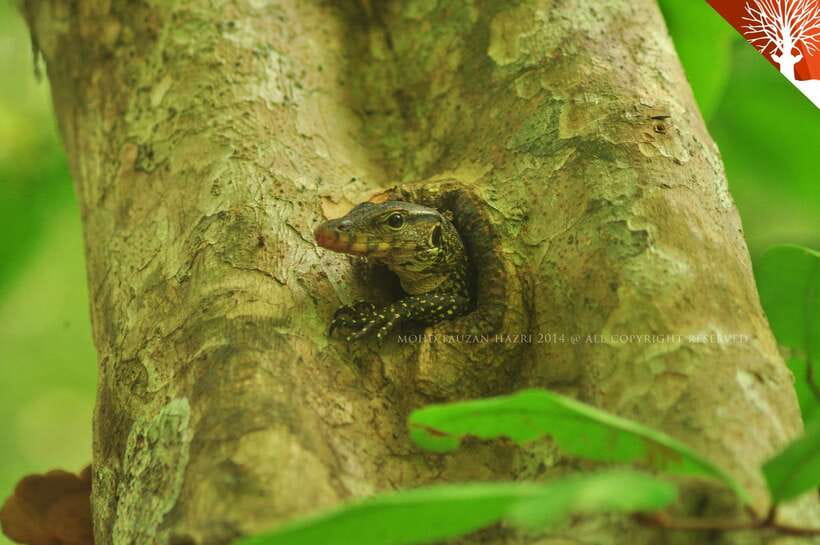
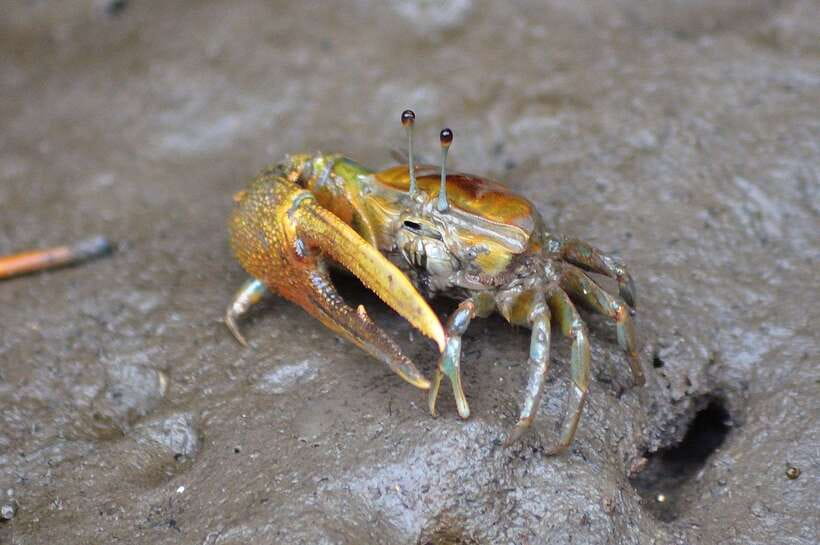
- Mangrove wildlife from the kayak including kingfishers, herons, mudskippers, and monitor lizards (when conditions cooperate)
- A real lunch break at a floating fish farm/restaurant after roughly 1.5 hours on the water
- Small group feel (max 10) that makes guidance and wildlife spotting easier
- Ethical viewing style focused on observation, not baiting animals
Why a Kilim River mangrove kayak feels different
Langkawi’s mangroves aren’t just “pretty trees.” They’re a working shoreline system that survives saltwater swings, shifting mud, and constant movement of water. From the kayak, you don’t just look—you pass through the habitat at the pace the animals actually experience.
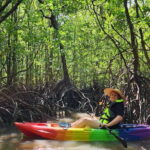
I also like that this tour is built around the Kilim Karst Geopark setting rather than a generic “boat ride and photos” format. You’re moving through narrow river passages where you can spot small signs of life up close: the dark silhouettes of birds, the weirdly practical mudskippers on exposed flats, and the occasional lizard that looks like it’s wearing the whole shoreline as camouflage.
Finally, the vibe tends to be calm. Many tours rush you with speed. Here, the focus stays on careful movement and good spotting—especially if you get a guide like Wan, Wahik, Yan, Zack, Fauzan, or Sham, whose names show up again and again in the experience feedback.
You can also read our reviews of more tours and experiences in Langkawi.
How tides decide whether you start at the coast or go upriver
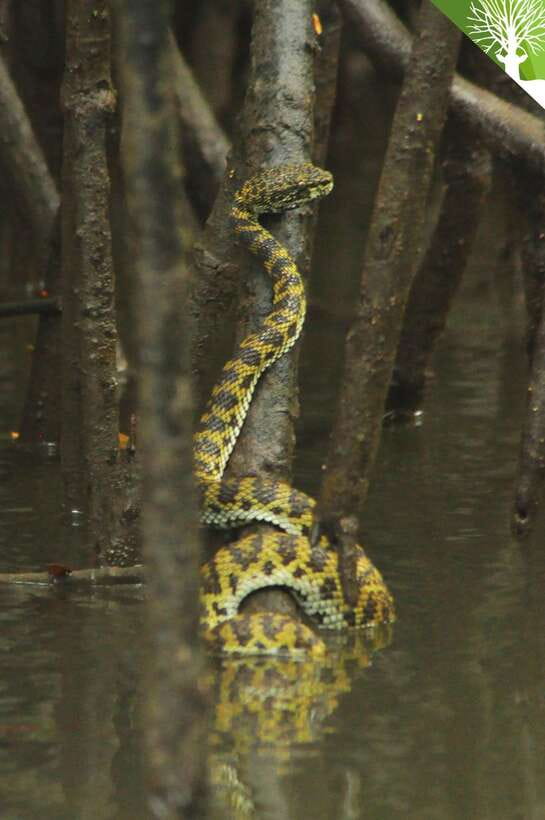
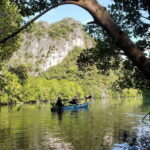
This is the part people sometimes miss when they book: your kayaking route can be chosen by tide. Depending on conditions, you may start near the coast and paddle upriver through mangrove channels. Or you may start upriver and float down toward the coast through a winding network of passages.
In plain terms, it affects how the trip feels:
- If you start coast-first, you’ll likely feel the work of paddling more.
- If you start upriver-first, the water movement can make the return feel smoother.
Either way, the guide handles the timing and the navigation. Your job is to stay relaxed, follow instructions, and keep your eyes moving. In mangroves, the best wildlife sightings are often quick—so you’ll want to stay alert without tensing up.
Kayaking through Kilim Karst Geopark: what you’re actually searching for
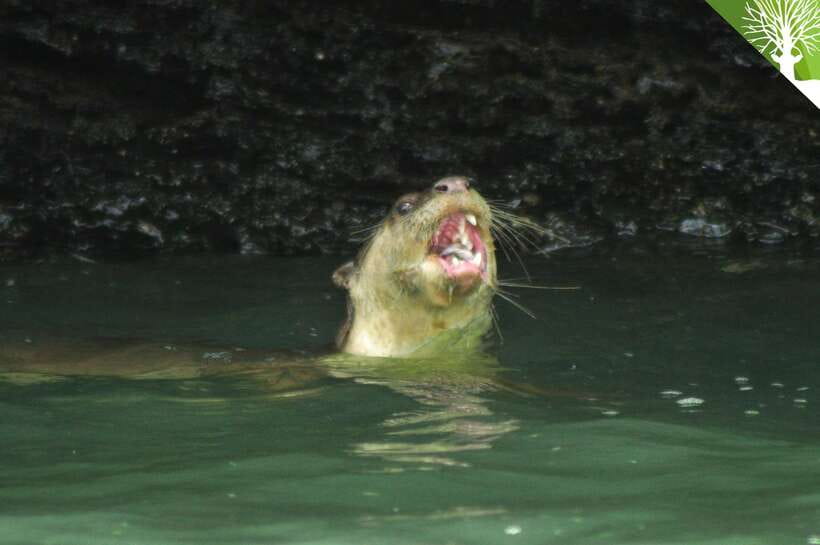
On paper, it sounds like a nature tour. On the water, it becomes a practical wildlife search mission—just with fewer bears and more birds. Your guide’s job is to connect what you see to what’s happening in that ecosystem.
Here’s what you can expect to look for along the route:
- Kingfishers and herons perched and hunting around the water’s edge
- Mudskippers on muddy patches exposed by the tide
- Monitor lizards that patrol banks and logs
- Mangrove plants adapted to changing salinity and flooding
Some paddling routes include narrower streams where you’ll need a bit more control. The good news is the trip is designed for small groups with a life jacket and a guide managing the pace. A few people found kayaking more “challenging but manageable,” which is a fair heads-up if you’re expecting a stroll.
Also, you might get extra wildlife moments beyond the usual list. One guide-led outing style includes eagle watching from your kayak, which can be a great change of pace when the small stuff is slow that day.
The bat cave stop: insect-eating bats in their own space
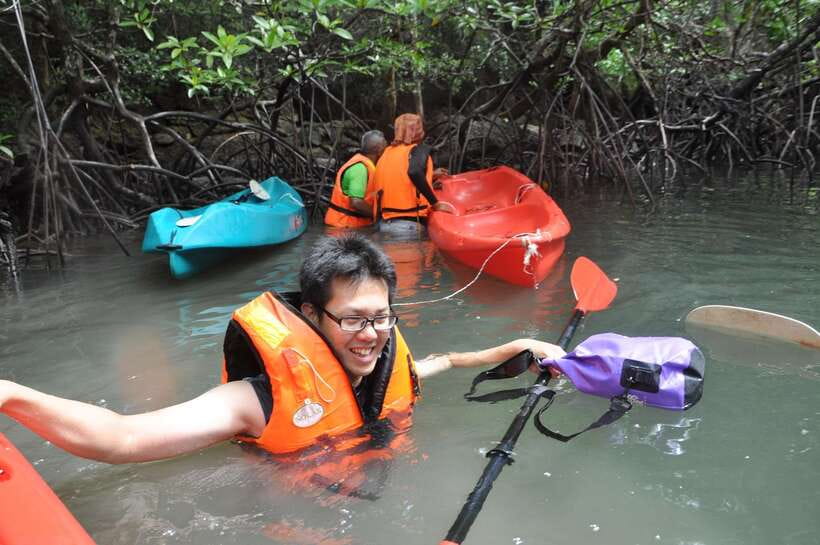
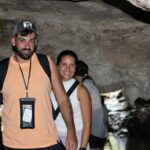
The Bat Cave is one of those stops that makes the whole tour feel more than just water and trees. You’ll explore the cave area and see insect-eating bats there.
What matters most is your attitude. This isn’t a carnival attraction. The bats are doing bat things—hanging in large numbers and following the rhythms of their environment. You’ll want to listen to your guide, keep noise down, and avoid rushing shots. The moment is short, but it’s memorable.
If you’re thinking, Will we definitely see them? The tour includes the stop, but wildlife sightings are always partly conditions-dependent. The upside is the cave area is specifically chosen for this kind of viewing, so it’s not random.
Lunch at a floating fish farm: part meal, part break
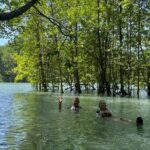
About 1.5 hours into the kayaking, you reach a local fish farm/floating restaurant. If you chose the lunch option, this is where you’ll eat a set lunch made with locally prepared ingredients.
Based on the information you’ll get, expect things like seabass plus refreshments. The best part is the timing. After paddling, your body is ready for food and your mind is ready for a reset.
Also, this break keeps the day from turning into a constant effort loop. You rest, eat, and then you return on a leisurely journey back toward your hotel pickup zone.
Getting back: timing, transfers, and why being on time helps
This tour runs about 270 minutes (around 5 hours) total. Round-trip transfer from your hotel is included, and pickup is optional depending on what you choose. If you do pickup, plan to be ready early—drivers won’t wait more than 10 minutes after the scheduled time.
There’s also a real-world detail worth knowing: tidal schedules and pickup timing can add small pockets of waiting time. One person noted a lot of waiting, which lines up with how tours like this have to sync water conditions and group movement. If you’re the kind of traveler who hates downtime, bring something simple to do with your eyes and patience—like listening to your guide’s explanations while you’re waiting.
If you’re not using hotel pickup, you’ll meet at the Kilim Tourism Jetty and wait at Checkpoint 1 once you arrive. It’s not complicated, but you should still arrive on time so you’re not rushed into the process.
Price and value: what you’re paying for at $71
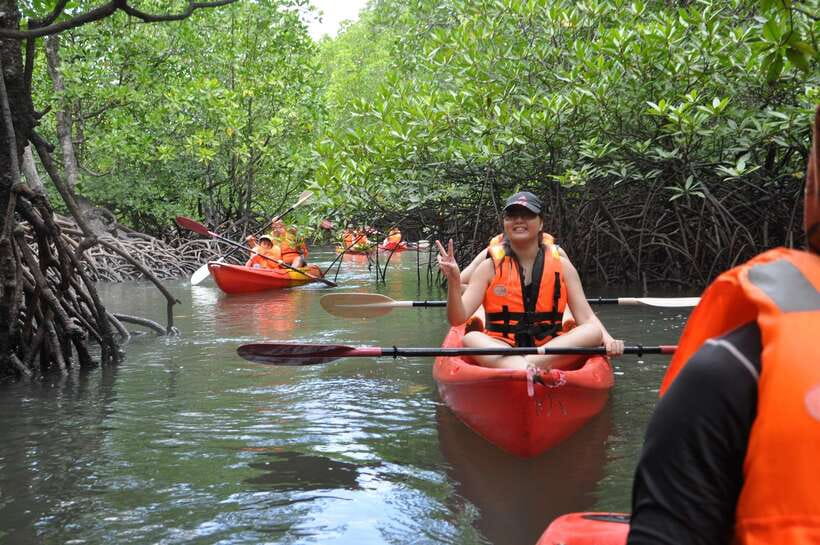
At about $71 per person, you’re not just paying for a boat. You’re paying for:
- Round-trip transfer (for those choosing pickup)
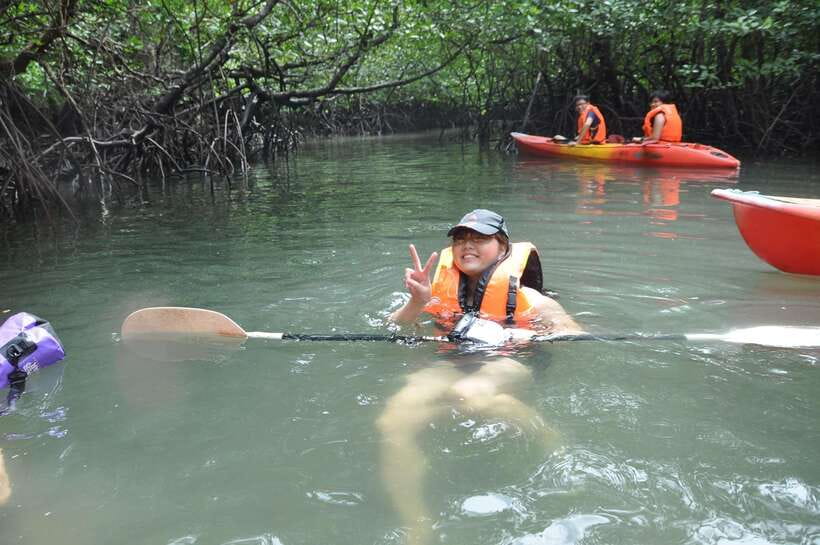
- Kayak, life jacket, and a guide
- A nature-focused route shaped by tide timing
- A Bat Cave stop
- Lunch if you select the option that includes it
When you add all of that up, it starts to make sense. You’d usually spend that kind of money if you tried to piece together kayaking gear, a guide, and a structured wildlife+cave stop separately. Here, the tour bundles it into one plan and keeps the day organized.
Small extra costs to plan for: sunblock lotion isn’t included, so bring biodegradable sunscreen if you can. Also pack insect repellent—your day will be sunnier and busier than you think once you’re moving on the water.
Who this tour suits best (and who should think twice)
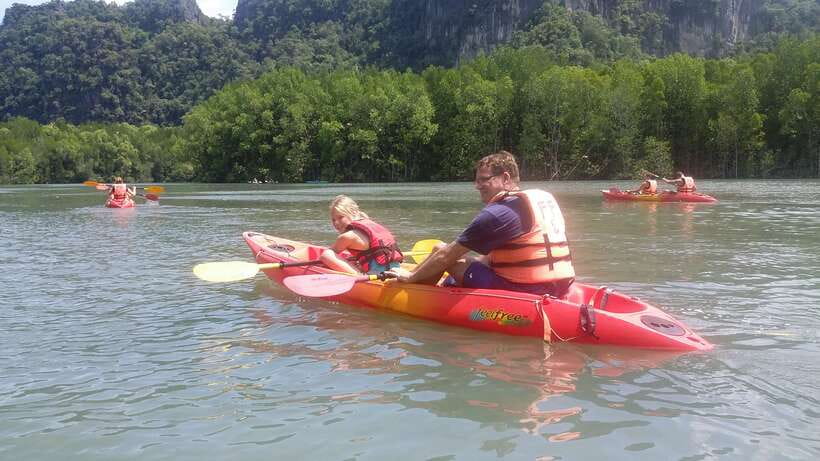
This is a strong match if you:
- Like nature that’s specific and observable, not just scenic
- Enjoy being on the water and moving at a slower speed than a motorboat
- Want a guided experience where someone can point out what you’re seeing
- Prefer a small group setting (max 10)
It’s also a good choice for solo travelers. One solo rider specifically preferred this kind of setup over paddling in a pair, which tells me the tour can work well for different comfort levels.
Think twice if you:
- Don’t want any uncertainty from tide-driven routing
- Struggle with basic paddling control or staying seated for stretches of time
- Hate the idea of insects and sun on a warm coastal day (repellent and covering up helps a lot)
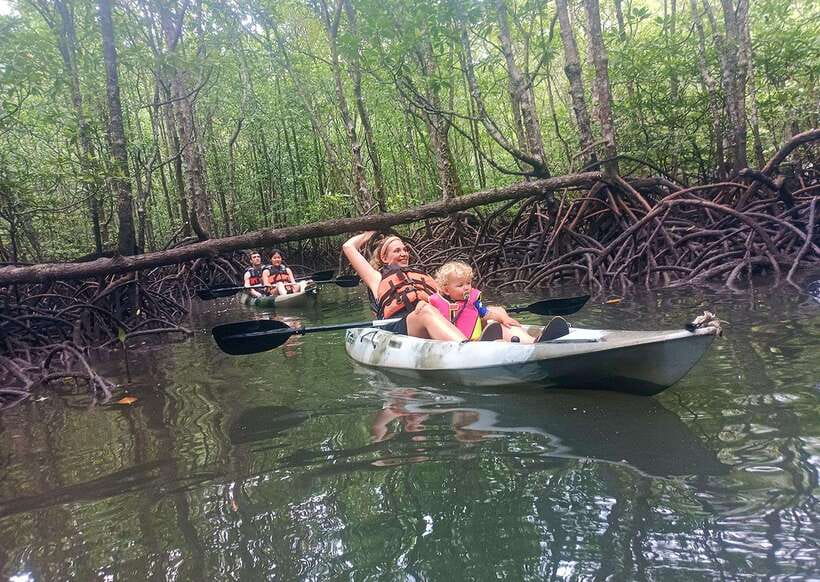
If you’re traveling with kids, note the rules: no baby strollers and no large luggage. The tour data doesn’t spell out a minimum age, so if you’re considering it for children, check before booking.
Practical packing checklist (the stuff you’ll actually use)
Do this prep and you’ll have a smoother day. The tour asks for:
- Hat
- Swimwear
- Biodegradable sunscreen
- Insect repellent
- Clothes that can get dirty
- Towel
- Change of clothes
- Flip-flops (or sandals)
You’re also advised to wear a T-shirt, shorts, and sun protection. Bring a bag that you don’t mind getting damp. The rules also say no luggage or large bags, so keep it simple.
One more tip: flip-flops help on transfers, but once you’re in the kayak area, you’ll want to keep your feet protected and your gear controlled. Ask your guide what they recommend for stowing small items during paddling.
What makes this tour truly worth it
Plenty of Langkawi tours promise wildlife. This one’s better because it gives you a working way to see it: the mangrove ecosystem from the angle the animals use. When you’re floating through tide-influenced channels, you start noticing patterns instead of just random sightings.
The bat cave stop adds a wow-factor that doesn’t feel forced. And the floating fish farm lunch is a practical payoff that keeps the day balanced. It’s not only about paddling; it’s about pausing, eating well, and then continuing.
Finally, the guide quality seems to be a huge reason people rate this so highly. Different names appear—Wan, Wahik, Yan, Zack, Fauzan, Sham—and the theme is consistent: guides explain what you’re seeing and help you spot wildlife without turning it into a stressful chase.
Should you book this Langkawi mangrove safari kayaking tour?
Book it if you want an active, nature-forward Langkawi experience that goes beyond the main tourist lanes. This tour is especially strong for people who enjoy guided spotting, can handle a few hours of warm-weather paddling, and like the idea of seeing bats and mangroves in one organized day.
Skip it only if you know you’ll be unhappy with tide-dependent timing or you’re not comfortable kayaking. Otherwise, this is one of the best ways to experience Kilim’s mangroves on your own terms—slow, guided, and full of small wildlife moments you’d miss from the shore.
FAQ
What’s the total duration of the Langkawi Kilim River mangrove safari kayaking tour?
It runs about 270 minutes, or roughly 5 hours.
Does the tour include hotel pickup and drop-off?
Round-trip transfer from your hotel is included, and pickup is optional. If you choose pickup, you should wait in the hotel lobby about 5 minutes before the scheduled time.
Where do I meet if I’m not using hotel pickup?
You’ll wait at CHECKPOINT 1 once you arrive at Kilim Tourism Jetty.
Is lunch included?
Lunch is included only if you choose the option that includes it. The lunch is described as a set lunch at a local fish farm/floating restaurant.
What wildlife might I see while kayaking?
The tour includes opportunities to observe kingfishers, herons, mudskippers, and monitor lizards, plus the mangrove plants adapted to tidal changes.
Is there a bat cave stop?
Yes. The itinerary includes a stop to explore the bat cave area and see insect-eating bats.
How big is the group?
It’s a small group limited to 10 participants.
What should I bring?
Bring a hat, swimwear, biodegradable sunscreen, insect repellent, clothes that can get dirty, a towel, a change of clothes, and flip-flops or sandals.
What’s not allowed during the tour?
Pets, alcohol and drugs, baby strollers, and luggage or large bags are not allowed.
Is the tour guided in English?
Yes, there is a live tour guide in English and Malay. Life jackets and kayaks are provided.