REVIEW · OAHU
Stand Up Paddle Board Lessons
Book on Viator →Operated by MSH MASSIMO SPORT HAWAII llc · Bookable on Viator
Learning to SUP in Honolulu sounds easy until you try it on moving water. This 2-hour lesson is built around getting you up on the board quickly and keeping you safe and steady with hands-on instruction at Kaimana Beach.
I also like that you can choose a morning or afternoon start, which makes it easier to plug into a day of beach time without rushing. The main thing to consider: it depends on good weather, and there’s a minimum of 2 people per booking.
In This Review
- Why this SUP lesson is worth your time
- Two Hours on Honolulu Water: What You’re Paying For
- Kaimana Beach: The Training Ground Between Waikiki and Kaimana
- The Lesson Flow: From Board Basics to First Real Confidence
- Instructor Energy: Why Massimo and Max Get Mentioned a Lot
- Morning vs Afternoon: Pick the Start That Matches Your Day
- What’s Included (and Why It Matters for Beginners)
- Getting There: Meeting Point and Waikiki Hotel Pickup
- Who This SUP Lesson Fits Best
- Price and Value: Is $280 Fair for a First-Time Lesson?
- Small Trade-Offs Before You Book
- Should You Book This SUP Lesson?
- FAQ
- How long is the stand-up paddle board lesson?
- Where does the lesson take place?
- What’s included with the lesson?
- Is there a private or small-group setup?
- What are the age requirements?
- Do you offer hotel pickup?
- Is the tour in English?
- What if the weather is bad?
- What’s the cancellation window?
Why this SUP lesson is worth your time
- Kaimana Beach setup: a proven place to learn with a Honolulu-water feel
- Guaranteed first lesson stand: the focus is on getting you confident fast
- Included board and paddle: no gear shopping, no guesswork
- Small-group feel: your group only (private activity setup)
- Instructors like Massimo and Max: feedback highlights comfort, local chat, and coaching that clicks
Two Hours on Honolulu Water: What You’re Paying For
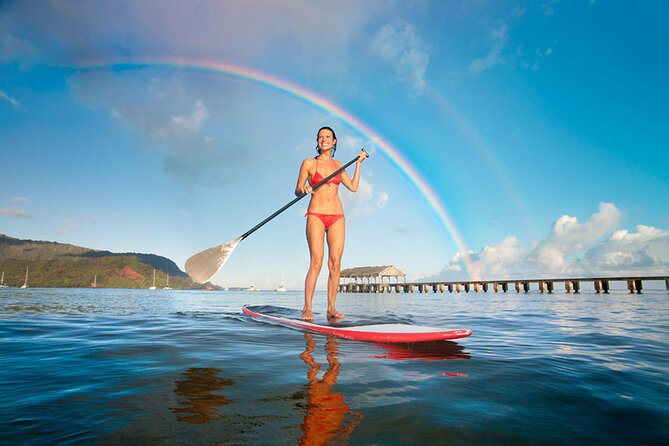
At $280 per person, you’re not just renting a board—you’re paying for instruction designed for first-timers and an easy start to paddleboarding. The value is in the time you get with the instructor and the fact that all the gear is handled for you.
You’ll be out for about 2 hours at the water, which is long enough to learn the basics and short enough that you won’t feel like you’re “stuck” on the board all day. That matters in Honolulu, where the temptation is to do everything at once.
The lesson is offered in English, and it’s a group-activity format that’s described as semi-private, but the key practical point is this: it’s run for your group only. If you’re bringing family, that private feel is a big deal.
You can also read our reviews of more tours and experiences in Oahu.
Kaimana Beach: The Training Ground Between Waikiki and Kaimana
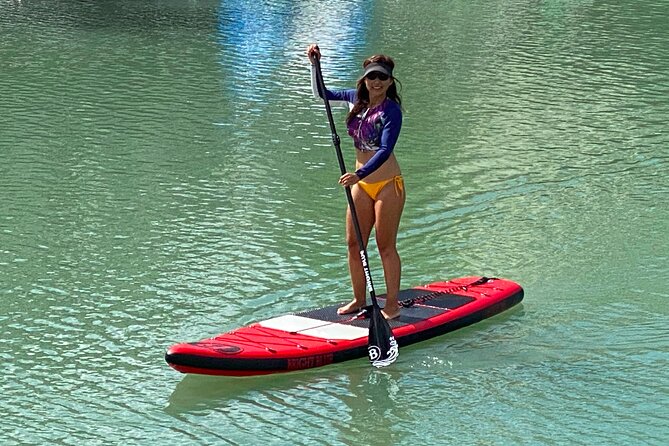
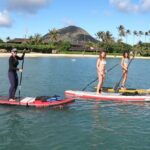
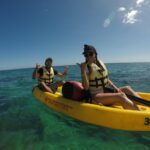
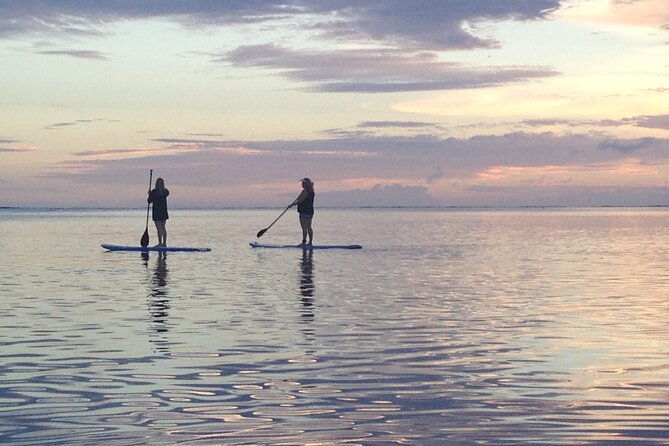
The lesson happens in the water area between Waikiki and Kaimana beaches, with the first stop at Kaimana Beach. This is the kind of location that makes sense for learning because you’re not fighting your way into a complicated plan—you’re focused on technique where the conditions support beginners.
Kaimana Beach is also close enough to Honolulu’s action that it feels like a real activity, not a “remote nature” excursion where you’re thinking about logistics all day. If you like being near the things you can do on land—food, walks, easy beach downtime—this fits.
One trade-off: because this is ocean water, it’s not guaranteed to be calm. You’re doing SUP for fun and fitness, but the weather has to cooperate, or the activity may shift or cancel.
The Lesson Flow: From Board Basics to First Real Confidence
You can think of this lesson as a guided progression. You’ll learn the basic techniques of stand-up paddleboarding from an instructor, and the program is designed around first-time success.
The provider’s promise is clear: you’ll be able to stand during your first lesson. That doesn’t mean you’ll become an expert by hour two, but it does mean the teaching plan targets the exact moment most beginners need—getting comfortable upright and balancing without panic.
Expect the coaching to focus on fundamentals you can reuse later: how to hold and control your paddle, how to shift your weight, and how to keep your stance steady. The coaching style also emphasizes learning at your own pace, which is crucial when group members start at different comfort levels.
Instructor Energy: Why Massimo and Max Get Mentioned a Lot
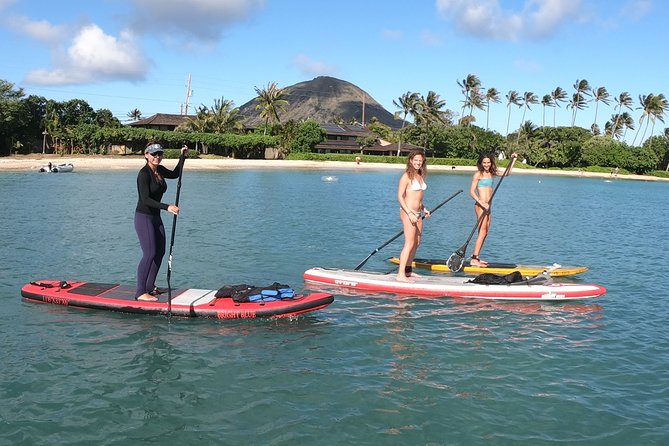
When people talk about why they enjoyed this lesson, the names that come up are Massimo and Max. The recurring theme is comfort. They work to make first-timers feel okay stepping onto the board and moving through the drills without feeling rushed.
In real terms, that matters because the number one beginner problem isn’t strength—it’s tension. If you’re tense, your balance goes. Good instructors break that loop fast by keeping you focused on small steps and clear feedback.
There’s also a social side in the way the guides interact. The instruction isn’t only technical; it includes conversation and a friendly, local vibe. One standout detail from the guide descriptions: Massimo is described as fun to talk to and comfortable making people feel at home in the moment.
If you’re the type who gets self-conscious when trying something new, this is the kind of lesson where the vibe helps you learn.
Morning vs Afternoon: Pick the Start That Matches Your Day
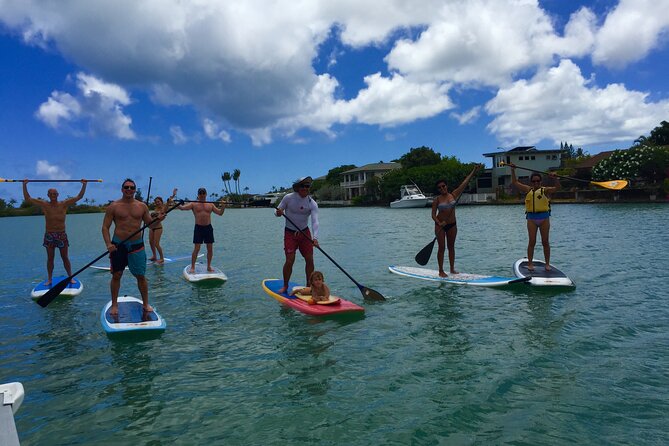
You can choose either a morning or afternoon start time. That flexibility is underrated in Honolulu, where your best-laid plans can change fast based on beach crowds, sunburn risk, and your energy level.
Morning tends to feel better if you want an active start—less “wait, I’m too tired” energy later in the day. Afternoon can work if you want to sleep in, do a shorter beach walk first, and then come back for the water class.
Either way, treat it like a workout block, not just an activity. You’ll be on your feet, shifting weight, and using your core and legs while you learn. Plan your day so you’re not squeezing this between two totally different plans that drain you.
What’s Included (and Why It Matters for Beginners)
The lesson includes:
- Professional instructors
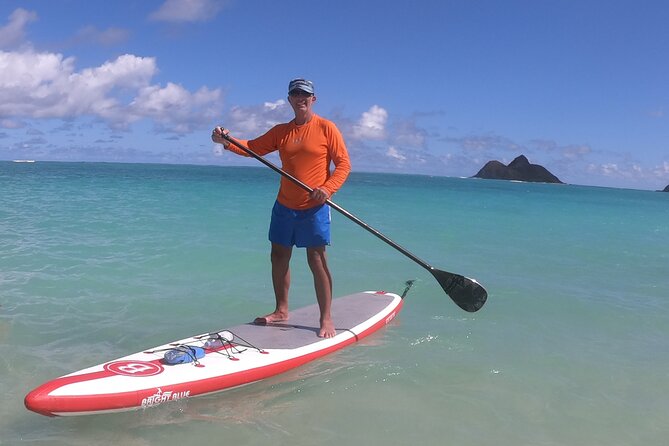
- All required equipment: a paddleboard and paddle
- A coaching approach that lets you learn at your own pace
For first-time SUP, included gear is more than convenience. It reduces stress. When you show up and everything is ready—board size, paddle setup, and equipment that’s appropriate for the lesson—you can focus on the technique instead of fiddling and guessing.
I also like the coaching emphasis on learning your way. In a group, people pick things up at different speeds. If the instructor can adjust pacing and keep you calm, you spend more time standing and less time thinking about how you’re doing.
And yes, you should like this part: the class is described as starting and ending back at the meeting point. That makes it easier to plan your Honolulu day without wondering where you’ll end up.
Getting There: Meeting Point and Waikiki Hotel Pickup
You meet at 120 Opihikao Way, Honolulu, HI 96825, and the activity ends back at that same meeting point. If you’re staying in the Waikiki area, there’s free pickup from Waikiki hotels, which is a big help when you’re juggling towels, sunscreen, and beach gear.
If you’re outside Waikiki, pickup is possible, but there may be an additional fee. The guidance is to contact the provider a couple of days before to schedule it. That’s a small step now that can save you hassle later.
The meeting point is described as near public transportation. So if you don’t have a rental car and you prefer to keep plans simple, you’re not completely dependent on one mode of transport.
Who This SUP Lesson Fits Best
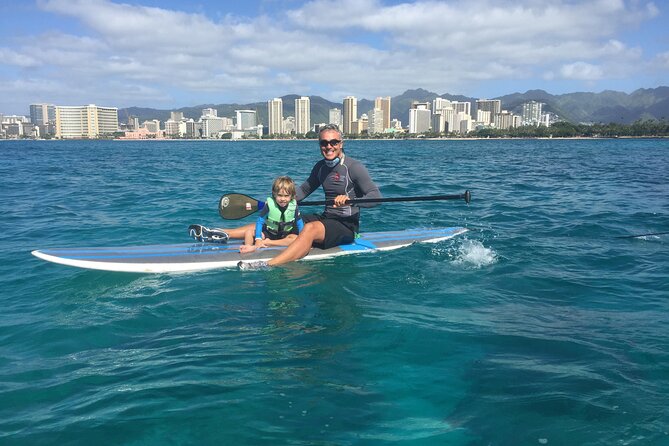
This SUP lesson is designed so most people can participate, with a minimum age of 8 years old. If you’re bringing kids under 16, an adult must be present in the group, which keeps the experience clear and structured for younger participants.
I see this as a great fit for:
- Families with kids 8+
- First-timers who want real coaching and a confidence boost
- Travelers who want a fun, active Honolulu activity without complicated planning
It’s also smart if you want a “stand-up paddleboarding basics” experience rather than a long, technical training course. You’ll be learning core technique and getting time on the water, not just watching.
Price and Value: Is $280 Fair for a First-Time Lesson?
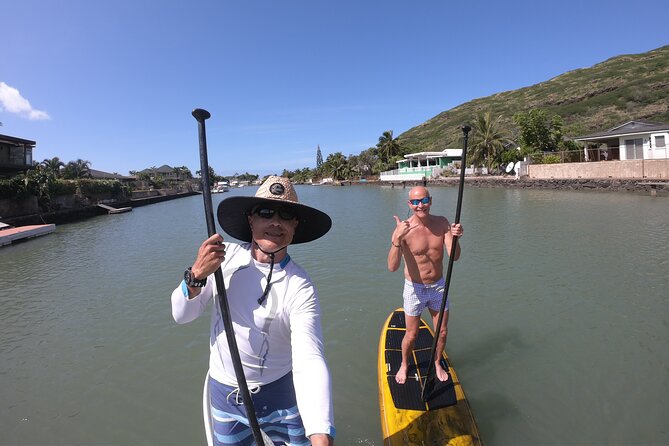
$280 per person is not cheap, but the question is whether you’re paying for something you can’t easily DIY. Here, you’re buying instruction plus included equipment and a focused time block.
If you tried to rent a SUP on your own, you’d still need to learn balance, paddle technique, and safety on the fly. This lesson gives you guided learning toward standing during your first session. That alone is a practical value point because it turns the “hard part” into a teachable, repeatable skill.
You also get a group discounts angle, which can improve value if you’re traveling with someone and can meet the minimum group size requirement. Just remember: the activity requires a minimum of 2 people per booking.
In other words, the price makes more sense when you treat this as instruction first, rental second.
Small Trade-Offs Before You Book
No lesson is perfect, and ocean activities bring reality checks.
- Weather dependence: the experience requires good weather. If it’s canceled due to poor conditions, you’ll be offered a different date or a full refund.
- Minimum 2 per booking: if you’re traveling solo, you may need to pair up with others or pick a date when it’s available with another booking.
- Age rules: minimum age is 8, and an adult must be present for participants under 16.
On the upside, the activity is described as a private setup for your group, which can reduce stress if you’re traveling with family or people who learn differently.
Should You Book This SUP Lesson?
If you want a first-time SUP experience in Honolulu that focuses on basics, confidence, and getting you standing quickly, I think this is a strong choice. The combination of included equipment, a 2-hour lesson length, and coaching from instructors like Massimo and Max makes it practical.
I’d skip it only if your schedule can’t handle weather uncertainty or if you’re not able to meet the minimum group requirement. Otherwise, this is a fun way to earn a new skill in the middle of a great beach area—without turning your day into a logistics project.
FAQ
How long is the stand-up paddle board lesson?
It lasts about 2 hours.
Where does the lesson take place?
The paddle lesson happens in the water area between Waikiki and Kaimana beaches, with the first stop at Kaimana Beach.
What’s included with the lesson?
You get lessons from professional instructors plus all required equipment, including the paddleboard and paddle.
Is there a private or small-group setup?
Yes. The activity is described as private, with only your group participating.
What are the age requirements?
The minimum age to participate is 8 years old. An adult must be present for participants under 16.
Do you offer hotel pickup?
Yes, there is free pickup from Waikiki hotels. Pickup outside Waikiki may have an additional fee, and you should schedule it a couple of days before.
Is the tour in English?
Yes, it’s offered in English.
What if the weather is bad?
This experience requires good weather. If it’s canceled due to poor weather, you’ll be offered a different date or a full refund.
What’s the cancellation window?
You can cancel up to 24 hours in advance for a full refund. If you cancel less than 24 hours before the start time, the amount paid isn’t refunded.