REVIEW · OAHU
Kailua Stand Up Paddle Boarding Lesson
Book on Viator →Operated by Kailua Beach Adventures · Bookable on Viator
Kailua from a stand-up paddle board is a special kind of wow. This 5-hour lesson is built for beginners, with a small group maxing at 8 people, so you get real coaching instead of just being tossed a board and a prayer. I like the way the plan balances instruction with time on the water, and the coastline views of Kailua are a big part of the magic.
The best part for me is the personalized feel: instructors adapt on the fly, whether you’re brand-new or you pick things up fast (names you might hear include Tomo and Riki). One possible drawback: stand-up paddleboarding can feel harder than people expect, even if you’re physically fit, so you’ll want to be ready to wobble for a bit before it clicks.
In This Review
- Key highlights worth your attention
- Why Kailua SUP feels like front-row ocean time
- Small-group coaching that actually helps you stand
- Beach Center to Kailua Beach Park: the learning arc
- The paddle route to Popo’ia “Flat Island” (and why the stop matters)
- What you’ll get out of the water beyond the photos
- Lunch, snacks, bottled water, and snorkeling gear: the value math
- Price and time: is $110.17 a fair deal?
- Logistics that affect your day (more than you think)
- Who should book this and who should think twice
- Tips to get more fun out of your first SUP
- Should you book Kailua Stand Up Paddle Boarding?
- FAQ
- Is this stand-up paddleboarding lesson good for first-timers?
- How long is the Kailua SUP lesson?
- How big is the group?
- What’s included in the price?
- Is there a vegetarian lunch option?
- Where do I meet, and when should I arrive?
- What about physical fitness—can I do it if I’m not very athletic?
- Can I cancel for a full refund?
Key highlights worth your attention
- Beginner-friendly by design: no experience needed, with hands-on help at launch and on the water.
- Small groups (8 max): more coaching time and a calmer vibe in the learning phase.
- Kailua coast views: you paddle along the shoreline with excellent sightlines the whole way out.
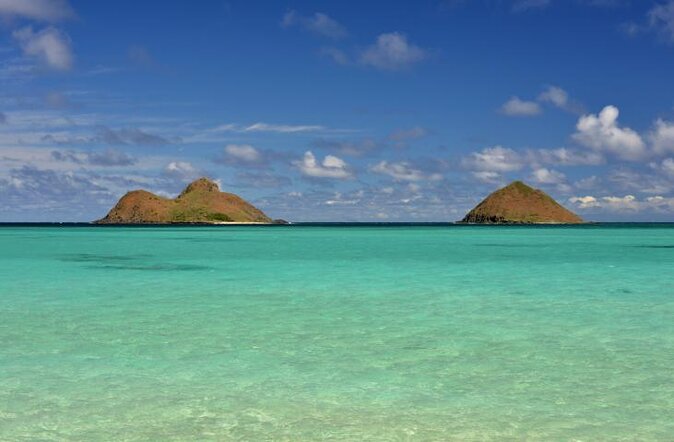
- Popo’ia “Flat Island” stop: a break plus an easy island tour that keeps the route interesting.
- Snacks, lunch, bottled water included: you won’t spend the day hungry or improvising.
- Snorkeling equipment included: gear is provided if you want to use it during the outing.
Why Kailua SUP feels like front-row ocean time
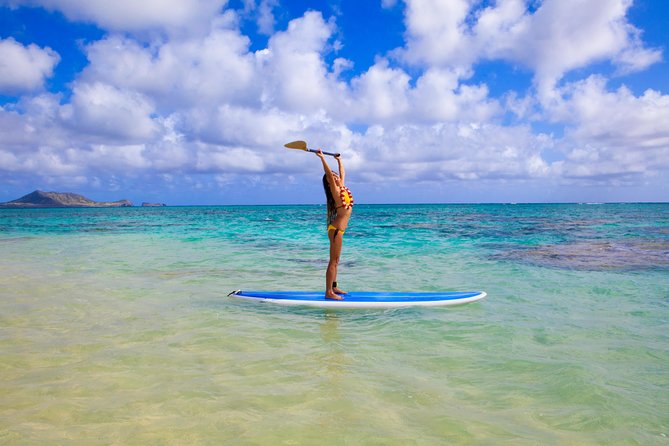
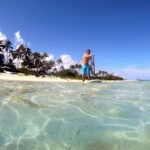
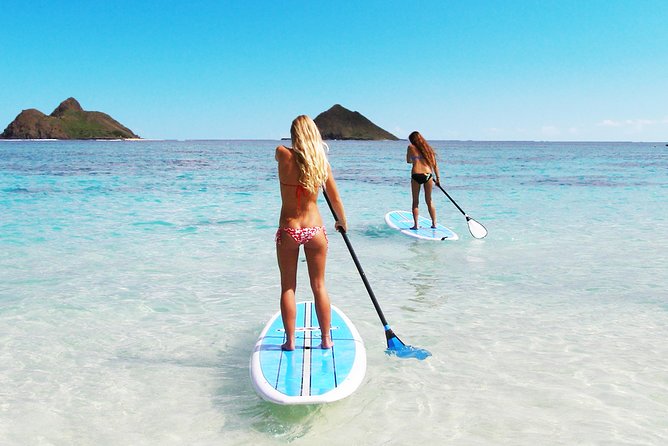
Kailua has that calm, clean-water look that makes you want to be on the water in the first place. Doing it on a SUP changes your perspective fast. You’re higher than a swimmer, slower than a boat, and the coast stays in view in a way that feels personal.
This lesson leans into that payoff. You’re not just learning technique in a parking-lot simulator. You start with instruction, then you head out toward Popo’ia “Flat Island” where you can reset, stretch your legs, and take in the island views. It’s a route that gives your brain a reason to focus while you get your balance.
I also like that the day isn’t all seriousness. Guides bring local stories and help keep the learning playful, which matters when you’re trying to stand without doing a full-body submarine. If your instructor is Tomo, for example, the style is patient and adaptive, and that makes a big difference for true first-timers.
You can also read our reviews of more tours and experiences in Oahu.
Small-group coaching that actually helps you stand
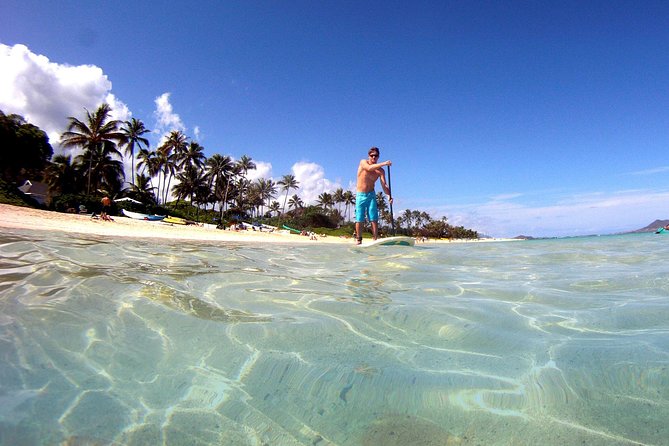
The format here is personal. You start with an intro class at the Beach Center, then you practice launch and standing with your instructor’s help at Kailua Beach Park. With a maximum of 8 travelers, you’re less likely to get lost in the shuffle, which is huge for safety and confidence.
This is where the lesson earns its value. Learning SUP has a handful of basics—paddle strokes, stance, turning, and how to keep your balance while the board moves under you. When you have an instructor nearby, you can correct your posture and grip right away instead of guessing all afternoon.
The reviews back up the adaptive approach. Tomo is singled out for being patient and adjusting to a rider’s skill level. Riki is noted for teaching well and adding local insights, and even helping someone try surf-style moments when conditions allow. That mix—technique plus real encouragement—is what turns a “first lesson” into a day you’d repeat.
Beach Center to Kailua Beach Park: the learning arc
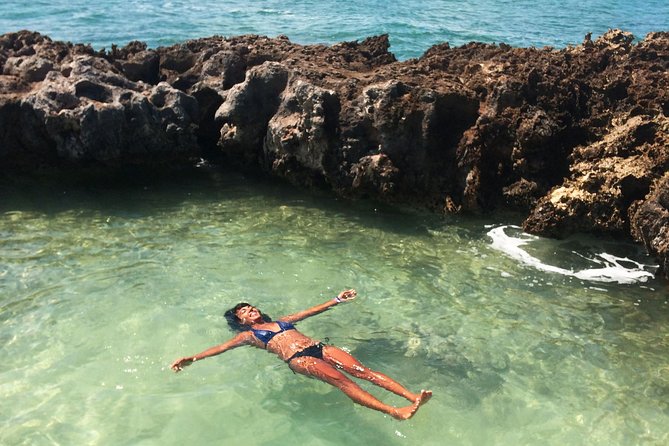
Your lesson begins with paddling instruction and a short intro session at the Beach Center. This is the part that pays off later. You’ll learn what to do with your paddle and how your body should feel on the board, so you’re not starting the water portion completely blind.
Then you head to Kailua Beach Park. This is where you launch your board and stand up, with your instructor guiding you through the first attempts. Kailua Beach Park is the right kind of setting for this. You get a real shoreline environment without jumping straight into the deepest, busiest parts of the water.
A few practical notes to keep expectations realistic:
- Standing up can take a few tries. That’s normal.
- Your turning and pacing get better quickly once your feet stop fighting the board.
- If you’re nervous, tell your instructor early. The point is to adjust the plan to you, not force everyone through one rigid routine.
The paddle route to Popo’ia “Flat Island” (and why the stop matters)
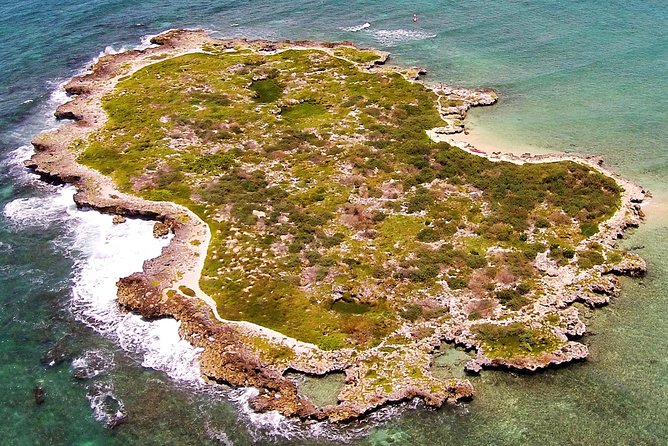
Once you’re launched, you paddle toward Popo’ia “Flat Island.” That segment is what most people picture when they sign up: the coast unfolding in front of you, the shoreline staying close, and the simple satisfaction of moving under your own power.
Then you land at Flat Island for a break and an island tour. This is a smart structure. Instead of doing one long, tiring push and calling it a day, you get a natural checkpoint. You can reset your stance, rehydrate, grab a snack, and let the guide point out what you’re seeing.
The guide also helps with wildlife spotting along the way. That matters because it keeps your attention up and your paddling smoother. When you’re focused on looking for something interesting instead of wrestling your balance, it feels easier.
And yes, there’s a photo element. Guides help capture pictures during your SUP lesson, which is great if you don’t want to spend the day worrying about how to balance a camera. You’ll likely end up with a few shots that look like you planned the whole thing.
What you’ll get out of the water beyond the photos
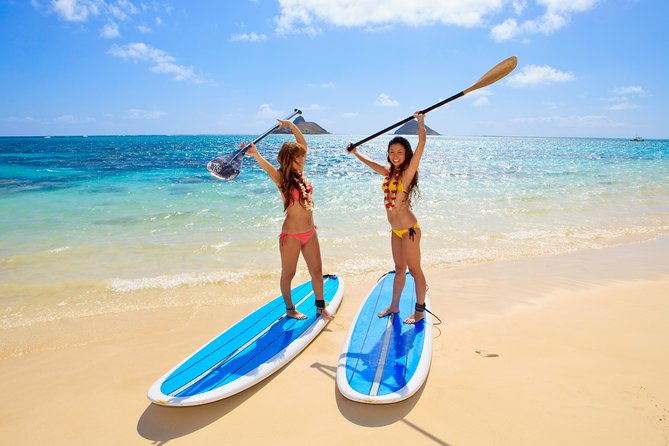
Most SUP lessons promise scenery. This one also delivers on the “learning” part without turning it into a classroom. The key is that your instructor doesn’t just show you what to do once. You practice, you get feedback, and you adjust while still moving through the route.
That’s why small-group matters. With up to 8 people, you’re more likely to get direct cues and quick corrections. For first-timers, that can cut down the time you spend stuck in wobble mode.
I also like that the day includes storytelling and local insights. Riki is mentioned for sharing lots about the local area, which adds texture to what you’re seeing. When you understand even a little about the place you’re gliding past, the whole outing feels more connected and less like you’re just floating through pretty scenery.
If you’re hoping for a bit more thrill, here’s the honest angle: you’re not signing up for an extreme surf camp. Still, one instructor (Riki) is credited with helping someone surf a few waves. So if you’re up for experimenting and conditions allow, you might get a chance to try something extra.

Lunch, snacks, bottled water, and snorkeling gear: the value math
This is one of the strongest “value” points in the whole experience. You get lunch, snacks, and bottled water included, which means you’re not spending the day looking for food options near the water. You also get the SUP board, plus snorkeling equipment.
Two ways that matters:
1) You don’t have to plan a full day around meals. I love tours that handle food because beach days can get unpredictable.
2) Having snorkeling gear included adds flexibility. The data doesn’t promise when or how you’ll snorkel, but it does mean you’re not paying extra if you want to use the gear at the guide’s go-ahead.
Vegetarian options are available if you ask at booking. That’s a small detail, but it matters. You don’t want the “included lunch” part to turn into a workaround.
Also note that gratuity isn’t included. That means you should budget a little extra for the guide, since they’re the reason your day feels safe and fun rather than chaotic.
Price and time: is $110.17 a fair deal?
At $110.17 per person for about 5 hours, the price makes sense when you break down what’s included. You’re getting:
- A guided SUP lesson with instruction and on-water help
- Use of the stand-up paddle board
- Lunch, snacks, and bottled water
- Snorkeling equipment
- A small group cap of 8 people
If you were to piece that together yourself—board rental, a guide, and meals—you’d likely end up paying more or losing the convenience. Here, the food and gear are part of the package, and that’s why the total feels fair.
The other hidden value is time quality. A 5-hour outing gives you enough reps to learn and enough route to enjoy. Shorter sessions can feel like you spend half the time waiting to start. This one is long enough to actually build confidence.
And it tends to book up ahead. On average, it’s reserved about 24 days in advance. That’s a sign this isn’t just a random add-on. If you’re going in peak season, planning ahead pays off.
Logistics that affect your day (more than you think)
This starts at 130 Kailua Rd, Kailua, HI 96734. You should check in 15 minutes before your tour time. That timing matters because once you’re on the beach, the day moves quickly: setup, instruction, launch, then paddling.
You’ll also receive confirmation at booking time, and you’ll get a mobile ticket. Translation: you don’t need to hunt for paperwork. Still, have your phone ready at check-in.
The experience ends back at the meeting point, so you won’t be dealing with the stress of figuring out transport at the end of a water-heavy day. That’s underrated.
One more practical note: the tour runs in English. If you want clear instructions (and you do, for balance and safety), that’s a good fit.
Who should book this and who should think twice
This lesson fits you best if you want:
- A beginner-friendly SUP introduction with real coaching
- A guided route that includes a meaningful break at Popo’ia “Flat Island”
- Included meals and gear, so you can show up and go
It also fits a range of ages and fitness levels. One review calls out a 57-year-old who was overweight and still able to do it, which supports that the instruction style is grounded and adaptable.
The data also asks for moderate physical fitness. That’s reasonable. You’ll paddle, balance, and likely carry some movement through the day. If you know you struggle with moderate physical effort, be honest with your limits before booking.
If you’re an advanced paddler looking for a long, intense training session, you might find it more beginner-focused than you want. This is more “learn and enjoy” than “hammer speed.”
Tips to get more fun out of your first SUP
Want the day to feel smooth? Here’s what helps, based on how the lesson is structured and how guides coach first-timers.
First, treat the instruction like the main event. If the guide says adjust your stance or paddle angle, listen right then. Small corrections make a big difference once you’re upright and moving.
Second, plan to fall into a normal learning rhythm: wobble, stabilize, paddle a bit, reset. That’s part of the process. When your body figures out the balance loop, the views start to feel effortless.
Third, use the guide’s strengths. If you get a guide like Tomo, lean into the adaptive coaching and ask for preferences—like whether you want a more relaxed pace or more practice. If you get Riki, expect strong teaching plus local stories, and don’t be afraid to ask about a try-on moment if conditions allow.
Should you book Kailua Stand Up Paddle Boarding?
I’d book it if you’re excited to try SUP without turning the day into a stress test. The combination of beginner-focused instruction, a small group cap, and included lunch/snacks/water makes it a strong first outing in Oahu.
I’d skip or rethink it if you’re looking for an advanced workout or you’re uncomfortable with moderate physical activity. Stand-up paddleboarding can feel tougher than it looks, and you should want to experience the learning curve rather than dread it.
If you want a simple decision rule: if your goal is confidence, coastline views, and a guided day that handles the hard parts for you, this is a smart pick.
FAQ
Is this stand-up paddleboarding lesson good for first-timers?
Yes. No experience is necessary, and you’ll get instruction and help with launching and standing.
How long is the Kailua SUP lesson?
It runs about 5 hours.
How big is the group?
The maximum group size is 8 travelers.
What’s included in the price?
Lunch, snacks, bottled water, use of the stand-up paddle board, and snorkeling equipment are included.
Is there a vegetarian lunch option?
Vegetarian options are available. You’ll need to advise during booking if you require it.
Where do I meet, and when should I arrive?
Meet at 130 Kailua Rd, Kailua, HI 96734. Check in 15 minutes before your tour time.
What about physical fitness—can I do it if I’m not very athletic?
The experience is described as suitable for travelers with a moderate physical fitness level.
Can I cancel for a full refund?
Yes. You can cancel up to 24 hours in advance for a full refund.